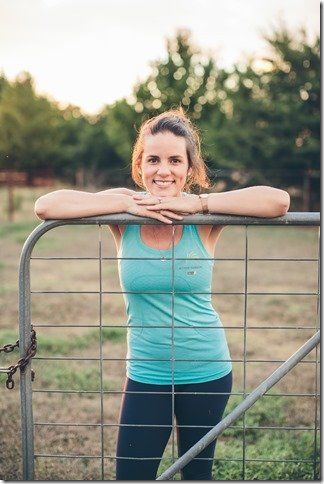
Ginny Stevens is the Founder and CEO of Active Farmers Ltd, a registered Not-for-profit and Health Promotion Charity, that brings together farmers and other locals in small farming communities through group fitness and community events in a fun and interactive environment.
A proactive approach towards mental health in rural Australia
Ginny Stevens
New initiatives and new research are empowering farming communities to change the narrative
My interests in mental health affecting rural Australians originated during a routine run. I had not long moved to my husband’s family farm near Mangoplah in the Riverina region of New South Wales, and on this particular run I was wondering how I could contribute and ‘do my bit’ for my community. Running has always provided me with time where my mind is cleared and ideas can flow. Reflecting on what I already knew were relatively high incidences of suicide and mental ill-health in farming communities, with the Australian bush being home to some of the most genuine and down to earth people I knew, I wondered why this was the reality.
The decision to live on the land, though a cherished way of life for many, comes with its challenges. Droughts, floods and fires are all too familiar for rural folk and the never-ending fluctuation of commodity prices is yet another source of uncertainty. The hurdle of succession planning may also present unexpectedly. These can all lead to significant amounts of stress for those who call the bush home. While farms are getting bigger, the vast improvements in technology often mean fewer people on the farm to interact with. Efficiency gains can be great for the bottom line, but what about the soul? As herd animals we’re simply not designed to be isolated for long periods of time, it is unhealthy for the mind. When a feeling of disconnect is combined with reduced physical activity, paired with conditions such as a bad back or a tough “Nah, I’ll be right, mate” attitude ingrained over many farming generations, it can develop into a perfect storm.
I reflected further on team sport and the influence it had had on my own life. As well as keeping me fit physically, the social connection formed with my team-mates had profound benefits for my mental health too. The beauty of team sport is the amazing mental health improvements that happen “behind the scenes” – almost unnoticed. Yet too often this work-life balance becomes a thing of the past, especially once the footy boots or netball bibs are inevitably hung up, this often at a time in life when it’s needed the most.
That’s when the light bulb moment happened: “mimicking the team sport effect”. Wouldn’t it be great, I thought, if there was a club of some sort that ran regular group fitness classes in my community? This would get farmers off the farm and people out of the house every week to exercise as a community, in the place of a team, and mean everyone can go home feeling stronger physically and mentally.
Curious to find out more about the state of mental health in rural populations, and what was being done about it, I started asking questions such as:
- How severe is mental illness and suicide in rural populations? Is it more or less serious than people think?
- Are there suicide statistics available for the agriculture profession specifically?
- Where do the risk factors come from?
- How are modern-day farming communities faring when it comes to connection and resilience, things which could surely be pivotal in promoting good mental health?
After a lot of reading online and despite many phone calls and emails to relevant government agencies, research institutes and NFPs, I was surprised to find out there wasn’t actually any definitive resource specific to those working in the agricultural industry that had reliable numerical data or conclusive research in these areas.
Through our organisation, we are involved in the proactive space and we’ve also taken the first steps towards research in this area. We partnered with the Regional Australian Institute and the results of this new research have proven our approach to be effective – we are indeed playing a part in building stronger and more resilient communities. While this has been a relief and a great encouragement, I don’t believe it is time to rest on our laurels.
Through campfire stories and pieces of old research patched together, we know that we are losing too many lives to suicide and the more remote you go the worse it gets. We also know that males are at a higher risk. Could this be due to a lack of understanding or a mischaracterization of a mental health problem? Could hesitance to seek help or lack of access to professional care be to blame? What about stigmatisation of those who struggle with mental health, does that play a part?
In my opinion there remains a lot to be done in fostering correct mindsets and good self-care habits. If farmers are happy to service their vehicles and machinery so that they don’t break down, doesn’t the same principle apply when it comes to their bodies and minds? Have we not neglected the basics like physical activity and relationships which provide a safe space to share fears or troubles? What about an unwavering sense of belonging to community which sticks together through thick and thin?
Despite my own fierce commitment to improve the well-being of farmers and farming communities, alongside other mental health advocates like John Harper at Mate Helping Mate, I cannot fix a complex problem alone. But what I can do is raise awareness of what I believe works in the proactive space, a space in which I will always be advocating for new initiatives, greater participation and more collaboration. Yet I am an equally avid advocate for new research to be done whether it’s on the effectiveness of proactive measures, or gaining insight into the complex nature or root causes of the issue. Following a two-fold approach - a continued cycle of action and research - can lead to supporting our valued stewards of the land in more relevant and effective ways.
As part of a broader farming community, I have noticed over the years that the collective conversation around mental illness is improving. People feel increasingly more comfortable talking about it, stories and experiences are being shared more freely. There are many stories that give hope too. Connection, understanding, access to help and strong communities are common denominators in these.
Whether it is through proactive initiatives or better support, more data or new research, I believe each part is an important one in a multi-faceted solution. Past and recent history has proven collective efforts successful. We have already gained some healthy momentum. Now more than ever, a proactive collective effort is exactly what is needed to save more lives of those who matter and are responsible for feeding and clothing our country.
If you, or someone you care for is experiencing distress or struggling, please find support. For crisis support, please call Lifeline on 13 11 14 open 24 hours, 7 days a week. Beyond Blue offers support, aims to increase awareness of depression and anxiety and reduce stigma. Call 1300 22 4636 open 24 hours, 7 days a week. The Black Dog Institute offers mental health resources and support tools.
NEWS
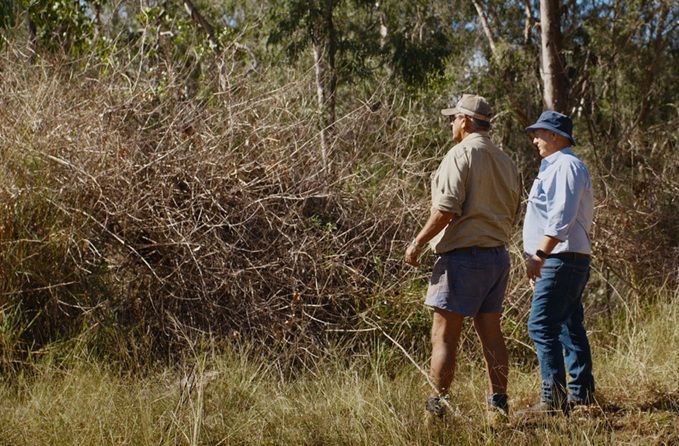
Invasive woody weeds steal your pasture. Method helps you take it back.
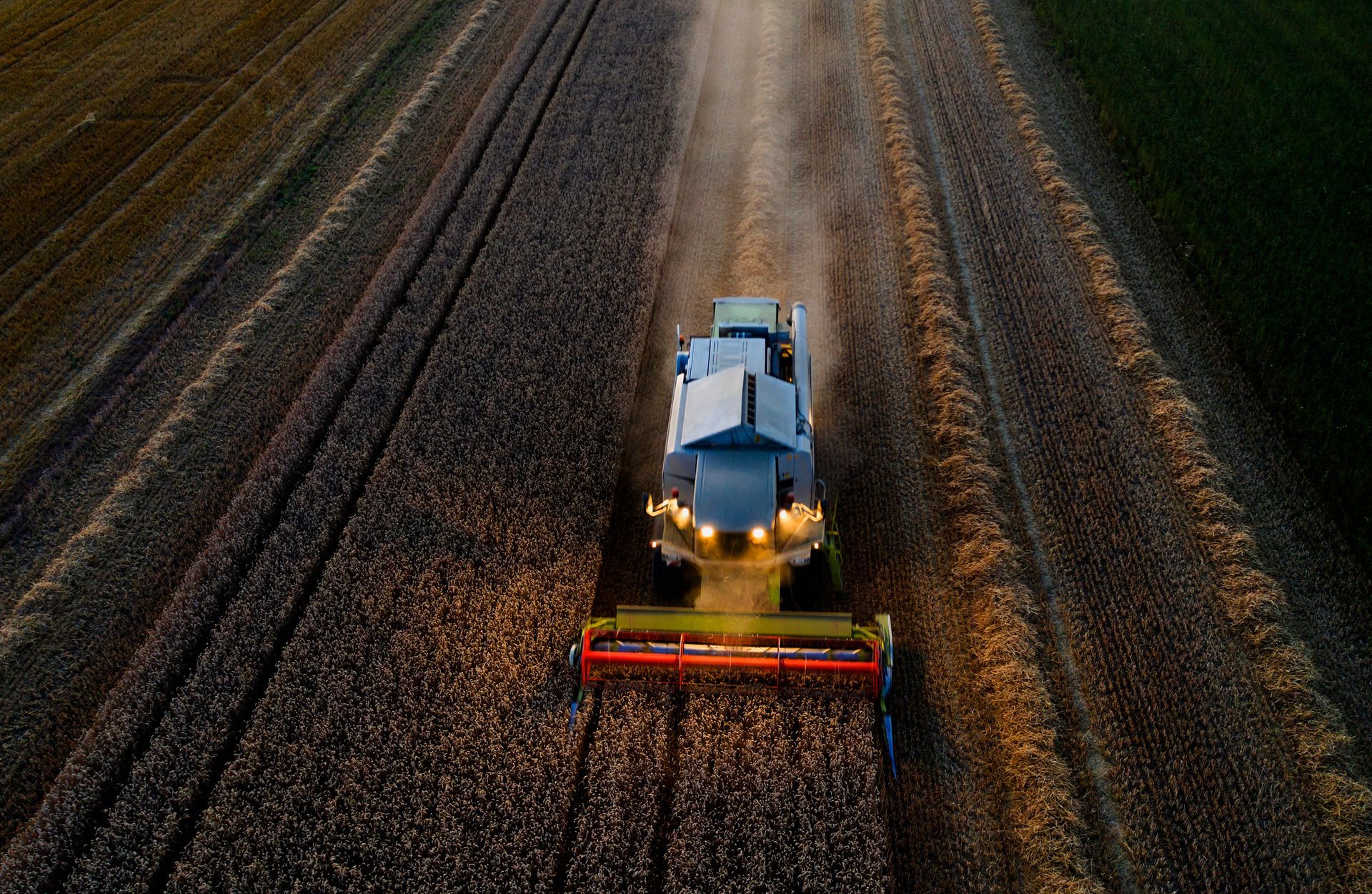
High-precision GNSS has typically been too costly and complex for all but the most critical agricultural operations, but recent RTK GNSS innovations have made centimetre accuracy scalable to all applications in Ag-Tech.

Every Aussie farmer knows that the difference between a “good” crop and a “record-breaking” one often come down to the smallest details. At BioFlora, we’ve spent years perfecting the balance of plant nutrition, and the result is IsoGreen – our powerhouse liquid formula designed to push your yields and crop taste to their absolute peak.
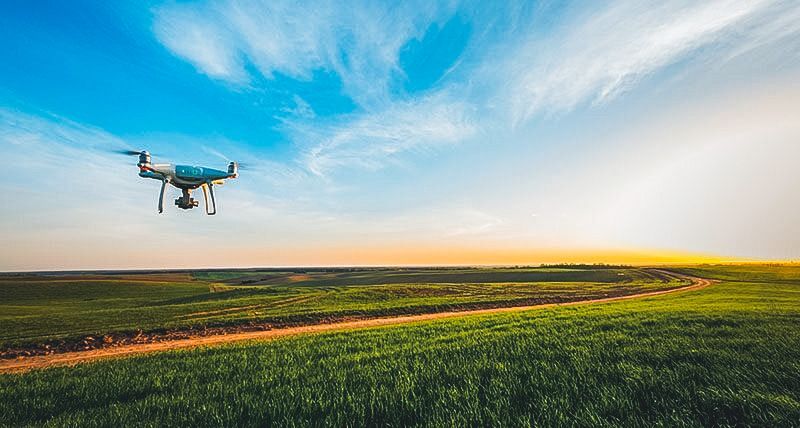
Plant, spray and harvest with confidence using reliable centimetre level positioning. Hexagon SmartNet provides fast, accurate RTK corrections across Australia to reduce overlaps, lower input costs and maximise productivity. With no base station required, simply connect, get a fix and get to work.

Built for the demand of Aussie farmers. Designed for every day performance.
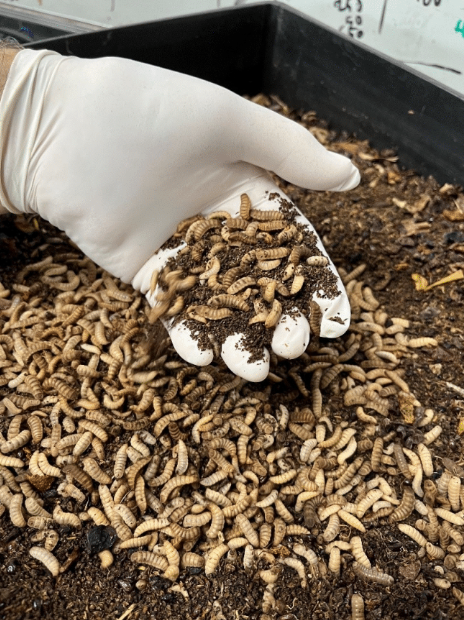
They’re wriggly black grubs more commonly tossed to backyard hens than served at the dinner table, but black soldier fly larvae could soon play a key role in building a more sustainable food system, according to new research from Adelaide University.