


























































1MG FlippingBooks
Smarter landforming for tighter times
Adding hectares isn’t the only business growth strategy for farmers. Smarter landforming can recover margin, improve efficiency, and deliver quicker returns — whether automation is on your agenda or not.
Buying more land used to be the default growth model.
If a paddock underperformed, expansion was often the answer.
But with land values high, capital tighter, and machinery costs climbing, simply adding hectares no longer guarantees better returns. Expansion brings longer payback periods, and greater pressure on machinery and labour utilisation.
Increasingly, growers are looking for growth within their existing boundaries.
Charles Reynolds, General Manager of landforming software specialist T3RRA, says the smarter play for many growers is unlocking more value from the country they already own.
“You’ve already made the big investment—the land and the machinery,” he says. “If parts of a paddock are underperforming because of terrain variability or drainage issues, that’s margin you’re losing every season.”
Rather than expanding sideways, Charles says farmers are looking downward — refining contours, improving surface consistency, and optimising water movement.
When terrain is optimised, the impact extends beyond drainage. Surface consistency improves trafficability. Machinery runs smoother and more efficiently. Operators maintain speed and accuracy. Inputs such as fertiliser and seed perform more evenly across the paddock.
The result is improved yield potential, stronger machine efficiency, lower wear, reduced operational stress, and improved timeliness of operations—gains that compound year after year.
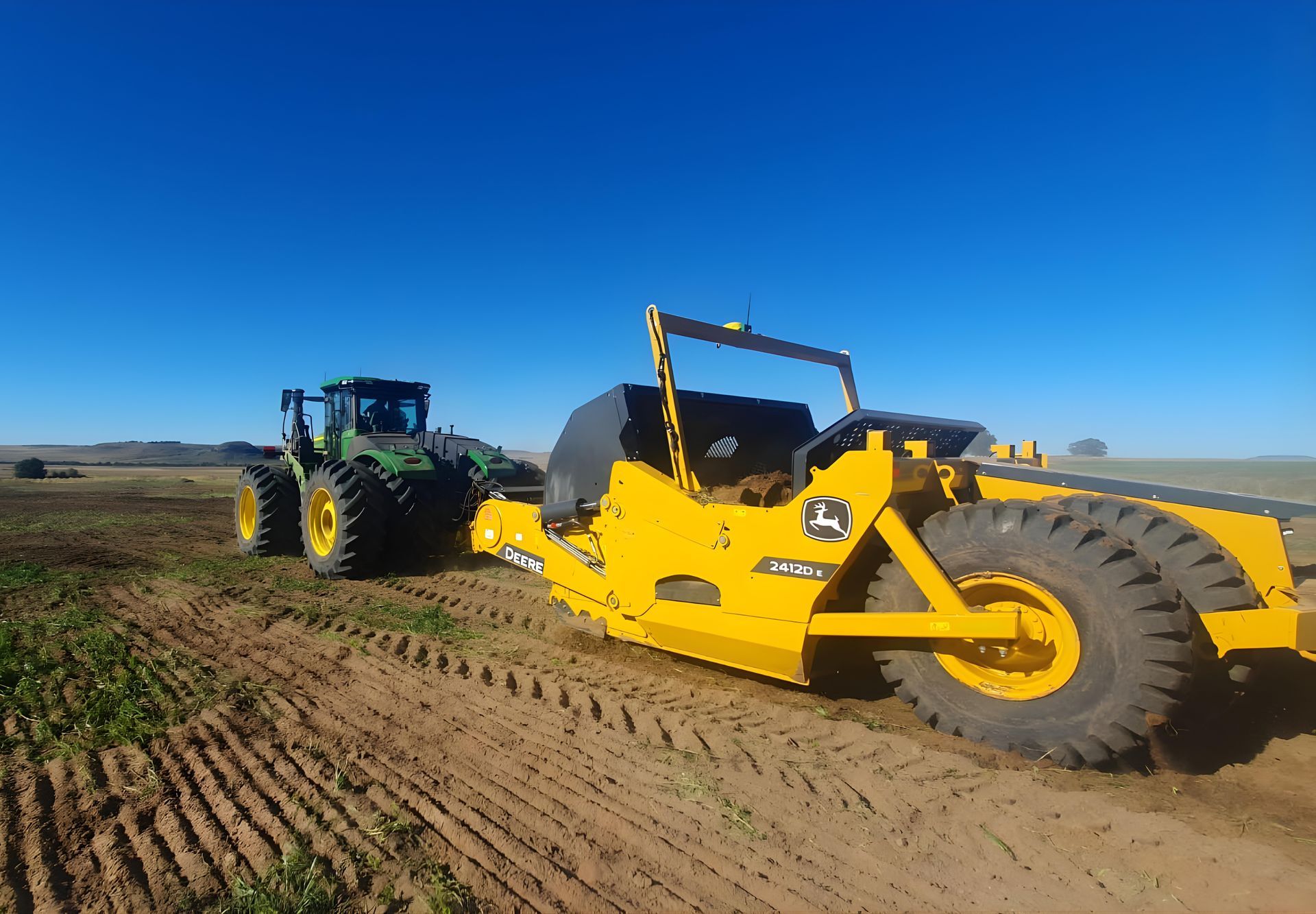
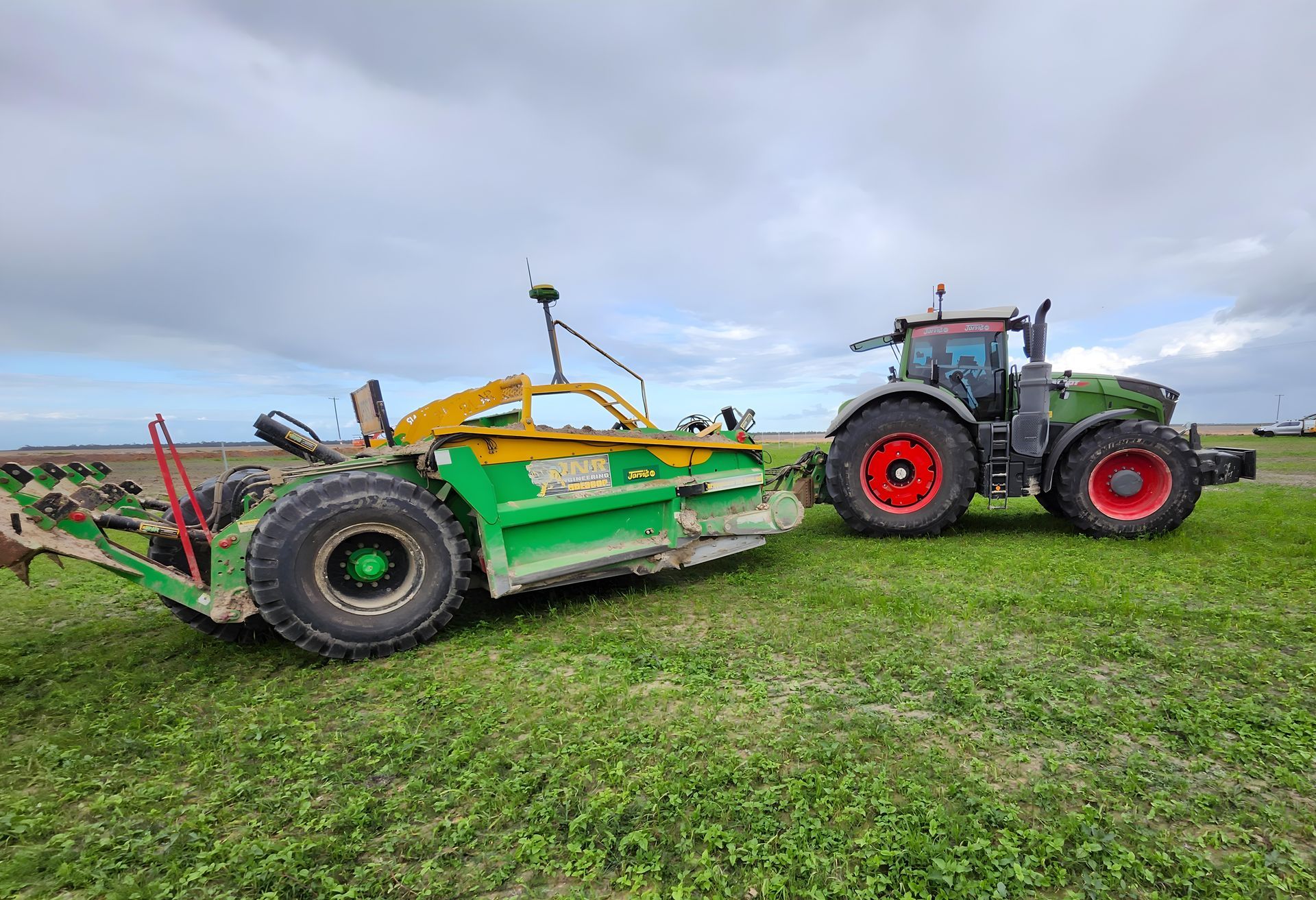
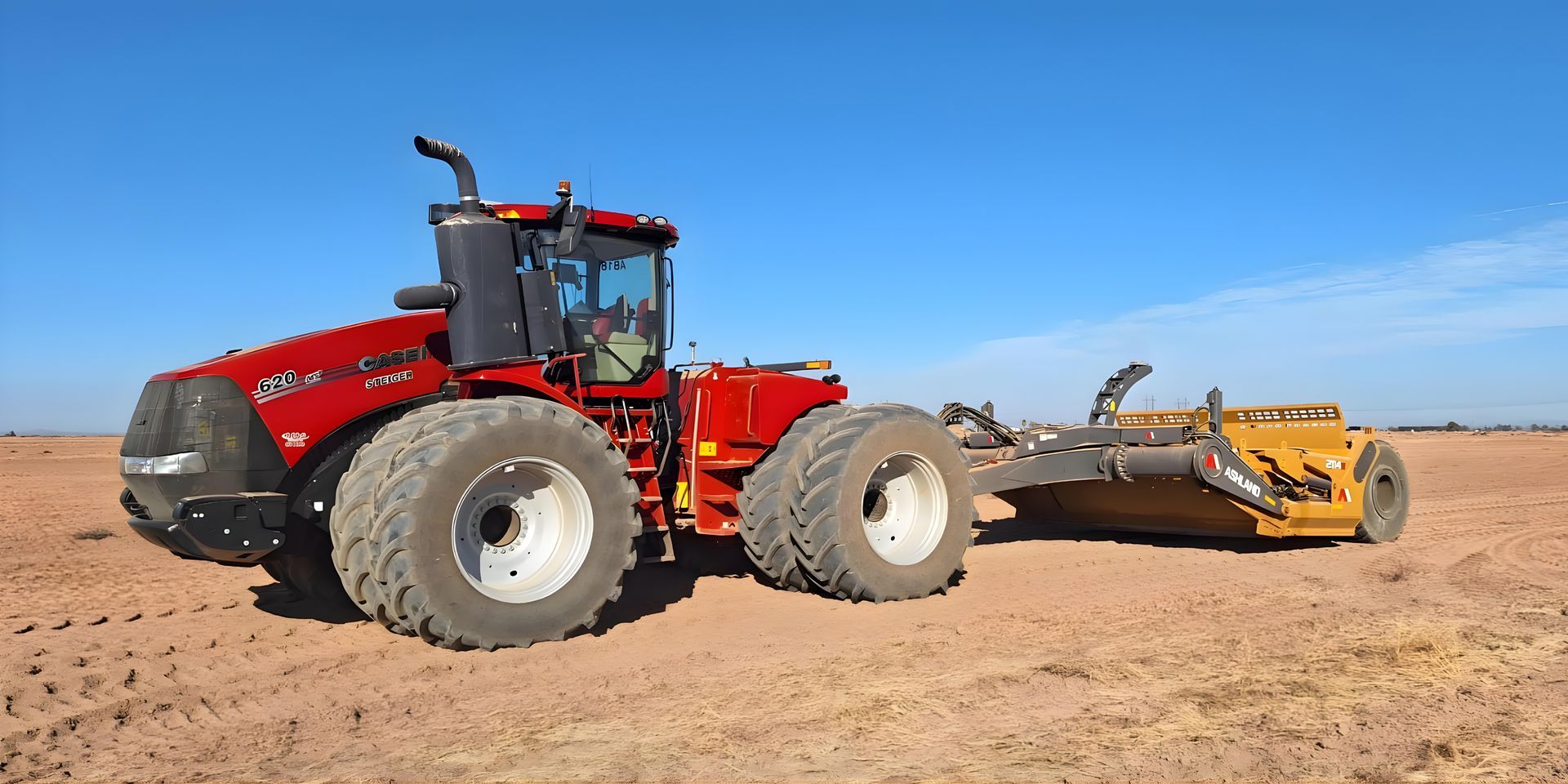
T3RRA has spent more than a decade refining terrain-optimisation systems, supplying growers in over 30 countries.
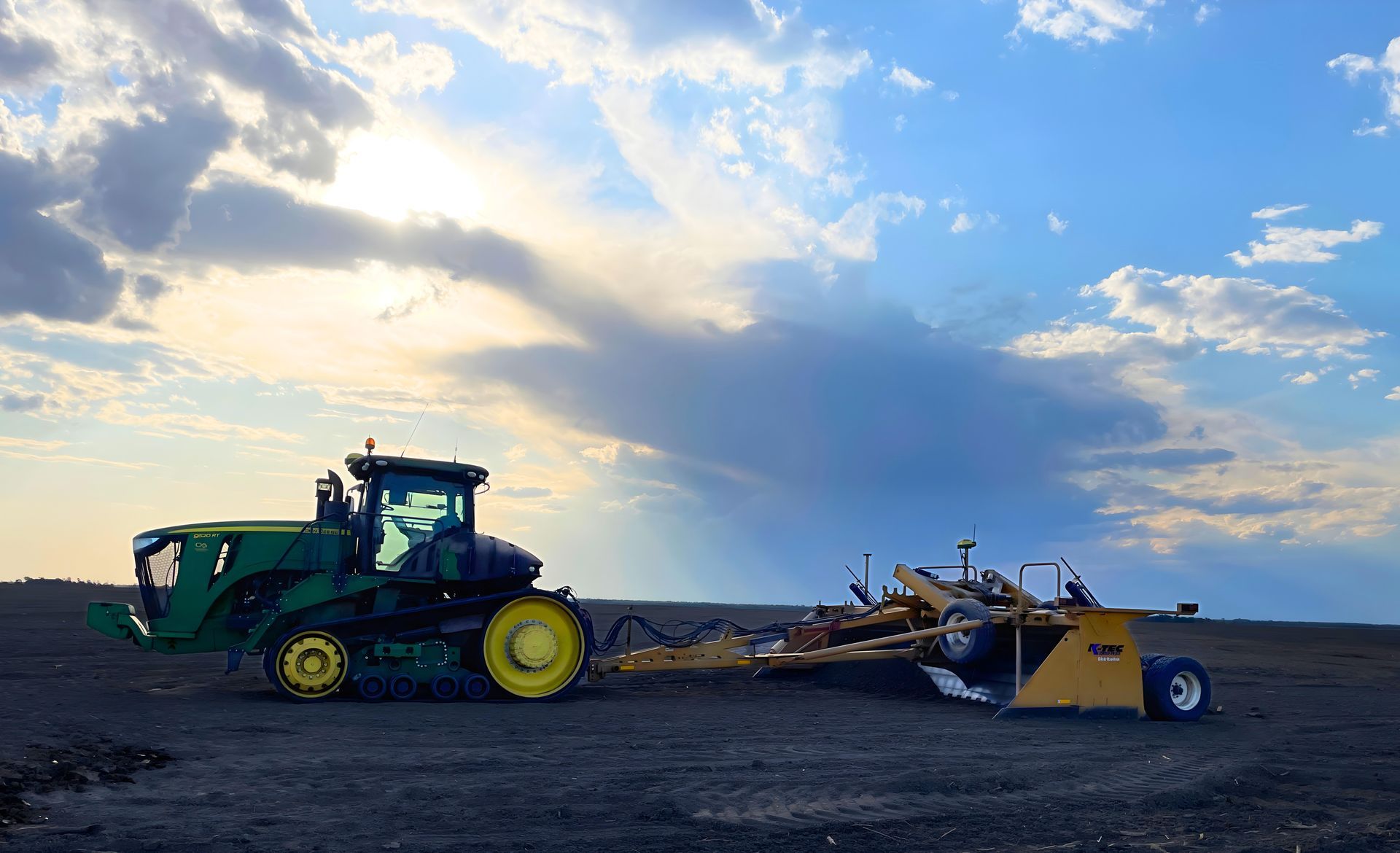
The company’s newest system, Level COMMAND™, is its next-generation automatic grade control platform, now being rolled out more broadly with a bring-your-own-GPS model.
“It’s agnostic, so multi-fleet compatible,” Charles says. “Farmers aren’t locked into one brand. If you’ve already invested in GPS guidance hardware, you can build on that.”
The platform integrates with most major GNSS brands and hydraulic systems, allowing operators to be up and running quickly in the field.
While autonomy continues to attract attention across the sector, Charles is clear that terrain optimisation stands on its own economic merit.
“If autonomy is on your radar, getting the ground right is one of the first steps,” he says. “But even without that, improving terrain consistency makes economic sense straight away.”
“Our goal is to fully automate dirt moving,” Charles says. “Level COMMAND™ is a foundational step toward that. But right now, it’s about making what you already farm perform more consistently.”
If you are planning drainage upgrades, investing in automation, or looking to strengthen long-term farm performance, speak with your local T3RRA-supported dealer or visit t3rra.com.
The future of farming starts from the ground up.
Why Level COMMAND™?
- Agnostic system that works across mixed fleets — build on the GPS and tractors you already own
- Compatible with most major GNSS brands and hydraulic systems
- Up and running quickly with straightforward installation
- Intuitive in-cab interface that keeps jobs simple and clear
- Handles single or tandem scraper setups
- Controls cross slope using a single receiver on the implement
- Supports a wide range of file types and digital designs
- Built-in remote support backed by an experienced dealer network
email: info@t3rra.com
website: https://t3rra.com/
NEWS
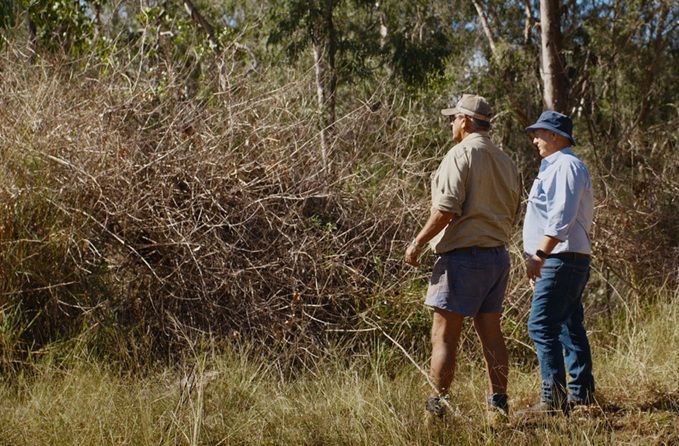
Invasive woody weeds steal your pasture. Method helps you take it back.
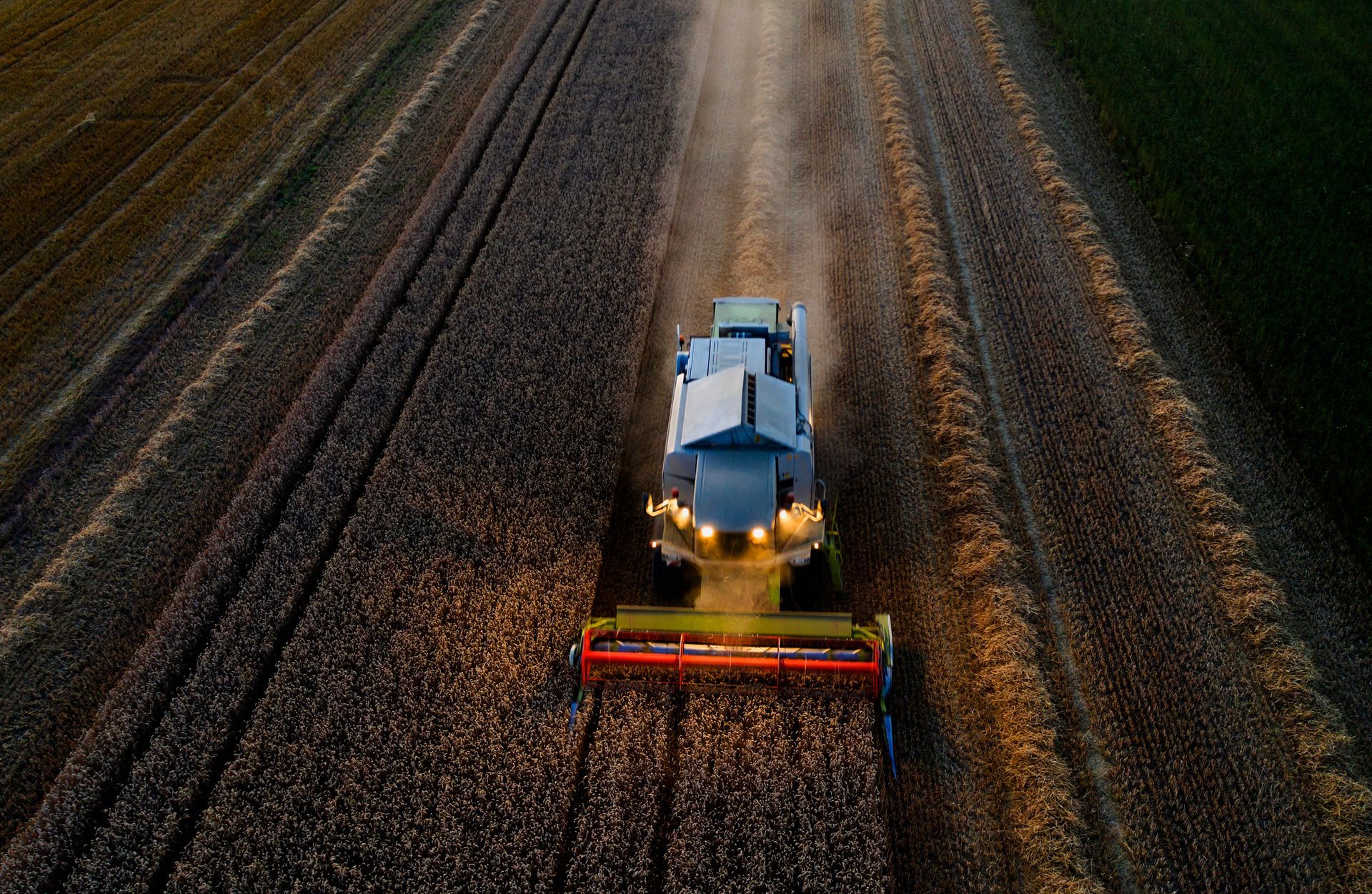
High-precision GNSS has typically been too costly and complex for all but the most critical agricultural operations, but recent RTK GNSS innovations have made centimetre accuracy scalable to all applications in Ag-Tech.
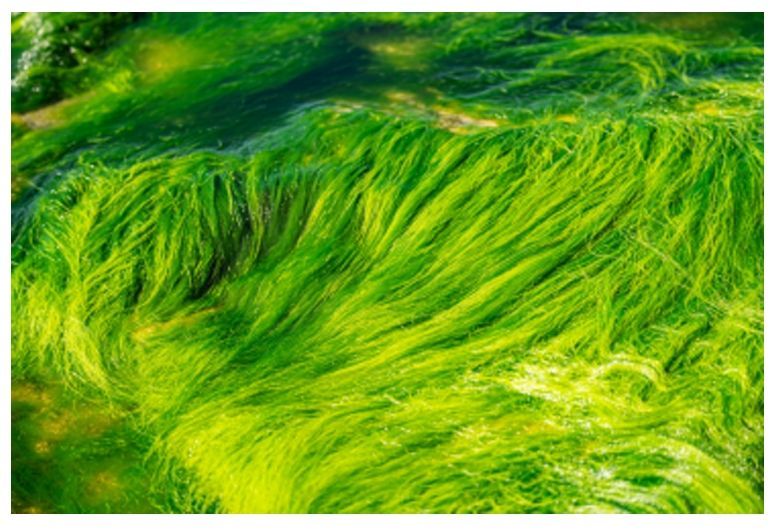
Every Aussie farmer knows that the difference between a “good” crop and a “record-breaking” one often come down to the smallest details. At BioFlora, we’ve spent years perfecting the balance of plant nutrition, and the result is IsoGreen – our powerhouse liquid formula designed to push your yields and crop taste to their absolute peak.

Plant, spray and harvest with confidence using reliable centimetre level positioning. Hexagon SmartNet provides fast, accurate RTK corrections across Australia to reduce overlaps, lower input costs and maximise productivity. With no base station required, simply connect, get a fix and get to work.

Built for the demand of Aussie farmers. Designed for every day performance.
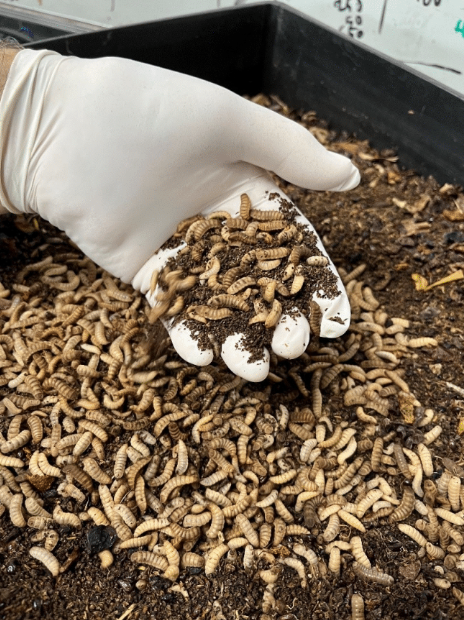
They’re wriggly black grubs more commonly tossed to backyard hens than served at the dinner table, but black soldier fly larvae could soon play a key role in building a more sustainable food system, according to new research from Adelaide University.