















1MG FlippingBooks
Vermicast: Nature’s own fertiliser
Family owned company Australian Farm and Fencing, located in Wagga Wagga NSW, is on a mission to help more and more Australian farmers recognise what is widely considered the world's best soil restorative or premium organic fertiliser: vermicast.

With the introduction of a pelletised vermicast back in 2018, that can be sowed-down using conventional equipment, Australian Farm and Fencing has seen the farming community adopt the use of thousands of tonnes of its pelletised fertiliser product.
Initially, farmers were sceptical that the company’s products could provide similar yields to traditional use of synthetic fertilisers but the use over time has proved otherwise, even in dry years. Like most things, innovation catches up and transforms great products into even better more user-friendly products.
A team of ag-tech innovators set out to transform raw vermicast into a high-performance, granulated product that could be seamlessly used in existing fertilising systems traditionally used with Monoammonium Phosphate (MAP) and other synthetic fertilisers.
The result? A granulated vermicast product that looked, sowed and spread just like MAP—but worked with the soil, not against it.

So, what is vermicast?
Vermicast, also known as worm castings, is the nutrient-rich end-product of organic matter breakdown by earthworms, containing reduced contaminants and higher nutrient saturation than the original feedstock. It serves as a potent organic fertiliser and soil conditioner that delivers highly bioavailable nutrients, enhances soil biology with beneficial microbes, and improves water retention and soil structure.
Key characteristics and benefits include:
- Nutrient Profile: It contains water-soluble nutrients, humic substances, and plant growth regulators that are readily absorbed by plants, often outperforming commercial fertilisers in yield and plant health.
- Microbial Diversity: The process of digestion through the worm's gut creates a large microbial community of bacteria and fungi that suppress diseases and support plant immunity.
- Soil Improvement: Vermicast lowers the Carbon-to-Nitrogen (C:N) ratio, stabilizes organic matter, and acts as a natural soil builder that can hold 2-3 times its weight in water.
Compared to synthetic fertilisers like MAP and Urea, vermicast provides nutrients in a fundamentally different, slower-release form and focuses on long-term soil health rather than an immediate nutrient boost.
- Nutrient Release and Efficiency: Urea and MAP release their nutrients (especially nitrogen and phosphorus) rapidly, which can lead to leaching, volatilization (loss to the air), and inefficient uptake by plants. Studies show only 20-25% of applied urea nitrogen may be available to plants. Vermicast releases nutrients slowly and steadily over months, drastically reducing waste and pollution.
- Nutrient Form and Availability: While MAP and Urea provide high concentrations of immediately available N, P, and K, vermicast offers a broad spectrum of nutrients (macro and micro) in a highly bioavailable, water-soluble form due to the worms' digestive process. It also contains plant growth hormones and enzymes that synthetic fertilisers lack.
- Soil Health: This is the key difference. Urea and MAP do nothing to improve soil structure or biology and can degrade soil health over time. Vermicast is a powerful soil conditioner that dramatically improves water retention, aeration, and, most importantly, introduces a vast population of beneficial microbes that enhance nutrient cycling and plant disease resistance.
- Synergy: Research shows the best results often come from combining them. Using vermicast with a reduced amount of urea or MAP creates a synergistic effect: the synthetic fertiliser provides an immediate nutrient kick, while the vermicast stabilizes the nutrients, improves root development, and ensures sustained release, leading to higher yields and better plant health than either used alone.
In short, vermicast is not a direct, high-volume replacement for MAP or Urea, but a superior long-term investment in soil fertility and plant resilience.
While vermicast is an excellent soil conditioner and source of slowly released, bioavailable nutrients, it does not contain the high concentration of nitrogen (N) that urea provides. Urea is a concentrated nitrogen source (46-0-0 NPK), whereas vermicast has a much lower and more balanced nutrient profile (often around 1-0.5-0.5 NPK).
Vermicast's primary value lies in improving soil health, structure, and microbial life, which enhances the plant's ability to absorb all nutrients, including those from other sources. For high-yield crop production, especially for nitrogen-demanding plants, relying solely on vermicast would likely result in nitrogen deficiency. The most effective approach is to use vermicast in combination with urea or other fertilisers, allowing the vermicast to stabilize the nitrogen, reduce leaching, and improve overall plant health and resilience.
To supplement vermicast with higher NPK, especially nitrogen, consider this non-synthetic fertiliser:
- Seabird Guano: Offers high nitrogen and phosphorus (e.g., Seabird Guano ~10-10-0), providing a powerful, fast-acting organic boost.
Seabird Guano can be blended with vermicast to create a potent, natural fertiliser that delivers both immediate and long-term nutrients while improving soil health.
Company website: www.farmandfencing.com.au
Company email address: admin@farmandfencing.com.au
Vermicast Boosts Yields and Grazing
Doug and Michelle Brunskill have been using vermicast pellet fertiliser on their Wagga Wagga, NSW, farm since 2018. They had particularly impressive results during the drought years of 2018-19 by sowing the pellets with Moby forage barley that was grazed and cut for silage. In 2020, they used vermicast pellets across 700 ha sown in March at 50 kilograms/ha with their Graza 50 Oats, Moby barley and Grazing Canola 970. The Canola was grazed heavily with ewes and lambs for three months solid from June and still yielded 2.2t/ha when harvested. This produced a gross margin return of more than $1250/ha, plus the grazing. “It was the first time we had tried the Grazing Canola 970 and its growth and feed value for the sheep were awesome,” says Michele. “To graze the crop solid for three months and still get that yield is an absolute game changer. “We have pre-ordered another 40 tonnes of pellets for the coming season”.


NEWS
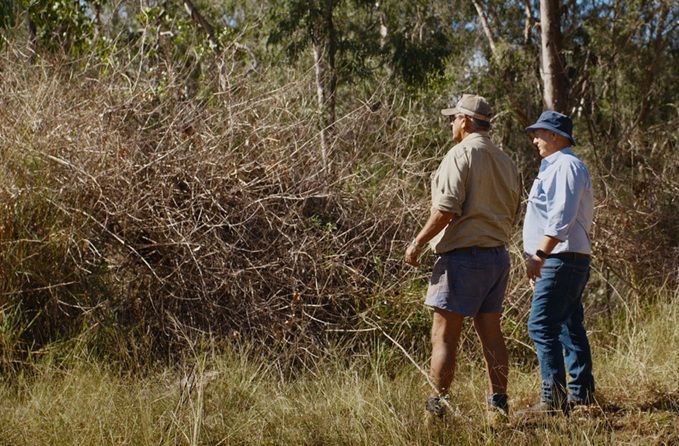
Invasive woody weeds steal your pasture. Method helps you take it back.
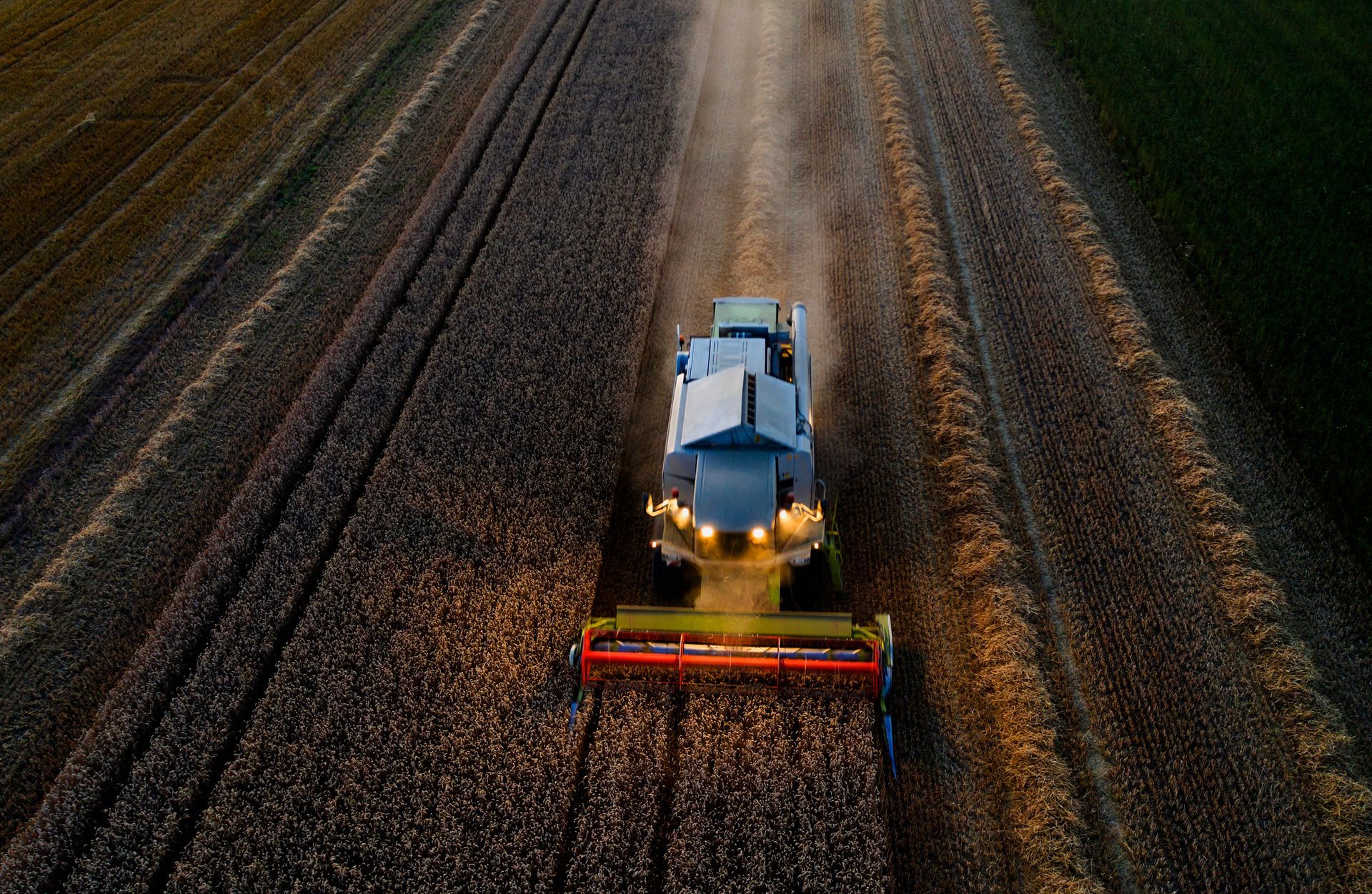
High-precision GNSS has typically been too costly and complex for all but the most critical agricultural operations, but recent RTK GNSS innovations have made centimetre accuracy scalable to all applications in Ag-Tech.
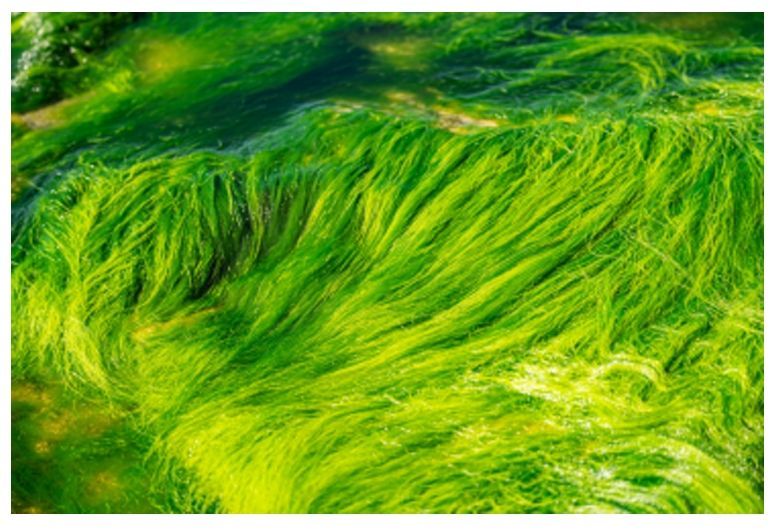
Every Aussie farmer knows that the difference between a “good” crop and a “record-breaking” one often come down to the smallest details. At BioFlora, we’ve spent years perfecting the balance of plant nutrition, and the result is IsoGreen – our powerhouse liquid formula designed to push your yields and crop taste to their absolute peak.

Plant, spray and harvest with confidence using reliable centimetre level positioning. Hexagon SmartNet provides fast, accurate RTK corrections across Australia to reduce overlaps, lower input costs and maximise productivity. With no base station required, simply connect, get a fix and get to work.

Built for the demand of Aussie farmers. Designed for every day performance.
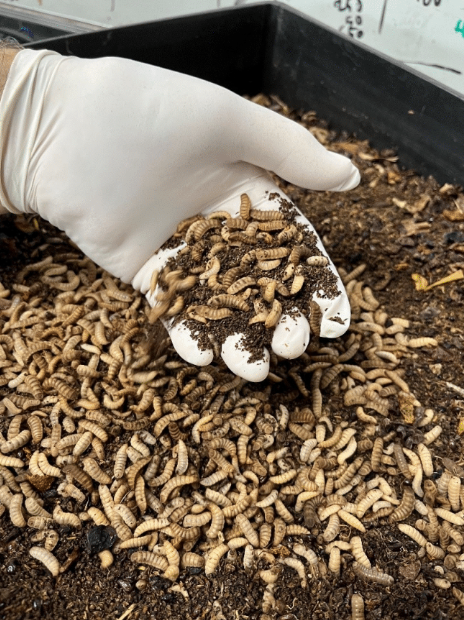
They’re wriggly black grubs more commonly tossed to backyard hens than served at the dinner table, but black soldier fly larvae could soon play a key role in building a more sustainable food system, according to new research from Adelaide University.