





















































1MG FlippingBooks
Technology
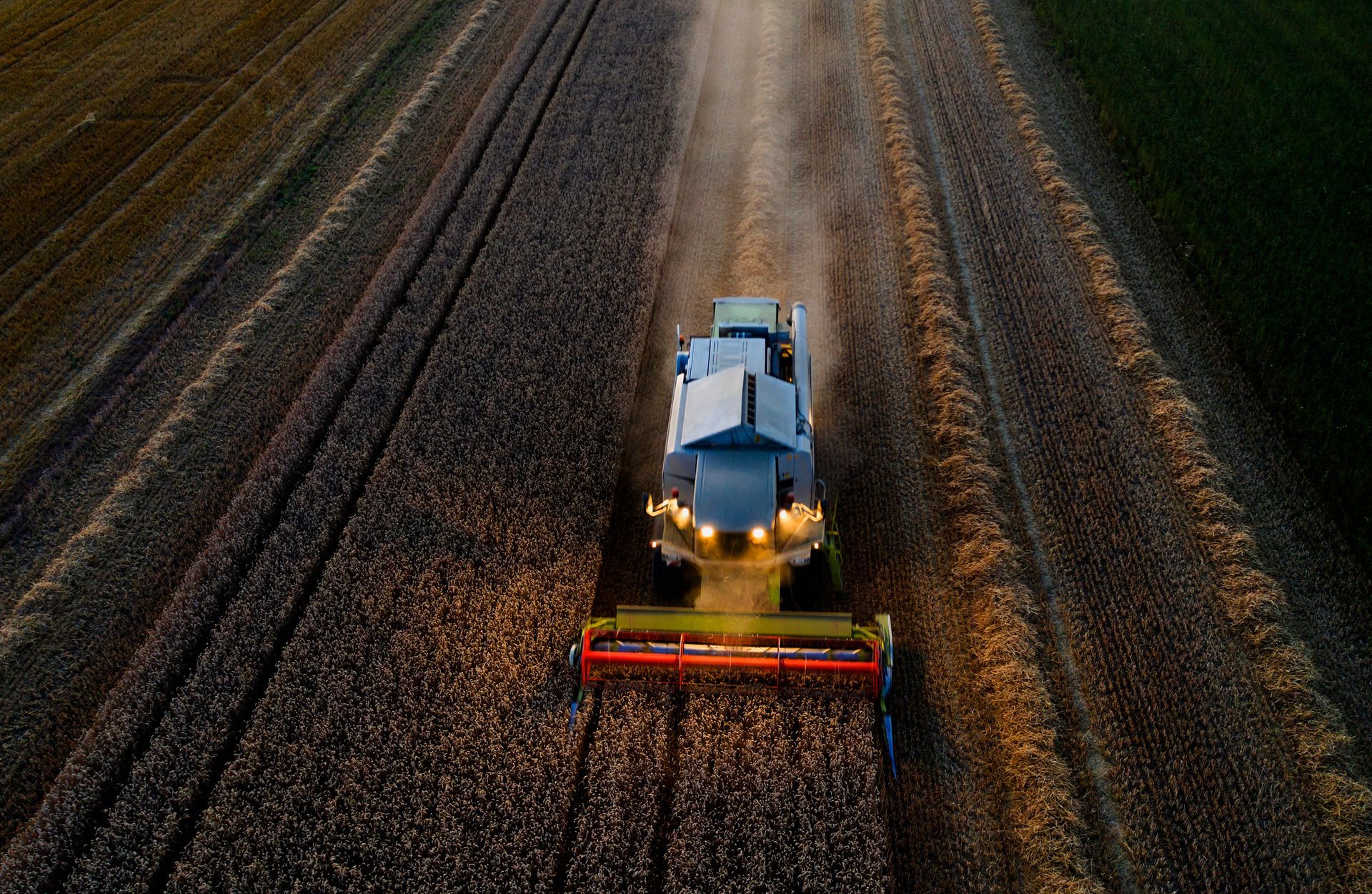
High-precision GNSS has typically been too costly and complex for all but the most critical agricultural operations, but recent RTK GNSS innovations have made centimetre accuracy scalable to all applications in Ag-Tech.
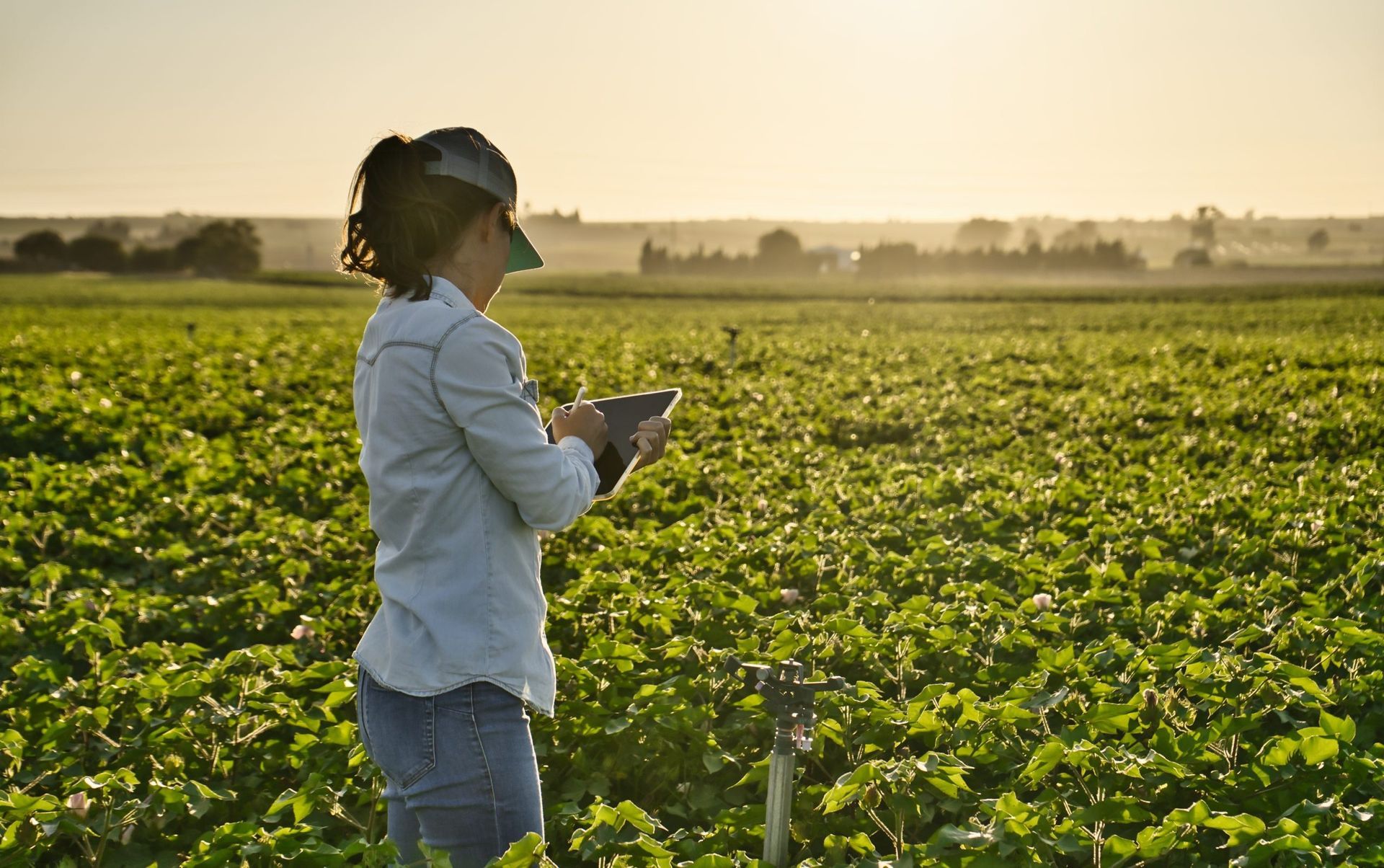
Australian farmers are leading the charge to adopt new innovations in precision farming to optimise yields, maximise resources, and minimise costs. Democratised access to accurate positioning, sensor technologies, and other components is transforming approaches and strategies. Farmers can now adopt sophisticated technologies without having to master them and this is driving agricultural innovation.
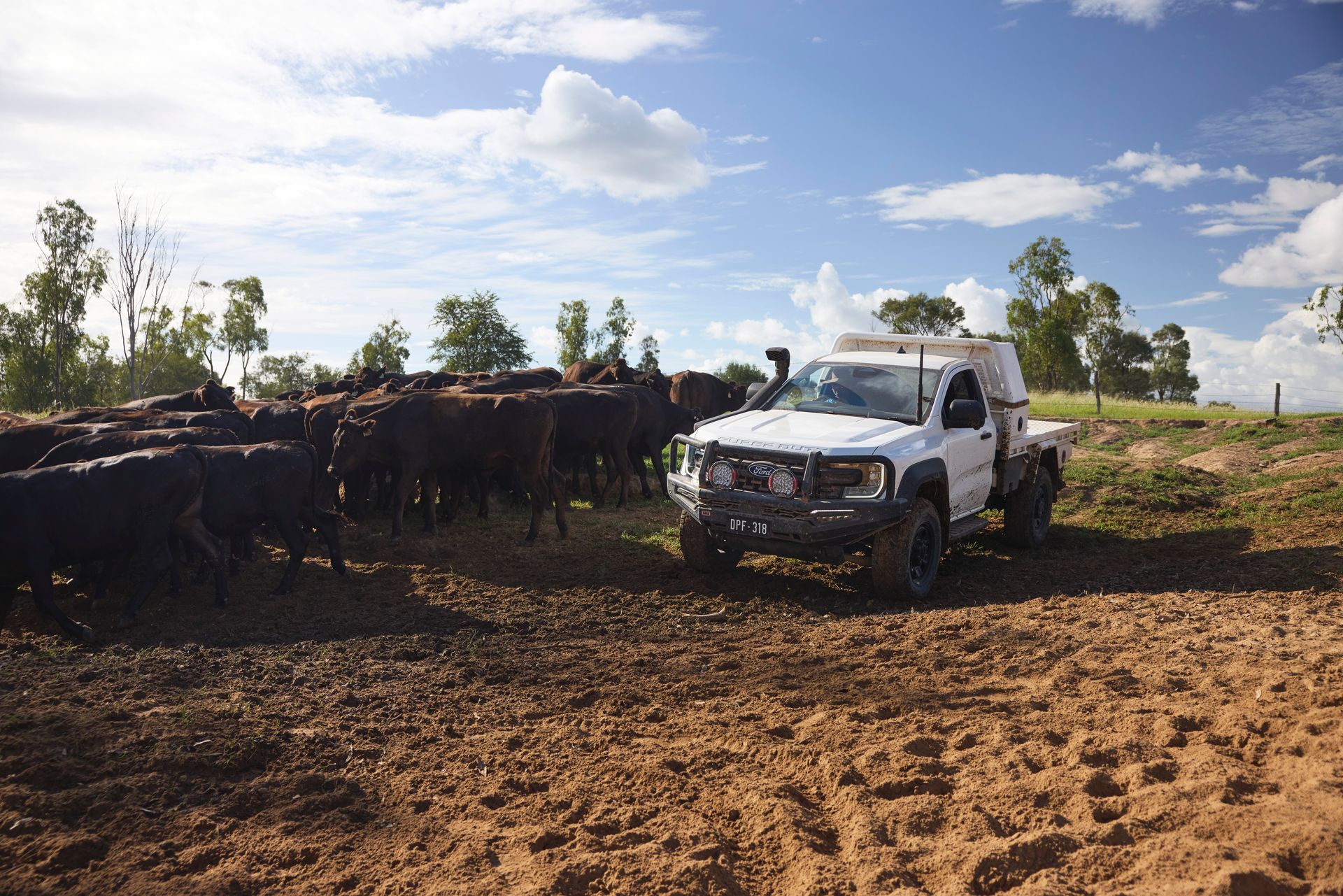
After four years of customer research and 500,000 test kilometres, Ford says the Ranger Super Duty brings farmer-driven customisation into the factory, with more towing, payload, and durability built in.

The Coggan family shares their experience about a practical path to smarter farming in Queensland’s Western Downs.
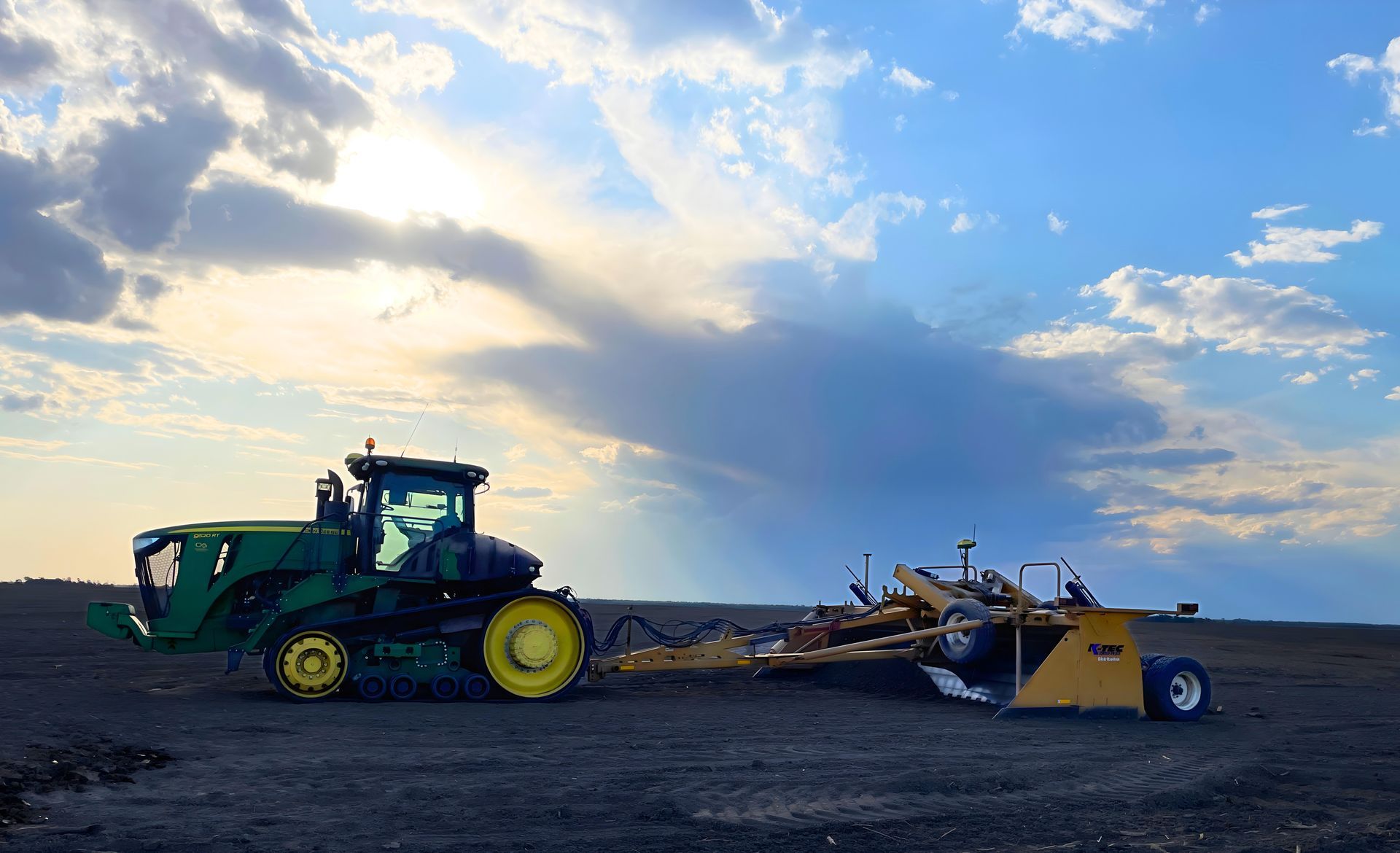
Adding hectares isn’t the only business growth strategy for farmers. Smarter landforming can recover margin, improve efficiency, and deliver quicker returns — whether automation is on your agenda or not.
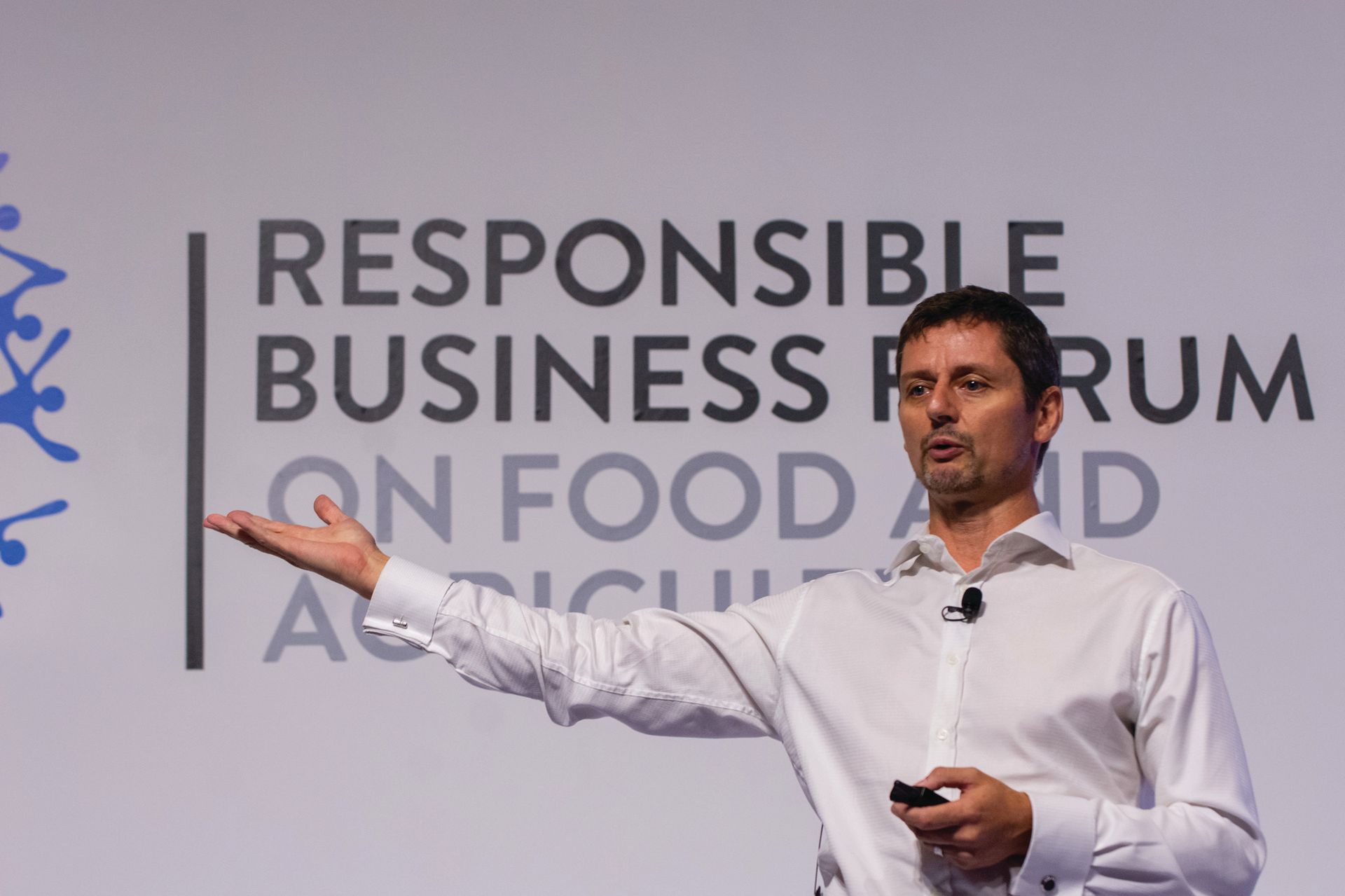
Australia produces enough food for millions, yet many households face food insecurity. Achieving true food security requires equitable access, innovative technology, and a national framework for resilience.
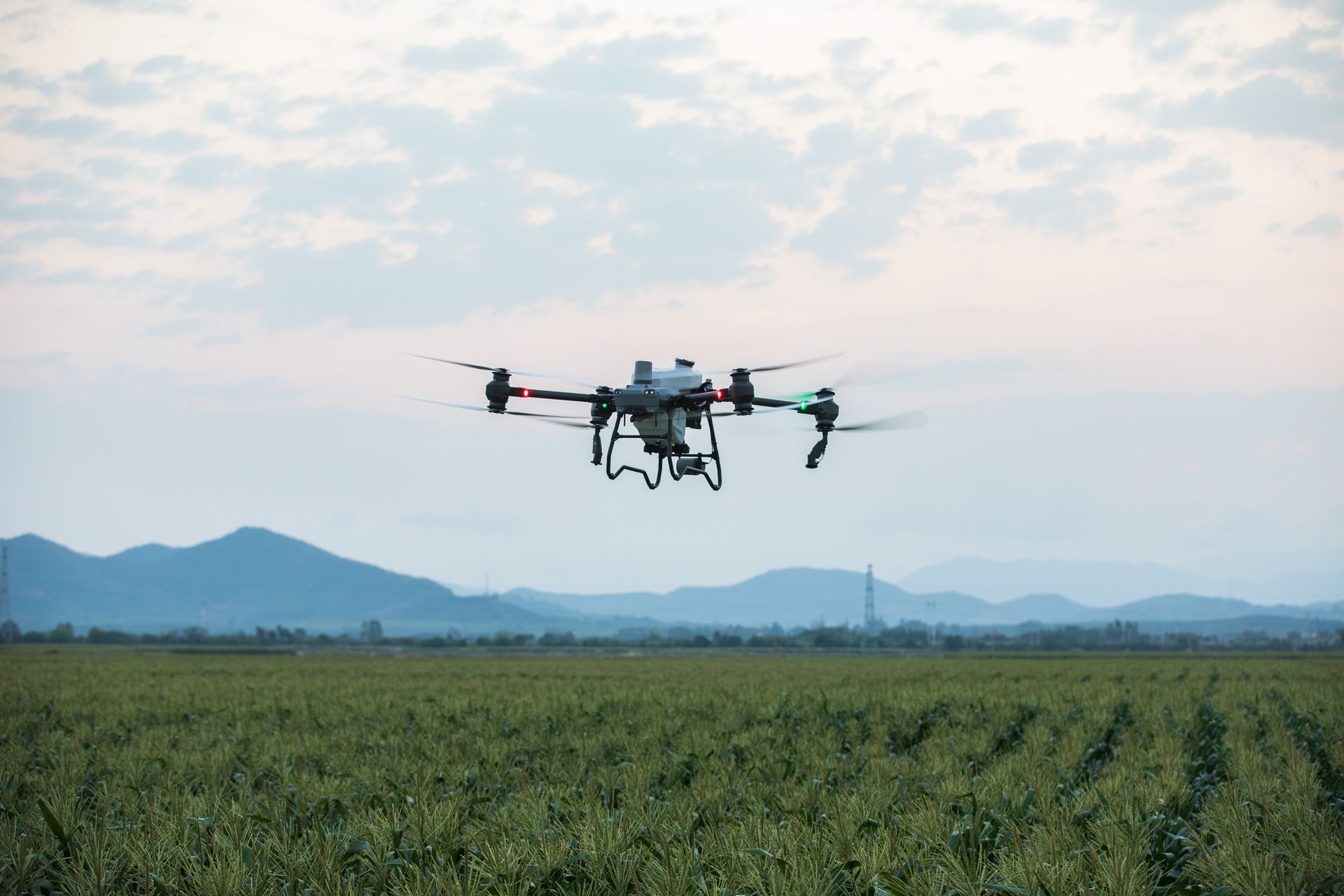
Barko Security is bringing drone technology to agriculture while building on a decade of security and a lifetime of agricultural know-how.
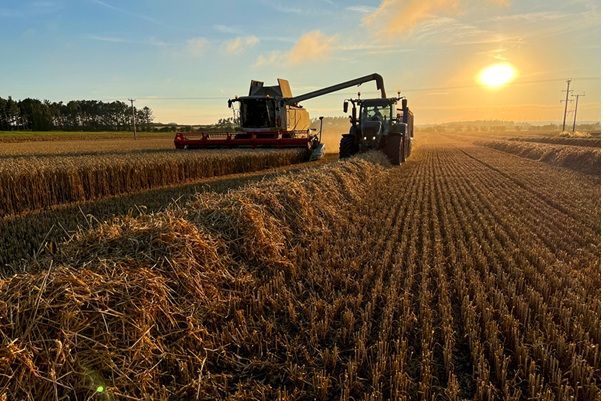
High-precision GNSS was too costly and complex but RTK GNSS innovations have made centimetre accuracy sustainable in Ag-Tech.

Nature is still too complex for artificial intelligence (AI) modelling to be effective, but the tipping point is close, according to a new study that found the technology may still trip at the last real-world hurdle.