Shaun Westcott originally from South Africa, Shaun has lived and worked in several countries around the world and across a in a wide range of industries. Shaun holds an MBA from the University of South Africa and is a graduate and member of the Australian Institute of Company Directors. He is also the Deputy Chairman of the Federal Chamber of Automotive Industries in Australia.
Australian farmers are key to the energy transition
Shaun Westcott
Australia’s, and indeed the world’s, current focus on the energy transition is essential, as climate change remains one of our greatest challenges. The future will undoubtedly feature mostly autonomous, battery-powered vehicles. But as science fiction author William Gibson famously said, “The Future Has Arrived — It’s Just Not Evenly Distributed Yet.”
Growing up on a farm in South Africa, I dreamed of future technologies while driving anything with a steering wheel and a gearbox from a young age. Fast forward to 2024, and amidst all the buzz around futuristic self-driving cars, Australian farmers have quietly been using autonomous technology for years. Autonomous tractors, for example, are highly effective at mapping farms and avoiding fences and trees while navigating fields.
The advantage of farm machinery is that it operates in a controlled environment. For passenger vehicles, the challenge is greater. While many modern cars are already capable of some elements of “self-driving” such as Forward Collision Mitigation and other Advanced Driver Assistance Systems, legislation and the complexity of public roads hold back this potential. Cars do not yet communicate with each other or with infrastructure like traffic lights, making autonomous driving on public roads still considered a high-risk proposition. For this technology to be adopted more broadly, governments globally need to invest in smart infrastructure that can support the algorithms and data demands of a fully connected road system.
On the electric vehicle front, the future is closer but still not fully within reach, especially for farmers. Battery Electric Vehicles (BEVs) have yet to provide practical solutions for rural Australia. While there are a few electric utes on the market, their high cost and limited range — especially when towing — make them impractical. One electric ute boasts a range of 410 kilometres, but when towing a 3,200 kilograms trailer, that plummets to just 140 kilometres. And it costs well north of $100,000 – that’s not middle Australia. Until there’s a major breakthrough in battery technology, internal combustion utes and hybrids will remain the most viable option for farmers and tradies.
An exciting technology currently available in the SUV range and soon making its way into utes is Plug-In Hybrid (PHEV) technology. PHEVs offer a hybrid solution — an electric battery for short trips and an onboard generator for longer journeys, like camping adventures, family holidays interstate, and trips in rural areas where charging infrastructure is severely lacking. Put bluntly, there are not enough chargers, they are not where they should be, and they are frequently unreliable. Australia only has around 2,000 public EV chargers, mostly concentrated in capital cities, making PHEVs a practical solution with ranges up to 80 kilometres on electric power, plus a petrol engine for backup.
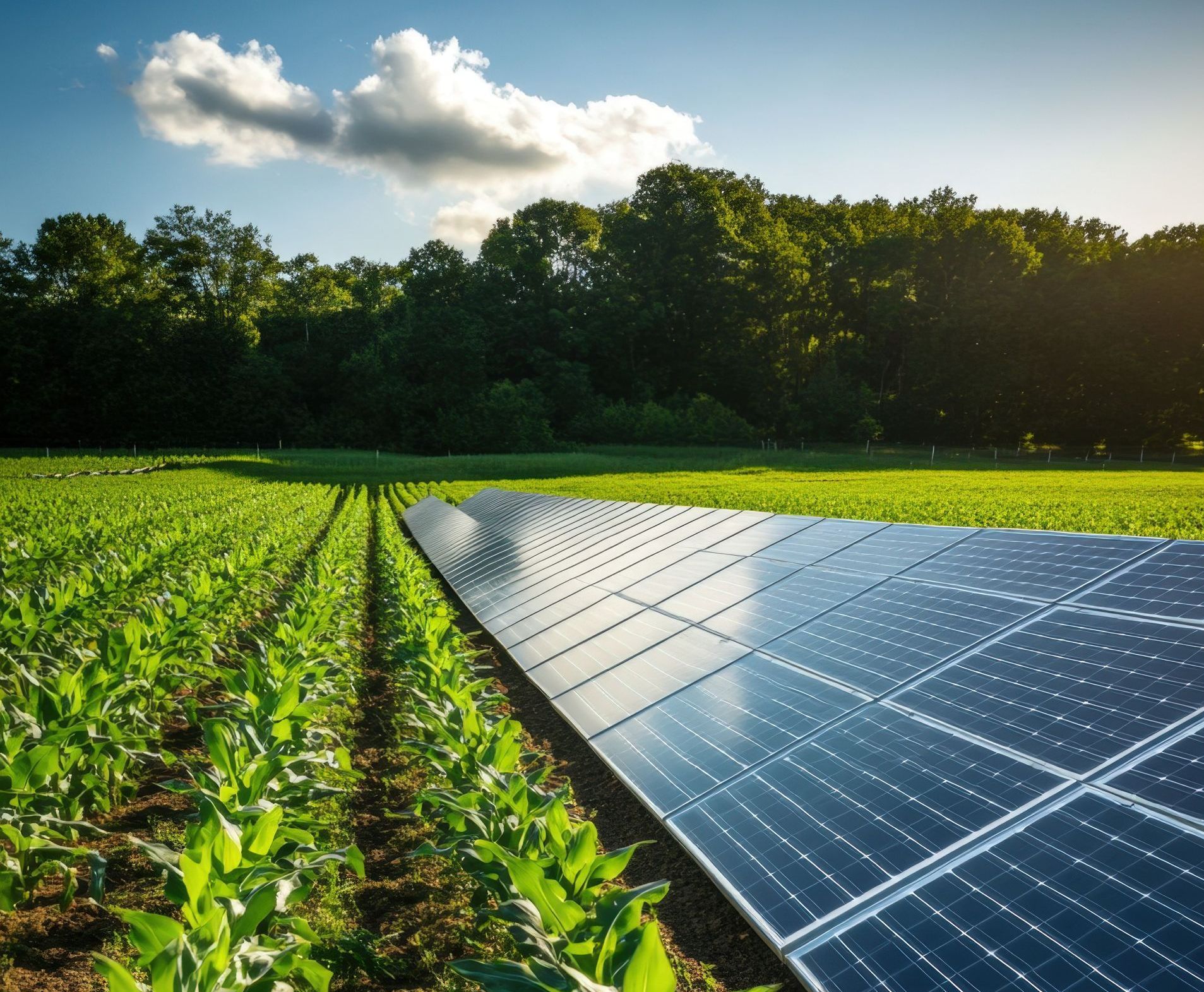
PHEVs also feature bi-directional charging, which unlocks new possibilities for farms. PHEVs can serve as generators, producing electricity by charging the battery with regenerative braking, electricity or fuel — a full tank can recharge the battery up to six times. With bi-directional charging, it's possible to use solar power during the day to charge the vehicle, then use the excess power stored in the battery to electrify the home in the evening. This not only eliminates petrol costs but also reduces home energy bills.
For farmers, integrating automation and renewable technologies can lower costs, boost productivity, and reduce carbon emissions, paving the way for a more sustainable agricultural industry in Australia. The future is already here — it’s just unevenly distributed, and now the government and private sector need to invest in new technologies to support Australian farmers on the road to Net Zero.
Australia has a small taxpayer base, which limits our ability to invest in many new opportunities, so we need to be selective. One opportunity worth considering is Australia’s potential to become a biofuels powerhouse. Farmers around the country can grow crops like sunflowers and canola for biofuel production. And farmers in Queensland, who produce 95% of the country’s sugarcane, can position Australia as a major bioethanol exporter, helping to diversify, and generate new income streams.
Australia stands at a critical juncture. The energy transition provides an opportunity to develop our competitive advantage as a country to decarbonize while remaining prosperous. Farmers can play a crucial role by adopting new technologies that not only reduce emissions but can increase productivity and profitability. The government needs to play its part by adopting a razor-sharp targeted approach in investigating and investing in alternative technologies, such as biofuels. This will empower Australian farmers to continue producing the nation’s food and fibre; simultaneously contribute to achieving climate goals, whilst potentially developing additional value-added revenue and income streams. In this way, the Australian farming community will remain competitive, sustainable, and vital in the global marketplace.

NEWS
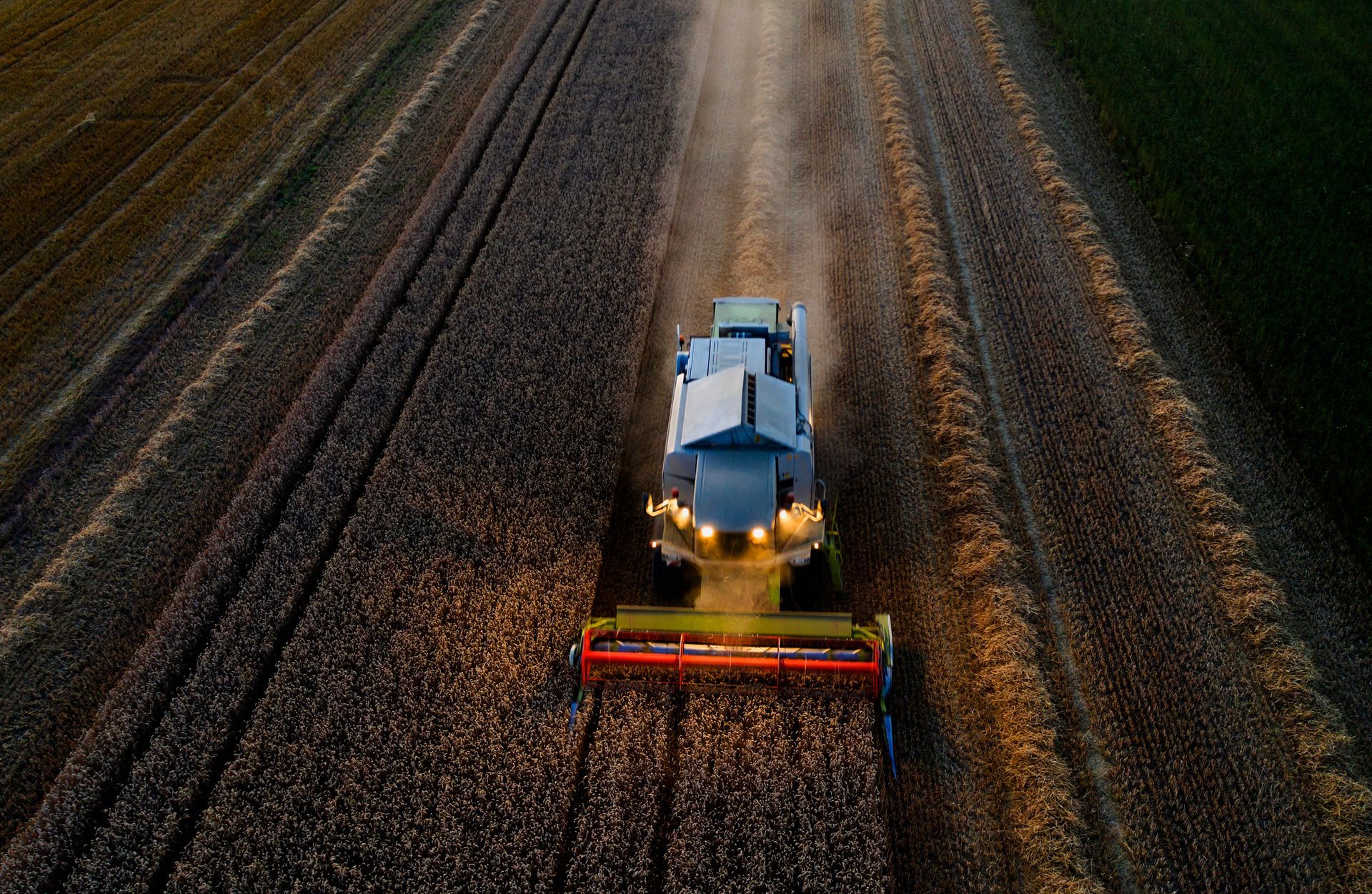
High-precision GNSS has typically been too costly and complex for all but the most critical agricultural operations, but recent RTK GNSS innovations have made centimetre accuracy scalable to all applications in Ag-Tech.

Every Aussie farmer knows that the difference between a “good” crop and a “record-breaking” one often come down to the smallest details. At BioFlora, we’ve spent years perfecting the balance of plant nutrition, and the result is IsoGreen – our powerhouse liquid formula designed to push your yields and crop taste to their absolute peak.
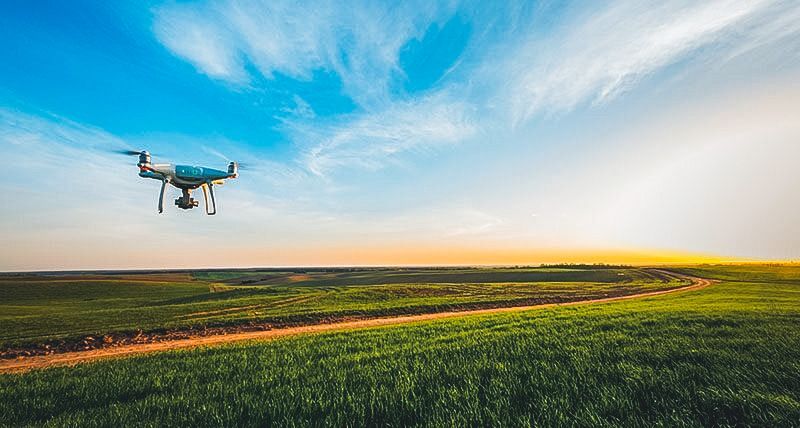
Plant, spray and harvest with confidence using reliable centimetre level positioning. Hexagon SmartNet provides fast, accurate RTK corrections across Australia to reduce overlaps, lower input costs and maximise productivity. With no base station required, simply connect, get a fix and get to work.

Built for the demand of Aussie farmers. Designed for every day performance.
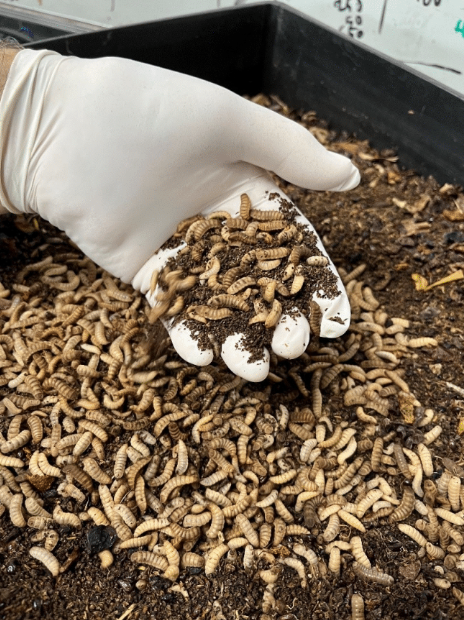
They’re wriggly black grubs more commonly tossed to backyard hens than served at the dinner table, but black soldier fly larvae could soon play a key role in building a more sustainable food system, according to new research from Adelaide University.
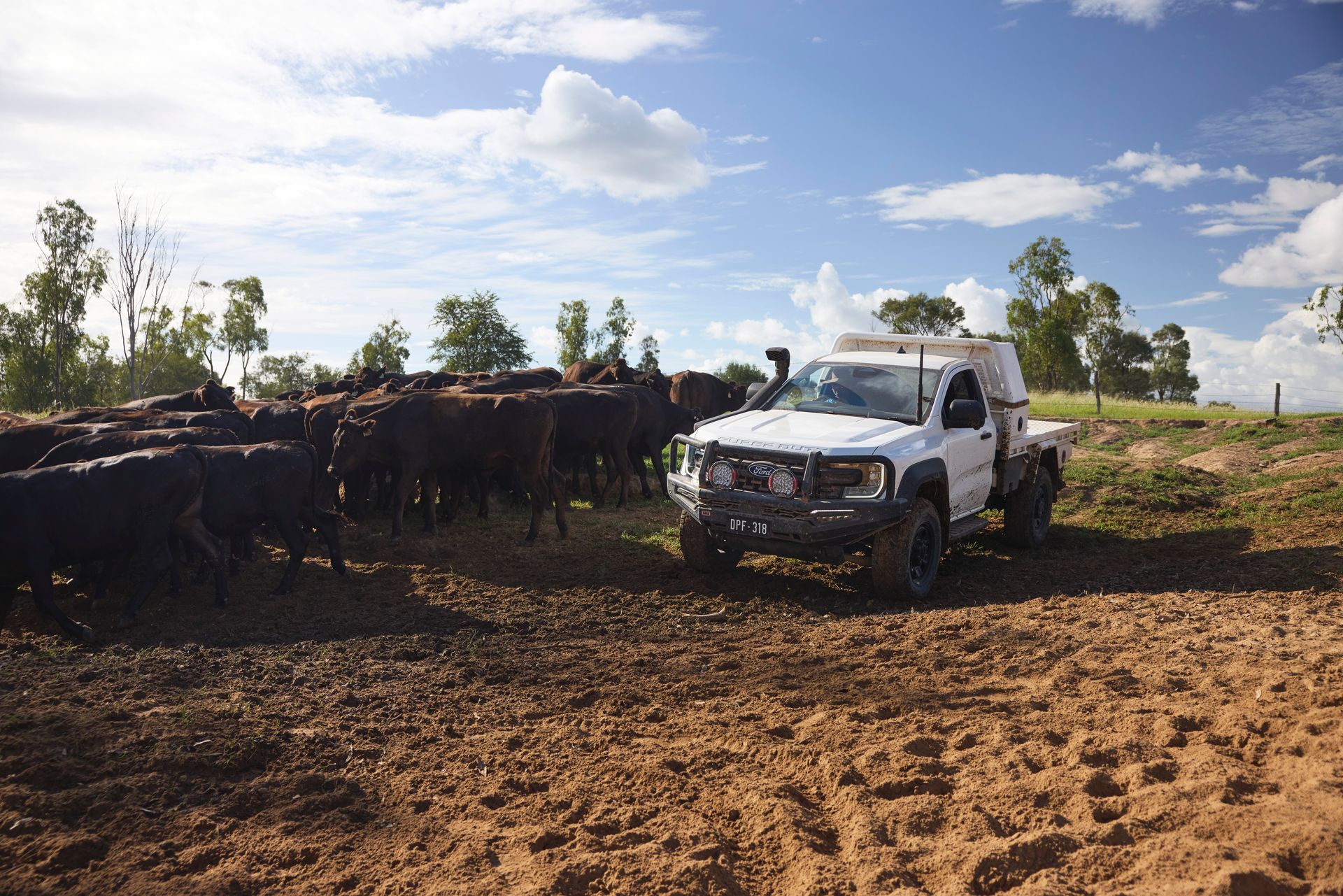
After four years of customer research and 500,000 test kilometres, Ford says the Ranger Super Duty brings farmer-driven customisation into the factory, with more towing, payload, and durability built in.