


























































1MG FlippingBooks
Silver lining for 25 years of Farmers' Markets in Australia
Some milestones are marked with fanfare – others with piles of freshly picked colourful spring produce, protein-packed prime cut lamb, pork and beef; fresh catch seafood; creamy white mould cheese, pasture-reared eggs or pure honey. All that’s fresh and farm direct and destined to mark the 25th Year of Australia’s vibrant farmers’ market sector.
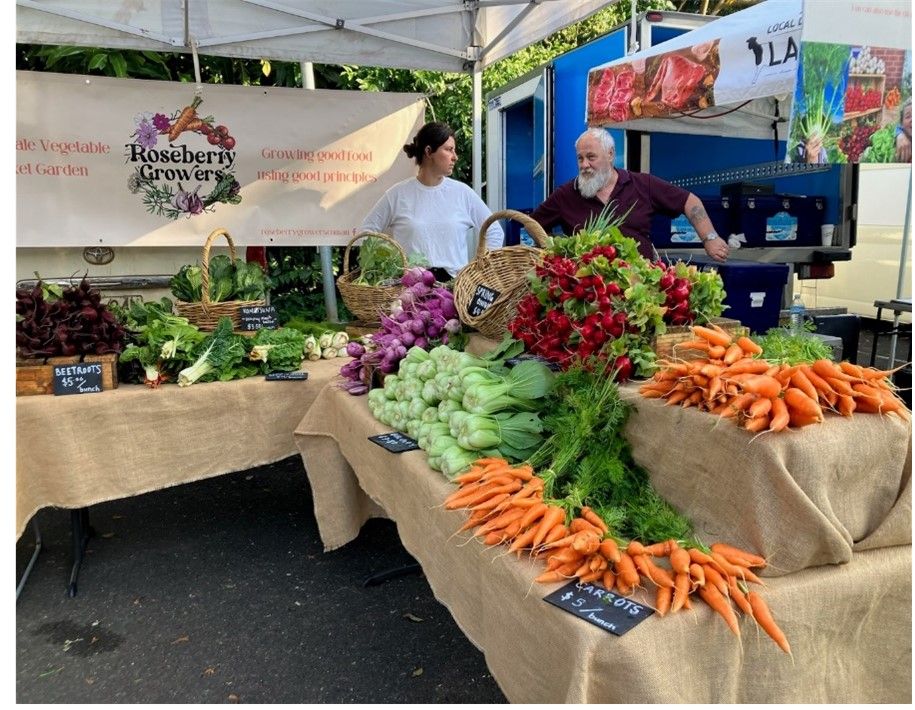
The first farmer’s market commenced in 1999 in the Yarra Valley (VIC) with more germinating to a flush of start-ups in 2002, including Margaret River Farmers’ Market (WA), Willunga Farmers’ Market (SA) and Orange Farmers’ Market (NSW). Now there are around 200 best practice farmers’ markets trading regularly in all states, in showgrounds, carparks, school grounds, churchyards and main street malls – community farm direct produce markets where fresh food takes pride of place.
‘Farmers’ markets have proved to be a remarkably resilient and significant link in the nation’s food supply chain,’ commented Australian Farmers’ Markets Association (AFMA) spokesperson, Jane Adams, who conducted the first community farmers’ market workshop in 1999.
Farmers’ markets operate on a fundamental paddock-to-plate proposition to deliver fresh, seasonal, healthy food with a face directly from farm (or ar1san kitchen) to dinner tables.
At the outset some suggested farmers’ markets would be a fad. In fact, market mornings are now habitual and weekly in many communities from Albany (WA) to Willunga (SA), from Harvest Launceston (TAS) to Mullumbimby and Bangalow (NSW) and beyond.
The growth and viability of the Australian farmers’ markets sector is reliant on passionate, hardworking farmers and artisan food producers, professional market managers, avid volunteers – and loyal food shoppers.
‘Consumer engagement has been spurred most recently by two significant food supply related events – the initial onset of Covid and the various supermarket industry enquiries,’ explained Ms Adams.
‘Farmers’ markets consistently provided fresh food supplies throughout the height of the pandemic. Some markets also launched home delivery produce boxes, others online order portals, showing that shorter supply chains can be both nimble and reliable.’
The current inquiries into mainstream supermarkets have also spurred more shoppers to local community farmers’ markets where food purchasing can be cost effective, convivial and educational – and sustains our farmers and food producers.
Grazier Vince Heffernan of Moorlands Biodynamic Lamb started selling at farmers’ markets 20 years ago. He is now a regular stallholder at three markets – in Canberra and two in Sydney and is a sanguine advocate of selling paddock to plate.
‘It’s good money for hard work and offers a fairer and stable farm gate return. Building brand awareness is a long game. Chefs shop in farmers’ markets and acknowledge their producers on menus, which means diners who enjoy our meat come and find us at the market.
‘Market morning is the place to tell farm stories. Customers see my work worn hands and hear about the new kelpie pups or our farmland regeneration program. It’s all about authen3city and maintaining a quality product,’ explains Vince, who won the national ‘From the Paddock’ category in the 2024 Delicious Produce Awards.
Byron Farmers Market long-serving market manager (and passionfruit grower), Tom Carey, says the market that started 22 years ago has grown to 75 stalls over the past two decades.
‘Our community has regular access to the freshest produce available at reduced food miles. From a farmer’s perspective, the market provides a reliable and viable choice to sell produce without having to resort to wholesaling in Brisbane and Sydney, which is crucial to the long-term success of smallscale farmers. Market morning is not solely about transactions, but rather a hub for connection, especially for the stallholders.’
Byron Farmers Market (and its sibling markets in Bangalow and Ballina) are now embedded in their communities. ‘Some customers attended the very first farmers’ market in Byron over 20 years ago and still shop there every week,’ said Tom Carey.
Richard Bennett, manager of Willunga Farmers’ Market concurs and believes his market’s impact is significant. ‘It not only supports South Australian farmers and food enterprises but its advent significantly revitalised the town of Willunga. It has evolved to become the largest weekly regional event in SA and is an important economic mainstay for local producers and the wider community. It is a reliable, weekly habit-forming source of fresh seasonal food for both Adelaide and Fleurieu Peninsula residents.’
Among the newest farmers’ markets to trade are Goulburn Farmers’ Market (NSW - 2023) and the freshly minted Aura Farmers’ Market (QLD - 2024) auspiced in part by property developer Stockland in collaboration with the Caloundra Chamber of Commerce. It’s one urban development that could be seen as a fitting new milestone for the grassroots farmers’ markets movement that only took community-minded developers 25 years to discover.
Market managers across Australia have been invited to signify the anniversary during October with eye-catching silver themed market day installations, to be generously supported by Merry People whose boots are made for market mornings!
The AFMA Find A Market Directory lists regular best practice markets:
www.farmersmarkets.org.au/find-a-market
NEWS
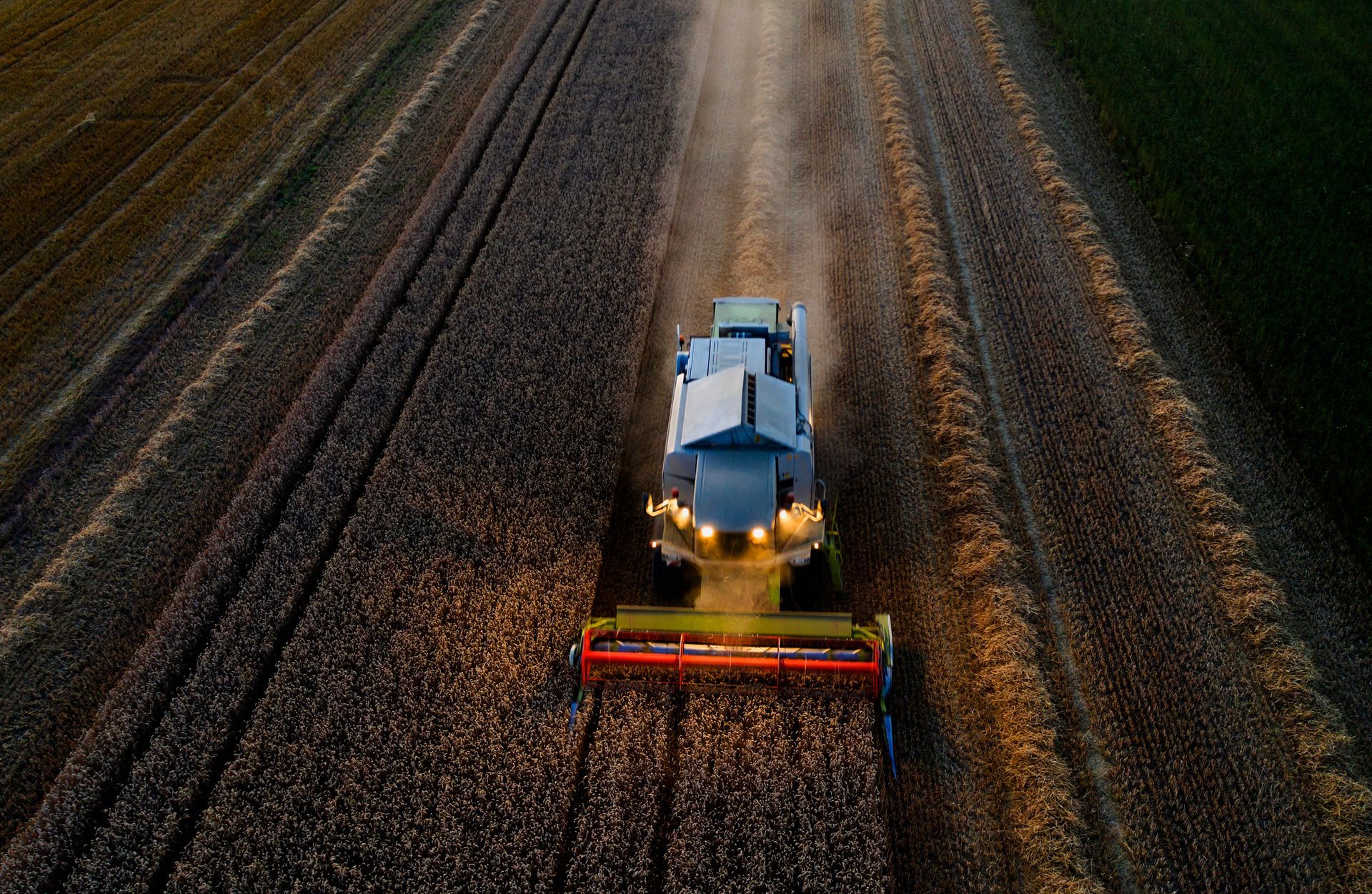
High-precision GNSS has typically been too costly and complex for all but the most critical agricultural operations, but recent RTK GNSS innovations have made centimetre accuracy scalable to all applications in Ag-Tech.

Every Aussie farmer knows that the difference between a “good” crop and a “record-breaking” one often come down to the smallest details. At BioFlora, we’ve spent years perfecting the balance of plant nutrition, and the result is IsoGreen – our powerhouse liquid formula designed to push your yields and crop taste to their absolute peak.
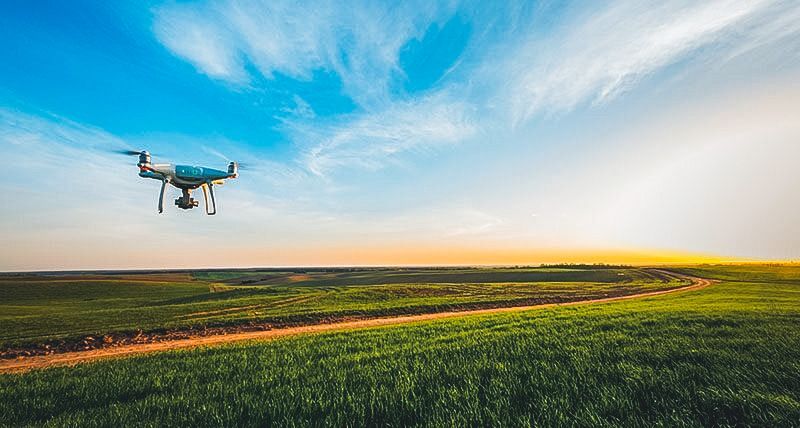
Plant, spray and harvest with confidence using reliable centimetre level positioning. Hexagon SmartNet provides fast, accurate RTK corrections across Australia to reduce overlaps, lower input costs and maximise productivity. With no base station required, simply connect, get a fix and get to work.

Built for the demand of Aussie farmers. Designed for every day performance.
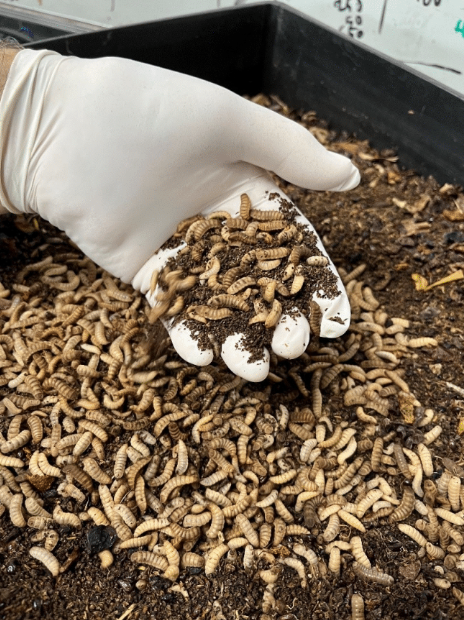
They’re wriggly black grubs more commonly tossed to backyard hens than served at the dinner table, but black soldier fly larvae could soon play a key role in building a more sustainable food system, according to new research from Adelaide University.
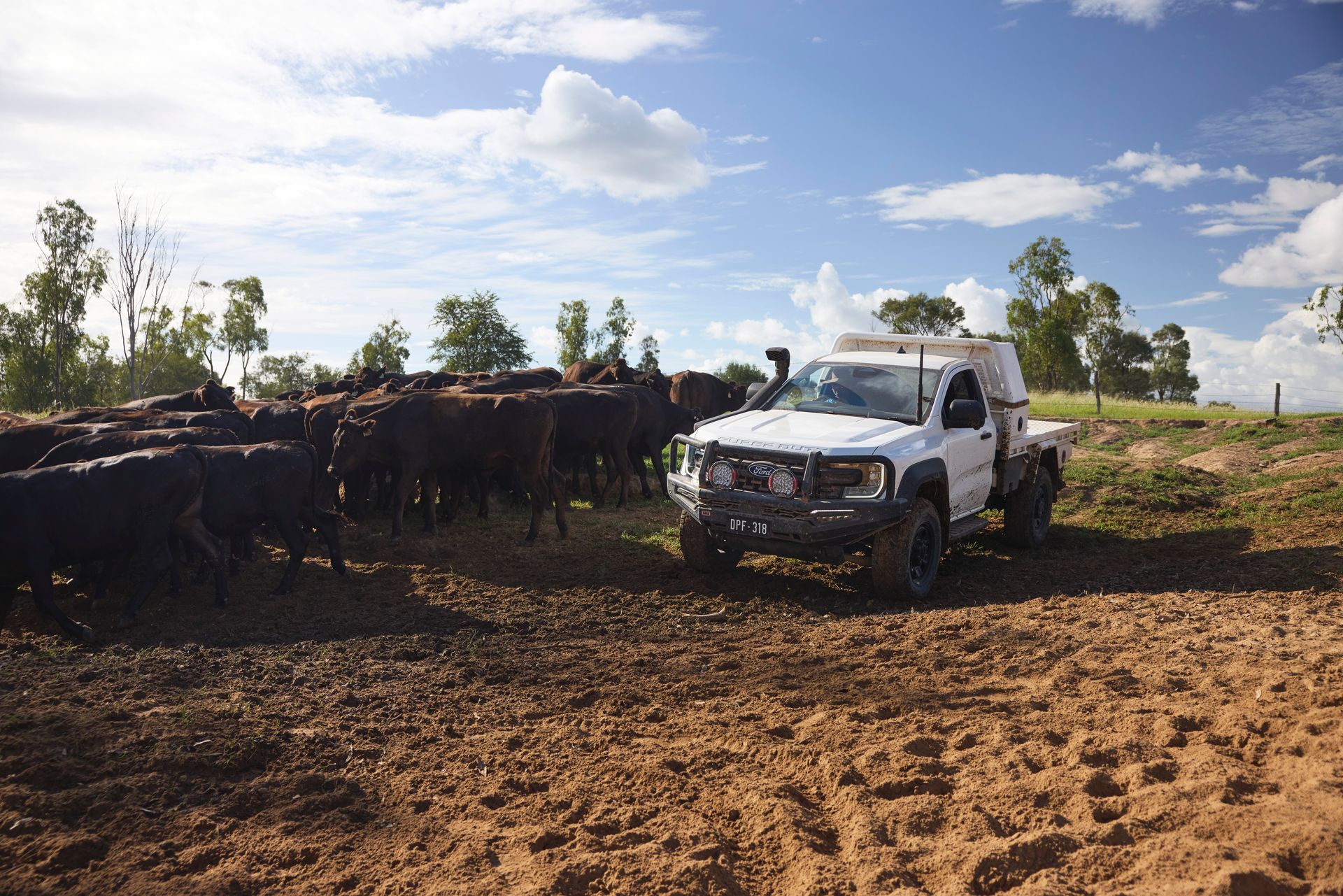
After four years of customer research and 500,000 test kilometres, Ford says the Ranger Super Duty brings farmer-driven customisation into the factory, with more towing, payload, and durability built in.