























































1MG FlippingBooks
Thought Leadership
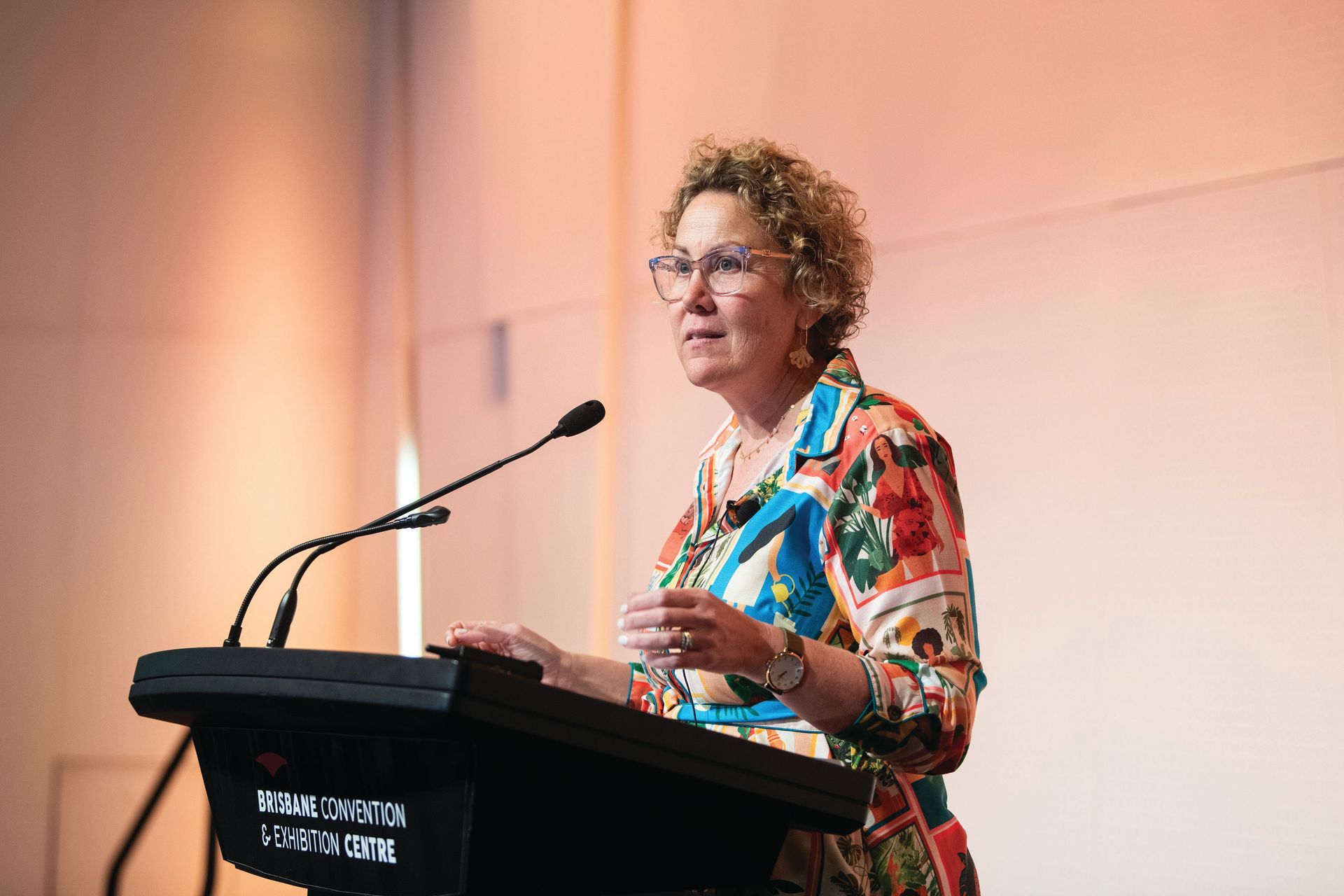
Australia is a known world leader in diversity and inclusion after decades of effort to achieve balance in how we run this country. Geographical representation for our regional-rural population, however, is one of the big final omissions.
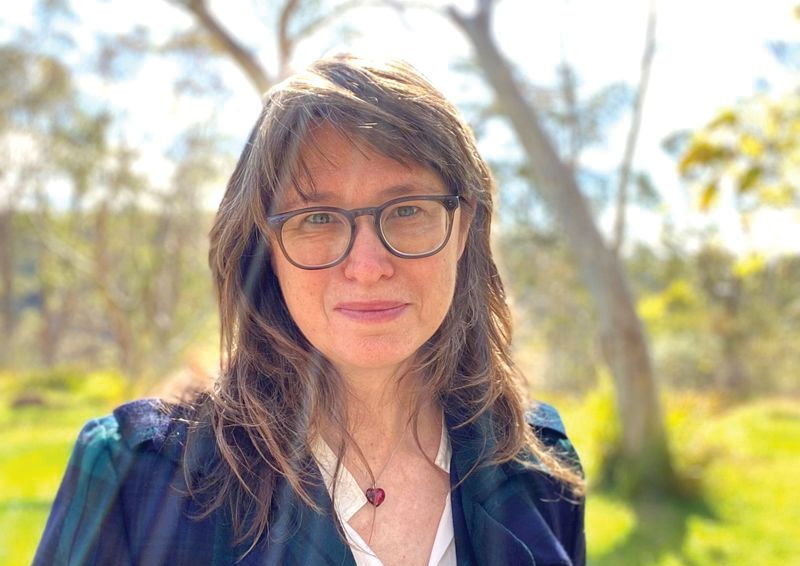
In a disrupted geopolitical trade system looking for trusted, consistent, values-aligned partners, Australian agriculture has a unique value proposition to offer.
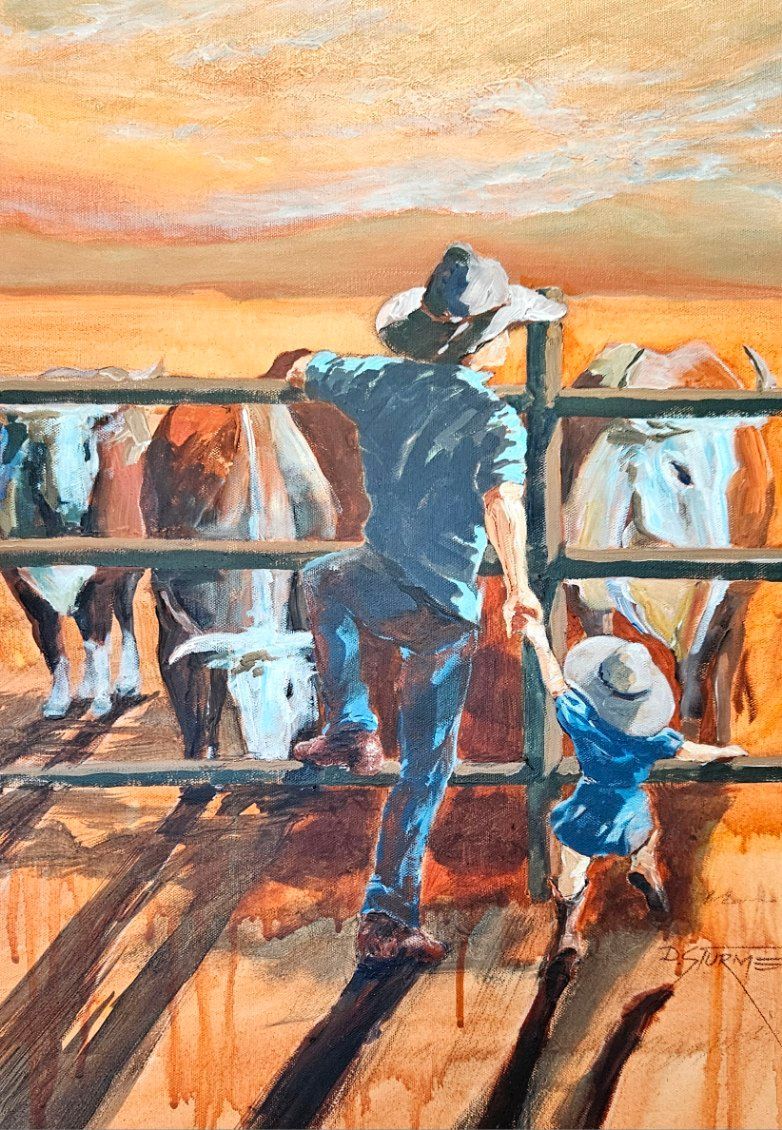
“For generations, Australian farmers have been presented new ideas on how we are going to feed the world into the future. Some of them are what you might call blue sky. This, to a degree, is fine but not at the cost of ideas that are practical for solving real problems for farmers today. Ultimately, like most professions, agriculture is a human activity. No matter how sophisticated an agricultural technology is, much like the next generation submarines that will be based here on the coast of my home state of Western Australia, there will always be a need for a competent farmer to install, operate, and maintain it. While these implementation issues generally seem to be recognised by most in the agricultural industry, the elephant in the room I feel is the related challenge of actually attracting young people to work on the farm to ensure its viability for decades to come. With so many options available for our country’s youth, especially mining here on the west coast, we as a nation need to be thinking more about a sustainable workforce into the future. And this largely boils down to one simple universal idea: farmer incomes and their impact on farmer quality of life. The reality is that farming is getting harder and returns are, given various economic forces, diminishing for many farmers year on year. Imagine if this was happening in the healthcare sector. Or aviation. Or finance. Or education. Or construction. Surgeons, pilots, teachers, builders, and bankers would leave their professions in droves. And these industries suffer and perhaps eventually collapse. This idea is not about farmers whinging for more money. For the world’s oldest industry, however, this long term labour problem becomes an existential one for the entire human race. And farmers cannot solve it on their own.”
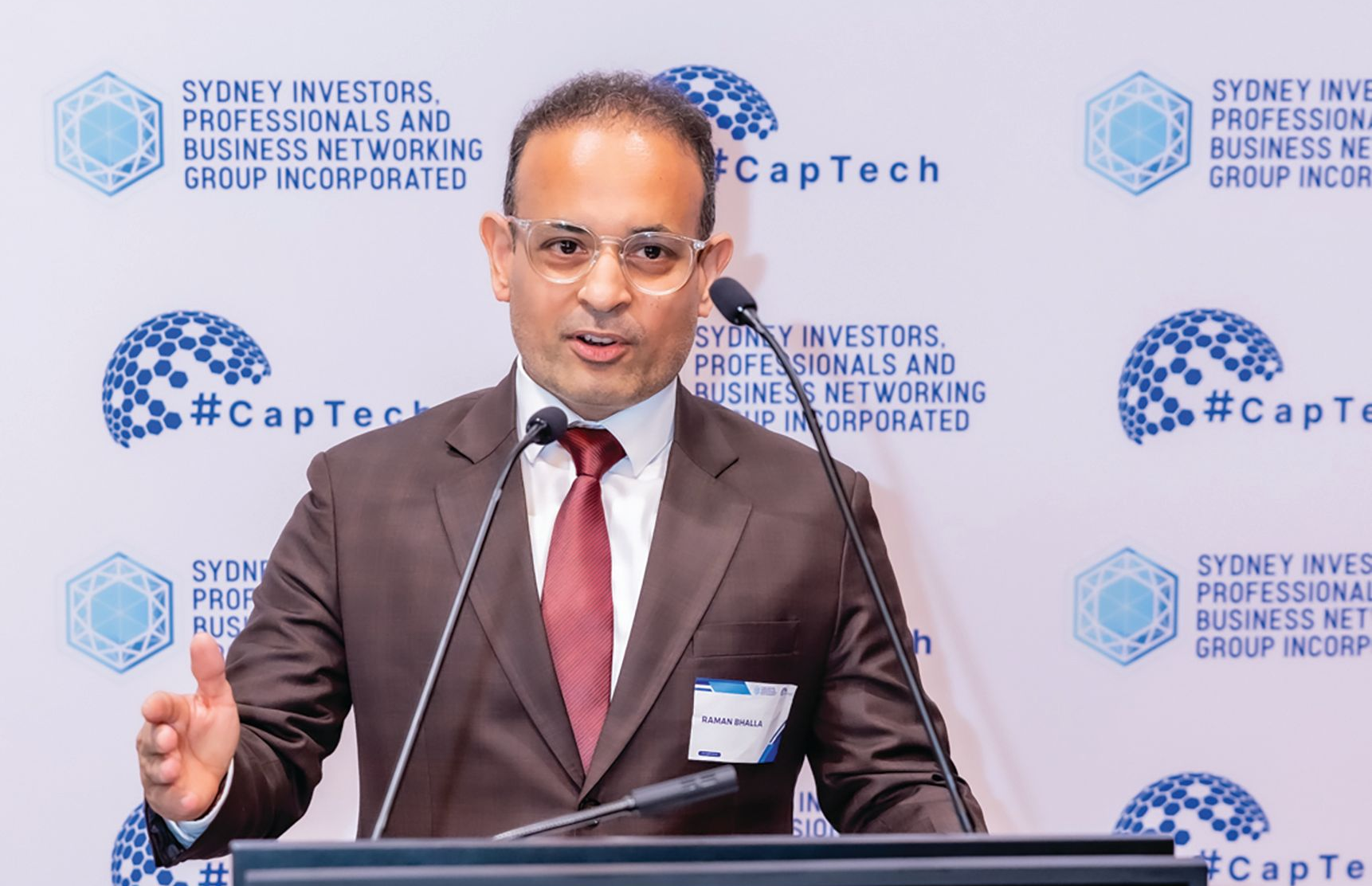
Australia’s farmers are poised for global growth, but to stay competitive, they’ll need to attract long-term investment, embrace innovation, and turn world-class production into world-leading exports.
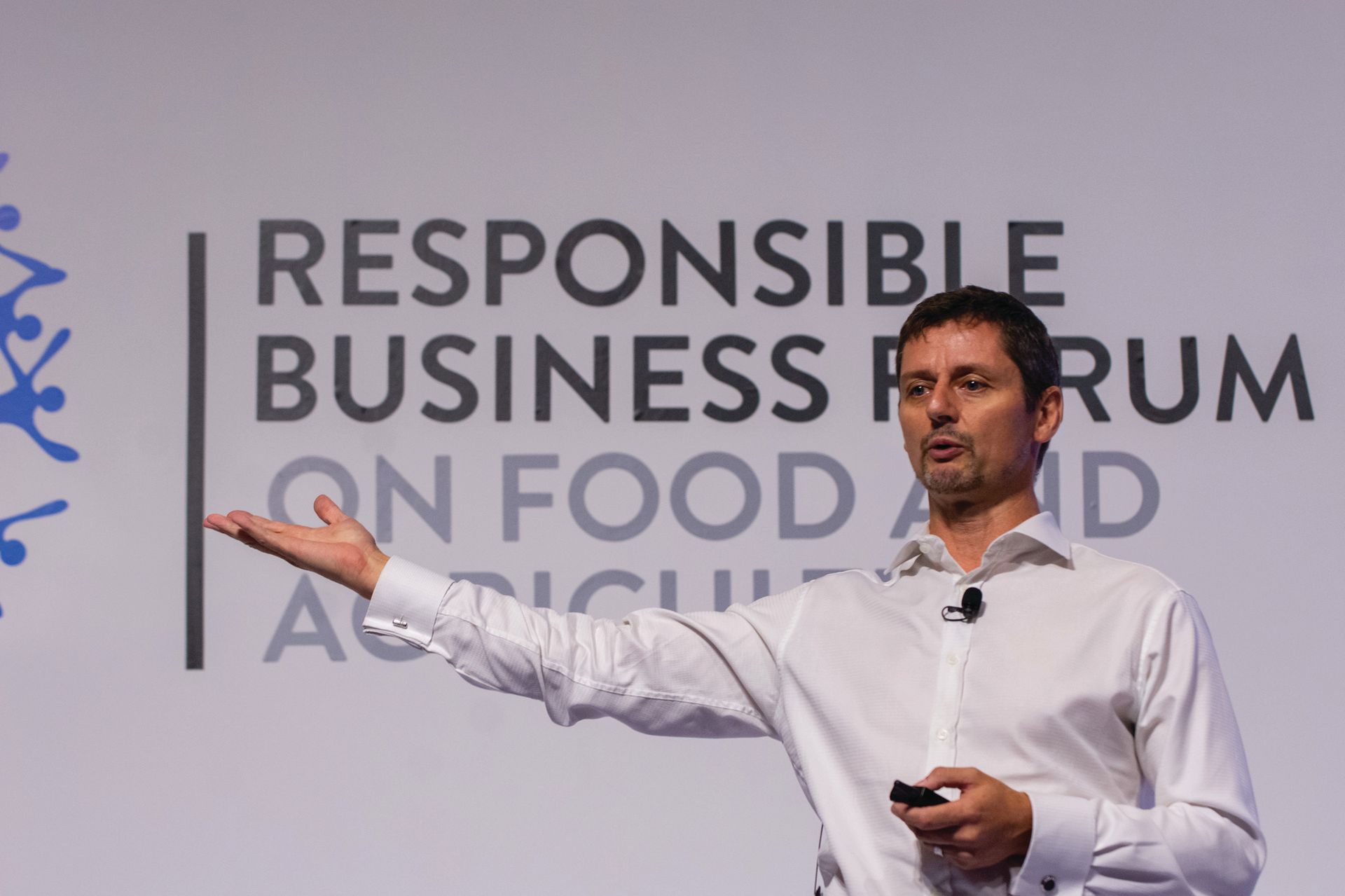
Australia produces enough food for millions, yet many households face food insecurity. Achieving true food security requires equitable access, innovative technology, and a national framework for resilience.
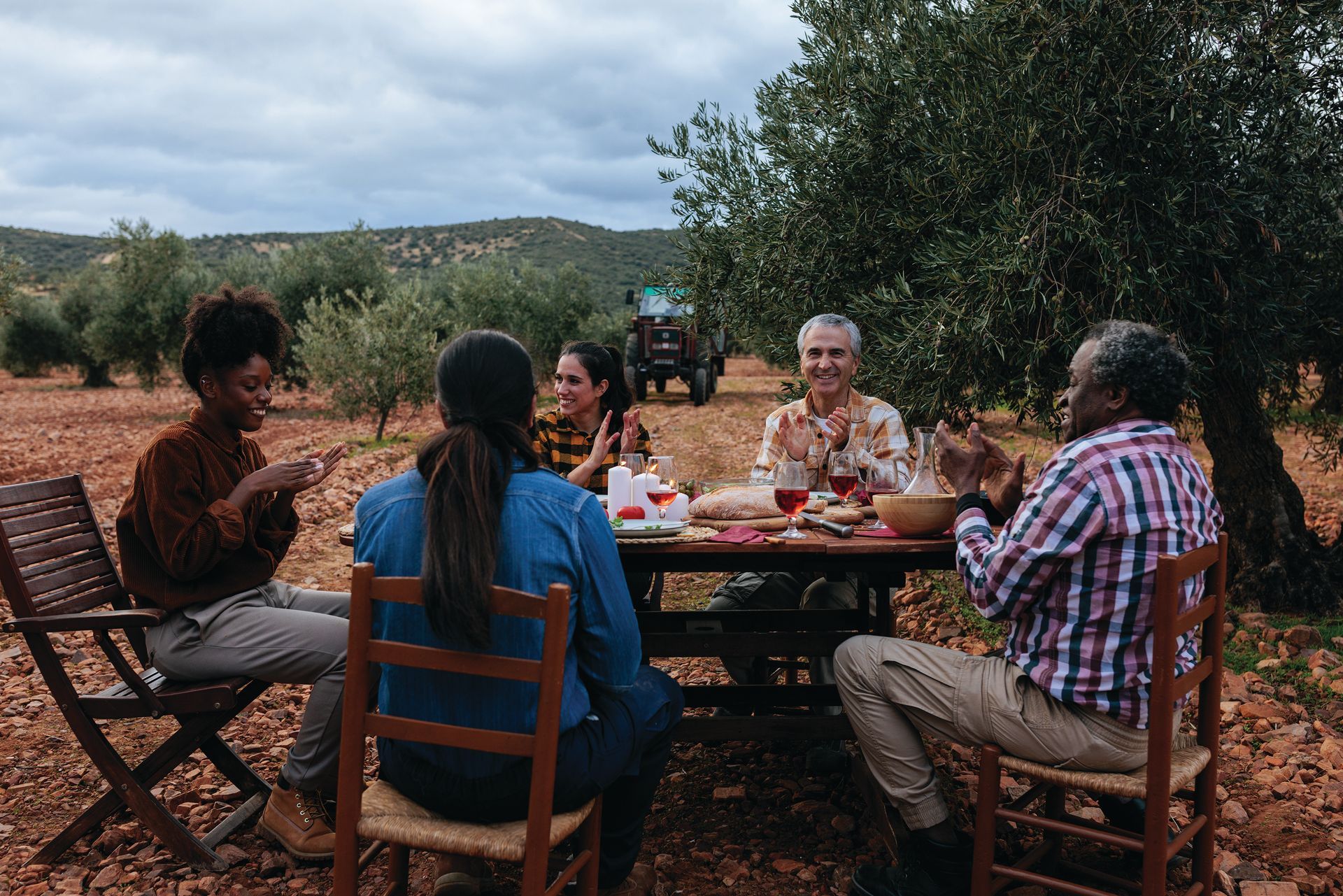
Australia produces enough food for millions, yet many households face food insecurity. Achieving true food security requires equitable access, innovative technology, and a national framework for resilience.Australia produces enough food for millions, yet many households face food insecurity. Achieving true food security requires equitable access, innovative technology, and a national framework for resilience.
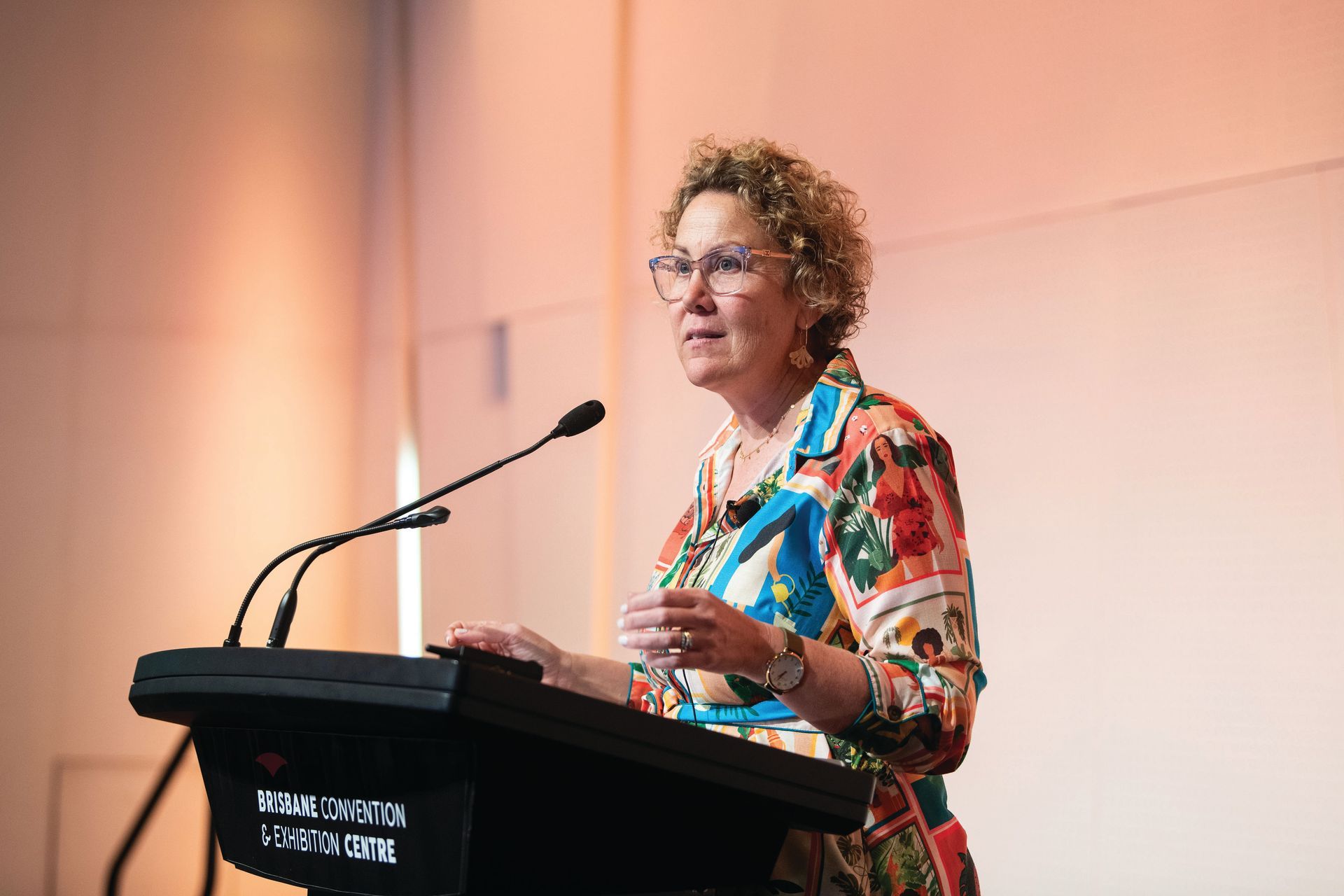
Australia is a known world leader in diversity and inclusion after decades of effort to achieve balance in how we run this country. Geographical representation for our regional-rural population, however, is one of the big final omissions.

With increased global trade volatility, now is the time to intensify efforts to address the growing burden of non-tariff measures on the export interests of our country’s farmers. But resolving them is a complex process requiring sustained strategic effort.

Science, technology, and innovation are accelerating like never before in the agricultural industry to help achieve food security targets in this decade and beyond. Equally important are the 100 or so agricultural organisations in Australia that represent our farmers’ interests: Farmer Peak Bodies.