























































1MG FlippingBooks
Is geography a missing slice in the diversity pie?
Julia Spicer OAM
Australia is a known world leader in diversity and inclusion after decades of effort to achieve balance in how we run this country. Geographical representation for our regional-rural population, however, is one of the big final omissions.
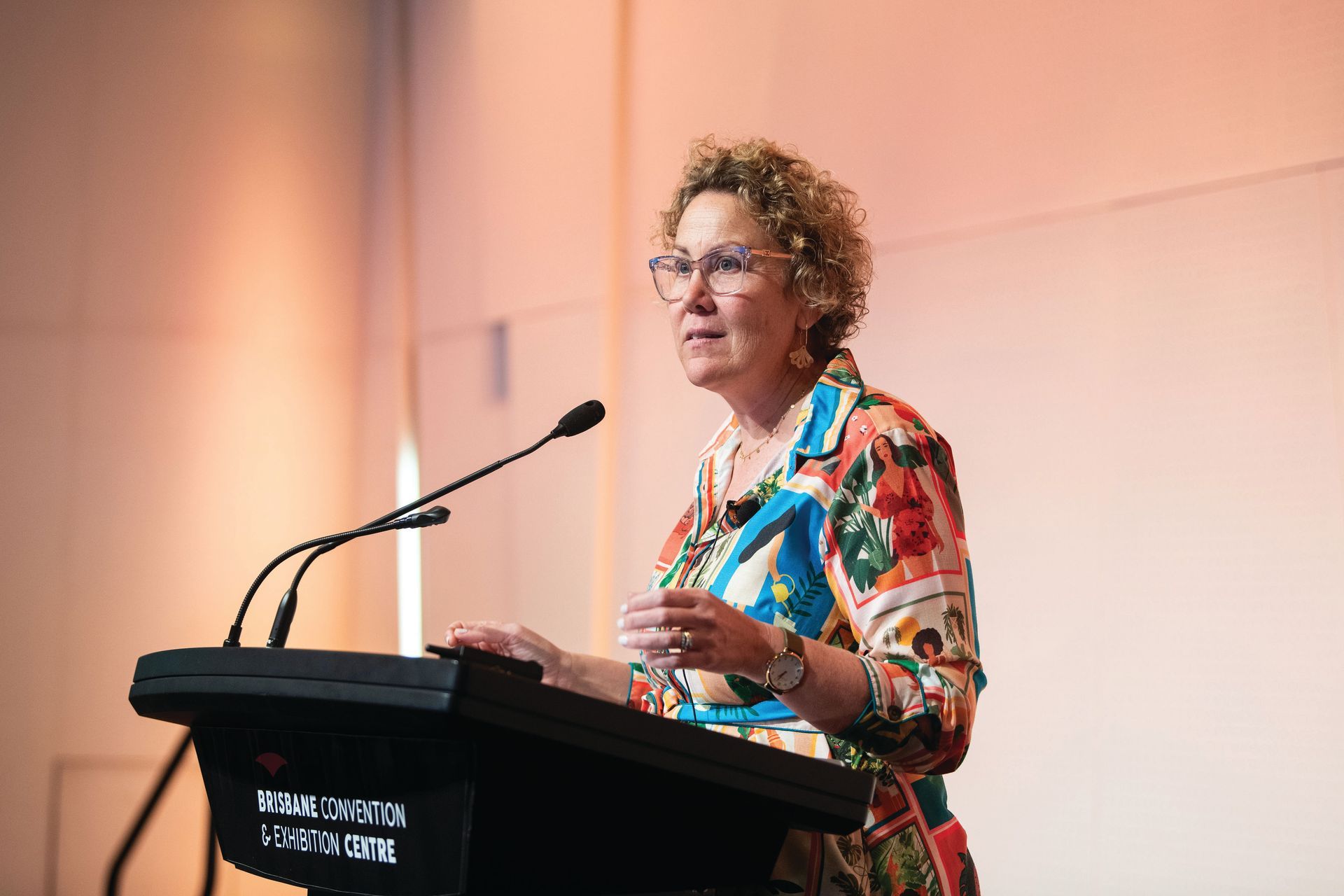
There’s a tendency in city circles to talk about “the regions” as if it’s one big, homogenous place - a single electorate with one shared set of values, one type of person, one predictable voting pattern. But anyone who’s spent more than five minutes west of the Great Dividing Range knows that couldn’t be further from the truth.
We see this reality in the city, where suburbs just a few kilometres apart can have completely different values, income brackets, and voting habits. Brisbane, for instance, has a very different culture and set of priorities compared to Logan, only a 30-minute drive away. So why should it be any different in the country?
As of 2024, nearly ten million people live outside our major cities - roughly 40 per cent of the nation. For such a vast and varied population, it’s risky - and frankly, lazy - to assume they all want the same thing, vote the same way, or live the same kind of life.
Earlier this year, I spoke about this on ABC’s radio program Life Matters, in relation to the coalition’s brief split. I emphasised that because not all country voters vote for the Nationals, there is a real need to better understand and value geographic diversity - not just in politics, but at every decision-making table. The regions are more than agriculture and mining.
We’ve become well-versed in the importance of cultural and diversity in workplaces. Yet, ironically, geographic diversity is often left off the map when governments design their strategies. This is a serious oversight. Rural Australians bring a depth of perspective that simply can’t be replicated in city offices – and they are far from a single voice. Cotton farmers along the Murray-Darling Basin have different priorities from cattle graziers in Central Queensland, and towns just 20 kilometres apart can face entirely different challenges.
Whether it’s on boards, in government, or in corporate strategy meetings, geographic diversity needs to be represented so that decisions reflect the full spectrum of experiences, needs, and opportunities across regional, rural, and remote communities.
If we are serious about building a vibrant and viable Australia - and about creating policies, decisions, and industries that work for all Australians – we must ensure rural perspectives are genuinely at the table. This “outback” demographic, like their metropolitan “cousins”, are mums, dads, business owners, entrepreneurs, innovators, educators, volunteers, and good citizens too with ideas, opinions and wisdom that should be heard. By including these voices from leaders across regional and rural Australia, organisations and governments can make smarter, more informed choices, and deliver outcomes that truly reflect the real experiences and opportunities across the country.
Geographic diversity isn’t just fair - it’s strategic.
Julia Spicer OAM is the co-founder of The Connection Table. Julia is past Queensland Chief Entrepreneur. In 2018, she was one of The Australian Financial Review’s 100 Women of Influence. In 2017, Julia won the Queensland Rural, Regional and Remote business owner of the year award.
NEWS
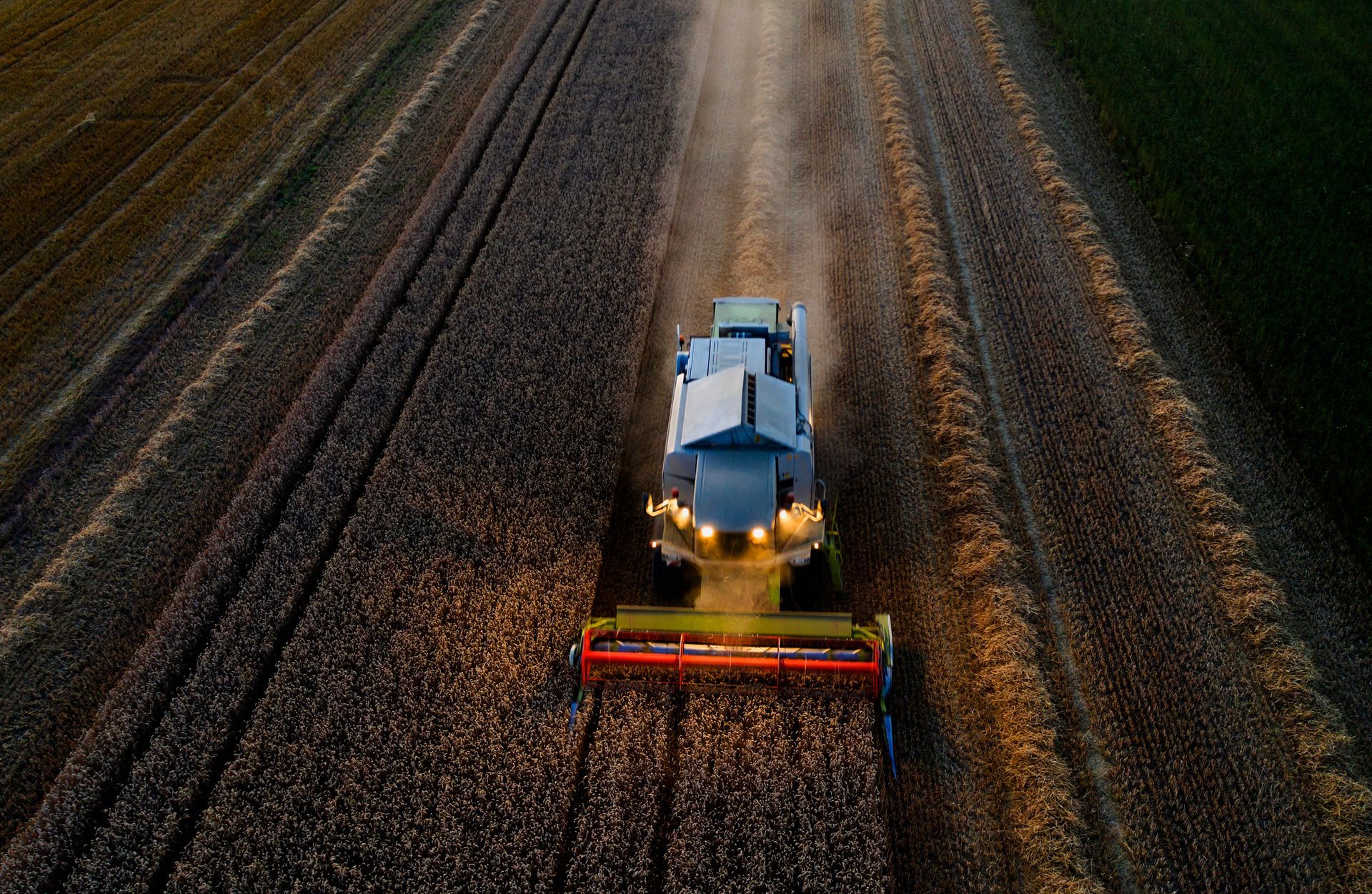
High-precision GNSS has typically been too costly and complex for all but the most critical agricultural operations, but recent RTK GNSS innovations have made centimetre accuracy scalable to all applications in Ag-Tech.
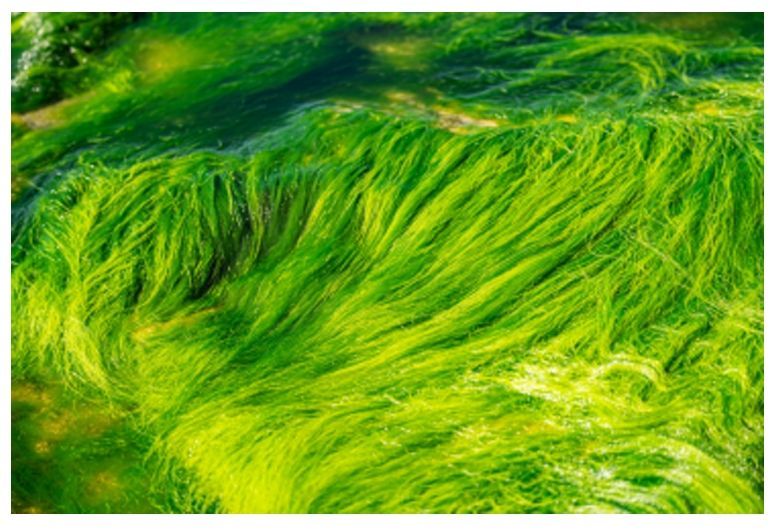
Every Aussie farmer knows that the difference between a “good” crop and a “record-breaking” one often come down to the smallest details. At BioFlora, we’ve spent years perfecting the balance of plant nutrition, and the result is IsoGreen – our powerhouse liquid formula designed to push your yields and crop taste to their absolute peak.
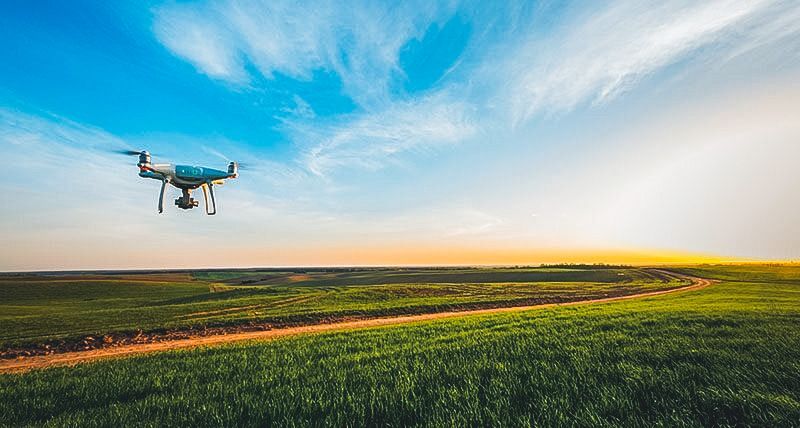
Plant, spray and harvest with confidence using reliable centimetre level positioning. Hexagon SmartNet provides fast, accurate RTK corrections across Australia to reduce overlaps, lower input costs and maximise productivity. With no base station required, simply connect, get a fix and get to work.

Built for the demand of Aussie farmers. Designed for every day performance.
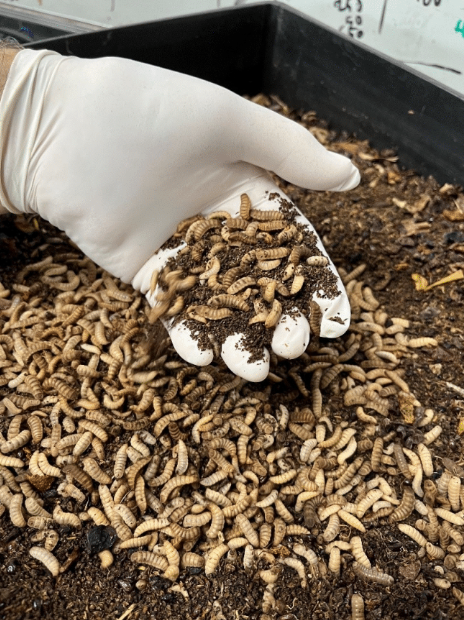
They’re wriggly black grubs more commonly tossed to backyard hens than served at the dinner table, but black soldier fly larvae could soon play a key role in building a more sustainable food system, according to new research from Adelaide University.
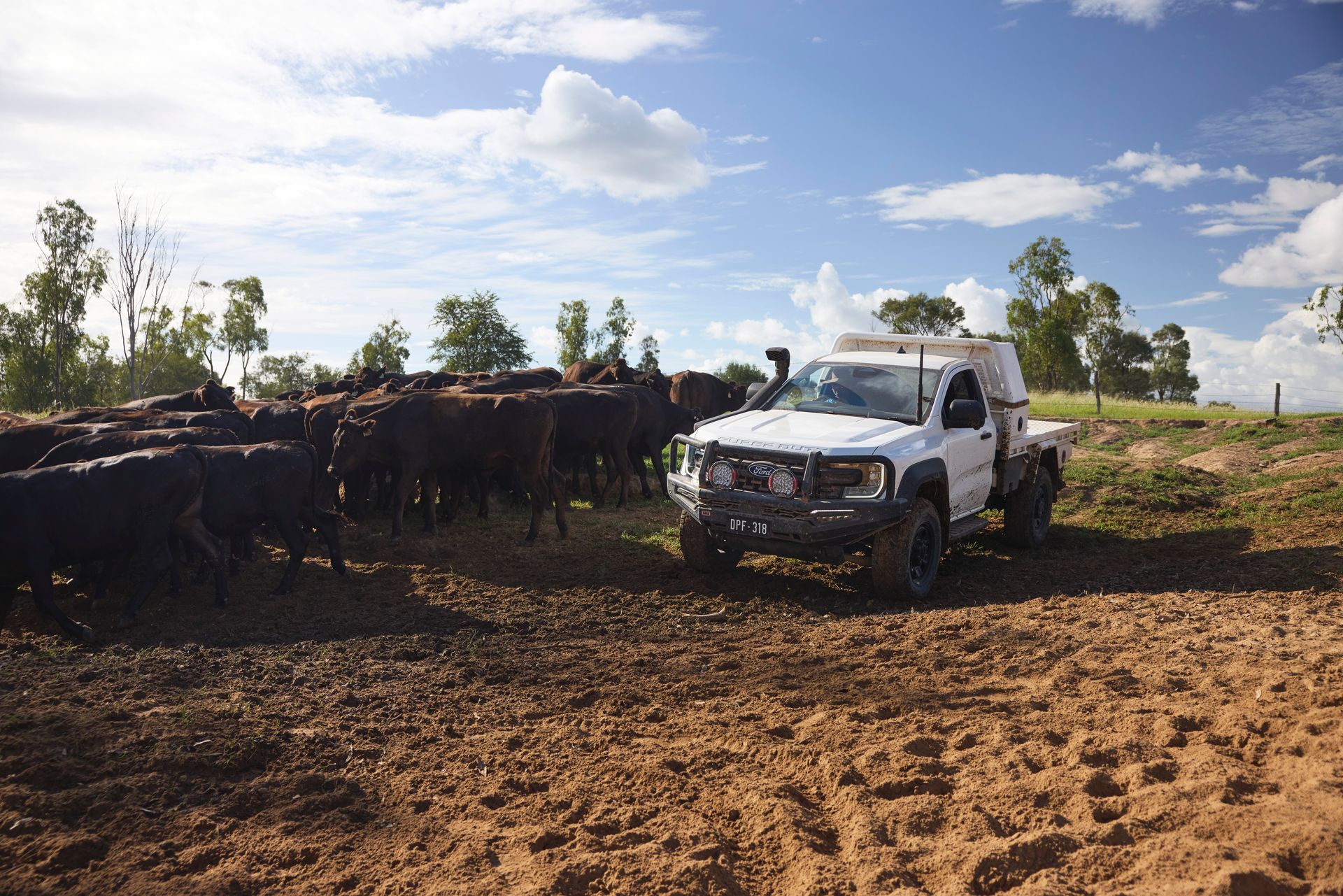
After four years of customer research and 500,000 test kilometres, Ford says the Ranger Super Duty brings farmer-driven customisation into the factory, with more towing, payload, and durability built in.