
























































1MG FlippingBooks
AI in agriculture: The smart revolution we should all be talking about
Brandon Stannett
The article explores how artificial intelligence is revolutionising agriculture, driving automation, improving efficiency and sustainability, enhancing machinery and creating new high-tech career opportunities across agriculture.
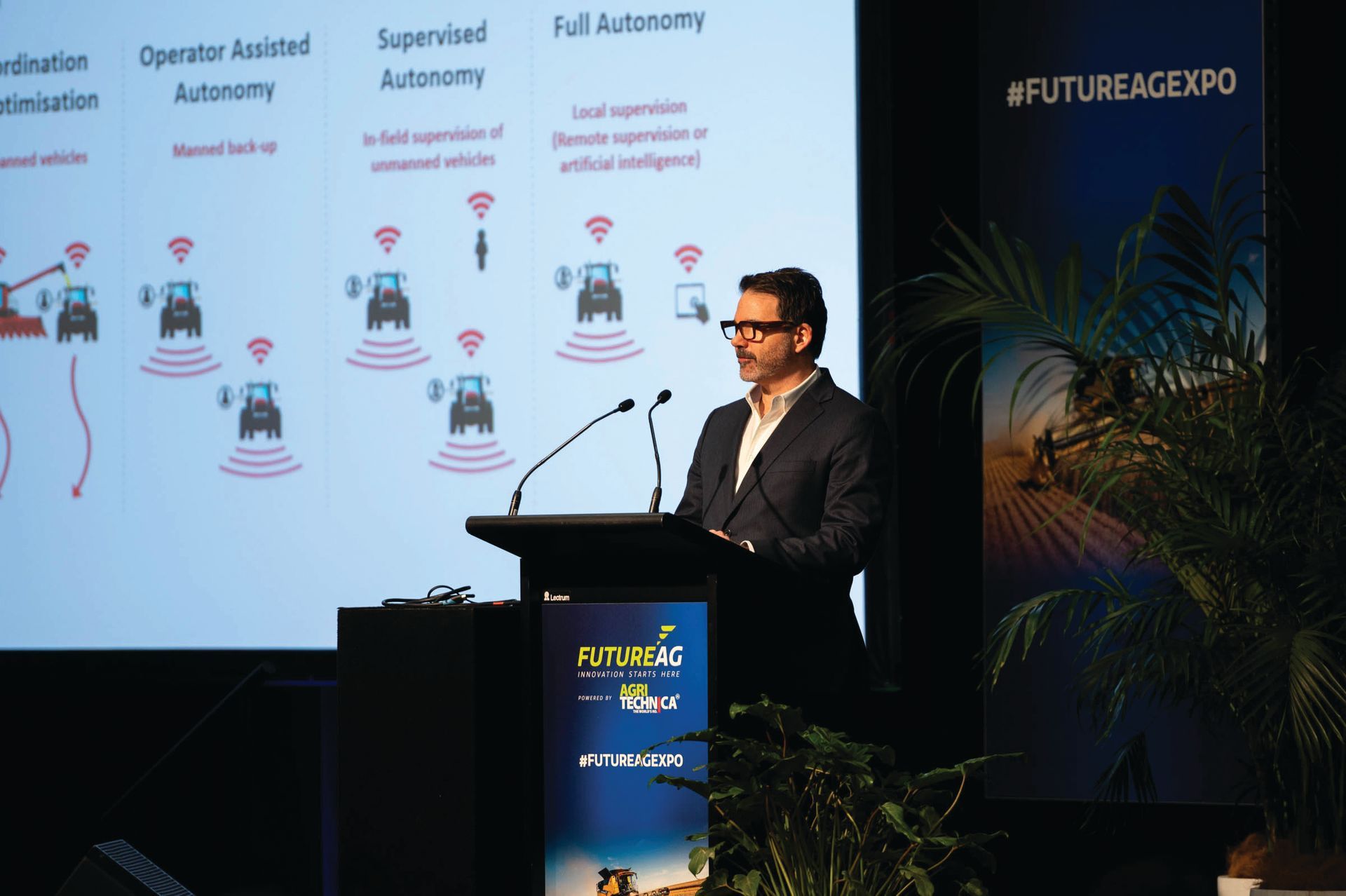
Agriculture is undergoing a transformation unlike any in its long and storied history. For an industry that has fed civilisations for millennia, the next chapter is being written not just in the soil, but in silicon. Artificial Intelligence (AI) is no longer a futuristic concept—it’s here, embedded in the tractors, combines, and sprayers that traverse our fields. And it’s changing everything.
To empower farmers with the best tools and technologies available, agricultural machinery manufacturers must embrace AI—not as a buzzword, but as a practical, powerful force that’s helping farmers do more with less, make smarter decisions, and build more sustainable operations.
The Third Wave of AI: From Pilots to Productivity
We’re now in what our global Head of Technology Strategy and Product Innovation, Francesca Protano, calls the “third wave of AI.” This isn’t about prototypes or pilots—it’s about real tools delivering real results. AI is guiding vehicles, adjusting settings in real time, and improving yields. It’s embedded in our machines, often invisibly, making the farmer’s experience smoother and smarter.
Some of the new models of combine harvesters on the market are a great example. Many of them have had AI-driven features for years, quietly optimising performance without farmers even realising it; good technology works seamlessly. As processing power increases and datasets become more structured, these ‘next generation’ machines will move from precision farming to full autonomy and robotics.
Challenges We Must Overcome
Of course, this transformation isn’t without its challenges. Agriculture is one of the most diverse industries in the world. Farmers operate in vastly different environments, with varying levels of connectivity, infrastructure, and technical expertise. Scaling AI across such a diverse landscape is no small feat.
In order to match the rate of technology developments, organisations that grow through major acquisitions bring together different engineering cultures and data systems. That diversity is a strength, but it also means companies must work hard to unify their data and ensure its usable. Reliable AI demands high-quality data, high-performance computing, and seamless integration. It also requires trust, especially in rural areas where internet coverage can be patchy or non-existent.
Connectivity is the backbone of modern agriculture, and that’s why across the industry leading ag companies are partnering with other trusted providers, such as Starlink, to bring high-speed satellite connectivity to farmers in even the remotest regions. This ensures no farmer is left behind.
Smarter Machines, Simpler Decisions
The goal of AI in agriculture isn’t to replace the farmer, but to extend their capabilities. Making machines smarter is so that tasks become easier, operations more efficient, and outcomes more sustainable.
Innovations are being delivered to transform in-field operations. For example, a new sprayer application system is using machine vision to identify weeds, diagnose crop health and apply treatment only where needed. This reduces herbicide use, cuts costs, and improves yields and environmental outcomes.
In vineyards, vision-guided steering allows tractors to turn at the end of each row without human input—even in areas with poor GPS coverage.
Australian farmers are among the world’s most efficient, shaped by tough conditions and a drive to innovate. With AI, automation, and data-driven tools, they’re now turning technology into their next competitive edge — producing more with less and keeping Australia at the forefront of global agricultural efficiency.
Accelerating Innovation
AI isn’t just transforming what farming machinery can do, it’s changing how fast these machines can be built. Generative AI is now assisting in coding software modules, speeding up development and testing cycles. Field data collected from sensors is uploaded to cloud platforms and looped back into product design, helping manufacturers to understand how machines are used and what features farmers really need.
This feedback loop is invaluable. Sometimes, farmers use equipment in ways that aren’t anticipated. AI helps farm machinery manufacturers to learn from those experiences and adapt quickly, delivering more relevant tools to more varied customers across more geographies.
A Career in Agriculture: High-Tech, High-Impact
One of the most exciting aspects of this transformation is the opportunity it creates for careers in agriculture. Too often, when we talk about tech careers, we focus on software companies, fintech, or urban innovation hubs. But agriculture is one of the most dynamic, high-tech industries out there—and it’s time we said so.
Data scientists, AI engineers, robotics specialists, and cloud architects are being hired to help build systems that combine machine learning with mechanical engineering, agronomy with automation.
Young people looking for meaningful careers should know agriculture isn’t just about tractors and crops. It’s about solving global challenges like food security, climate resilience, and sustainable resource management. It’s about working with real-world data to make a tangible difference. And it’s about being part of an industry that touches every human life, every single day.
The Future Is Now
We often say that AI is like an adviser earning your trust. You don’t hand over the reins immediately—you test, you verify, you build confidence. That’s exactly what we’re doing in agriculture. We’re not rushing into full automation; we’re layering smarter tools onto existing capabilities, making sure they work, and making sure they’re trusted.
This isn’t a sudden pivot, but a cumulative shift. Whether it’s sprayers that detect weeds or tractors that navigate without GPS, AI is helping us rethink how machines work and how quickly they can evolve.
So let’s start talking about agriculture in our mainstream tech conversations. Let’s celebrate the farmers who are embracing innovation, and the engineers who are building the future of food. Let’s recognise that the next big thing in tech might just be growing in a field near you.
Brandon Stannett is Managing Director of CNH Australia and New Zealand.
NEWS

Invasive woody weeds steal your pasture. Method helps you take it back.
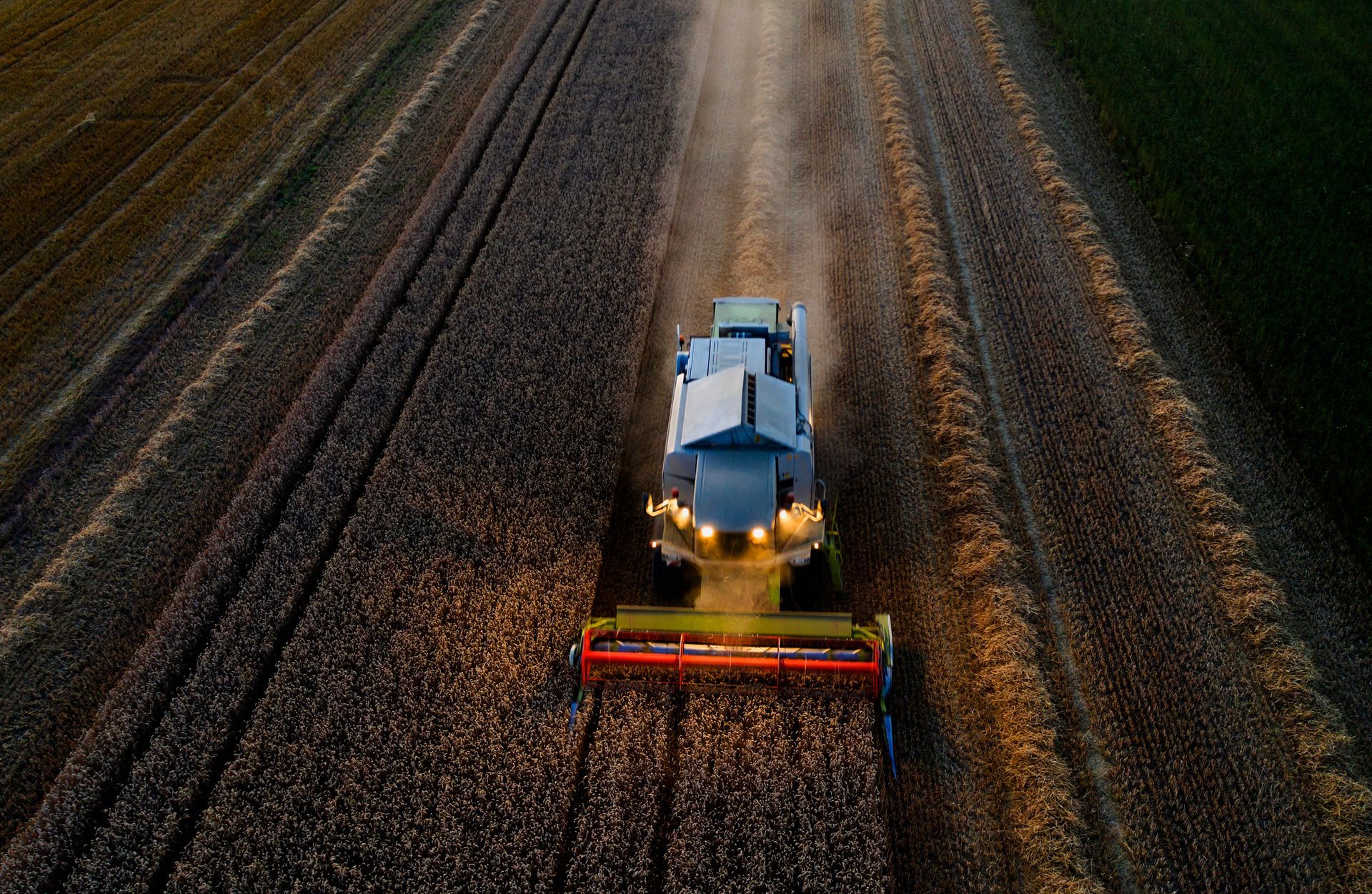
High-precision GNSS has typically been too costly and complex for all but the most critical agricultural operations, but recent RTK GNSS innovations have made centimetre accuracy scalable to all applications in Ag-Tech.

Every Aussie farmer knows that the difference between a “good” crop and a “record-breaking” one often come down to the smallest details. At BioFlora, we’ve spent years perfecting the balance of plant nutrition, and the result is IsoGreen – our powerhouse liquid formula designed to push your yields and crop taste to their absolute peak.
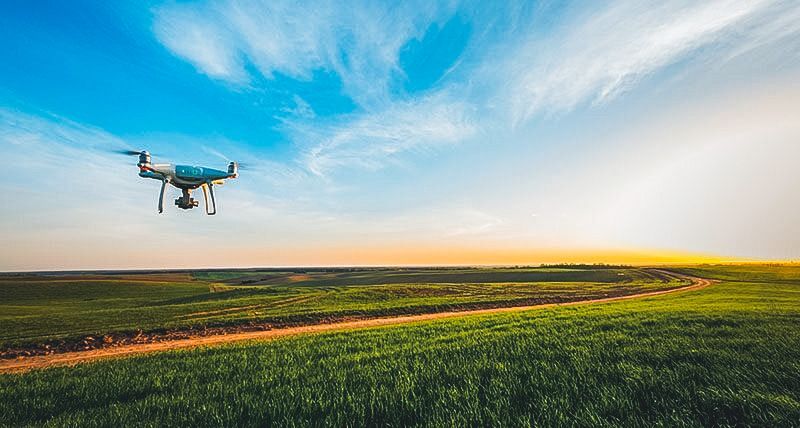
Plant, spray and harvest with confidence using reliable centimetre level positioning. Hexagon SmartNet provides fast, accurate RTK corrections across Australia to reduce overlaps, lower input costs and maximise productivity. With no base station required, simply connect, get a fix and get to work.

Built for the demand of Aussie farmers. Designed for every day performance.
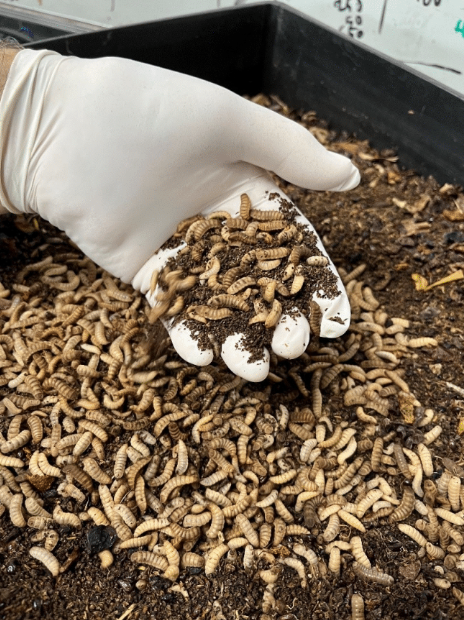
They’re wriggly black grubs more commonly tossed to backyard hens than served at the dinner table, but black soldier fly larvae could soon play a key role in building a more sustainable food system, according to new research from Adelaide University.