













































1MG FlippingBooks
Engineering the future of crop protection
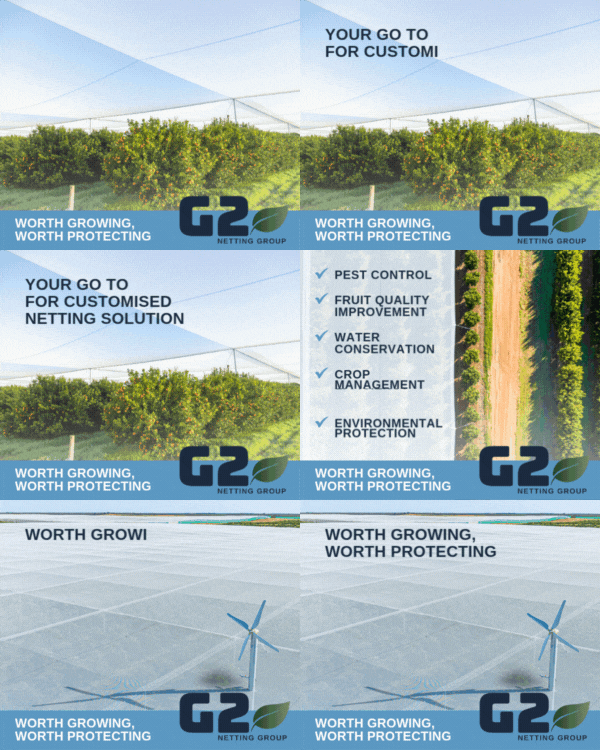
As climate challenges intensify, G2 Netting Group is redefining crop protection through science-led innovation, combining design, engineering, and sustainability to help Australian growers conserve water and thrive.
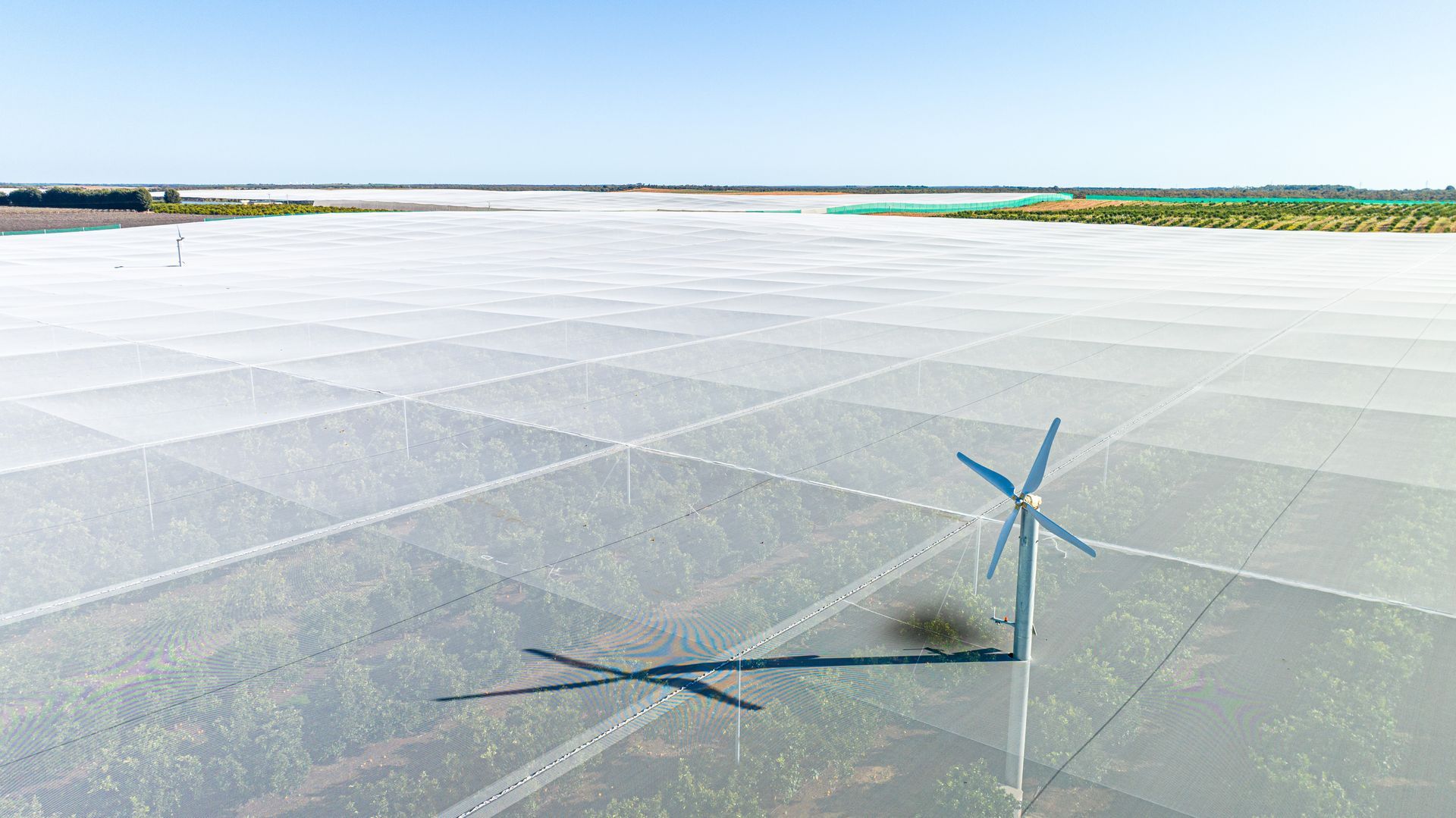
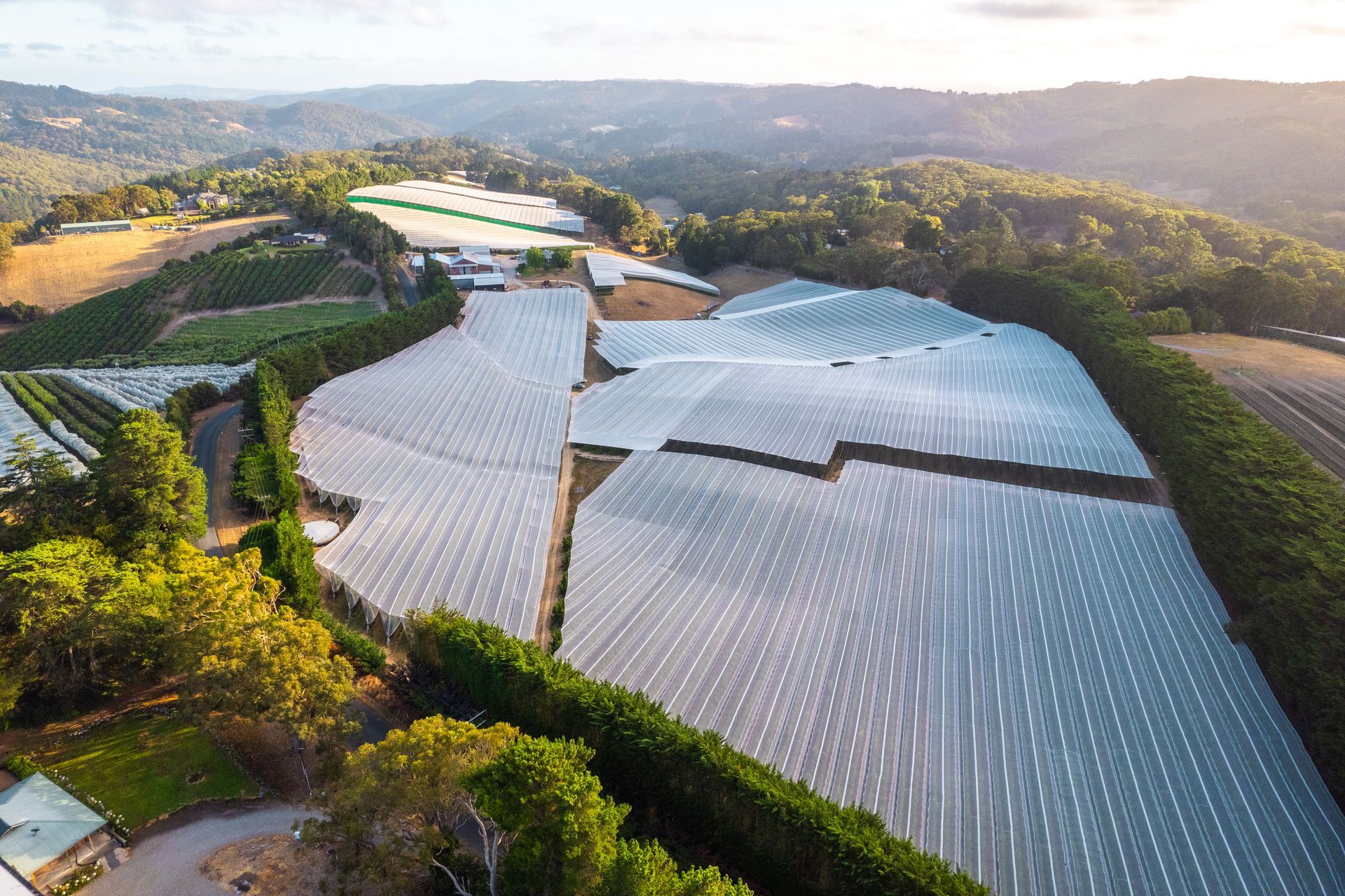
Australian agriculture has always thrived on innovation, and G2 Netting Group is a prime example of how forward thinking and engineering precision are shaping the farms of tomorrow.
Established in 2013, G2 began as G2 Netting Systems, a company dedicated to designing and supplying protective horticultural structures. Working alongside its installation counterpart, Elite Netting founded in 2007, the two operated as separate brands under the same ownership for over a decade. This year, they united under one banner, G2 Netting Group, to reflect their shared expertise, streamlined operations, and end-to-end approach to crop protection.
This rebrand marks more than a visual change, it represents a major step forward in how G2 approaches agricultural innovation. By combining design, manufacturing, and installation into one seamless service, the business eliminates fragmentation and delivers a truly integrated experience for growers, from concept to completion.
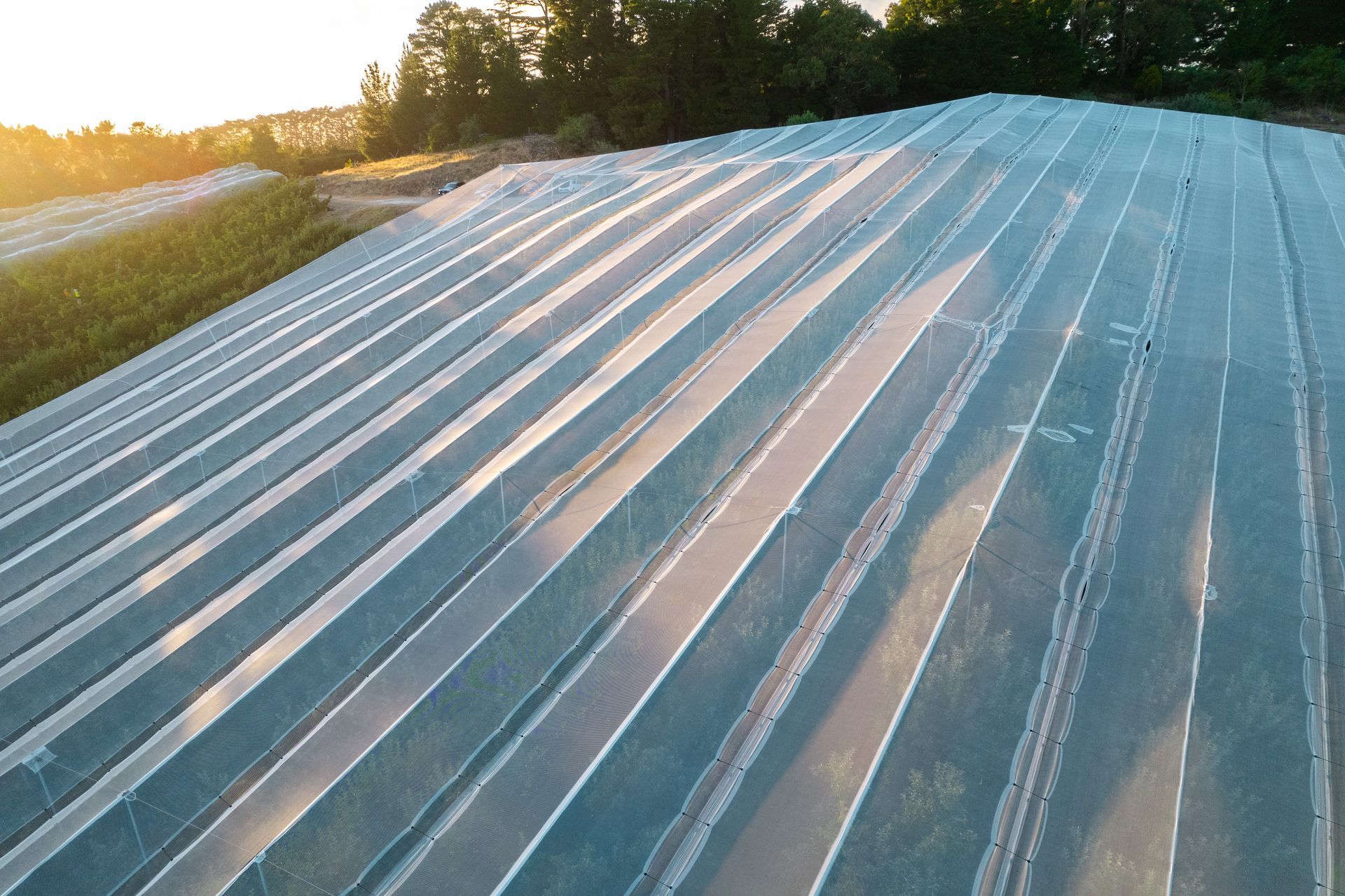
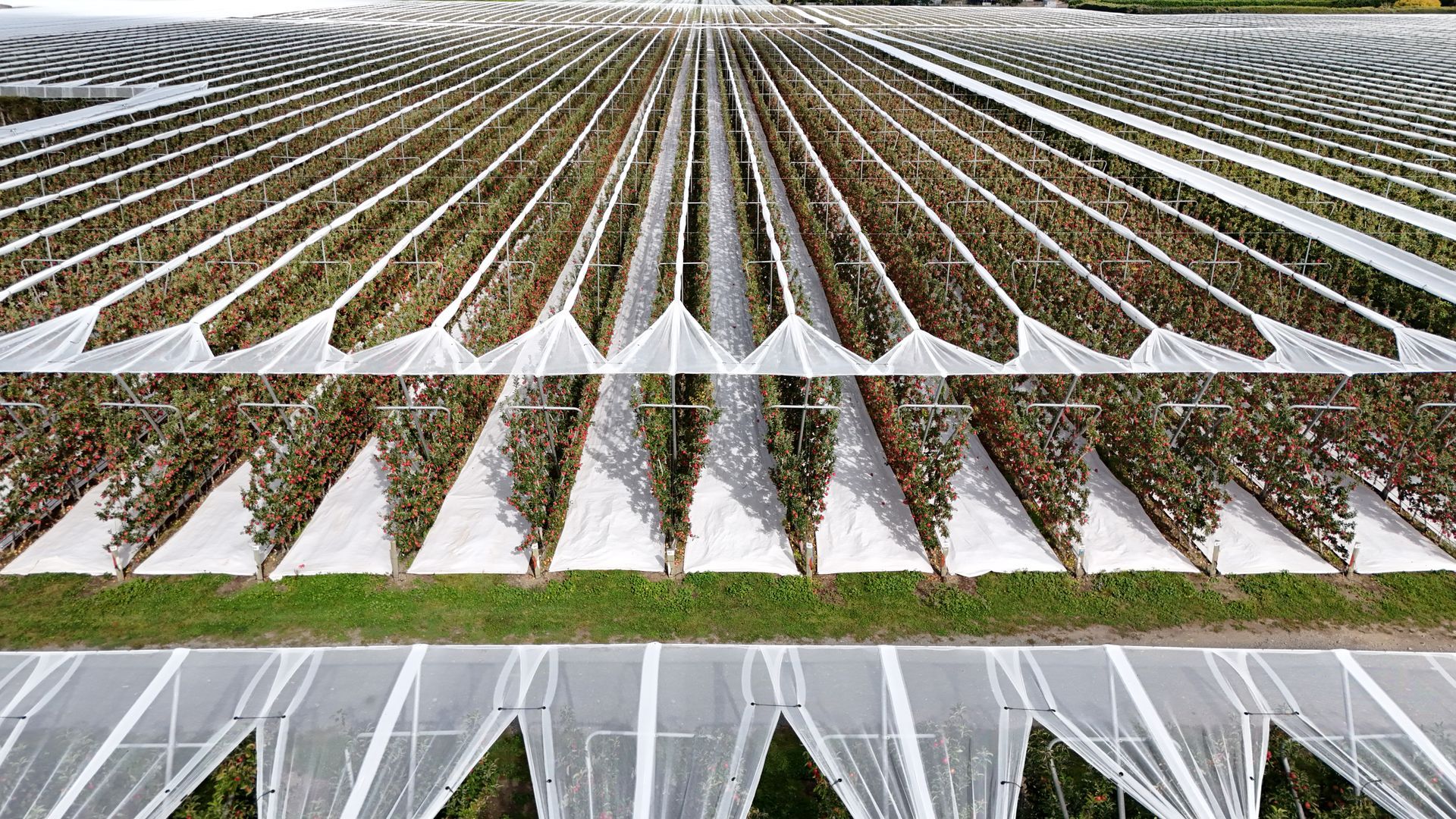
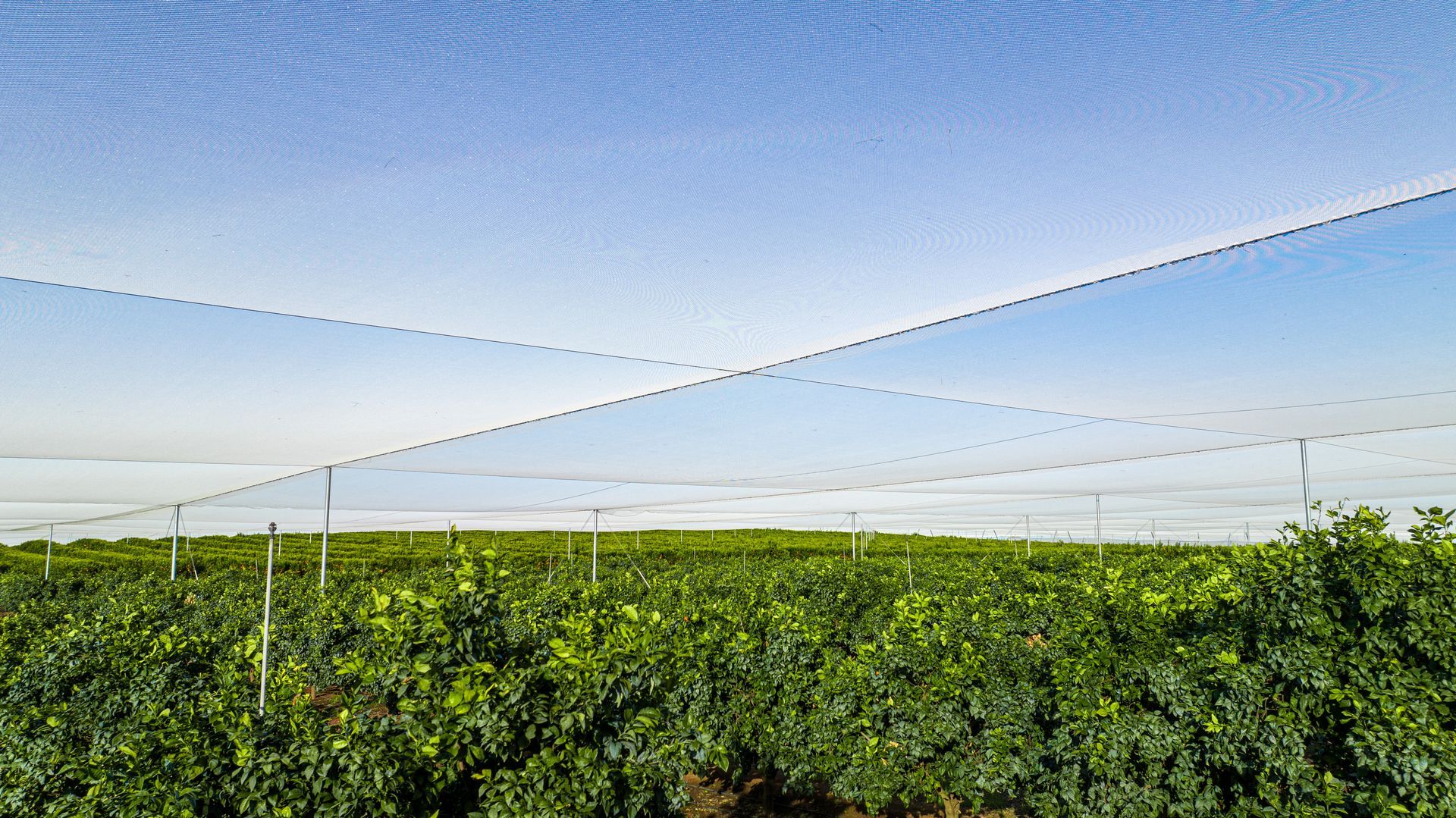
At the heart of G2’s success lies its focus on science and engineering. The company’s flexible netting systems are not simply protective covers; they are microclimate management tools, regulate temperature and humidity, and dramatically improve water use efficiency.
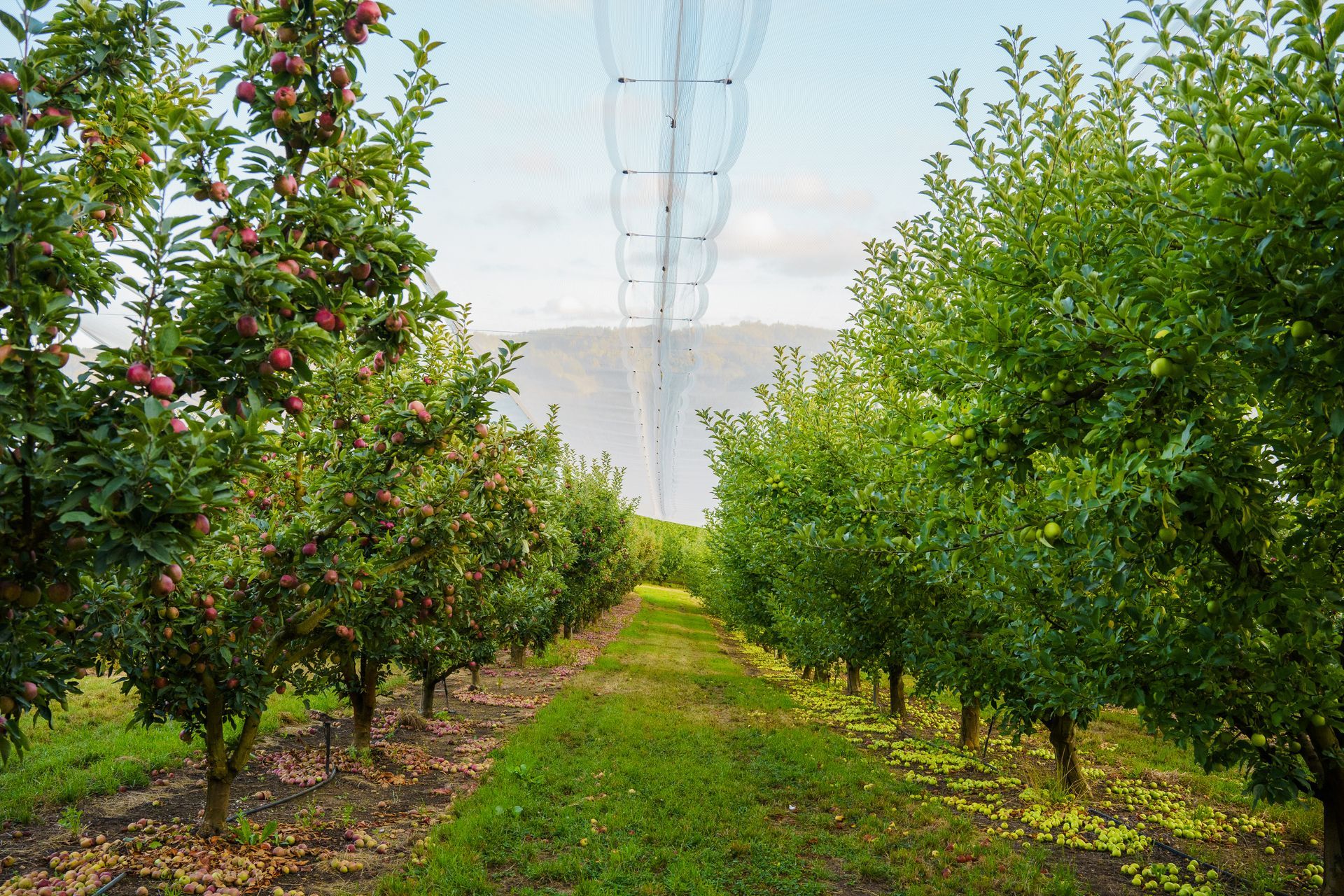
Research from the University of Adelaide, PIRSA, and Natural Resources SA Murray-Darling Basin has shown that permanent netting systems can reduce evapotranspiration by up to 30 percent, easing water stress and helping trees thrive with less input. In some trials, netted crops not only used less water but produced higher yields and better-quality fruit.
By filtering sunlight and moderating heat and wind, G2’s engineered systems reduce the extreme conditions that cause water loss. The result: healthier, more consistent crops and extended growing seasons, all while conserving a critical natural resource.
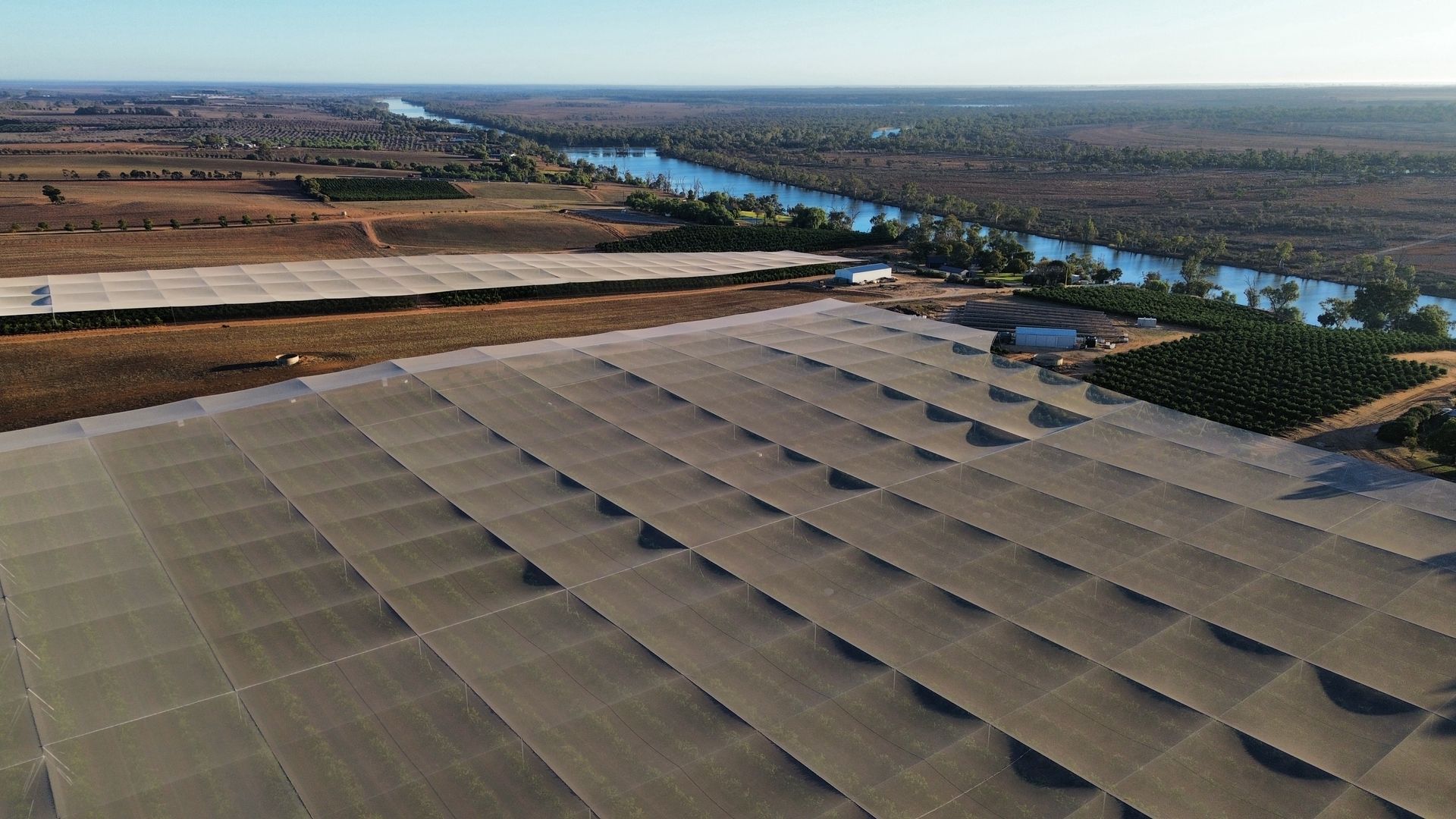
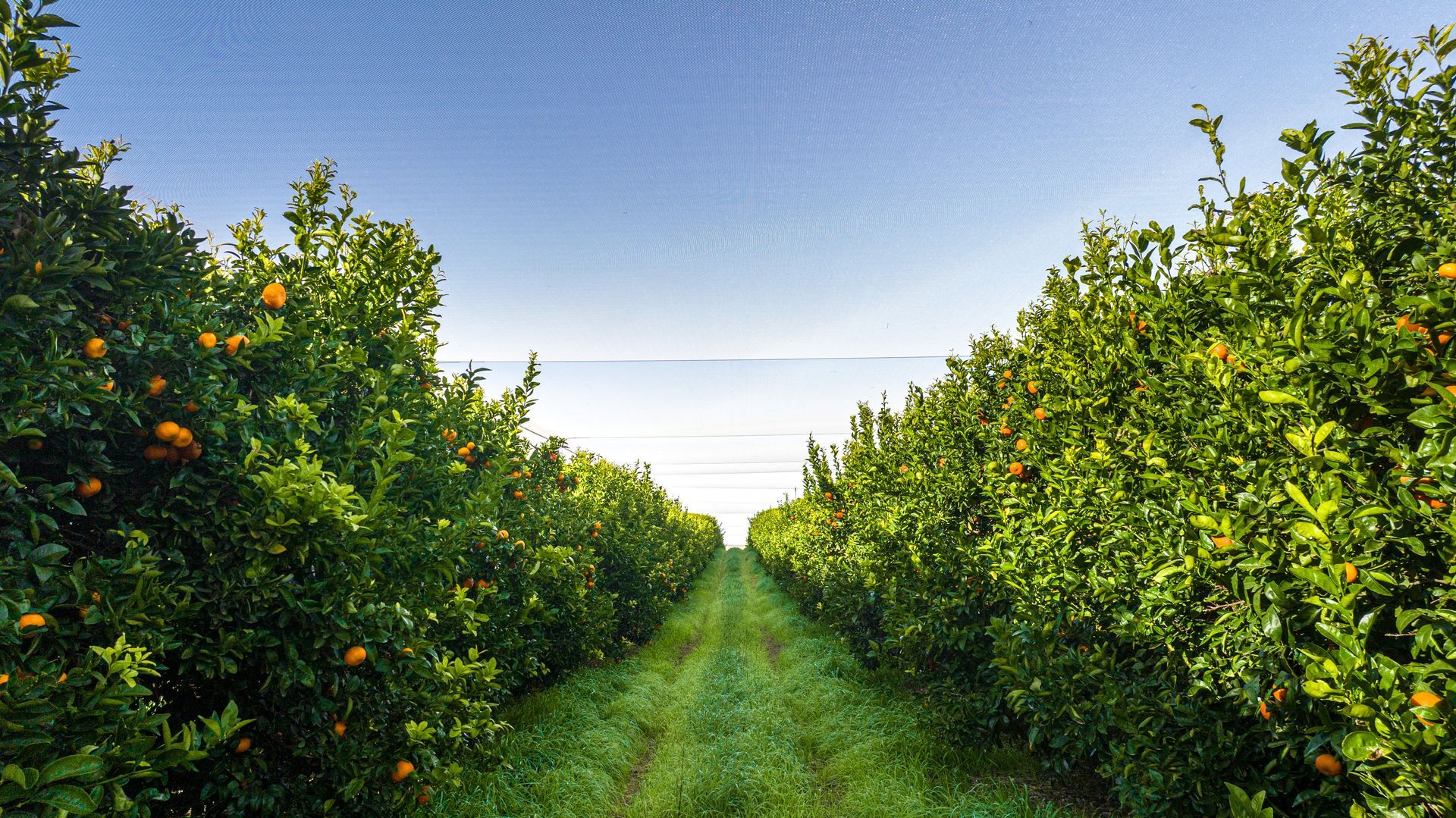
For third generation family owned and operated citrus farmers, Sam and Matthew Lloyd of L.D. Lloyd and Sons, the decision to invest in netting systems was two-fold: improve pack outs and reduce water usage.
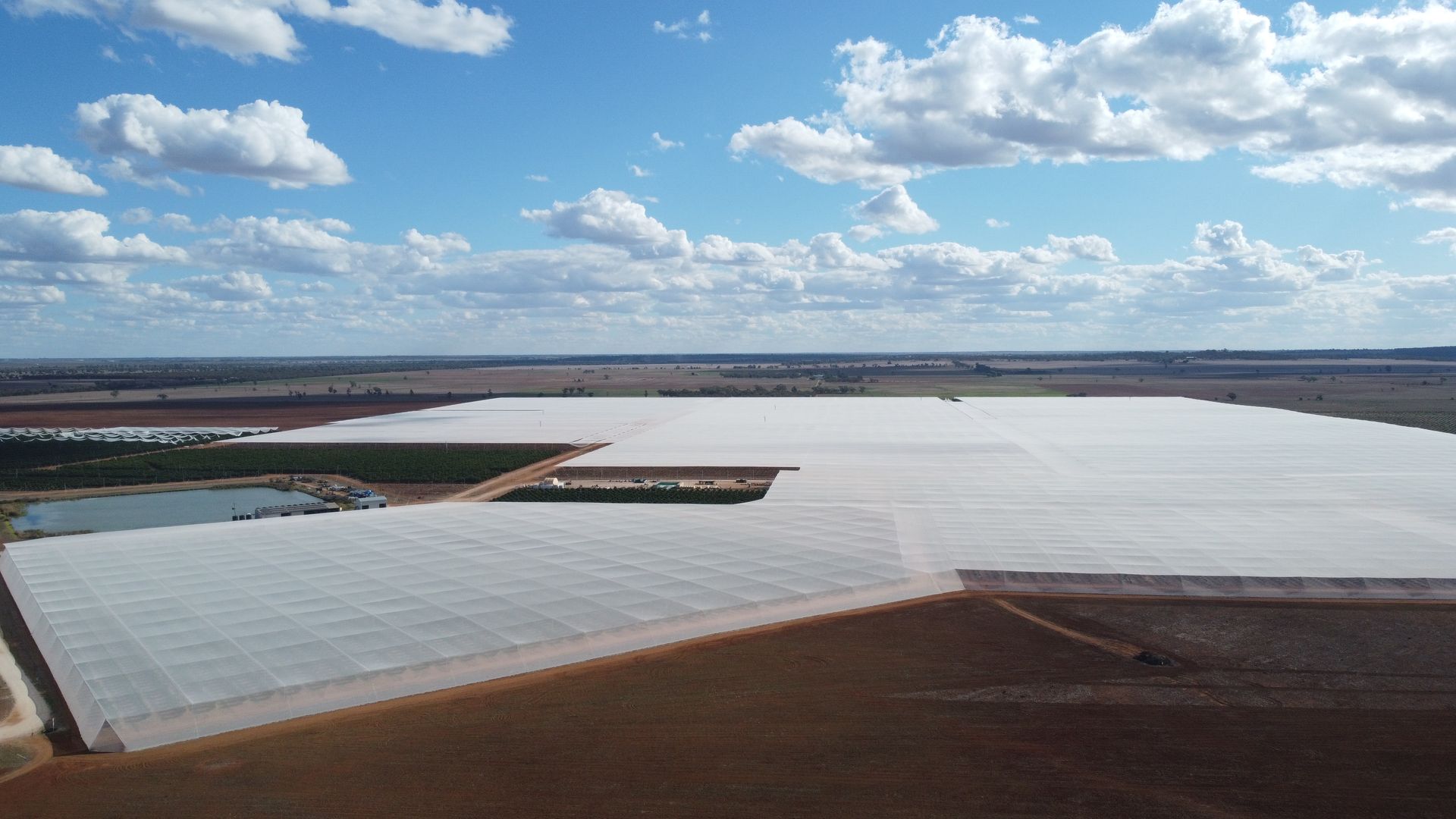
Looking to the future of farming practices, the brothers had netting installed before planting some 35 hectares of land in 2020. The results speak for themselves with an increase in overall plant growth, reduced water usage and better control over pollination.
“We're always looking at getting our best returns for our fruit, and with the least effort,” Sam said.
“Netting was a way of increasing the value of the fruit without actually doing any more work.”
As water scarcity and climate extremes continue to challenge Australian growers, G2 stands at the intersection of innovation, engineering, and sustainability, providing solutions that protect not just crops, but the future of farming itself.
NEWS
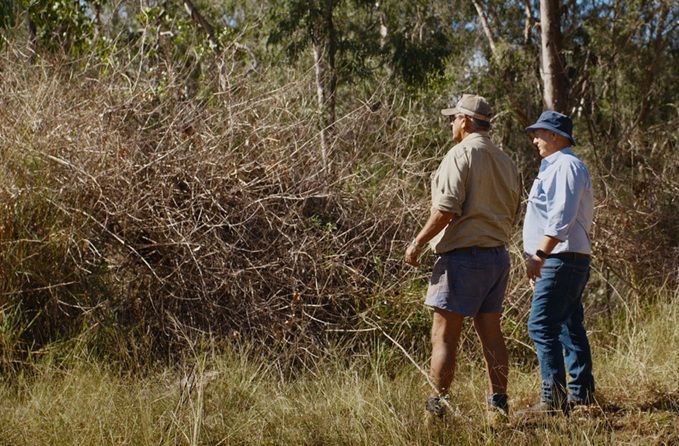
Invasive woody weeds steal your pasture. Method helps you take it back.
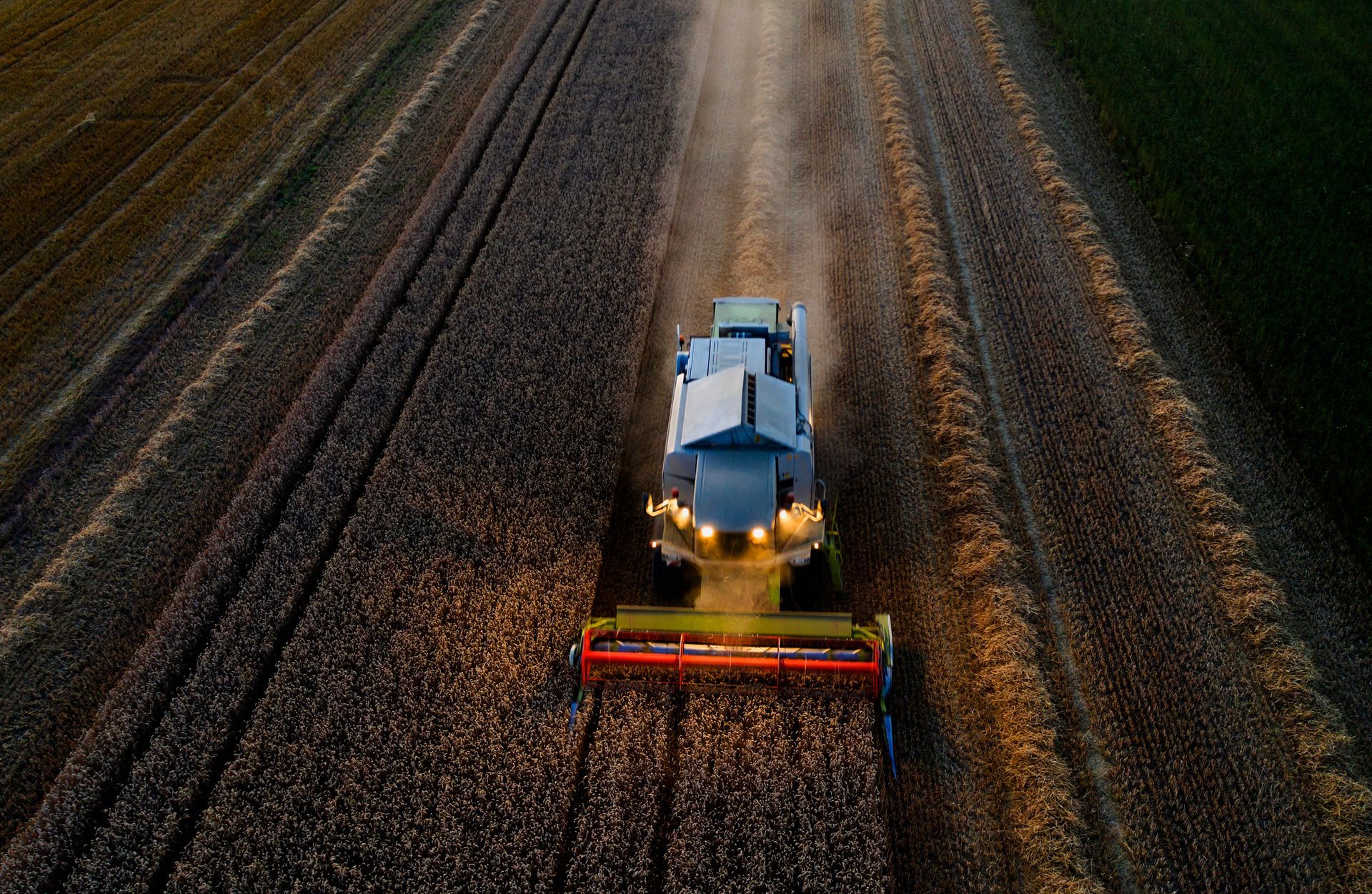
High-precision GNSS has typically been too costly and complex for all but the most critical agricultural operations, but recent RTK GNSS innovations have made centimetre accuracy scalable to all applications in Ag-Tech.
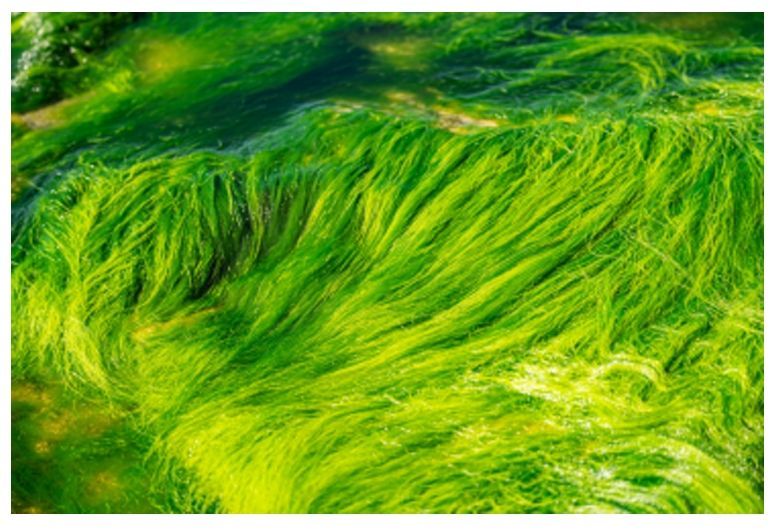
Every Aussie farmer knows that the difference between a “good” crop and a “record-breaking” one often come down to the smallest details. At BioFlora, we’ve spent years perfecting the balance of plant nutrition, and the result is IsoGreen – our powerhouse liquid formula designed to push your yields and crop taste to their absolute peak.
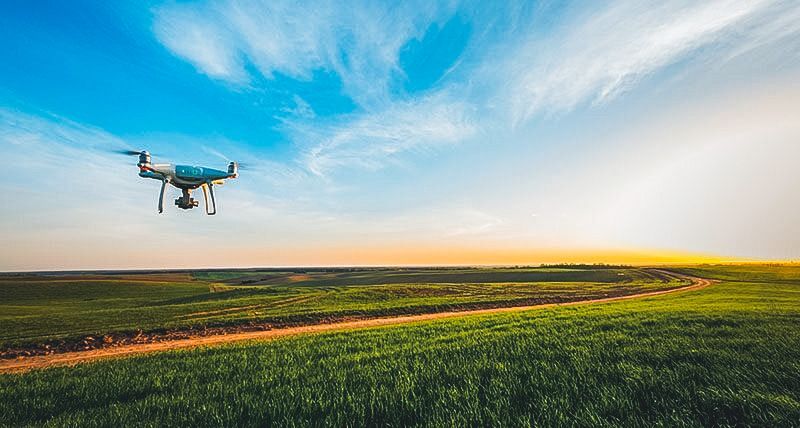
Plant, spray and harvest with confidence using reliable centimetre level positioning. Hexagon SmartNet provides fast, accurate RTK corrections across Australia to reduce overlaps, lower input costs and maximise productivity. With no base station required, simply connect, get a fix and get to work.

Built for the demand of Aussie farmers. Designed for every day performance.
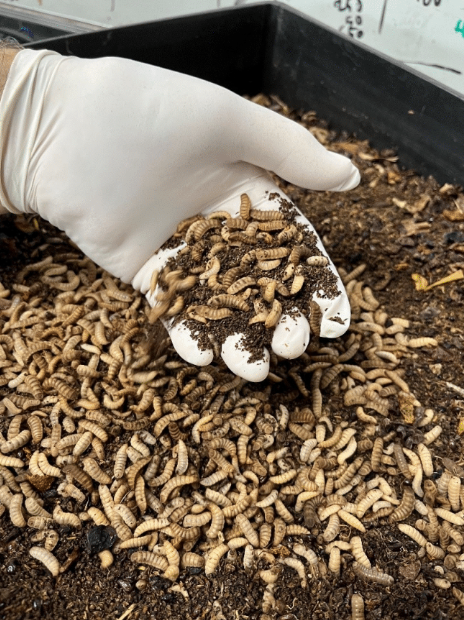
They’re wriggly black grubs more commonly tossed to backyard hens than served at the dinner table, but black soldier fly larvae could soon play a key role in building a more sustainable food system, according to new research from Adelaide University.