












































1MG FlippingBooks
From cameras to drones: Barko’s next frontier
Barko Security is bringing drone technology to agriculture while building on a decade of security and a lifetime of agricultural know-how.
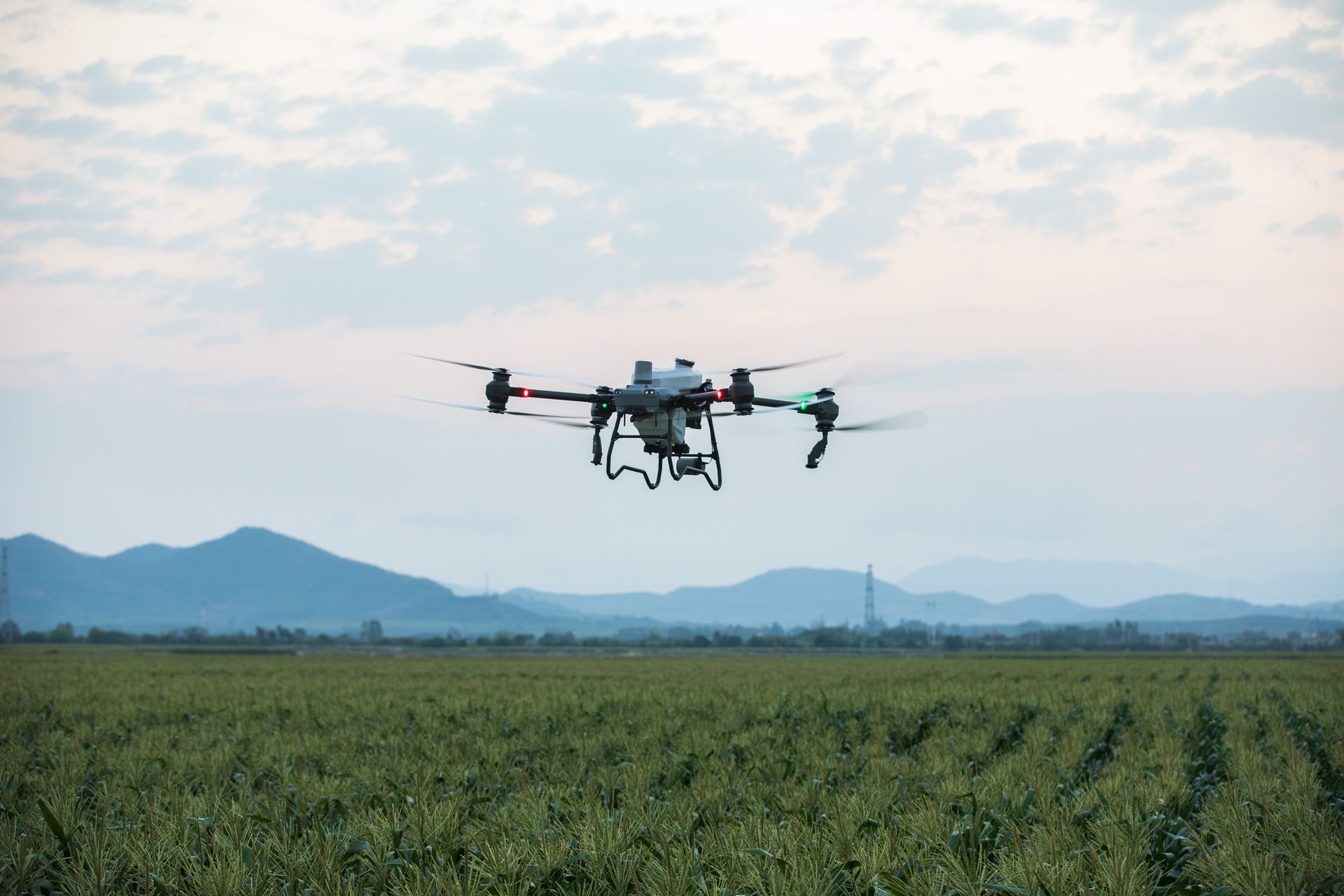
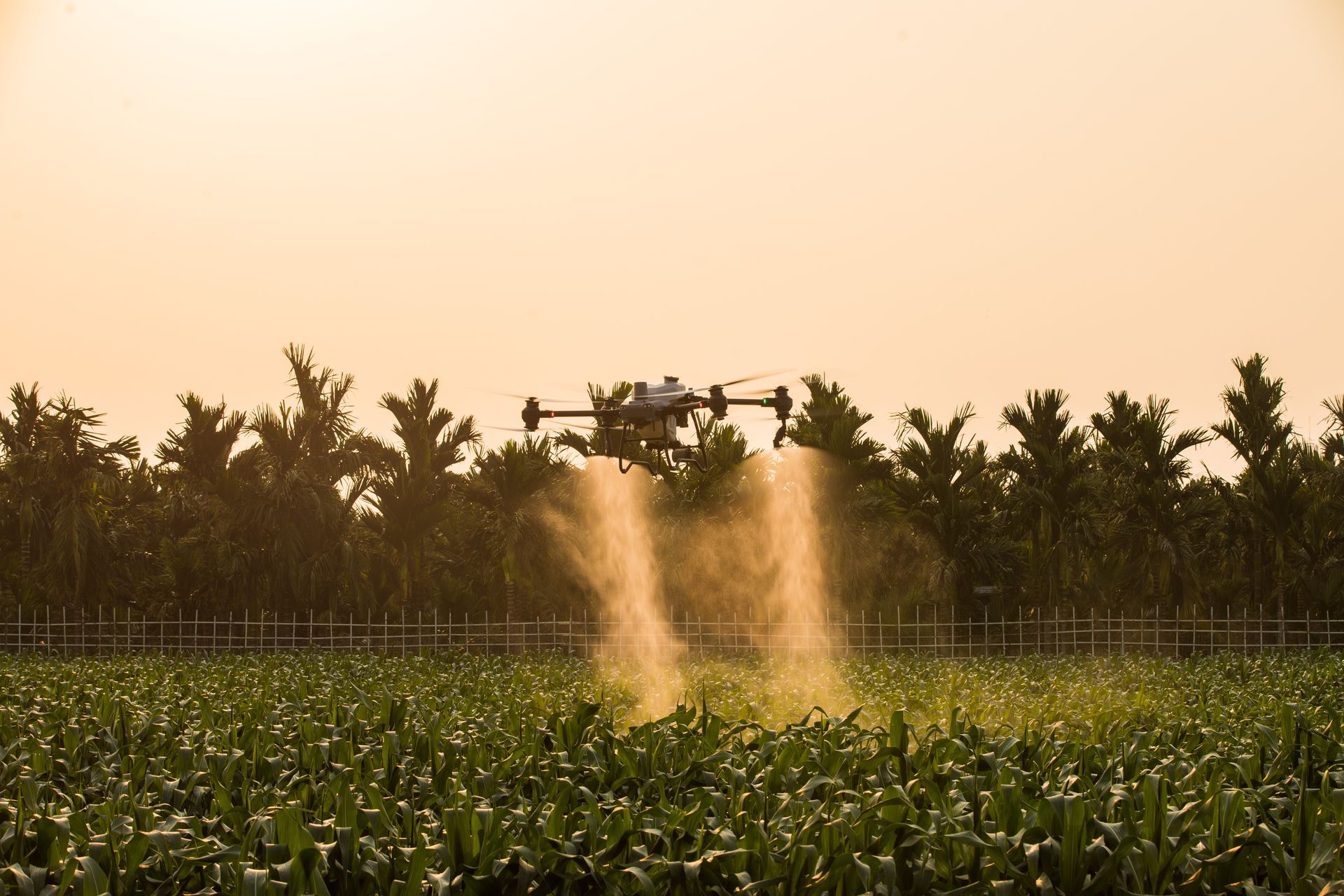
The Australian agricultural drone market, valued at $50 million (Ref: ABARES) in 2024, is expected to soar to $600 million by 2033 and is largely driven by innovative agricultural solutions. Drones are proving effective against persistent issues like vertebrate animal pests, such as pigs, foxes, rabbits, and birds, offering aerial perspectives once thought out of reach. A recent advance—drone-based pest mitigation—gives farmers new sophisticated tools to protect crops and livestock.
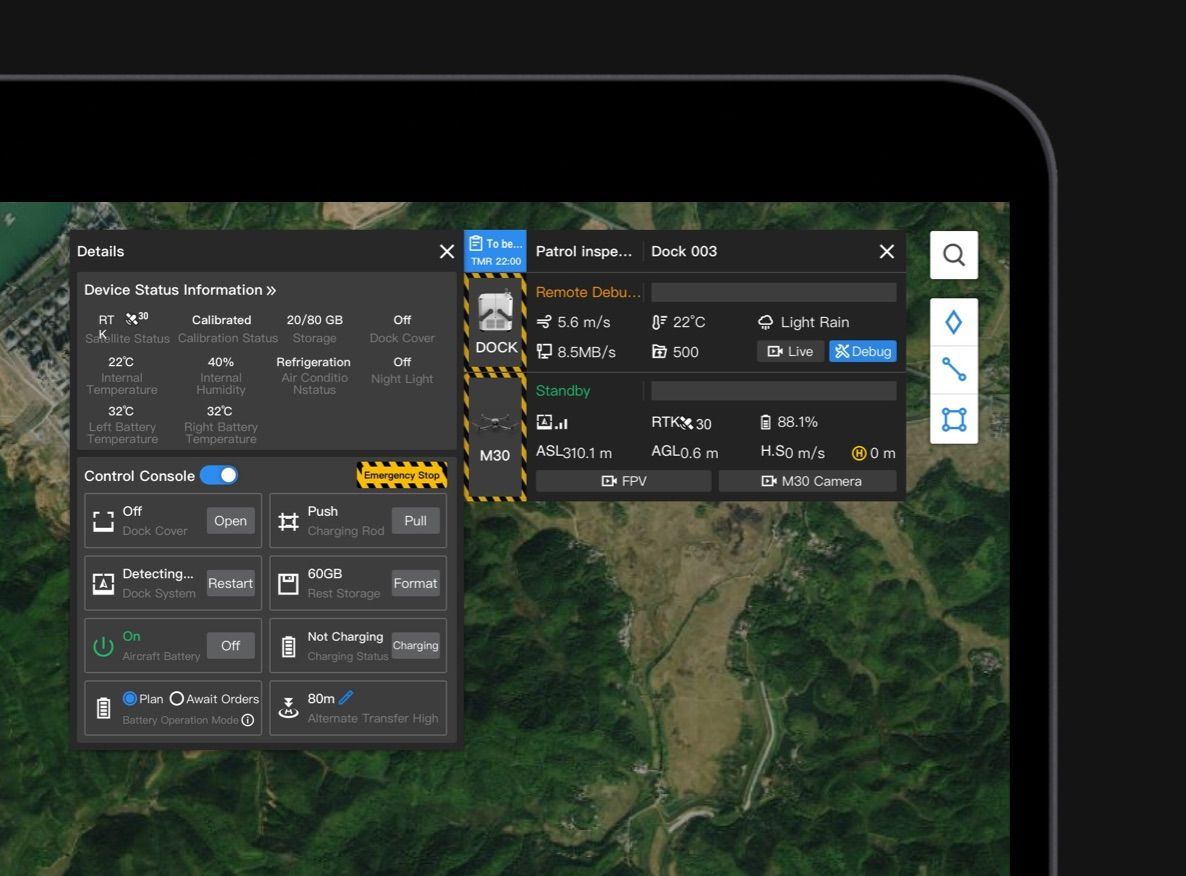
Barko Security, based in Grafton and known for rugged remote camera towers, is expanding into autonomous drones. Founder and CEO Tye M. Atkinson says the latest models, such as those from Chinse multi-national drone manufacturer DJI, can fly for an hour, autonomously recharge, and redeploy. Outfitted with green lasers to deter birds, acoustic speaker devices, and night-operation capability, these drones deliver powerful pest control.
Tye says Barko now provides a full suite of agri-drone services, from checking water, fences, and equipment to seeding remote areas and tracking missing livestock with thermal imaging and AI. The range highlights drones’ adaptability, advancing with every new innovation.
“Licensing requirements for aerial drones can be daunting, so that’s why we’ve partnered with a Registered Training Organisation to help our clients secure necessary certifications. Barko also offers support services such as financing, insurance, and technical support for smoother adoption,” he says.
Drones build on Barko’s core mission of farm security. Its fixed cameras already monitor distant paddocks and assets; integrating the latest in drone technology creates a unified platform with stronger aerial and ground coverage.
“The impact could be considerable: birds alone cause 20–30 per cent yield losses in some horticultural crops, costing Australia hundreds of millions of dollars annually [source: ABARES]. Even modest improvements in monitoring and deterrence, especially for berries, grapes, nuts, and grains, can quickly repay investment,” says Tye.
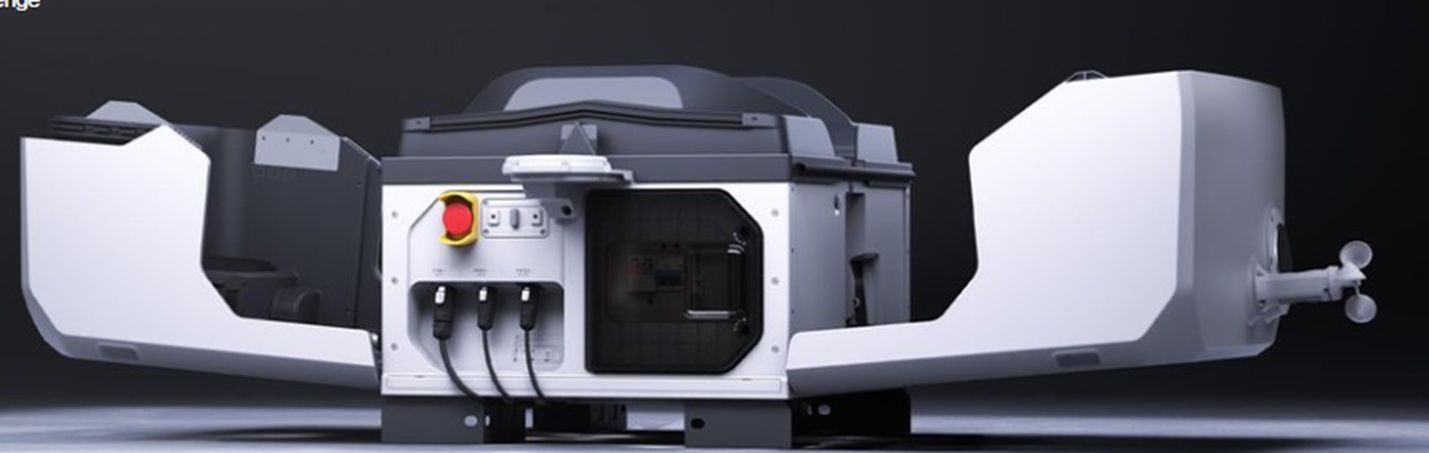
With personnel now trained on DJI Dock3 and DJI Matrice 4TD drones, Barko plans to roll out drone services first to horticulture before expanding into broader pest and weed management. This staged approach aims to equip farmers with versatile new tools, ultimately strengthening the security and sustainability of Australia’s agricultural sector.
Phone: 0455927360
NEWS
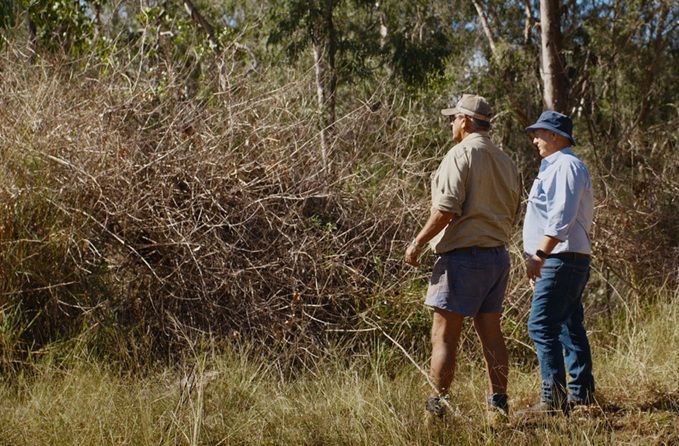
Invasive woody weeds steal your pasture. Method helps you take it back.
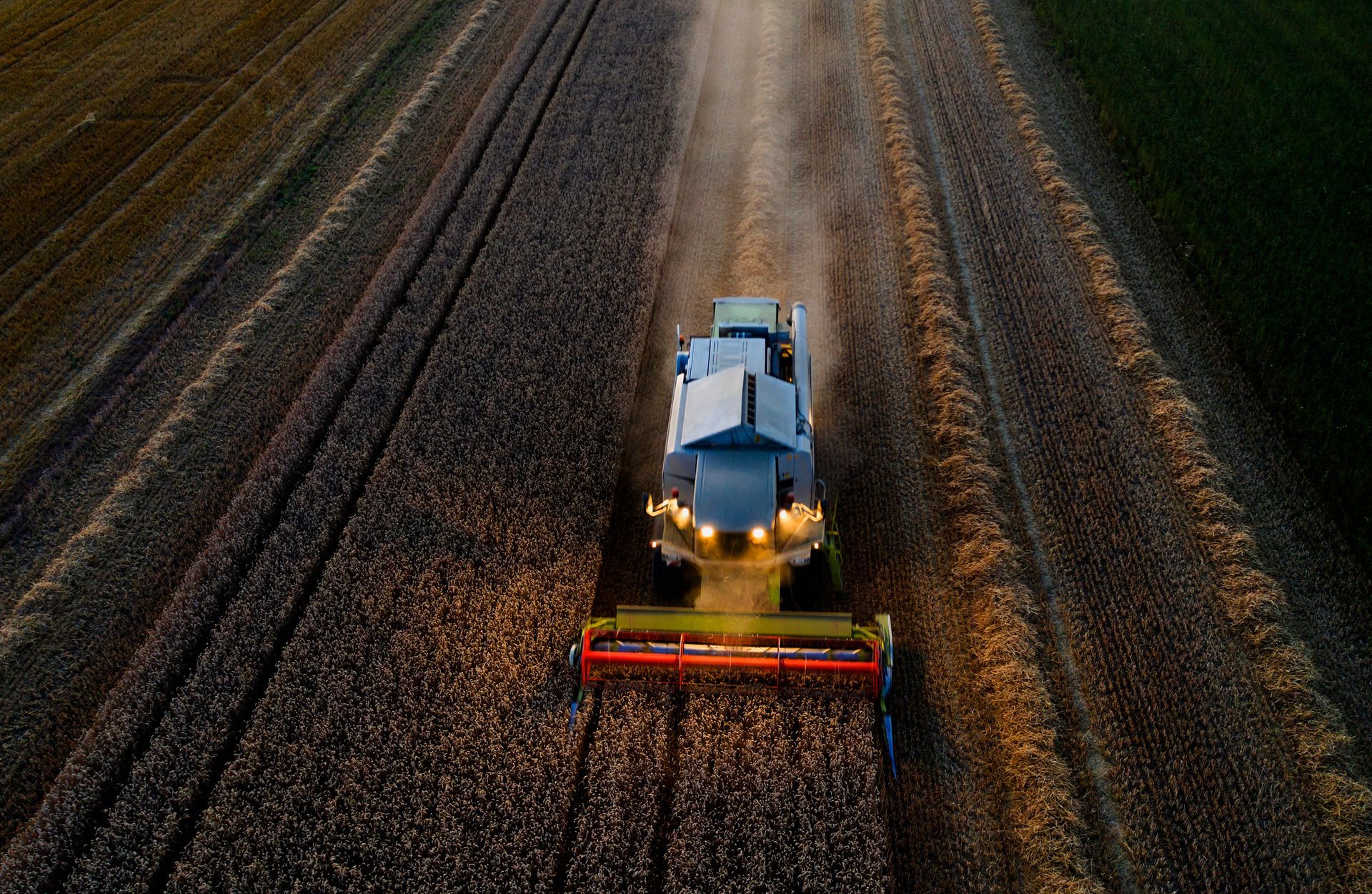
High-precision GNSS has typically been too costly and complex for all but the most critical agricultural operations, but recent RTK GNSS innovations have made centimetre accuracy scalable to all applications in Ag-Tech.
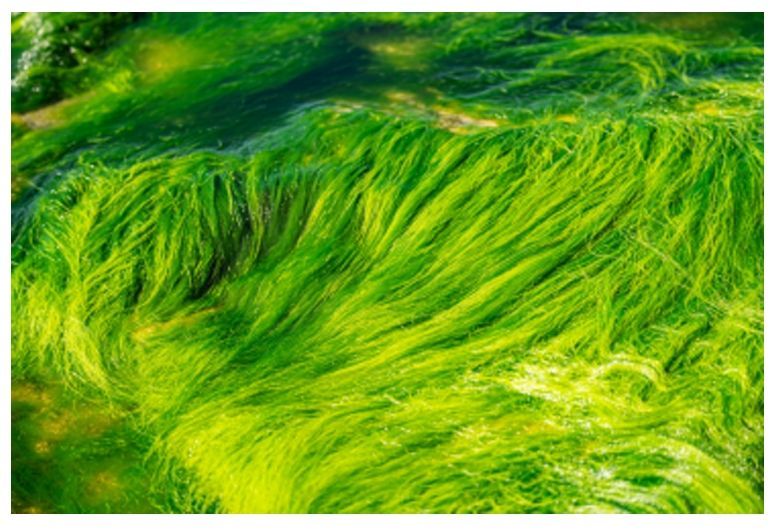
Every Aussie farmer knows that the difference between a “good” crop and a “record-breaking” one often come down to the smallest details. At BioFlora, we’ve spent years perfecting the balance of plant nutrition, and the result is IsoGreen – our powerhouse liquid formula designed to push your yields and crop taste to their absolute peak.
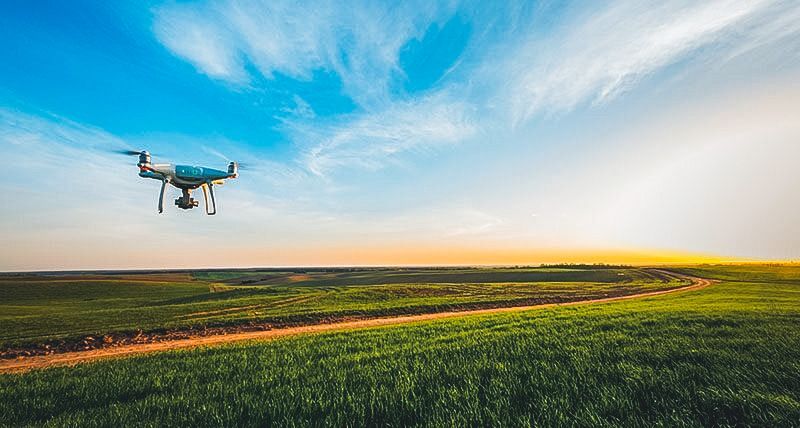
Plant, spray and harvest with confidence using reliable centimetre level positioning. Hexagon SmartNet provides fast, accurate RTK corrections across Australia to reduce overlaps, lower input costs and maximise productivity. With no base station required, simply connect, get a fix and get to work.

Built for the demand of Aussie farmers. Designed for every day performance.
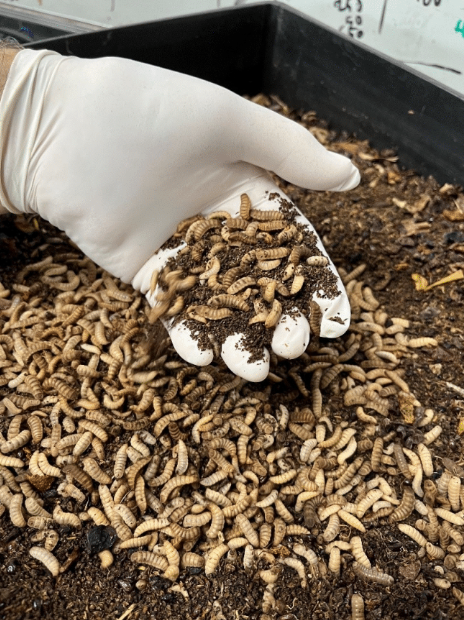
They’re wriggly black grubs more commonly tossed to backyard hens than served at the dinner table, but black soldier fly larvae could soon play a key role in building a more sustainable food system, according to new research from Adelaide University.