























































1MG FlippingBooks
Re-engineering plant resilience for a harsher Australian climate
Zenon Kynigos
Australia’s agricultural future will be shaped by more than just better genetics, bigger tractors, and more efficient inputs: our ability to help plants stay functional under stress. And right now, we have a knowledge gap that needs closing.
A New Production Reality: Stress as the Primary Yield Limiter
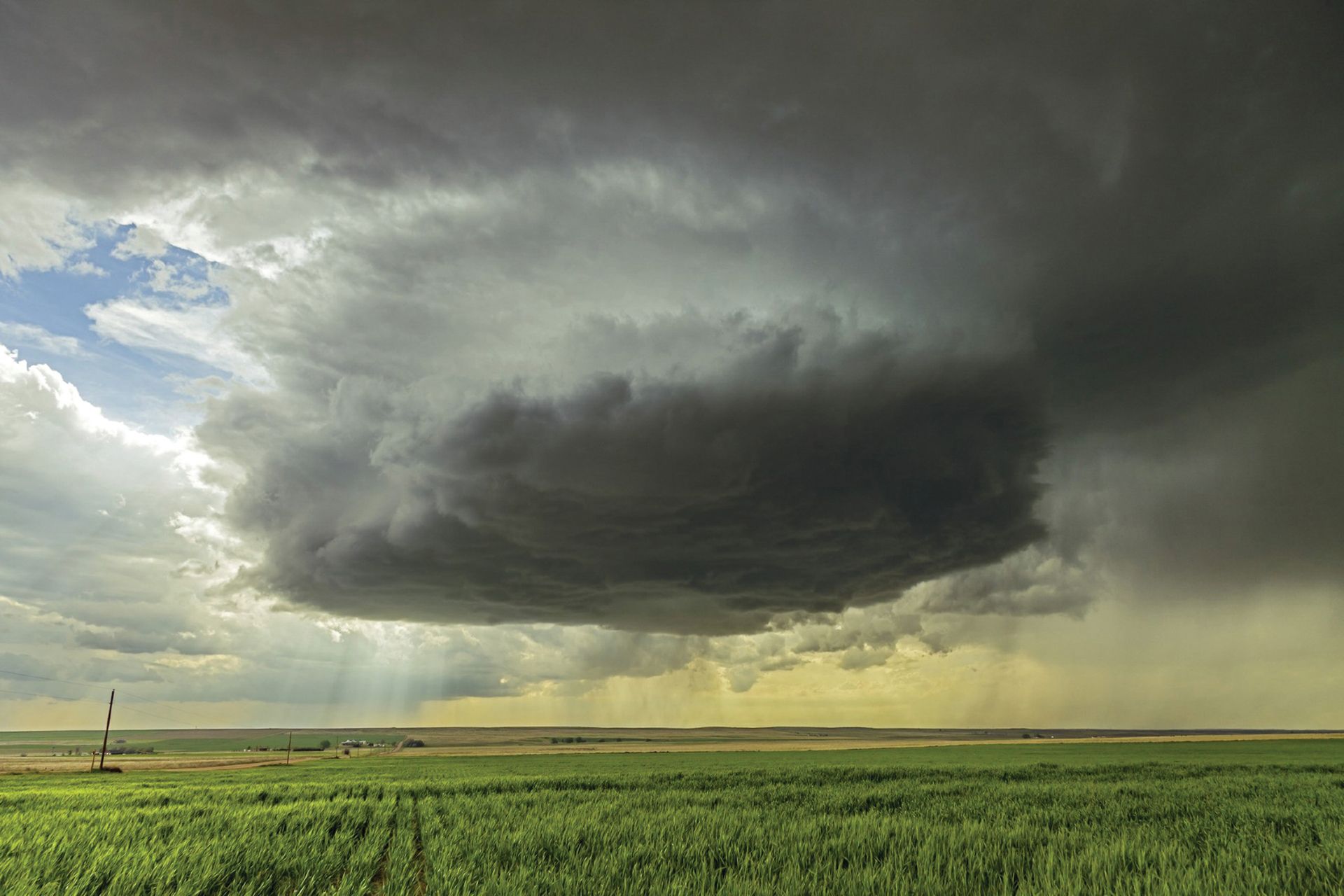
Across every state, growers are now encountering a type of volatility that is no longer “abnormal”. Hotter heatwaves, longer moisture deficits, intensifying storm cells, creeping salinity, waterlogging events that linger for weeks instead of days, unseasonal frosts, UV spikes, and cyclone-driven rainfall outside traditional patterns.
These pressures are not episodic disruptions; they are becoming the operating environment of Australian agriculture.
What many don’t realise is that all these stresses converge at the same physiological choke point: the plant’s internal stress-response systems. Global plant scientists widely note that abiotic stress accounts for up to 80 per cent of yield losses worldwide. Not pests. Not disease.
What’s especially important and still under-recognised, is that the damage starts long before symptoms appear. At the cellular level, stress accelerates the accumulation of reactive oxygen species (ROS) toxins, damages chloroplasts, disrupts osmotic balance, interferes with nutrient uptake and, ultimately, shuts down growth. By the time crops look wilted or scorched, much of the yield loss has already occurred.
In other words, the most important battles for yield happen invisibly, days or weeks before we see a problem.
This is the knowledge gap I’m most passionate about addressing. We cannot meaningfully advance agricultural productivity or sustainability if we continue treating abiotic stress as an unavoidable external event rather than a biochemical process that can be influenced, strengthened, and managed.
The Coming Decade Requires a Physiology-First Mindset
Australia’s agricultural innovation agenda is strong - autonomy, decision-support AI, robotics/drones, genetics, water-use efficiency, and soil carbon. But there is a missing pillar: physiological resilience.
If plants cannot sustain basic function during environmental shocks, every other investment - fertilisers, crop protection, irrigation, genetics - has diminished ROI.
For the next decade, three realities will shape Australian farming:
- Weather Extremes Will Intensify - Most climate models indicate this and it’s set to continue. This is not a problem for “future farmers”, it is today’s operating environment.
- Yield Will Be Determined by Stress mitigation, Not Stress Avoidance - We cannot irrigate our way out of heat stress. We cannot spray our way out of salinity. We cannot fertilise our way out of waterlogging. And we cannot breed our way out of every climatic shock.
But we can strengthen the plant’s internal protective systems - antioxidant pathways, ionic balance, membrane integrity, hormonal signalling - so that crops maintain function through stress rather than collapsing under it. - ESG, Sustainability, and Profitability Are All Improved When Plants Stay Functional - When crops cope better with stress, multiple downstream benefits emerge:
- Improved water-use efficiency
- Lower nutrient wastage and leaching
- Reduced need for reactive chemistry
- Higher quality per unit of input
- Lower losses and waste across the supply chain
- Better consistency for processors and exporters
- Building resilience is not just agronomy, it is climate adaptation, emissions reduction, and economic risk management.
A Practical Lesson from the Paddock: Resilience Is Measurable
One recent illustration of what is possible came from a potato crop in Bothwell, Tasmania.
After a major rainfall event delivered 60+ millimetres in a few hours - and left soils saturated for weeks, growers expected significant tuber rot. It never came.
Not because the weather was kind or disease pressure was magically low. But because the plants’ physiological resilience had been proactively strengthened during the season.
This raises an important point: Resilience is not a theory. It is observable, measurable, and economically meaningful.
And it is increasingly becoming a differentiator between crops that survive extreme events and crops that collapse.
Bridging the Knowledge Gap: What Growers Need to Know
Across Australia, farmers are experimenting with new tools - antioxidant triggers, osmoprotectants, ionic balancers, metabolic stabilisers, functional fertilisers, and biostimulants. But adoption is uneven, and understanding is still developing.
Here are three principles growers need to anchor to:
- The most effective stress tools work by modulating plant physiology - not by adding “more nutrition”. Plants under stress do not lack NPK (nitrogen, phosphorus, and potassium); they lack stability and energy. Products that activate internal protective systems matter more than those that simply feed the plant.
- Prevention always outperforms reaction. Stress physiology is forward-driven. By the time damage is visible, the cascade has already occurred.
- Resilience should be treated as a monthly investment (like insurance) not a once-a-year rescue. The future will favour growers who build resilience as a continuous layer of protection.
Where Science and Industry Must Go Next - The Call to Action
Weather extremes may be outside growers’ control, but resilience is not.
If we expect to maintain profitable yields, meet sustainability targets, decrease nutrient losses, reduce waste, and protect Australia’s agricultural competitiveness, we must treat plant resilience as a core innovation frontier - not an optional add-on.
Our sector has long excelled in soil science, irrigation, genetics, and crop protection.
The next leap will come from understanding the plant itself - its stress machinery, its energy systems, its ability to self-protect when supported correctly.
And that is where we must invest our collective attention if we want farming systems that withstand, adapt, and thrive in a climate we can no longer predict.
Zen Kynigos is a crop science technologist at Prodoz International. With an interdisciplinary professional background, his focus is on plant physiology, soil biology, and sustainability.
NEWS
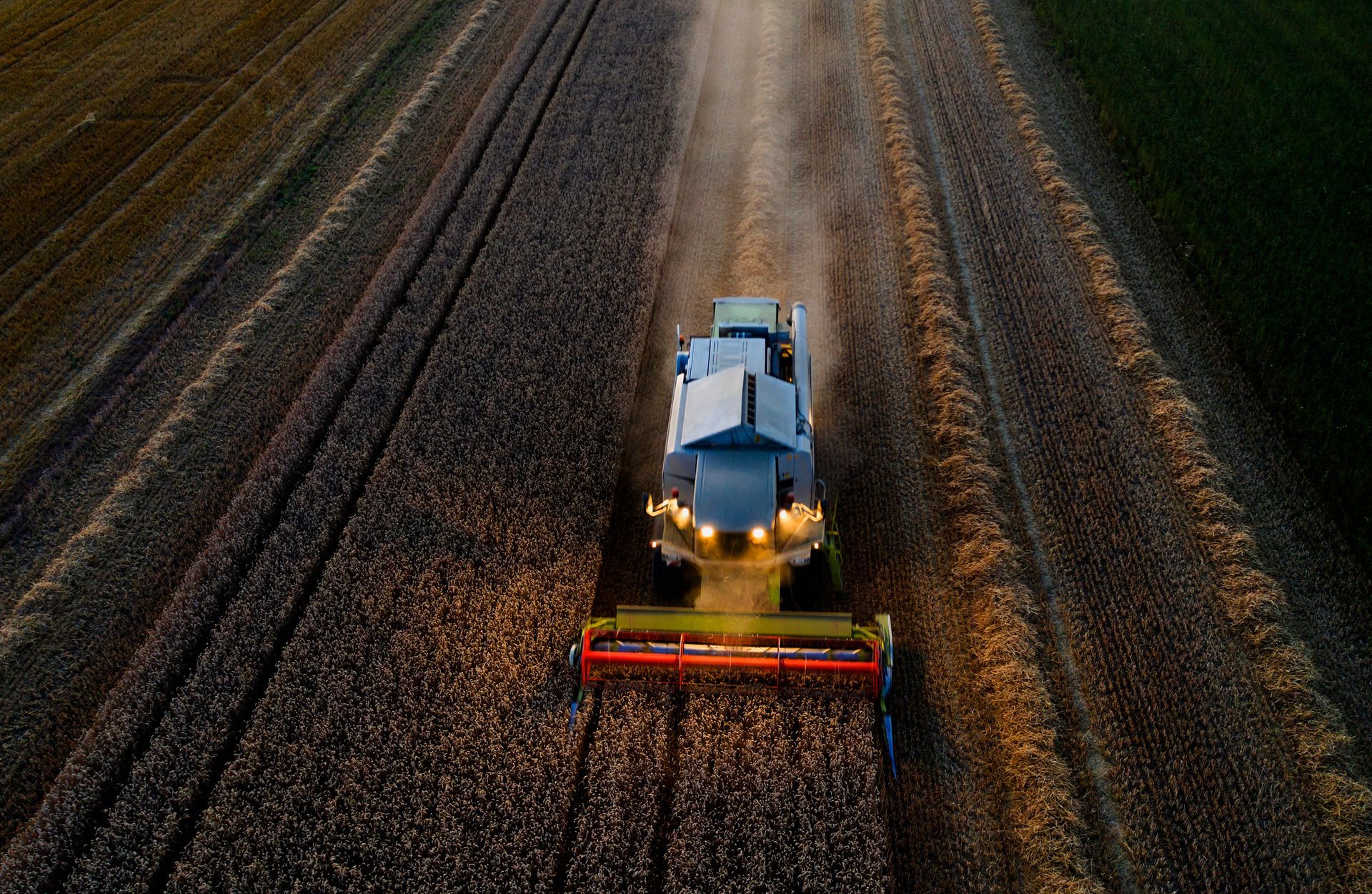
High-precision GNSS has typically been too costly and complex for all but the most critical agricultural operations, but recent RTK GNSS innovations have made centimetre accuracy scalable to all applications in Ag-Tech.
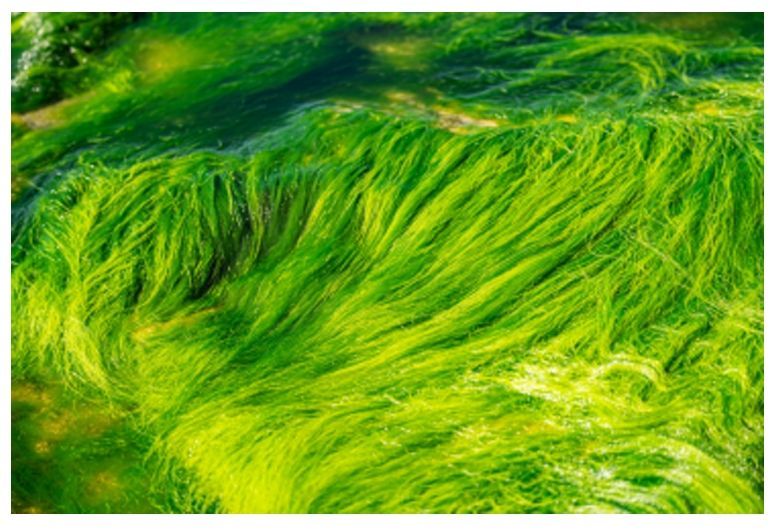
Every Aussie farmer knows that the difference between a “good” crop and a “record-breaking” one often come down to the smallest details. At BioFlora, we’ve spent years perfecting the balance of plant nutrition, and the result is IsoGreen – our powerhouse liquid formula designed to push your yields and crop taste to their absolute peak.
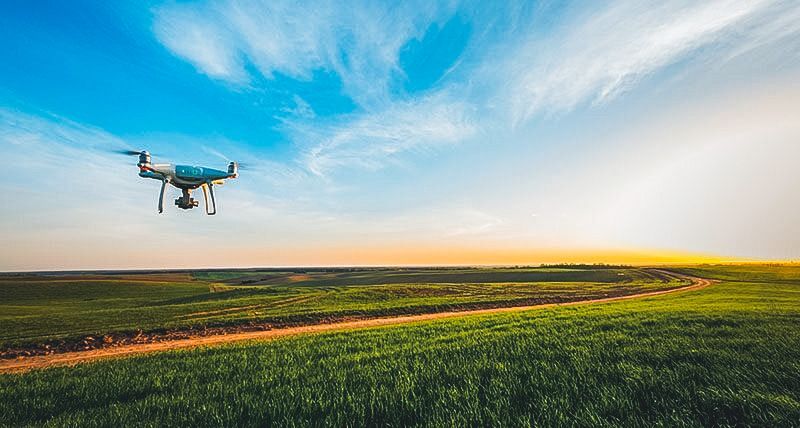
Plant, spray and harvest with confidence using reliable centimetre level positioning. Hexagon SmartNet provides fast, accurate RTK corrections across Australia to reduce overlaps, lower input costs and maximise productivity. With no base station required, simply connect, get a fix and get to work.

Built for the demand of Aussie farmers. Designed for every day performance.
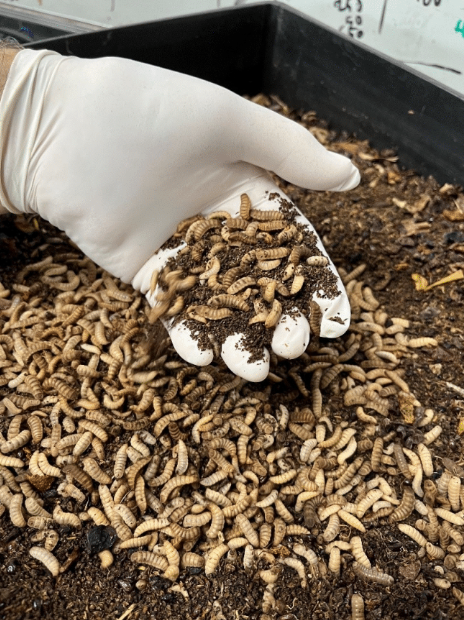
They’re wriggly black grubs more commonly tossed to backyard hens than served at the dinner table, but black soldier fly larvae could soon play a key role in building a more sustainable food system, according to new research from Adelaide University.
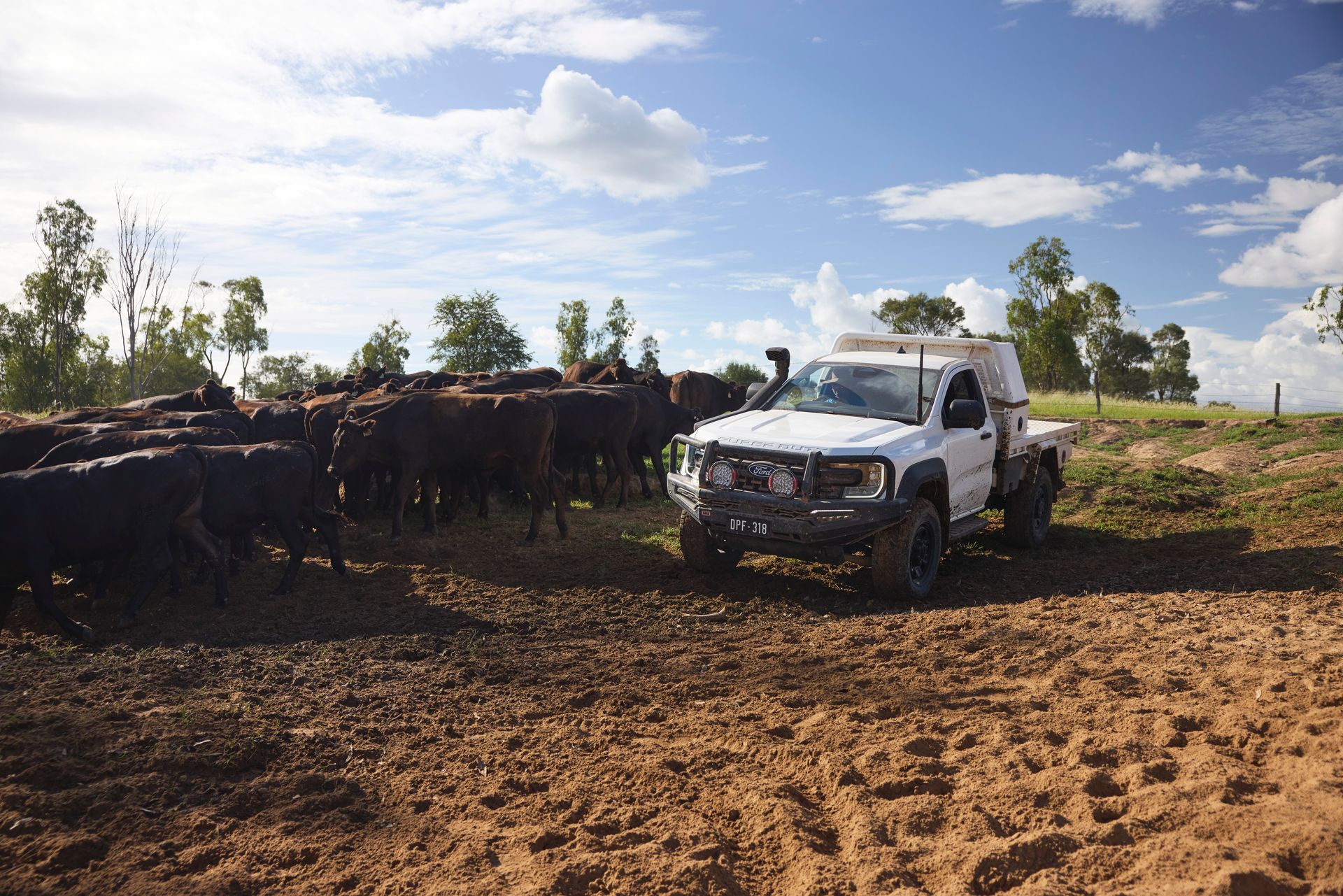
After four years of customer research and 500,000 test kilometres, Ford says the Ranger Super Duty brings farmer-driven customisation into the factory, with more towing, payload, and durability built in.