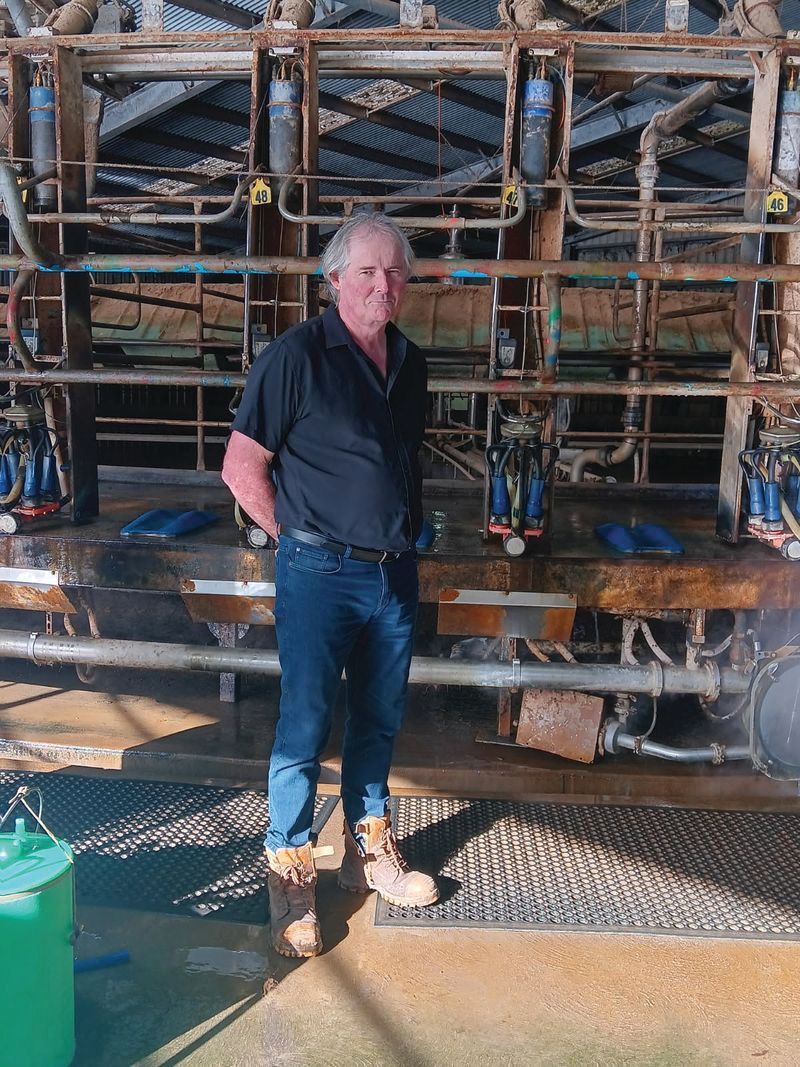
Bernie Free is President of United Dairyfarmers of Victoria. He was born into a family with deep roots in dairy farming and has an academic background in agricultural science.
Technology and teamwork drive a new era for dairy
Bernie Free
Australia’s dairy heartland is under pressure. Rising costs, shrinking milk pools, and ageing farmers test resilience, but new technology and fair policy could revive the industry.
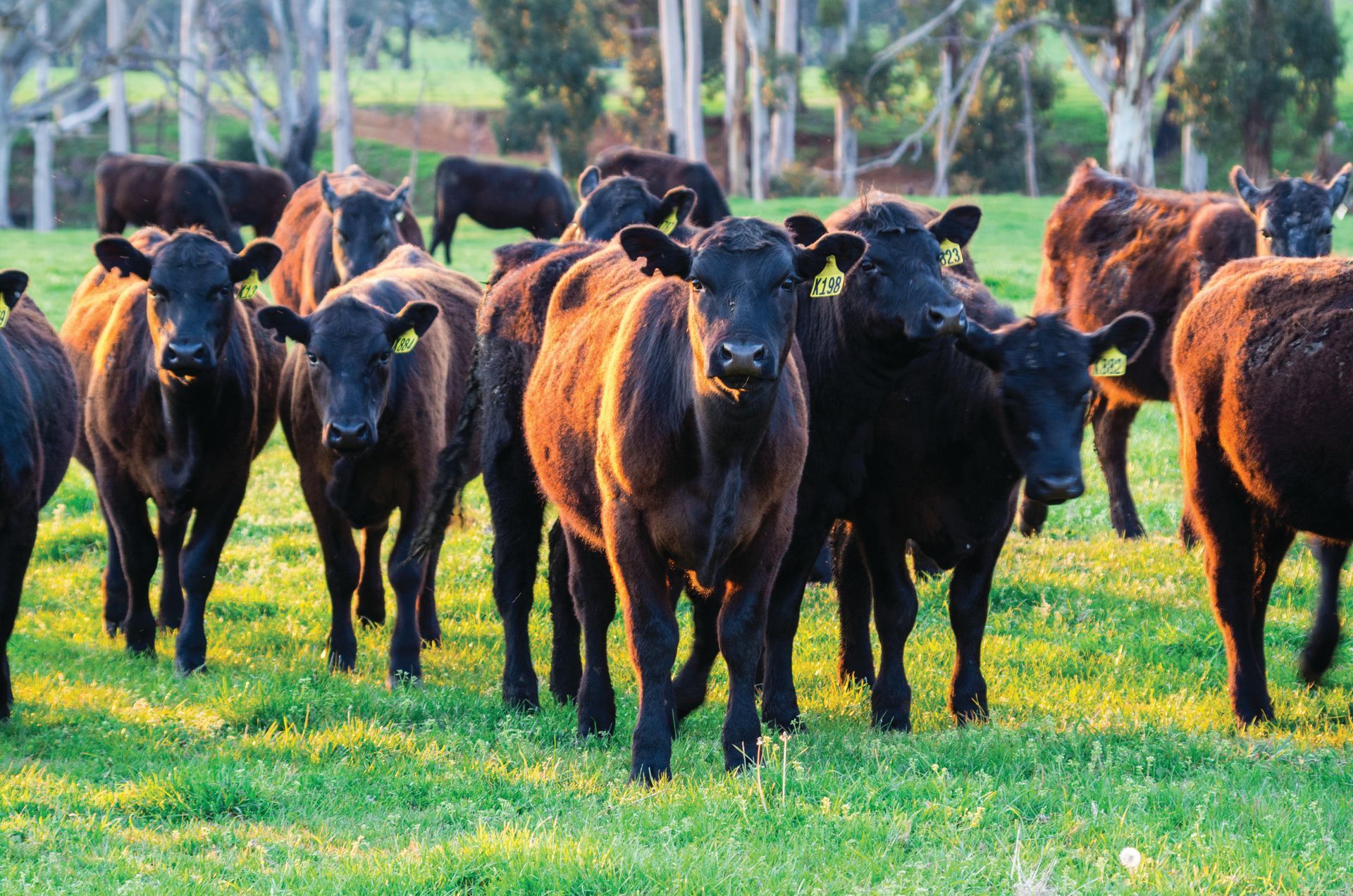
Agriculture is the backbone of rural Australia. I see it every day—our livelihoods depend on the land, the animals, and being able to feed folks.
Climate change and carbon reduction matter. But the truth is you can’t be green if you're in the red. If farms aren’t profitable, nothing else works.
Farmers here do more with less every year. Less land, fewer inputs, a smaller footprint. That’s something to be proud of. We're doing our bit for the nation’s carbon tally just by running more efficiently.
But we’re at a real crossroads now. Twenty years back, we had close to 8,000 dairy farms. These days, there’s only about 3,900 left and falling every season.
Most of the farms still standing are bigger, using new tech and smarter ways of working just to keep afloat.
Across Australia, we're producing just over eight billion litres of milk this season. That’s everything—milk, cheese, butter. But the milk pool keeps shrinking. Rabobank’s latest forecast says national output is set to drop another 1.7 percent this year.
Fewer cows, expensive feed, dry weather in western Victoria and beyond. Some farms can’t make it work and close their gates for good.
Feed shortages, rising hay prices, and stubborn dry spells hit us hard. When rain does come, it’s patchy. Most paddocks don’t bounce back. Technology and scale have helped, but with costs and climate the way they are, even good operators struggle.
Bigger, more productive farms are now the norm. Smaller ones are doing it tough, not for lack of grit, but because prices don’t meet costs. Feed, power, and fertiliser costs keep climbing, and payouts aren’t close to enough.
Most producers this past season averaged about $9.20 per kilogram of milk solids, but plenty fell short of earning even a fair wage after costs. We’re seeing tough times, especially with patchy rain in Victoria and market uncertainty from overseas.
Young people aren't flocking to dairying either. Older farmers are hanging on, but unless we make things more viable, towns will hollow out. Communities fade if the next generation can’t see a future.
So, what’s going to change it? Technology is crucial, and it’s only just getting started. Years ago, it was tractors and basic computers. Now we’ve got drones in the paddocks, sensors in the dairies, and software helping pick better cows, manage feed, and spot disease early.
Automation isn’t just for the big players. It’s making its way onto family and midsize farms too. The next decade should bring more useful tech: robotics, AI, digital tools.
It’s these tools that give me hope. Technology will help us handle tough seasons, lower risk, and look after our herds. But it has to be a fair go for everyone, or the gap gets wider.
Government needs to play its part. We need proper support. Right now, the market’s tilted towards the supermarkets and processors. They set the price, squeeze the farmer, and still charge top dollar at the shop. That’s not right. If things tip too far, only middlemen win.
Australia’s got a strong ag sector. But if we lose fairness and good prices, more farms will shut, and good local jobs will dry up. Policy should back fair trade, support exports, and help farmers deal with drought and high costs.
Profit has to be our main benchmark. Profit is what lets us invest in tech, creates jobs, and keeps towns going. Last year, farmers earned about $6 billion from milk sales at the farm gate. That’s money paid direct to farms for raw milk—before it gets processed or shipped out. Most of that cash gets spent right in country towns. It keeps local families afloat, pays workers, and helps out the businesses we rely on every day. About a third of our milk went to exports.
Input costs keep climbing. Water, feed, power—all up. Climate risk knocks us back each year. We need to get strategy sorted out quickly.
Here’s what’s needed. Push innovation from lab to paddock.
Support midsize and family farms to scale up, team up, or find their niche. Fix market rules so it’s fair for the farmer. Work to keep trade open and strong. Make policy that helps with water, infrastructure, and climate shocks.
The next 10 or 15 years will decide our future. Do we sharpen up and stay competitive? Or do we fade as towns and farms shut down?
The answer is clear. Productivity, profit, and fairness are what matter. Australia’s farmers feed our people and keep communities alive. Let’s back them with smart policy, fair markets, and new ideas, so country towns stay strong.
NEWS
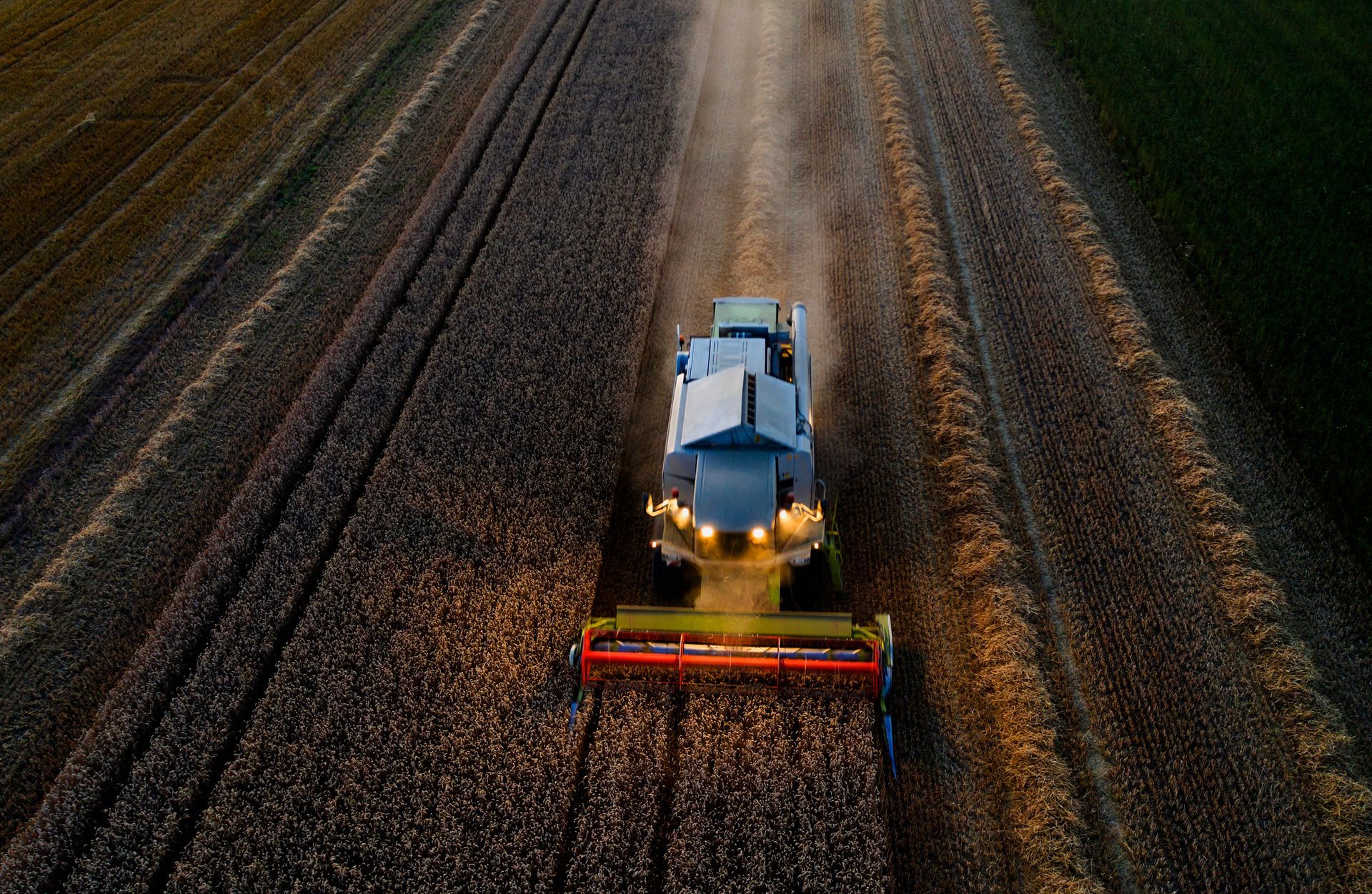
High-precision GNSS has typically been too costly and complex for all but the most critical agricultural operations, but recent RTK GNSS innovations have made centimetre accuracy scalable to all applications in Ag-Tech.
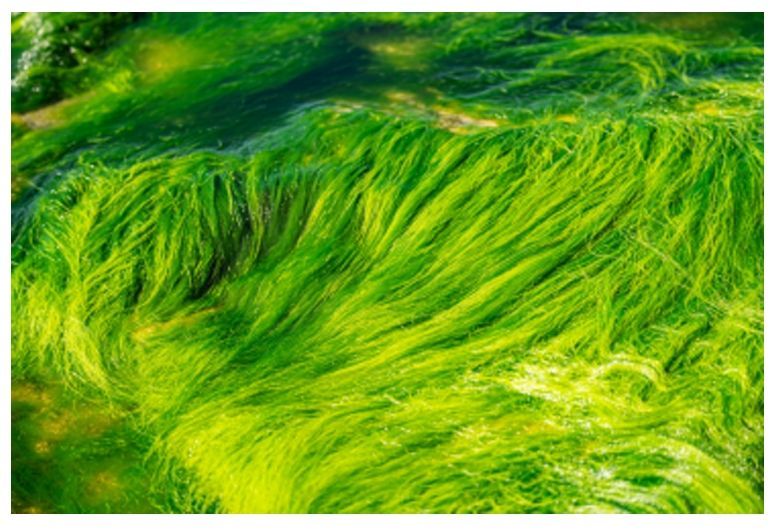
Every Aussie farmer knows that the difference between a “good” crop and a “record-breaking” one often come down to the smallest details. At BioFlora, we’ve spent years perfecting the balance of plant nutrition, and the result is IsoGreen – our powerhouse liquid formula designed to push your yields and crop taste to their absolute peak.
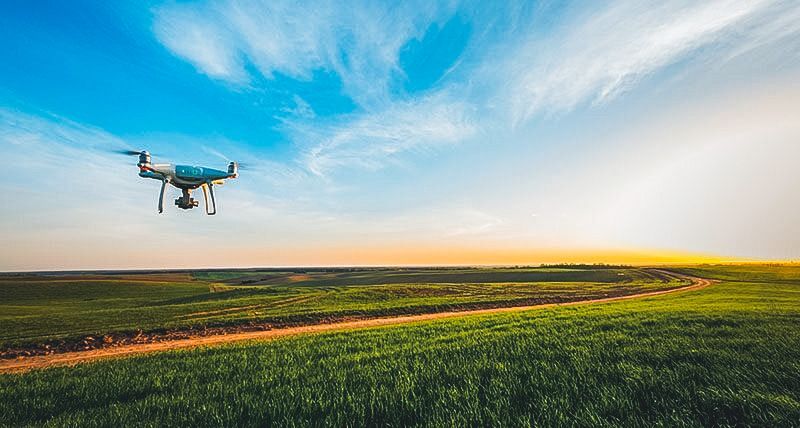
Plant, spray and harvest with confidence using reliable centimetre level positioning. Hexagon SmartNet provides fast, accurate RTK corrections across Australia to reduce overlaps, lower input costs and maximise productivity. With no base station required, simply connect, get a fix and get to work.
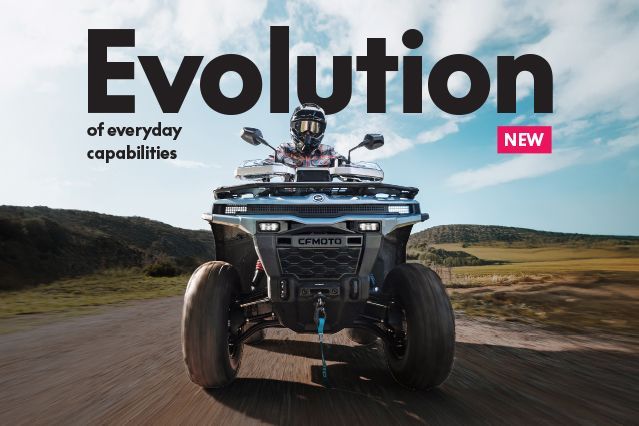
Built for the demand of Aussie farmers. Designed for every day performance.
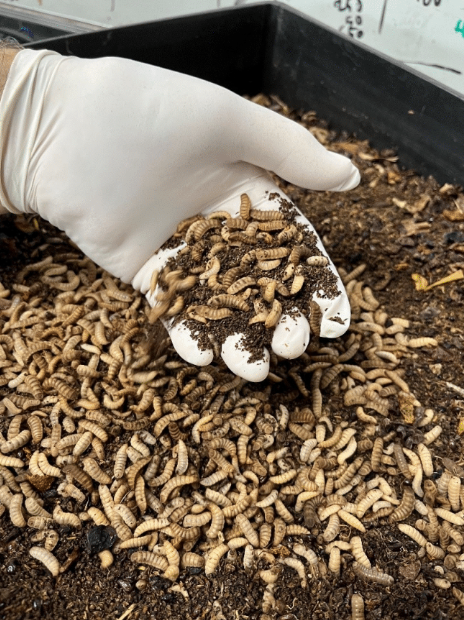
They’re wriggly black grubs more commonly tossed to backyard hens than served at the dinner table, but black soldier fly larvae could soon play a key role in building a more sustainable food system, according to new research from Adelaide University.
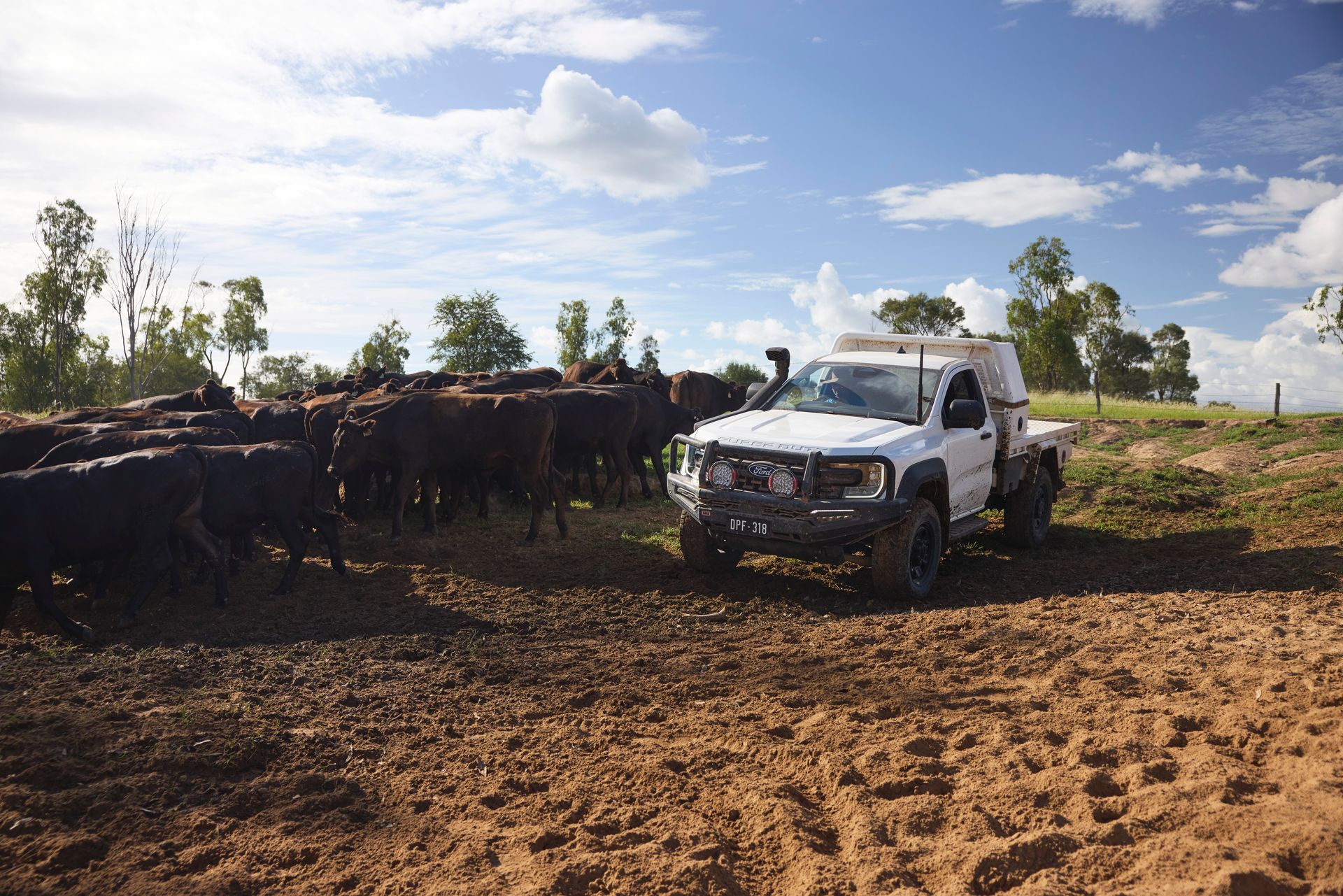
After four years of customer research and 500,000 test kilometres, Ford says the Ranger Super Duty brings farmer-driven customisation into the factory, with more towing, payload, and durability built in.