Professor Matthew Tucker is Director of the Waite Research Institute and a plant scientist advancing crop innovation through genetics, breeding, and interdisciplinary research for sustainable agriculture.
From innovation to impact: transforming crops for today and tomorrow
Professor Matthew Tucker
Australian agriculture must rethink crop choices and innovation strategies to ensure sustainability, climate resilience, and profitability amid market shifts, regulatory changes, and research system pressures.
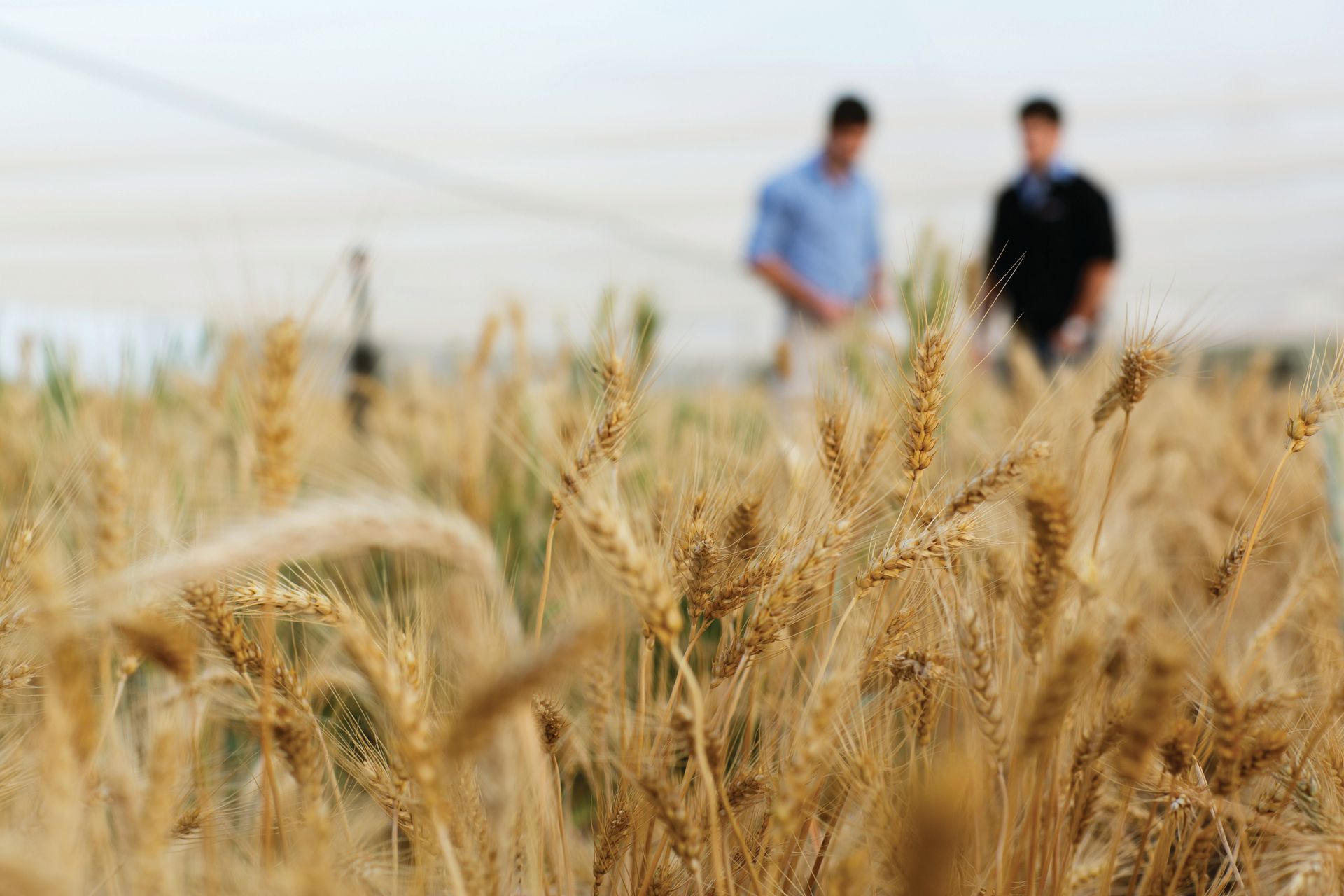
Agriculture is one of the pillars upon which Australia is built. It is a productive, progressive, and profitable industry that has survived many challenges, and supported our nation through good times and bad. However, if you read financial forecasts, attend industry briefings, or spend time late at night trawling through statistics, agriculture is now at a crossroads. As climate variability intensifies, accountability for sustainable farming snowballs, and global markets shift, the crops we’ve traditionally relied upon are facing challenges and suddenly may no longer be the best fit for our future. I am often asked about the future of our staple crops such as wheat, barley, oilseeds and pulses, which collectively generated $23 billion1 for the Australian economy in FY2024/25. Should we focus more on how we grow, what we grow, or where we grow to improve productivity? And are current Australian research and translation systems equipped to support the innovation that will answer these questions, or must we look overseas?
Australian growers are remarkably quick to embrace change. For example, ABARES data shows recent shifts towards increased hectares of crops such as lentils and canola, whereas crops of barley and wheat have remained relatively static over time1. These decisions are often driven by commodity prices, not agronomic sustainability. In some cases, growers are pushing rotations to the limit, chasing short-term gains at the expense of long-term soil health and system resilience. Should market signals alone dictate our agricultural future? Perhaps in the short term, this is the only way to overcome exorbitant fertiliser, fuel, and logistics prices. The bottom line is critical, but we need to think strategically about the crops we grow — not just for profitability, but for sustainability, climate resilience, and food security.
Rethinking What We Grow
One strategy moving forward is to improve the crops currently in the Australian system. Traditional breeding remains a powerful tool and has delivered steady yield improvements over an extended period2. However, natural genetic diversity within species remains an underutilised resource to introduce new traits into breeding programs; the advent of cost-efficient genome sequencing is allowing researchers to uncover the genes underlying these traits. Breeding is also being supercharged by new technologies like gene editing and synthetic biology. Mutational breeding — using radiation or chemicals to induce genetic variation — has also delivered important gains, particularly in crops like barley and chickpeas. Researchers have recently developed smart techniques to quickly induce mutations and detect specific changes in the DNA, allowing new genetic stocks to be rapidly identified with traits such as altered architecture or non-GM herbicide tolerance3. Grower levy bodies such as the GRDC are paying close attention to these technologies4,5 as a way of supporting breeders and growers. Some of these methods are often overlooked in public discussions, but they remain a valuable part of the innovation toolkit.
I recently attended conferences on seed biology in the USA and France. It appears likely that apomixis (clonal seeds) and hybrid vigour (heterosis), which offer significant yield improvements6, have a real future in cereal breeding programs7. It’s been almost 30 years since I first read about the promise of fixing heterosis in cereal crops. Even with funding from generous benefactors such as the Gates Foundation, it’s taken a long time to get to this point. Is our research innovation ecosystem really set up to deliver new disruptive technologies on a national level? Who will take on the risk of testing these technologies and determining whether they stack up in the Australian environment?
Innovation Needs Support
Of course, developing and applying new technologies for new crops isn’t just a matter of science — it’s also about systems. Innovation requires investment, infrastructure, and a regulatory environment that supports timely translation from lab to paddock.
Right now, Australia’s research sector is under significant pressure. Budget cuts to research organisations such as CSIRO have resulted in the loss of hundreds of millions of dollars in research capacity8. Universities are being asked to do more with less9: train the workforce of the future, deliver industry-relevant research, and maintain global competitiveness — all while navigating uncertain funding models.
The Australian Government is currently reviewing the research funding landscape, including the role of the Australian Research Council (ARC) and the National Collaborative Research Infrastructure Strategy (NCRIS). These reviews are timely. We need a system that supports both fundamental discovery and applied outcomes — and that recognises the long lead times often required to develop new crops.
At the same time, regulatory frameworks are evolving. Recent changes to gene technology regulations have clarified that certain gene editing techniques (like SDN-1) are not considered genetically modified organisms (GMOs), reducing red tape for introduction into growers’ fields. Broader reforms to gene technology and biosecurity laws are still underway. It’s unclear whether the decision to consider the more powerful SDN-2 technique as GMO will be revisited, despite other countries adopting a less stringent approach. There’s a risk that increased regulatory requirements could slow the adoption of new technologies or restrict access to global genetic resources.
Building a Better Innovation Pipeline
Despite these challenges, Australia maintains some world-class infrastructure to support agricultural innovation. NCRIS facilities like the Australian Plant Phenomics Facility, Bioplatforms Australia, and the newly launched Plant Synthetic Biology Australia (PSBA) are helping bridge the gap between research and application.
PSBA, in particular, offers a promising model. PSBA is a recent $20 million investment with nodes across the country; it provides “research hotels” — shared lab spaces with specialist expertise — that allow researchers and startups to rapidly prototype and test new ideas. By supporting the full synthetic biology pipeline, from design to evaluation, PSBA is aimed at accelerating the delivery of climate-smart crops and bio-based agricultural solutions.
Australia needs more than just facilities. We need a national strategy that aligns research priorities with agricultural needs, reduces barriers to innovation, and ensures that a workforce is available in the lab and on the land to ensure delivery of new tech to the paddock.
A Bold Future Awaits
The future of Australian agriculture depends on our ability to adapt — not just to climate, but to markets, technologies, and global trends. That means rethinking what we grow, how we grow it, and how we support the science that underpins it. Two recent events have impacted my thoughts about this. First, Adelaide University will officially emerge on 1st January 2026 as a merger of two foundational Universities, the University of Adelaide and the University of South Australia, becoming the fifth largest university in Australia overnight. As part of the merger process, a new research strategy for Food, Agriculture, and Wine was developed. This strategy prioritises local issues, but with a view of how their resolution can address broader challenges in Australia and the world. Partnership is prioritised; not only within disciplines, but across them, with industry groups, and with national and international colleagues. How we do science has changed; as an undergraduate student I could not possibly have imagined sitting in a room with a nutritional expert, a lawyer, a process engineer, and psychologist to discuss how plants might be redesigned for new environments, what the benefits might be, and how we can get to an answer in 3 months instead of 3 years.
Perspective suggests we can’t afford to let short-term market signals or regulatory inertia dictate our agricultural destiny. Instead, we need to invest in the systems, partnerships, and platforms that will help us grow the right crops — for the right reasons — in the right places. In the end, resilience isn’t just about surviving the next drought or price drop. It’s about building an agricultural system that thrives in the face of change.
Photos supplied by The University of Adelaide.
References:
1 ABARES, Snapshot of Australian Agriculture 2025, www.agriculture.gov.au/abares/products/insights/snapshot-of-australian-agriculture
2 Egan, L. M., Hofmann, R. W., Stiller, W. N., & Hoyos-Villegas, V. (2024). Cultivating success: bridging the gaps in plant breeding training in Australia, Canada, and New Zealand. Crop Science, 64, 2081–2094. https://doi.org/10.1002/csc2.21286
3 https://www.traitomic.com/
4 https://grdc.com.au/grdc-investments/investments/investment?code=TRA2309-001SAX
5 https://grdc.com.au/resources-and-publications/grdc-update-papers/tab-content/grdc-update-papers/2023/02/s12-jones-michael
6 Duvick,D. N. (2005) The contribution of breeding to yield advances in maize (Zea mays L.). Advances in Agronomy, (83–145), (2005) https://doi.org/10.1016/S0065-2113(05)86002-X
7 Vernet, A., Meynard, D., Lian, Q. et al. High-frequency synthetic apomixis in hybrid rice. Nat Commun 13, 7963 (2022). https://doi.org/10.1038/s41467-022-35679-3
8 https://www.theguardian.com/australia-news/2025/oct/10/the-mood-is-ominous-at-csiro-as-jobs-disappear-by-stealth-and-staff-are-wondering-whos-next
9 https://universitiesaustralia.edu.au/publication/critical-challenges-in-australias-university-sector-securing-a-sustainable-future/

NEWS
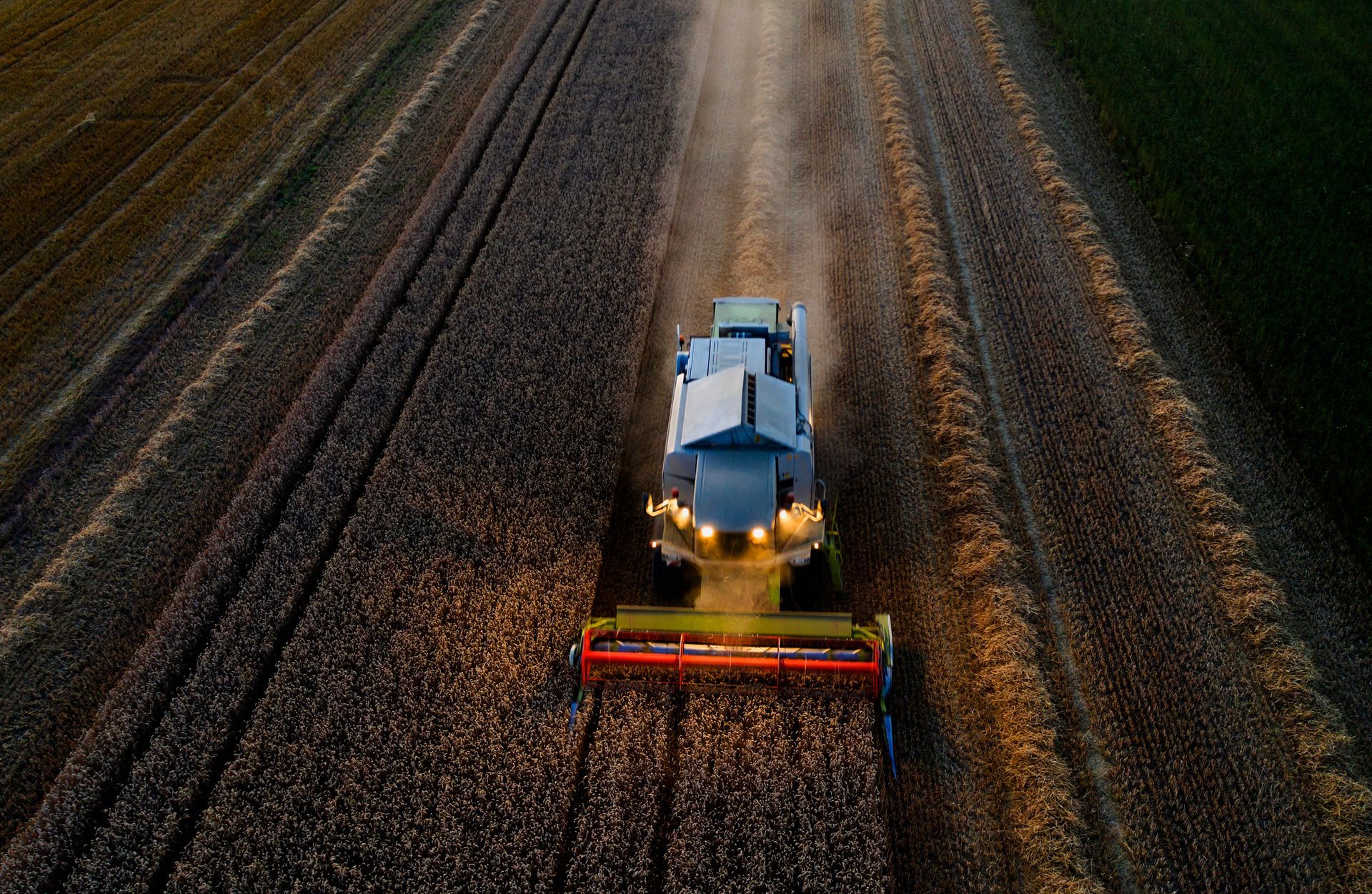
High-precision GNSS has typically been too costly and complex for all but the most critical agricultural operations, but recent RTK GNSS innovations have made centimetre accuracy scalable to all applications in Ag-Tech.

Every Aussie farmer knows that the difference between a “good” crop and a “record-breaking” one often come down to the smallest details. At BioFlora, we’ve spent years perfecting the balance of plant nutrition, and the result is IsoGreen – our powerhouse liquid formula designed to push your yields and crop taste to their absolute peak.
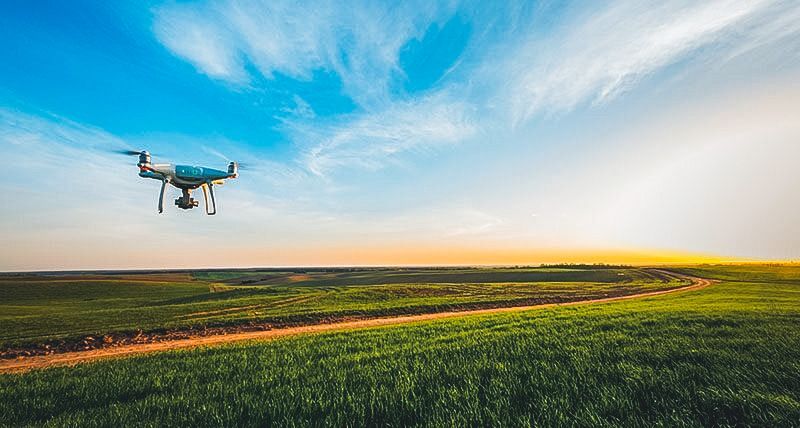
Plant, spray and harvest with confidence using reliable centimetre level positioning. Hexagon SmartNet provides fast, accurate RTK corrections across Australia to reduce overlaps, lower input costs and maximise productivity. With no base station required, simply connect, get a fix and get to work.

Built for the demand of Aussie farmers. Designed for every day performance.
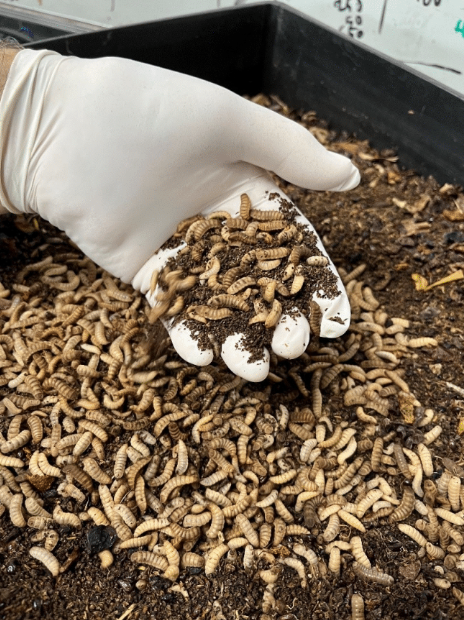
They’re wriggly black grubs more commonly tossed to backyard hens than served at the dinner table, but black soldier fly larvae could soon play a key role in building a more sustainable food system, according to new research from Adelaide University.
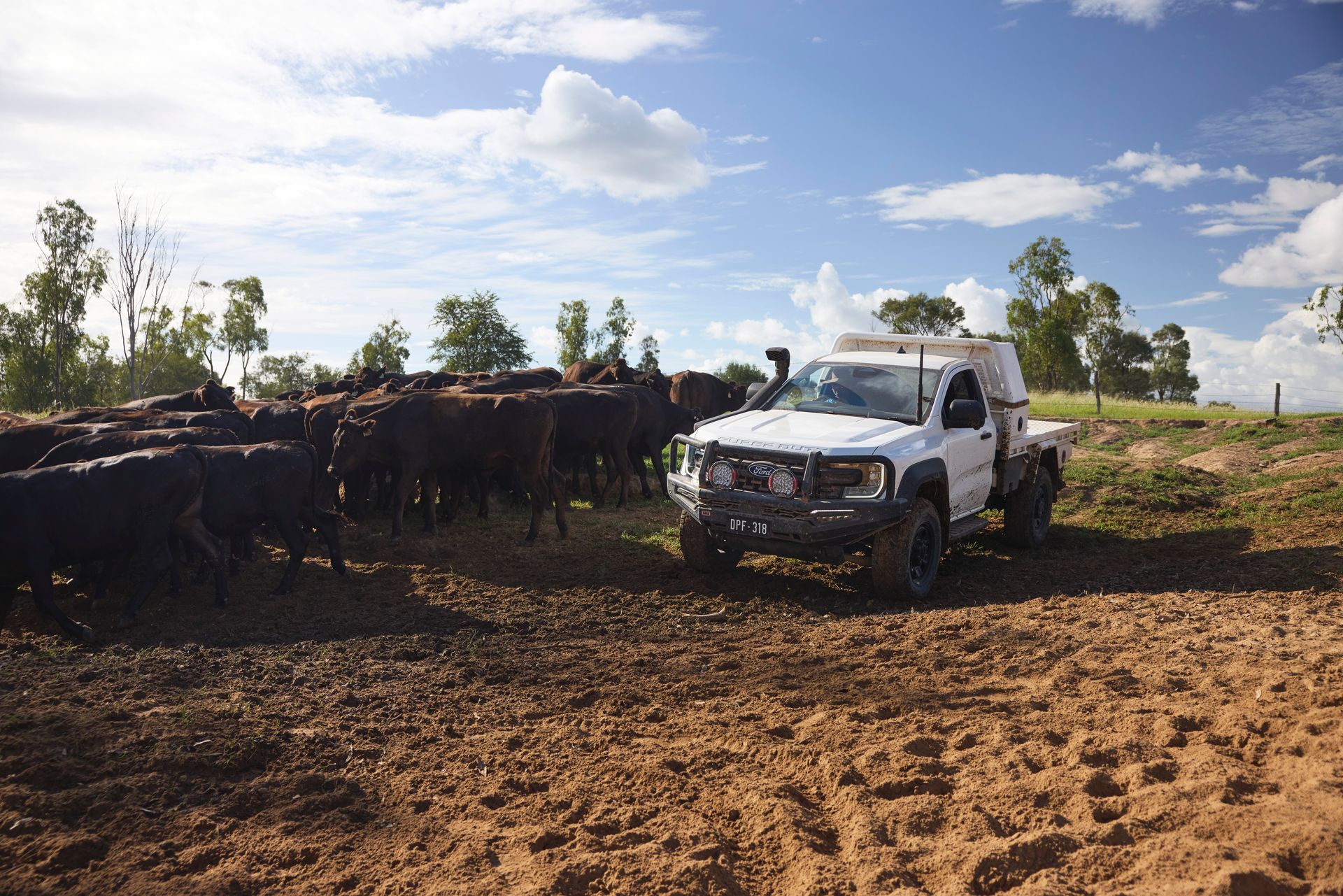
After four years of customer research and 500,000 test kilometres, Ford says the Ranger Super Duty brings farmer-driven customisation into the factory, with more towing, payload, and durability built in.