Tom Rooney is CEO of Waterfind Australia. He is a Member of the Water Industry Alliance, grew up in regional Australia, and has owned and operated an irrigated citrus property.
Australian water sovereignty: navigating the next chapter
Tom Rooney
Foreign ownership climbs while irrigation costs soar, but Australian farmers have tools to thrive. Technology and adaptive management offer a path through mounting pressure.
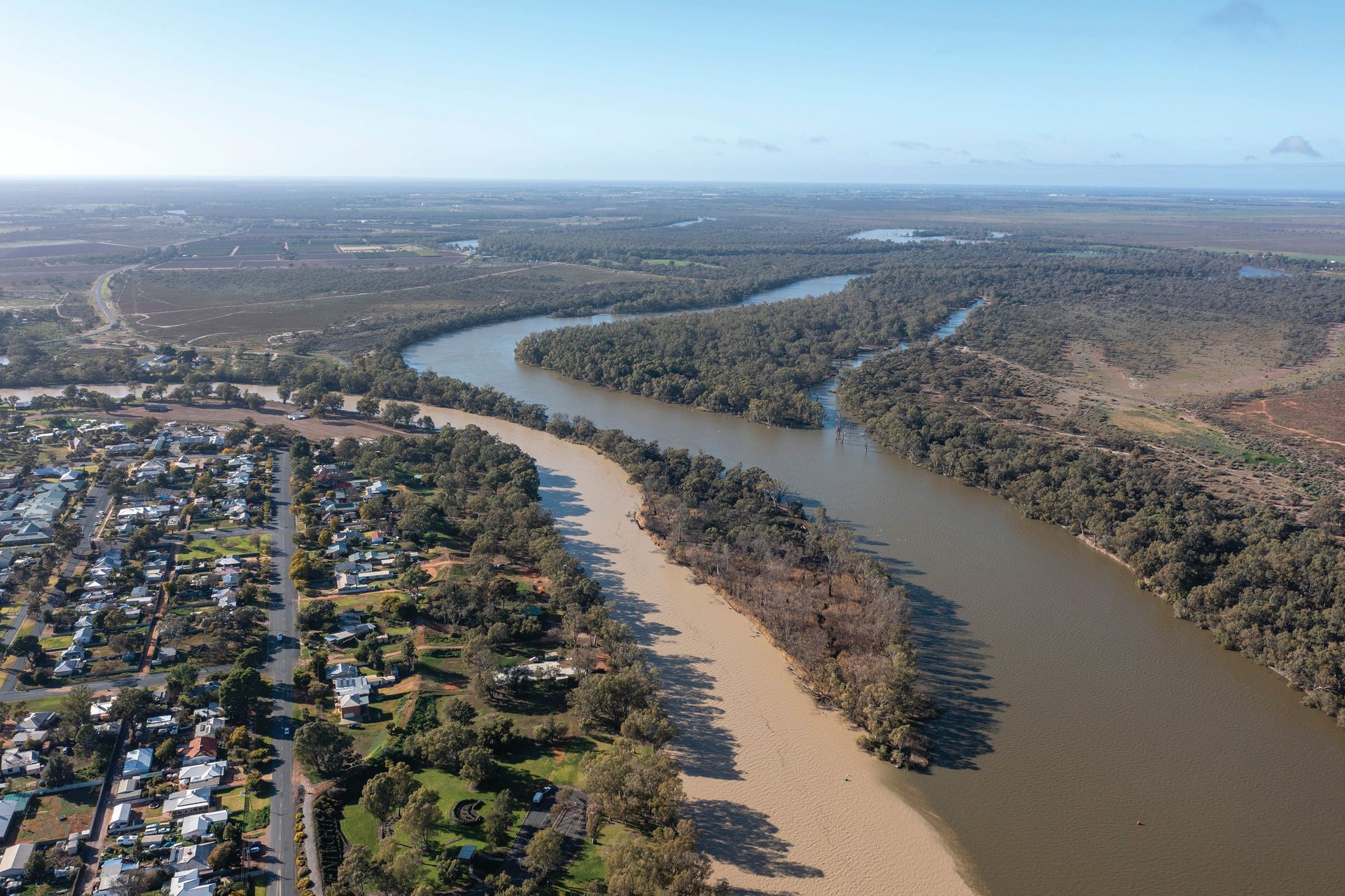
Australia's water assets stand at a critical juncture. As water security pressures from government intervention and climate variability intensifies, and as global interest in our water resources grows, the conversation around water sovereignty demands both nuance and attention. The question is not whether we protect our water, but how we do so whilst maintaining productive agricultural systems and environmental health.
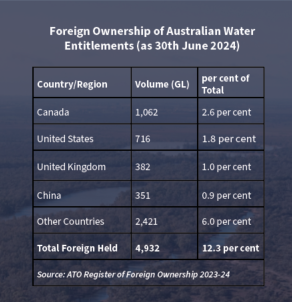
Foreign ownership of Australian water entitlements has steadily climbed over the past decade. The ATO's Register of Foreign Ownership of Australian Assets (October 2025) shows the proportion with foreign ownership increased from 11.8 per cent at 30 June 2023 to 12.3 per cent at 30 June 2024, representing 4,932 gigalitres (GL) of our total water resources. This upward trajectory, though modest in percentage terms, represents a significant volume of water moving into foreign hands, with an increase of 157 gigalitres just over a year.
The transparency mechanisms established through the Register serve an important function. The Register shows Canadian interests hold the largest foreign share of Australian water entitlements at 2.6 cent (1,062 GL), followed by the US at 1.8 per cent (716 GL), UK at 1.0 per cent (382 GL), and China at 0.9 per cent (351 GL). Foreign persons from 46 countries hold interests, primarily for agriculture (66.3 per cent) and mining (19.0 per cent).
However, 755 GL held indirectly by Australian investors through entities classified as foreign persons represents 15.3 per cent of the foreign-held total. This complexity in ownership structures underscores the need for continued vigilance and transparent reporting.
Transparency alone does not constitute a strategy. We must ask ourselves: what level of foreign participation aligns with our national interest, and how do we ensure water remains fundamentally Australian in its management and purpose?
Such questions will become more relevant as water becomes scarcer. For example, the Commonwealth's water buyback programme represents a significant intervention in the availability of water in the productive pool. Since 2007, successive Australian Governments have committed over $13 billion for Murray-Darling Basin (Basin) reforms (REF: DCCEEW 2024). The programme's resumption has generated predictable controversy, yet buybacks serve a purpose – provided the water is actively managed. Active management means strategic releases, adaptive planning, and measurable ecological results. Anything less is a failure to steward public investment.
The Murray-Darling Basin Plan targets 2,750 GL/year water recovery plus 450 GL for enhanced environmental outcomes, managed by the Commonwealth Environmental Water Holder. This rebalancing from consumptive to environmental uses faces further pressure from climate uncertainty, with Bureau of Meteorology projections indicating increasing variability and more frequent droughts.
Individual irrigation companies throughout the Murray-Darling Basin face mounting challenges. Fixed infrastructure costs become increasingly burdensome as irrigator numbers decline, whilst ageing systems require substantial capital investment to modernise. The Australian Government's Resilient Rivers Water Infrastructure Programme provides $494 million for water-saving infrastructure projects. However, funding alone is insufficient.
Irrigation companies must evolve or face becoming inefficient relics. This means hard decisions about infrastructure rationalisation, adopting automated delivery systems, and potentially consolidation where economies of scale can be achieved. The alternative is gradual deterioration of service quality and escalating costs borne by remaining customers – a declining spiral no stakeholder desires.
It’s not all doom and gloom. These pressures create opportunities to offset declining supply through continued technological advancement. Australian irrigators increasingly deploy precision agriculture, smart irrigation systems, and on-farm automation that transform water use efficiency across the Basin. The Murray-Darling Basin Authority's monitoring demonstrates that whilst climate variability remains a challenge, adaptive water management practices and improved infrastructure are building resilience into the system.
These structural pressures – from the complexity of foreign ownership to the rising cost of ageing irrigation infrastructure and increasing climate variability – make it clear that Australia cannot rely on past approaches to govern its water resources. Australia's water sovereignty ultimately depends not on restrictive policies or protectionist rhetoric, but on intelligent stewardship that recognises the interconnected nature of our water systems, markets and communities. We must maintain robust transparency around foreign ownership whilst remaining open to investment that strengthens agricultural productivity and regional resilience. Likewise, government water recovery programmes must be coupled with active, adaptive management regimes that deliver measurable environmental outcomes, ensuring that public investment translates into tangible benefit.
The next chapter of Australian water management will be defined by how effectively we balance competing demands while safeguarding the resource itself. We have the tools, the knowledge, and the institutional frameworks to do this. What remains is the will to apply them without succumbing to the extremes of either unfettered marketisation or heavy-handed intervention. Our water sovereignty future depends on getting this balance right.

NEWS

High-precision GNSS has typically been too costly and complex for all but the most critical agricultural operations, but recent RTK GNSS innovations have made centimetre accuracy scalable to all applications in Ag-Tech.
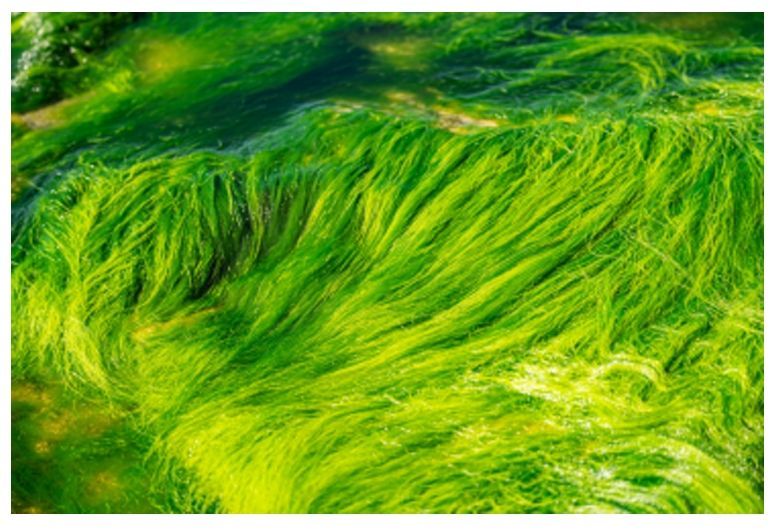
Every Aussie farmer knows that the difference between a “good” crop and a “record-breaking” one often come down to the smallest details. At BioFlora, we’ve spent years perfecting the balance of plant nutrition, and the result is IsoGreen – our powerhouse liquid formula designed to push your yields and crop taste to their absolute peak.
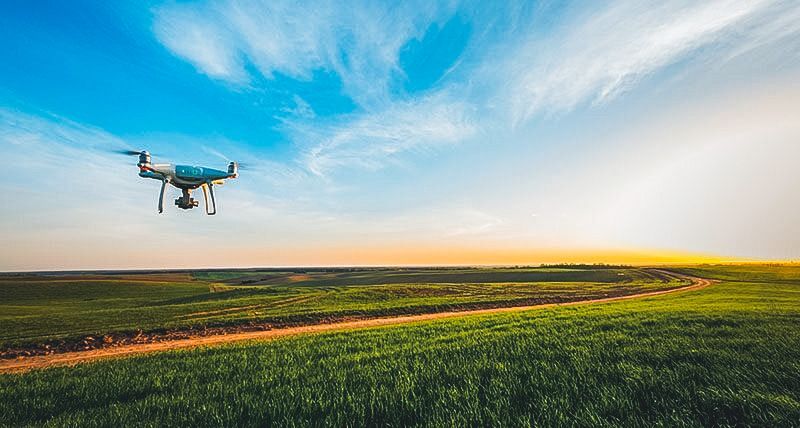
Plant, spray and harvest with confidence using reliable centimetre level positioning. Hexagon SmartNet provides fast, accurate RTK corrections across Australia to reduce overlaps, lower input costs and maximise productivity. With no base station required, simply connect, get a fix and get to work.

Built for the demand of Aussie farmers. Designed for every day performance.
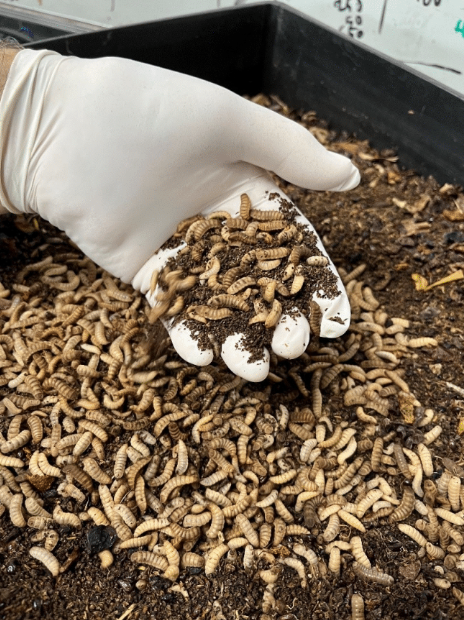
They’re wriggly black grubs more commonly tossed to backyard hens than served at the dinner table, but black soldier fly larvae could soon play a key role in building a more sustainable food system, according to new research from Adelaide University.
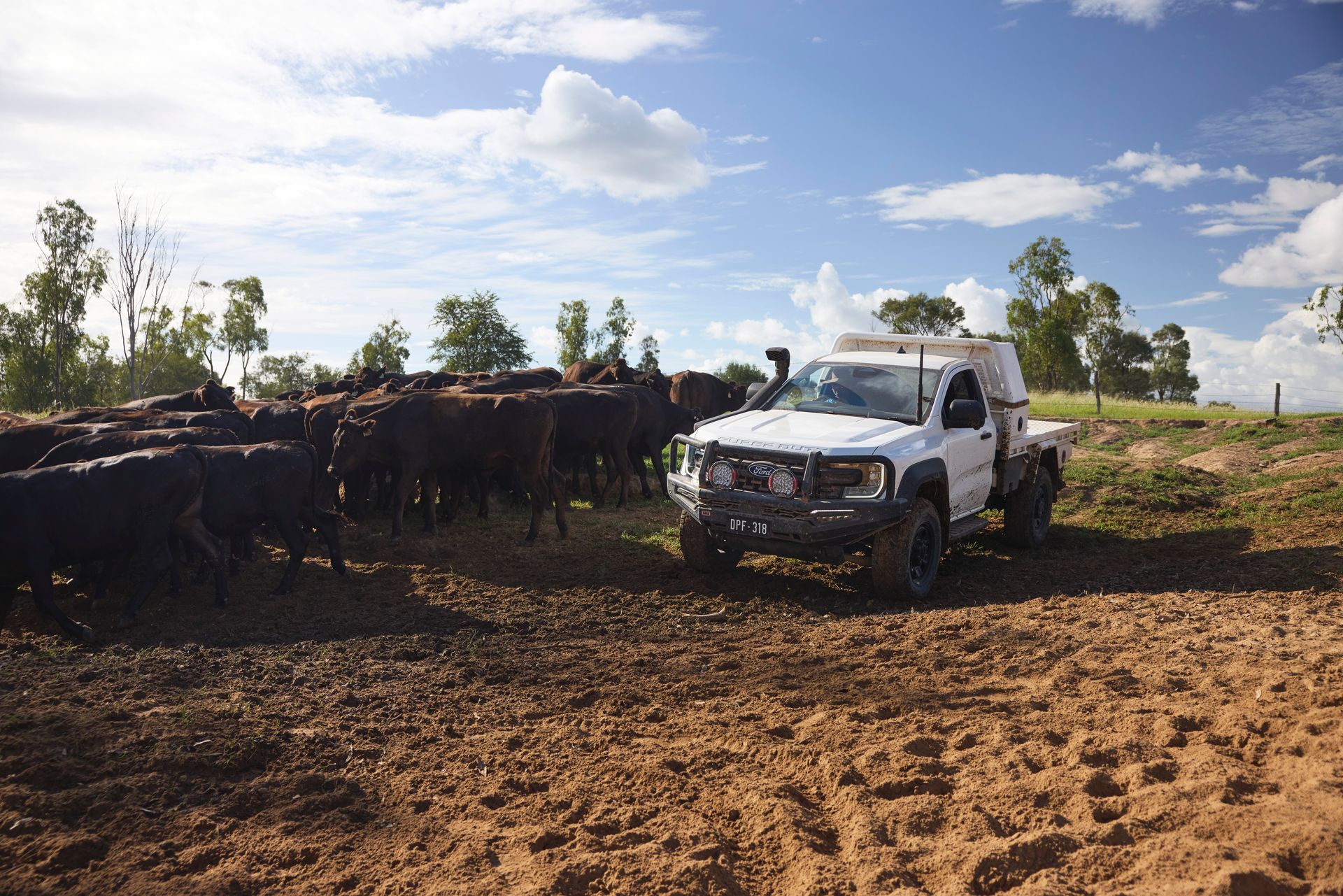
After four years of customer research and 500,000 test kilometres, Ford says the Ranger Super Duty brings farmer-driven customisation into the factory, with more towing, payload, and durability built in.