Barry Large, Chairman of Grain Producers Australia. Barry has been running a farming property in the Northern WA Wheatbelt over the past 30-years growing hay, cereals, lupins, and oilseeds.
Farmers Speak Out
“For generations, Australian farmers have been presented new ideas on how we are going to feed the world into the future. Some of them are what you might call blue sky. This, to a degree, is fine but not at the cost of ideas that are practical for solving real problems for farmers today. Ultimately, like most professions, agriculture is a human activity.
No matter how sophisticated an agricultural technology is, much like the next generation submarines that will be based here on the coast of my home state of Western Australia, there will always be a need for a competent farmer to install, operate, and maintain it.
While these implementation issues generally seem to be recognised by most in the agricultural industry, the elephant in the room I feel is the related challenge of actually attracting young people to work on the farm to ensure its viability for decades to come.
With so many options available for our country’s youth, especially mining here on the west coast, we as a nation need to be thinking more about a sustainable workforce into the future. And this largely boils down to one simple universal idea: farmer incomes and their impact on farmer quality of life.
The reality is that farming is getting harder and returns are, given various economic forces, diminishing for many farmers year on year. Imagine if this was happening in the healthcare sector. Or aviation. Or finance. Or education. Or construction. Surgeons, pilots, teachers, builders, and bankers would leave their professions in droves. And these industries suffer and perhaps eventually collapse.
This idea is not about farmers whinging for more money. For the world’s oldest industry, however, this long term labour problem becomes an existential one for the entire human race. And farmers cannot solve it on their own.”
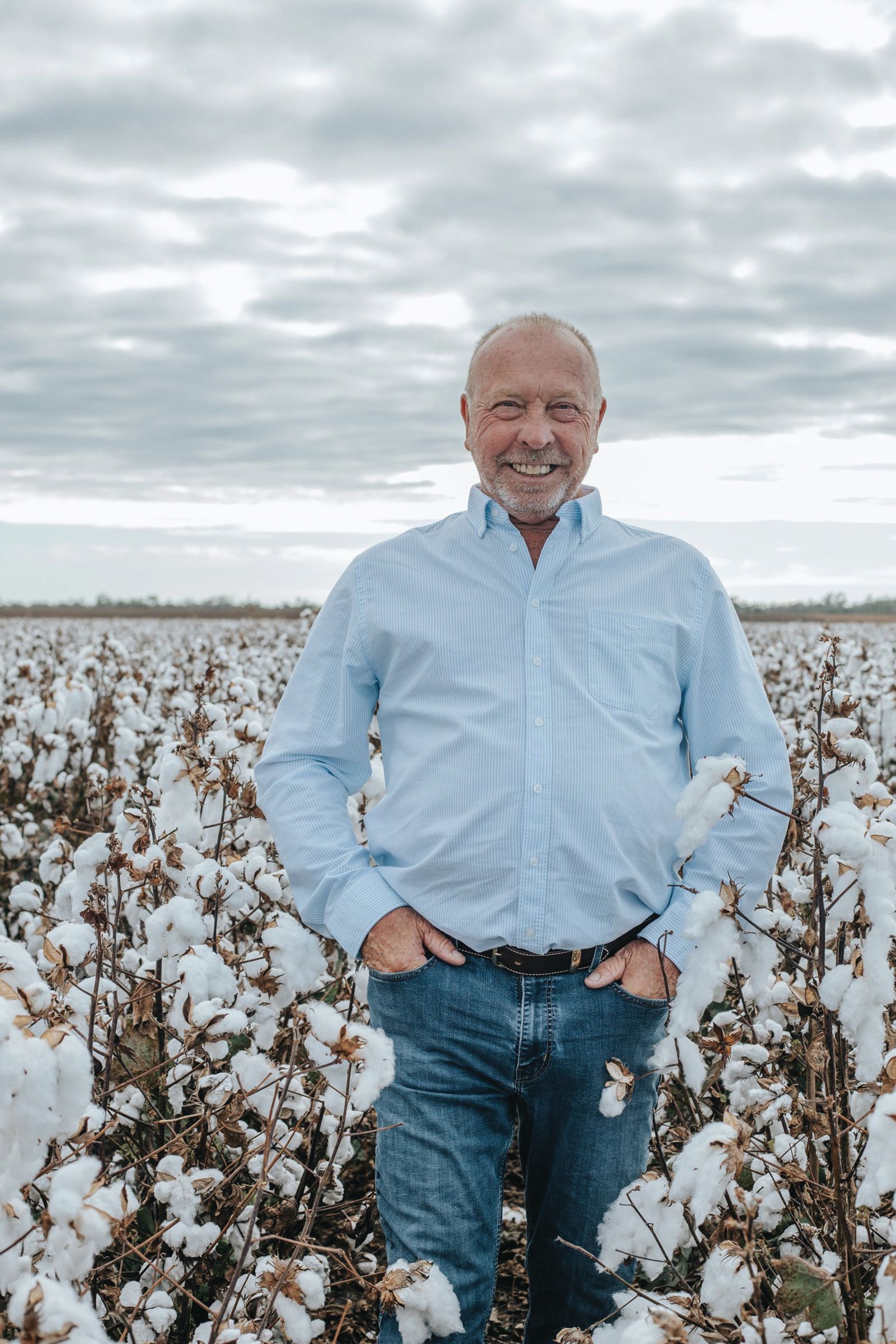
“I feel that the key challenges for growers into the future are in the following areas:
- Nutritional requirements of high yielding crops - with higher yielding crops trying to keep up with the nutritional requirements. Experimenting with inputs that are less NPK heavy and that have more micro nutrients and carbon.
- Disease constraints - with less forced fallows over the last few years and more back to back cropping, figuring out new ways of dealing with disease constraints, such as experimenting with different rotations (canola/mustard after cotton).
- Water allocations - with the slow decline of water allocations through policy or buybacks, we are challenged to make the most of our water allocations.
- Water use efficiency - in both irrigated and dryland crops, trying to benchmark our water use efficiency against cropping/yield coefficients and making sure we are maximising for our biggest constraint, water/rain.
- Consumer engagement and public relations of our industry - Australian cotton growers produce a premium product and premium markets need high levels of engagement to sustain that premium. We need to be writing our story and being proactive about how consumers see our industry. This challenge is being met by our industry associations working with consumers and growers to develop frameworks of such as Better Cotton Initiative and MyBMP as well current work being done on carbon benchmarking. This work means we can better manage the perception of our industry and show that we are being accountable for our actions.”
Peter Winter, member of Cotton Australia
“For us at Carnana Station Wagyu the main game changer is genomics: DNA testing now provides informed genetic predictions as to the potential of every animal we breed. Such DNA insights go far beyond basic proof of heritage (for example an animal’s parentage and proof of descent from original Japanese stock to qualify as “fullblood” Wagyu) and are an essential tool for us in herd planning and decision making. Genomics have also provided unexpected insights into herd management surprises such as evidence of bulls having jumped fences without detection or cows fostering each other’s calves, which are informing our cattle management practices more broadly and would have been undetectable (and sometimes rarely suspected!) previously. I am particularly looking forward to when we can directly compare individual animals’ full genomic profiles for example to determine accurate inbreeding coefficients to maintain herd diversity (rather than based on pedigree or cohort information alone).”
Karen Bultitude, member of Redmont Red Association of Australia
“I believe that the best and most efficient method for the long-term preservation of rare livestock breeds in this country is a semen bank. Many countries around the world have extensive government-funded semen banks for future generations. Australia has none. This responsibility has been left to a NFP charity organisation. Future requirements are inherently unpredictable.
We might encounter the arrival of a lethal disease (such as Foot-and-Mouth Disease) and need to repopulate the breed. In the future, focus may shift toward the production of woollen carpets, which will demand high-quality carpet wool. In New Zealand, the use of wool carpets is now compulsory in all government-owned buildings. There is no carpet wool industry left in Australia. Financial support is needed to enable the storage of livestock semen. Donors are considerably more likely to provide financial contributions if they are permitted to deduct the amount from their taxable income. Without governmental endorsement or assistance, this work proves to be a formidable challenge.”
Anne Sim, Managing Director of Rare Breeds Trust of Australia.
“The Murray Darling Basin Plan (MDBP) 2012 has achieved its goal to reduce diversions to Sustainable Diversion Limits delivering a healthy working basin with optimised social, economic and environmental outcomes. Flow-based outcomes [REF: 2025 Basin Plan Evaluation] have been achieved and there’s no need for more water as 72 per cent of river flows are for environmental purposes. There are still many non-flow outcomes needing to be achieved. The focus must be on getting better outcomes from existing water, by addressing barriers to improve environmental outcomes, including carp management, riparian management, fish screens, and fish passage. It is in Australia’s best interest for water policy to focus on shared outcomes not politics into the future. The next MDBP must be a management plan not a volumetric plan.”
Lou Gall, Executive Officer of Gwydir Valley Irrigators Association.
“Australian farmers for the most part have always done the right thing when it comes to the myriad of community expectations in modern agriculture. The scale and intensity of government reporting on almost everything we do now, however, seems to have increased a lot in the last decade or so. With a mid-left federal government that could be in power for quite a while, meaning an even bigger public service, that’s a lot of jobs relating to monitoring everything from animal welfare to pesticide use to transportation on the farm. While I am all for transparency on risk management as I enter the twilight years of my 50+ years’ career in agriculture, I confess that the younger generation is being deterred from the profession due to government overreach on farm compliance. Like anything where there is inherent complexity and competing priorities, we need to adopt the mindset of balance and trade-off to ensure all stakeholders’ interests are accommodated.”
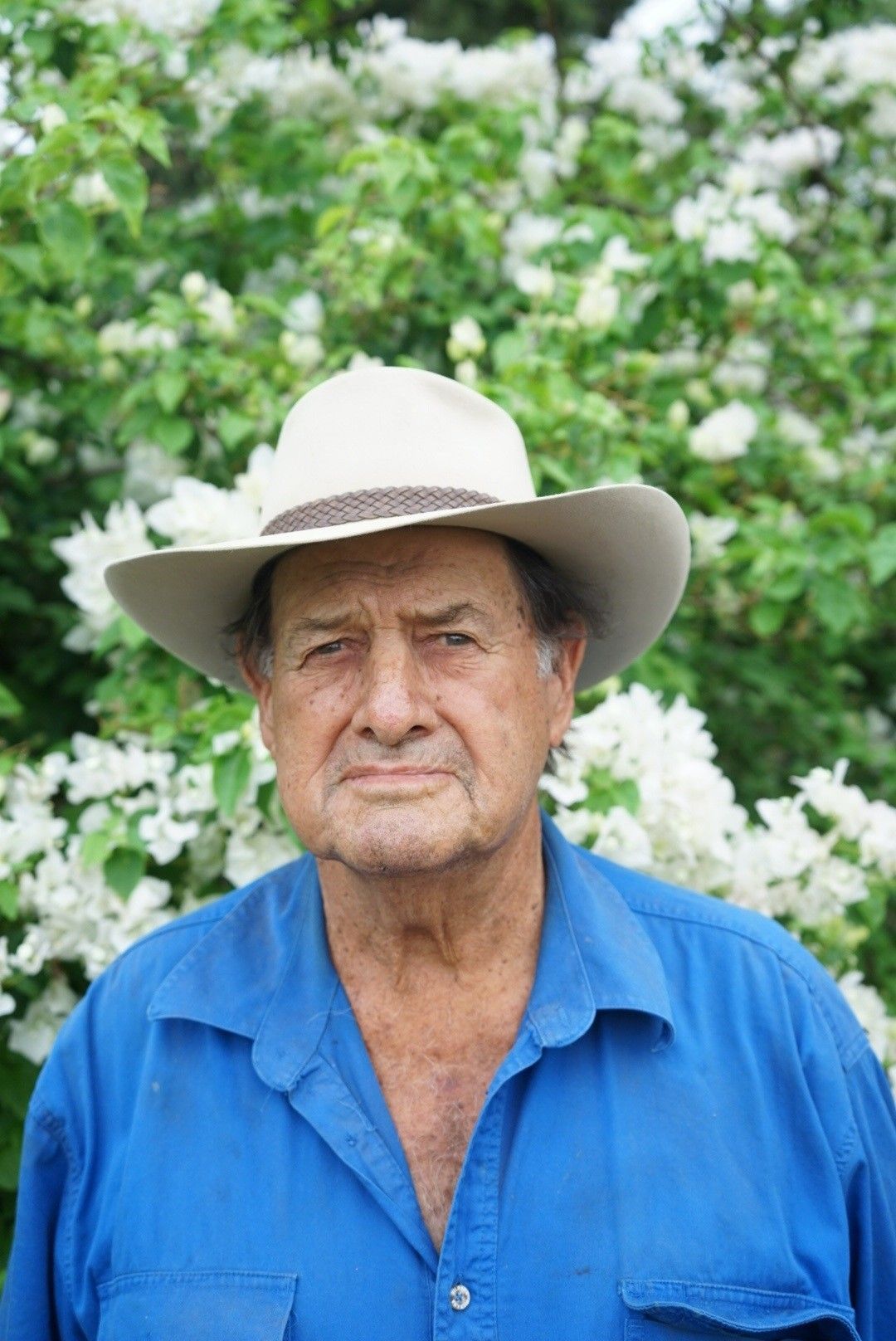
George Bartolo, member of Droughtmaster Australia.
NEWS
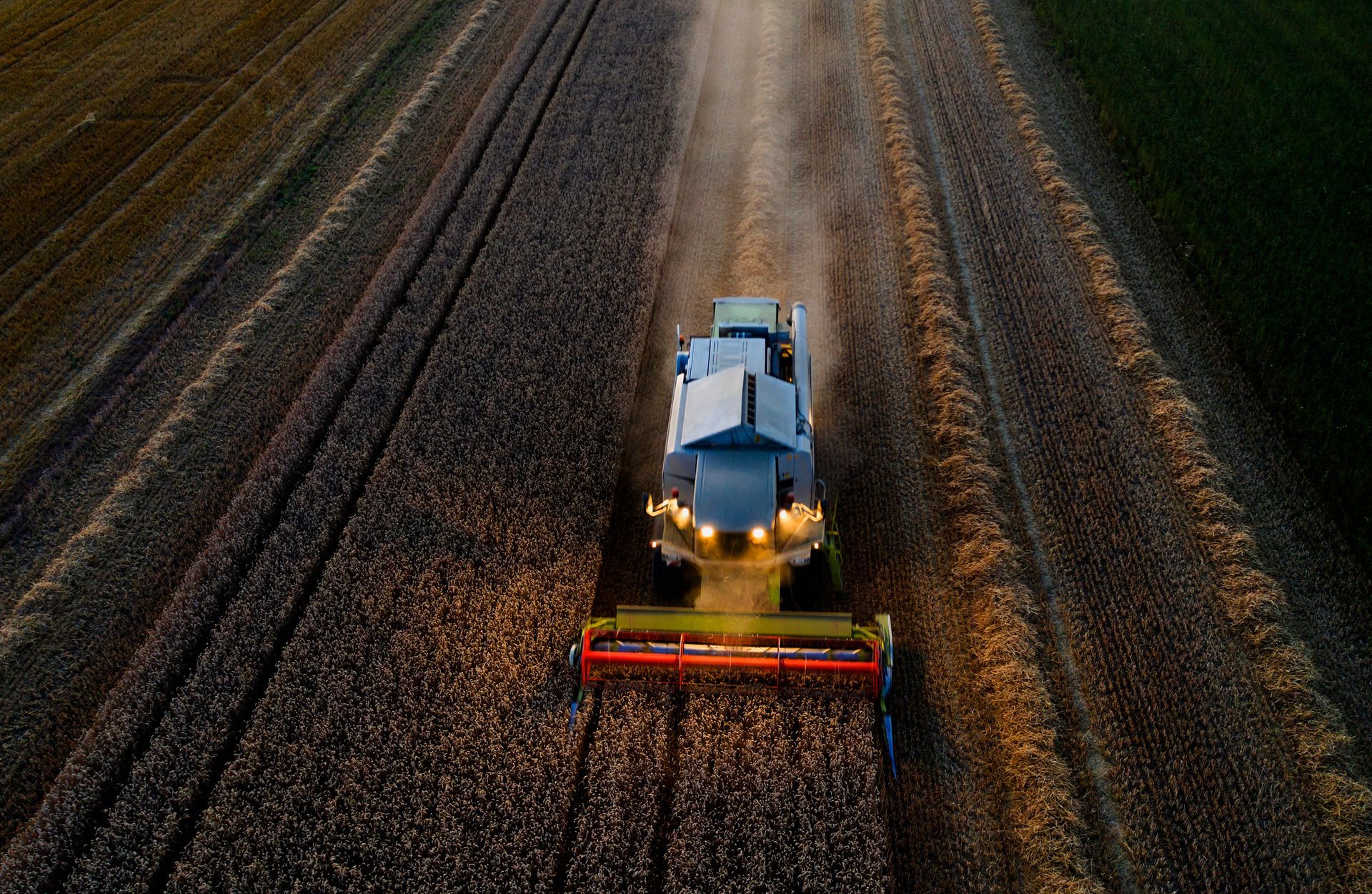
High-precision GNSS has typically been too costly and complex for all but the most critical agricultural operations, but recent RTK GNSS innovations have made centimetre accuracy scalable to all applications in Ag-Tech.
Every Aussie farmer knows that the difference between a “good” crop and a “record-breaking” one often come down to the smallest details. At BioFlora, we’ve spent years perfecting the balance of plant nutrition, and the result is IsoGreen – our powerhouse liquid formula designed to push your yields and crop taste to their absolute peak.
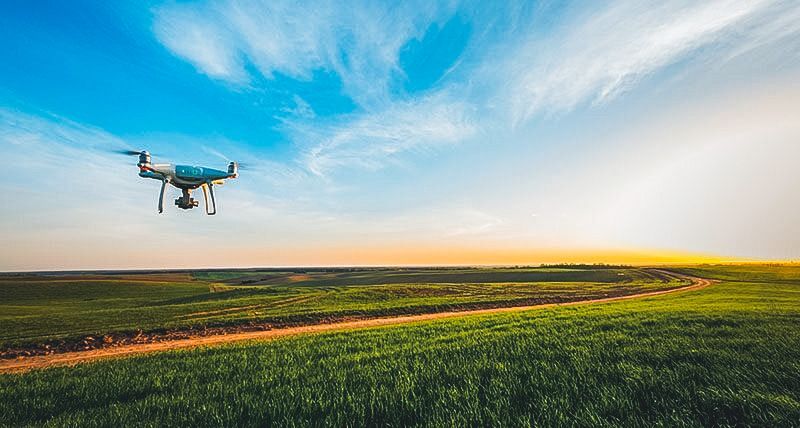
Plant, spray and harvest with confidence using reliable centimetre level positioning. Hexagon SmartNet provides fast, accurate RTK corrections across Australia to reduce overlaps, lower input costs and maximise productivity. With no base station required, simply connect, get a fix and get to work.

Built for the demand of Aussie farmers. Designed for every day performance.
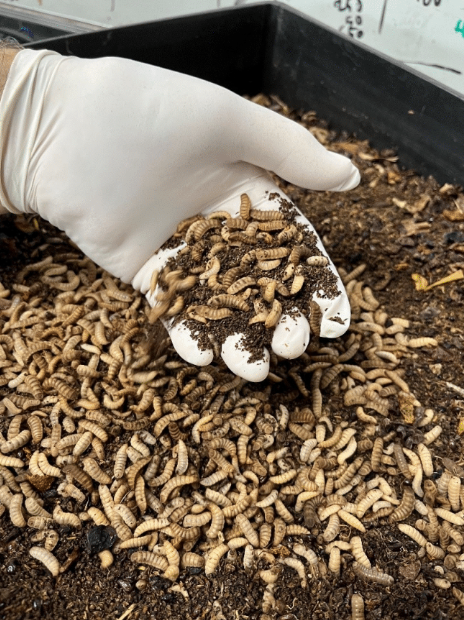
They’re wriggly black grubs more commonly tossed to backyard hens than served at the dinner table, but black soldier fly larvae could soon play a key role in building a more sustainable food system, according to new research from Adelaide University.
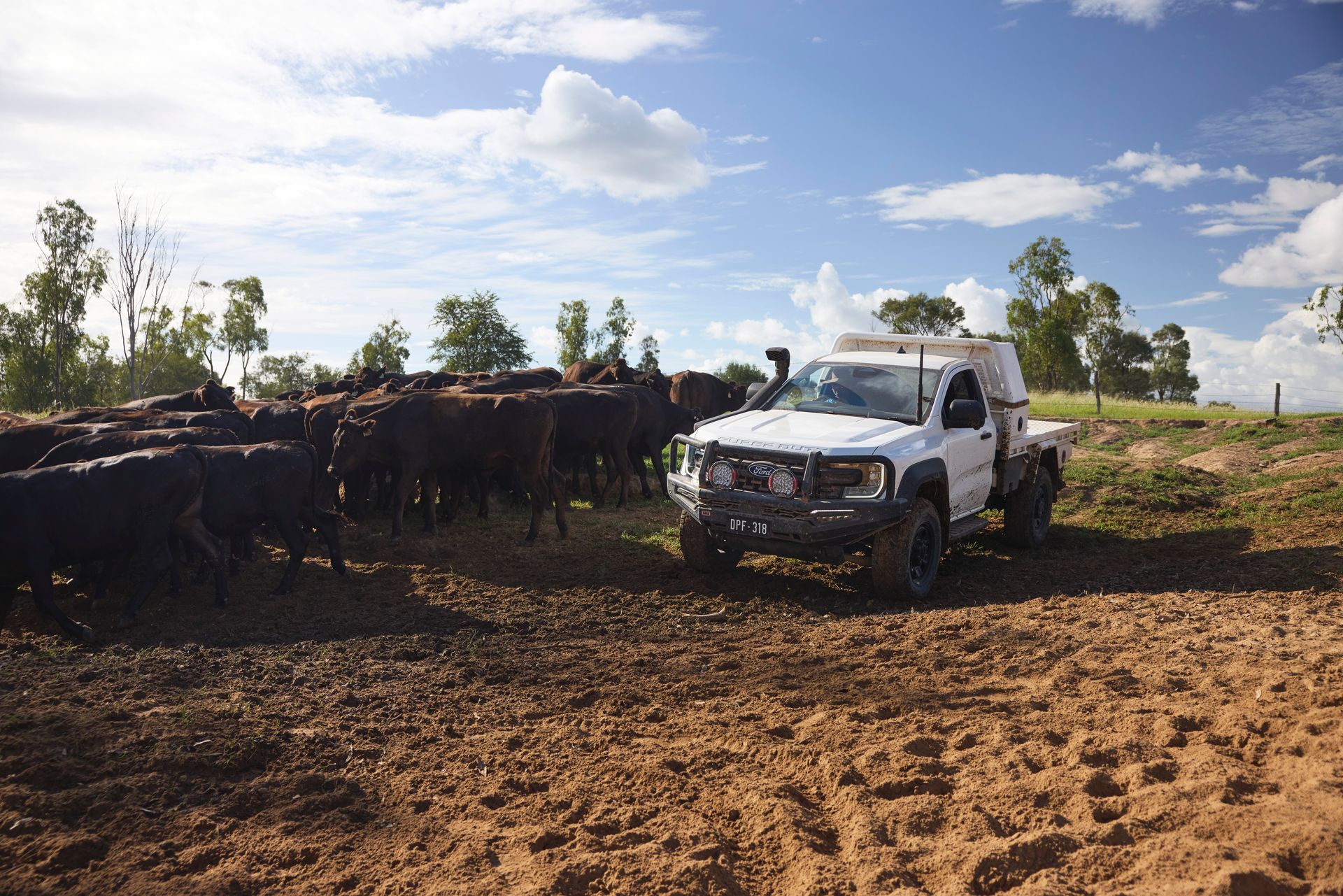
After four years of customer research and 500,000 test kilometres, Ford says the Ranger Super Duty brings farmer-driven customisation into the factory, with more towing, payload, and durability built in.