
























































1MG FlippingBooks
Australia’s agri-businesses at the frontline of global growth opportunities
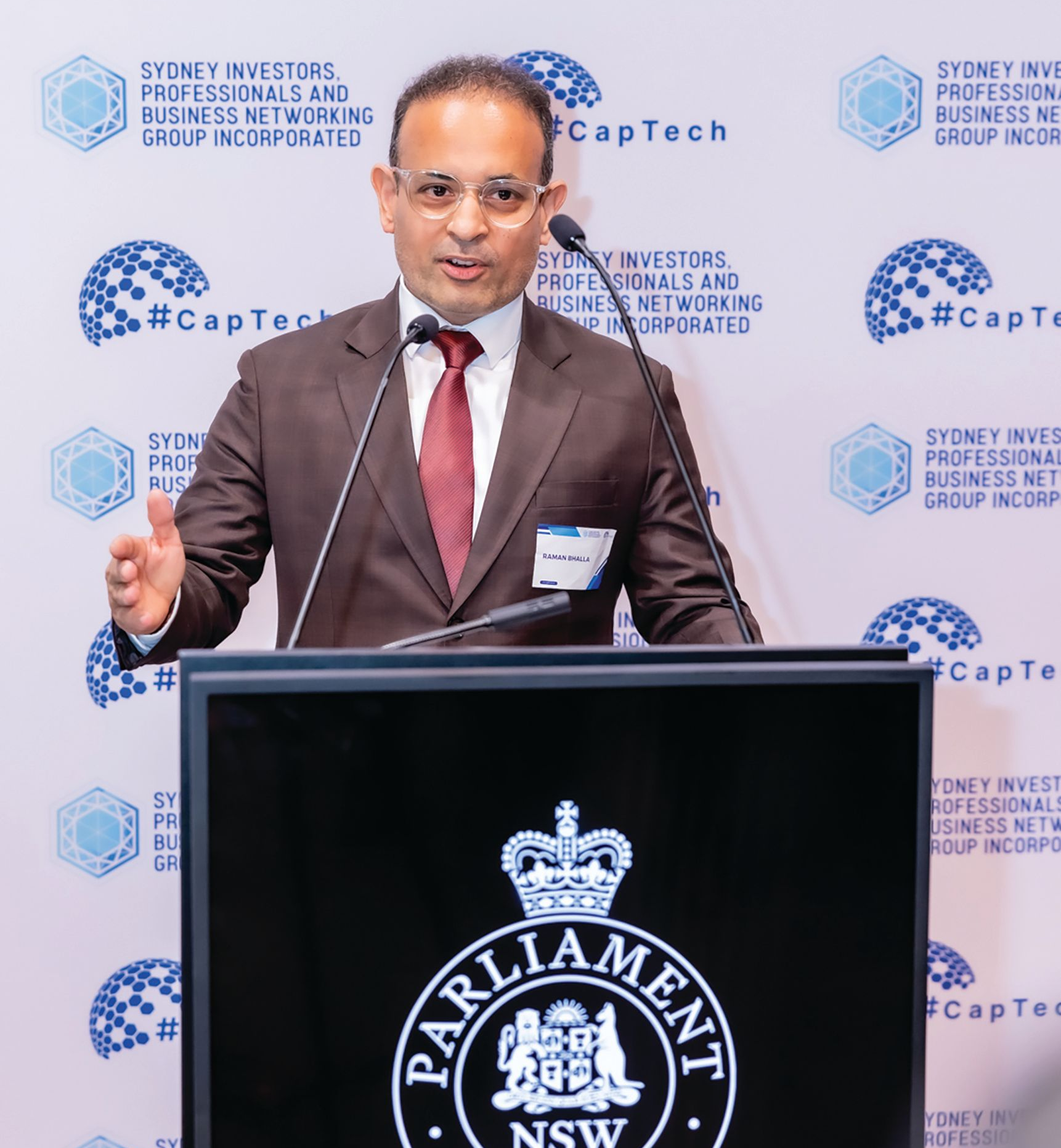
Raman Bhalla
Australia’s farmers are poised for global growth, but to stay competitive, they’ll need to attract long-term investment, embrace innovation, and turn world-class production into world-leading exports.
Australia's agricultural sector stands at a crossroads. For decades, we've punched well above our weight in global farm trade, exporting roughly 70 per cent of our production and contributing tens of billions in annual export value. Yet as global headwinds intensify, from shifting trade policies and supply chain volatility to climate uncertainty and rising input costs, we risk leaving vast potential on the table unless we act with urgency and strategic vision.
Australian agriculture has proven its resilience. Over the past 20 years, sector output has grown by more than 30 per cent, with exports remaining a critical backbone of that success. Current forecasts warn of a modest contraction, with agricultural exports expected to fall by about 3 per cent in 2025-26, but this decline is driven largely by lower production volumes, not demand collapse. Global appetite remains robust.
What’s needed is strengthened supply, productivity, and market strategy, not resignation to decline. One theme that emerged clearly from the latest CapTech Summit discussions is that capital is the critical enabler for this growth. The CapTech Summit is Australian business event that serves as a gateway to global capital markets for proven Australian businesses seeking capital, strategic partnerships, and international expansion While many Australian agribusinesses are built on tradition, tight margins and cyclical risk, to move beyond incremental growth they must attract patient, scale capital. There is no shortage of investors seeking to connect with Australian agribusinesses - from beef, cotton and lamb, to horticulture, ag-tech, and value-added processing - not just for returns, but for long-term partnerships and infrastructure investment.
The annual CapTech Summit sees more than 300 delegates, including over 100 international investors from sovereign wealth funds, family offices and private equity firms across Asia, the Middle East and Europe, sweep into Sydney each year looking to invest in Australian agribusiness. They have funds and access to global markets which can unlock new opportunities for Australian producers, accelerating export growth and boosting local enterprises to globally competitive leaders.
Consider red meat. Global demand remains strong, especially in the US, China, Japan, and the Middle East, with higher export prices expected to underpin resilience. But production constraints, drought pressures, and supply chain bottlenecks persist. Only through investment in logistics, cold chains, genetics, sustainability practices, and closer alignment with global buyers can Australian producers maintain and grow their foothold.
We’ve already seen what’s possible when producers and investors work together. In Queensland and northern New South Wales, regional cooperatives partnering with export-focused capital have lifted processing capacity, improved cold-chain logistics, and created hundreds of local jobs. Similar models could transform horticulture, cotton and value-added food manufacturing. With the right investment, regional hubs become not just production zones, but innovation centres that attract talent, technology and long-term growth.
Looking ahead, technology will play a defining role in keeping Australian agriculture competitive. Climate-smart farming, renewable energy on-farm, precision irrigation, and satellite-guided crop management are already helping farmers cut costs and lift productivity. These tools, paired with sustainability practices and data transparency, will be essential as global buyers increasingly demand verifiable, low-emission supply chains. Investors are drawn to markets where sustainability and profitability align, and few countries are better positioned than Australia to prove that model works.
The critical thing is that policy and infrastructure must keep pace. Domestically, water security, energy costs, rural connectivity, workforce planning, and biosecurity cannot become weak links in our global chain. Internationally, navigating evolving trade tensions, whether US protectionism, China’s shifting import rules, or EU regulatory frameworks, demands agility, diplomatic sophistication, and diversification.
The goal should be straightforward: bring solutions, not hype. It’s about identifying Australian agribusinesses with scale potential and pairing them with global capital that shares a long horizon. With the right backing, Australia can not only preserve its position in global agriculture but lead the next wave of premium, sustainable export growth.
Australia’s paddocks feed the world. Let’s commit to giving them the capital, strategy, and ambition they deserve.
Raman Bhalla is the Founder of #CapTech and President of the Sydney Investors, Professionals and Business Networking Group.
NEWS
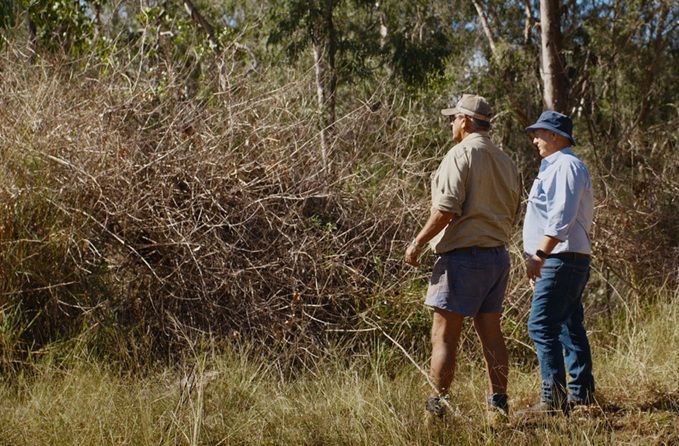
Invasive woody weeds steal your pasture. Method helps you take it back.
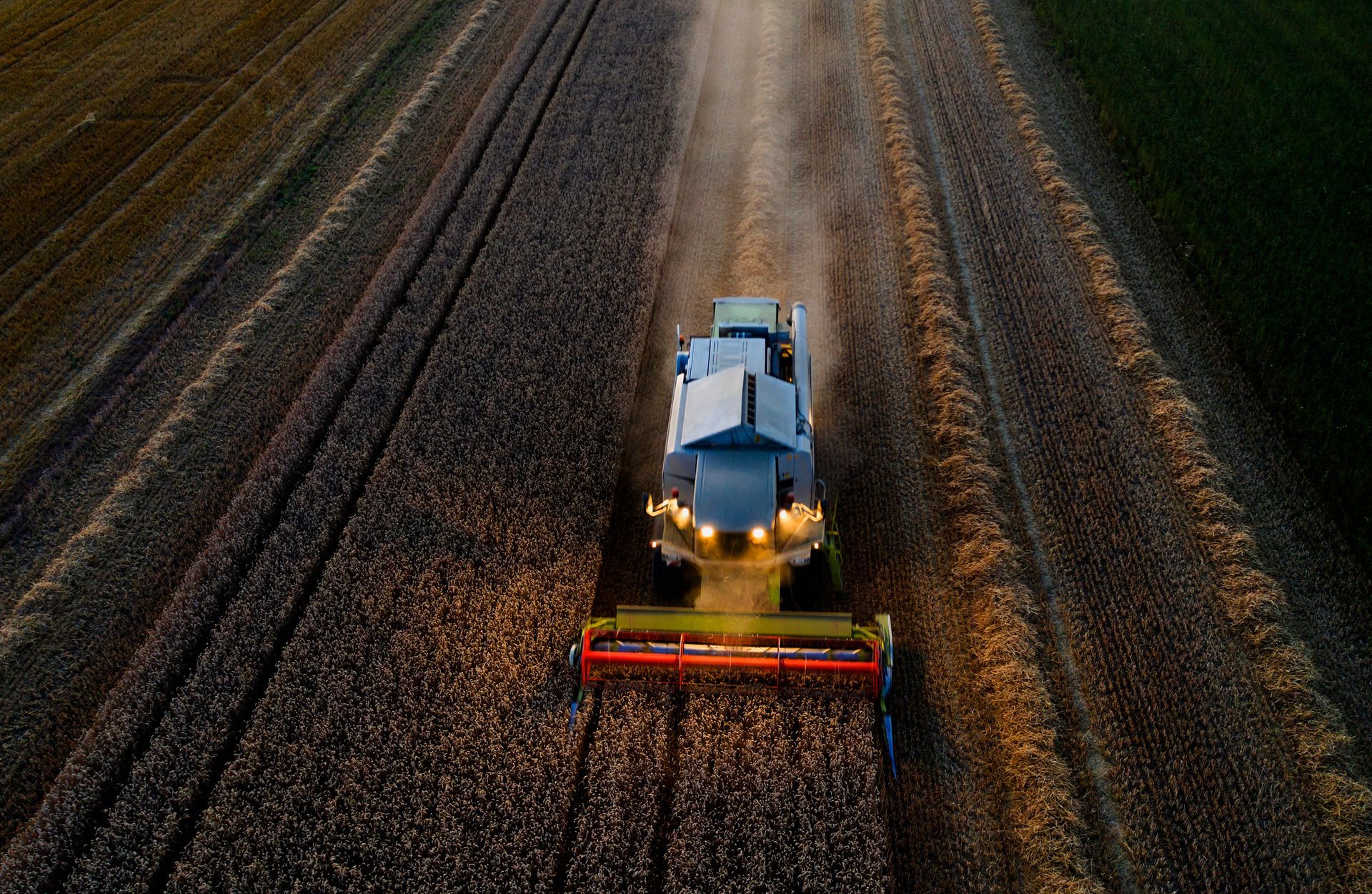
High-precision GNSS has typically been too costly and complex for all but the most critical agricultural operations, but recent RTK GNSS innovations have made centimetre accuracy scalable to all applications in Ag-Tech.
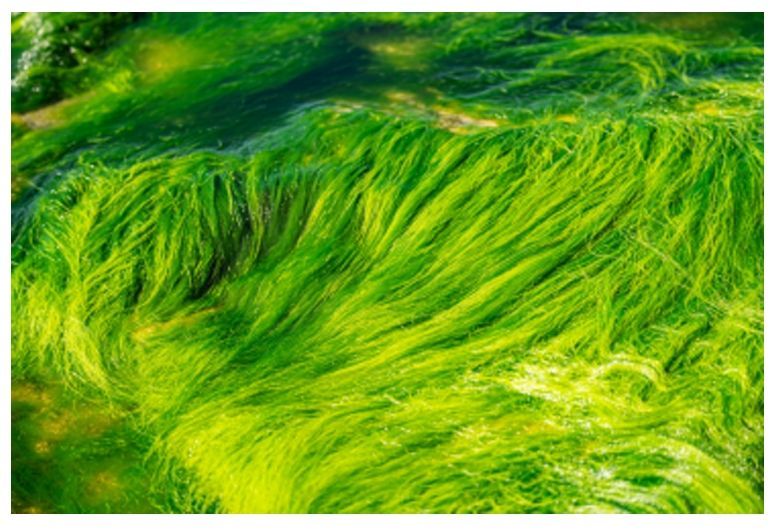
Every Aussie farmer knows that the difference between a “good” crop and a “record-breaking” one often come down to the smallest details. At BioFlora, we’ve spent years perfecting the balance of plant nutrition, and the result is IsoGreen – our powerhouse liquid formula designed to push your yields and crop taste to their absolute peak.
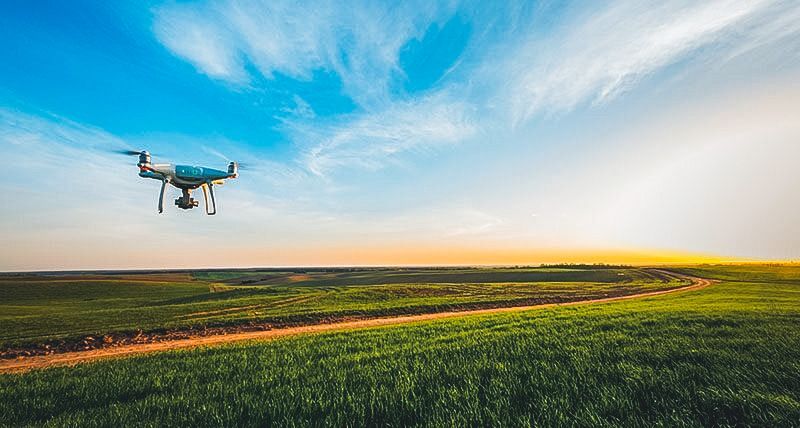
Plant, spray and harvest with confidence using reliable centimetre level positioning. Hexagon SmartNet provides fast, accurate RTK corrections across Australia to reduce overlaps, lower input costs and maximise productivity. With no base station required, simply connect, get a fix and get to work.

Built for the demand of Aussie farmers. Designed for every day performance.
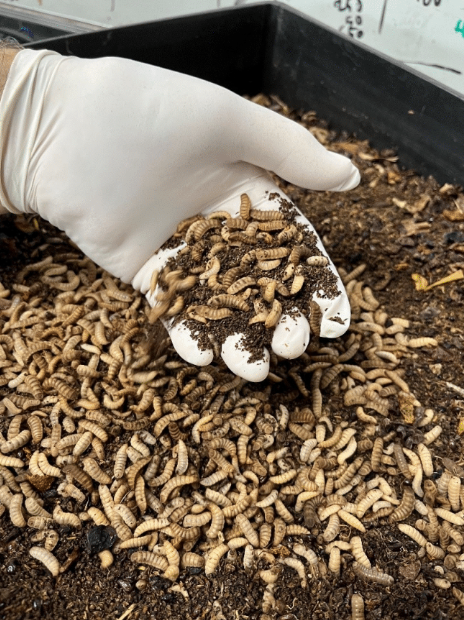
They’re wriggly black grubs more commonly tossed to backyard hens than served at the dinner table, but black soldier fly larvae could soon play a key role in building a more sustainable food system, according to new research from Adelaide University.