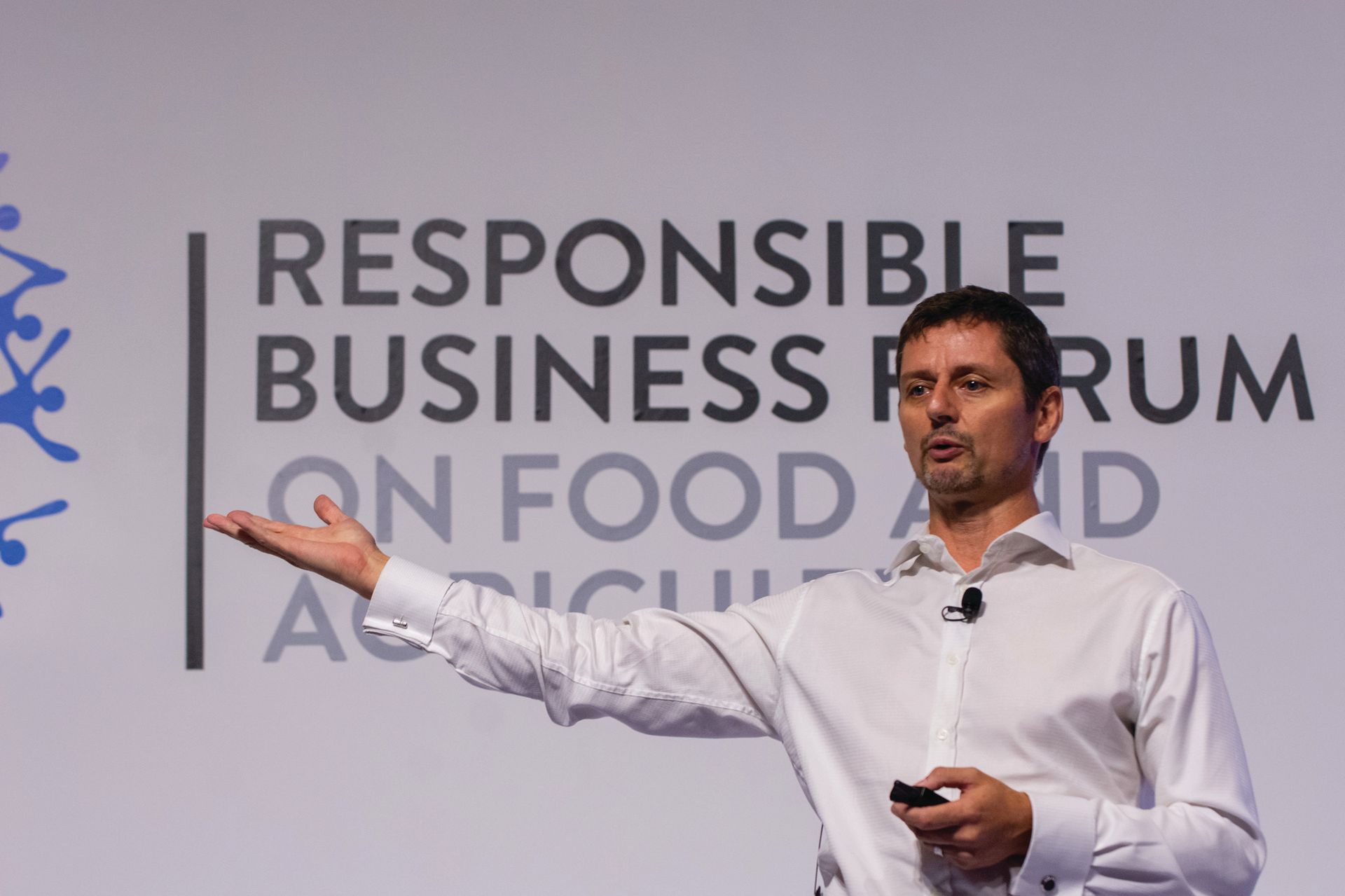
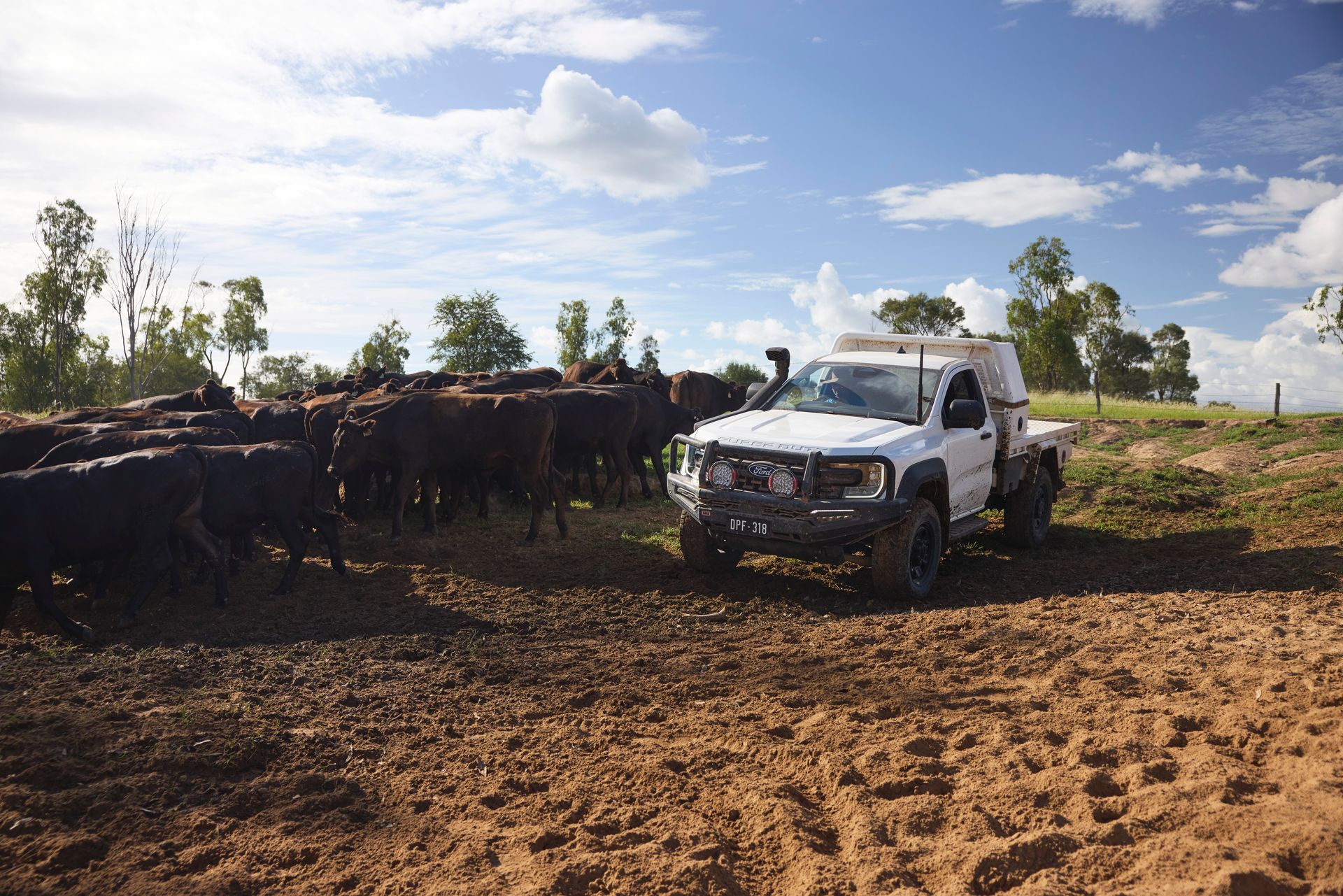
David talking to farmers
David Davies is the CEO of AgUnity, a global technology company dedicated to empowering smallholder farmers and strengthening agricultural supply chains.

Every Australian knows, our farmers are not getting a fair go.
When you look at the price on the supermarket shelf and what makes it back to the farm gate, Australia is the opposite of fair. Our agriculture is squeezed by the immense market power of the duopoly that acts in unison, dictates terms, prices, and practices, leaving both farmers and consumers worse off.
But what if there was a way to break this stranglehold?
A proven model from, a place that had until recently the most impoverished and exploited farmers in the world shows us there is a better way, that country is China of all places, and Australia is primed for a similar transformation.
My journey from tracking fresh produce for major supermarkets to my current role at AgUnity, has given me a front-row seat to the inefficiencies and inequities of food supply chains all over the world. I’ve seen firsthand how executives at the giants display a perverse pride in the way they wield their power. The ACCC inquiries have confirmed what we all have known for decades: the power imbalance hurts every Australian from Farmer to Consumer and it is only getting worse.
I was honoured to be asked to address the G20 event in Bali alongside the CEO of Pinduoduo, and had a fascinating discussion where I learned about the revolution that a now $180B company little-known outside of China, brought to their agricultural sector.
Until recently, Chinese agriculture was trapped in a corrupt, exploitative legacy system of middlemen, a hold over from the days of collective farming. Farmers had no choice of who to sell to or what price they received, and no incentive to improve quality.
Pinduoduo’s solution was breathtakingly simple: similar to what Alibaba did for manufacturers it created an online marketplace to connect farmers directly with buyers. From supermarket chains to individual families, anyone could source produce directly from the farm. Within a few years, they, along with a few competitors, completely replaced the old structure.
Today, a vibrant ecosystem of efficient, competitive businesses handles logistics, packaging, and payments for a low, fixed margin. The results are staggering: food quality has soared, consumer prices have dropped, waste is almost non-existent, and farmers are finally earning what they deserve.
The quantifiable impact of this shift in China is staggering. The Pinduoduo platform now connects over 12 million farmers directly to consumers, bypassing the inefficient legacy systems that saw up to 30% of produce perish before it ever reached a customer. This direct connection has not only slashed waste but has also revitalised rural communities, attracting over 126,000 young "New Farmers" back to the land. By providing zero-commission sales channels, the platform has saved agricultural merchants an estimated 80 billion yuan in operational costs since 2020 alone.
Australia presents its own unique challenges. Our vast geography means logistics are more complex than in densely populated regions of China. However, these are not insurmountable obstacles and the key lesson from China is that once you clearly establish supply and demand a plethora of providers will materialize to fulfill every opportunity.
A farmer-owned platform could foster competition among regional logistics providers and invest in shared processing and packing facilities, turning these challenges into opportunities for new regional employment and innovation. Local delivery could evolve into local hubs and gig style home delivery creating flexible, meaningful employment for tens of thousands, exactly as it did in China.
This is the blueprint for Australia. But we must be cautious. The risk is that a new digital giant, an Amazon-style player, could enter our market and simply become a new, equally exploitive digital version of the current duopoly, slotting into the existing structure with a singular focus on profit.
The right solution is more radical and, ultimately, more Australian. Imagine an online marketplace, built on the Pinduoduo/Alibaba model, but established as a non-profit entity, collectively owned and operated by our own farmer organisations. Its motivation would be clear: to deliver the best results for farmers and consumers, with no shareholders and therefore no motive to exploit.
This isn't a far-fetched dream. The technology for such a platform is now widely commoditised. By applying AI to solve logistics, packaging, and finance challenges, building this system is more achievable and affordable than ever before. It’s the logical next step, empowering our farmers with the digital tools they need to take back control.
We have the opportunity to build a fairer, more efficient, and more prosperous agricultural future for our nation. By connecting the paddock directly to the plate, we could ensure that everyone, from the farmer to the family, truly reaps the rewards of their hard work.
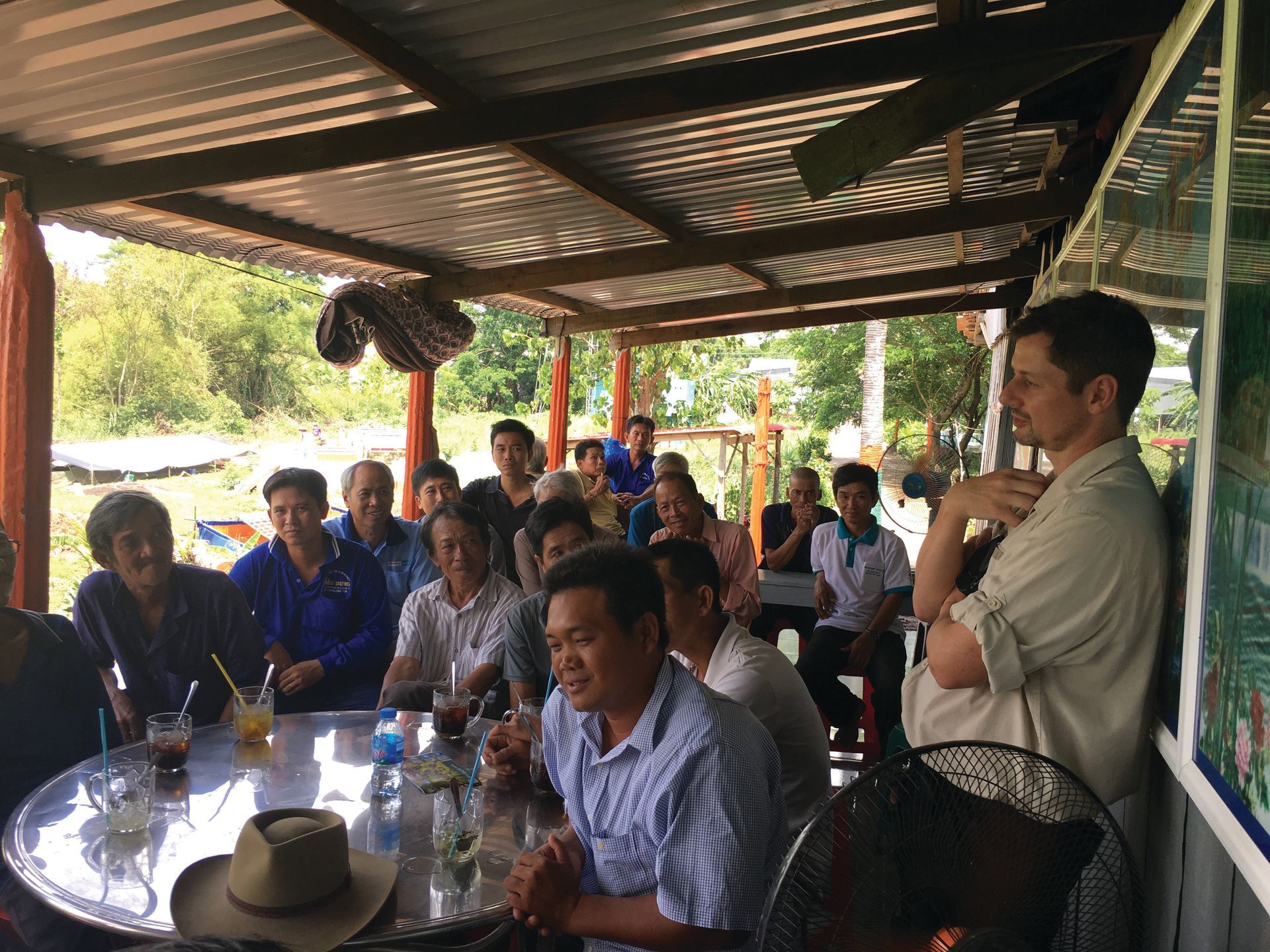
David talking to farmers
David Davies is the CEO of AgUnity, a global technology company dedicated to empowering smallholder farmers and strengthening agricultural supply chains.


Click below to see our Supporting Industry Associations

1MG FlippingBooks