
























































1MG FlippingBooks
It’s time to start strategic summer drenching
Find out why the first summer drench can be so important in protecting your flock’s health, plus what to look for in your summer drench of choice.
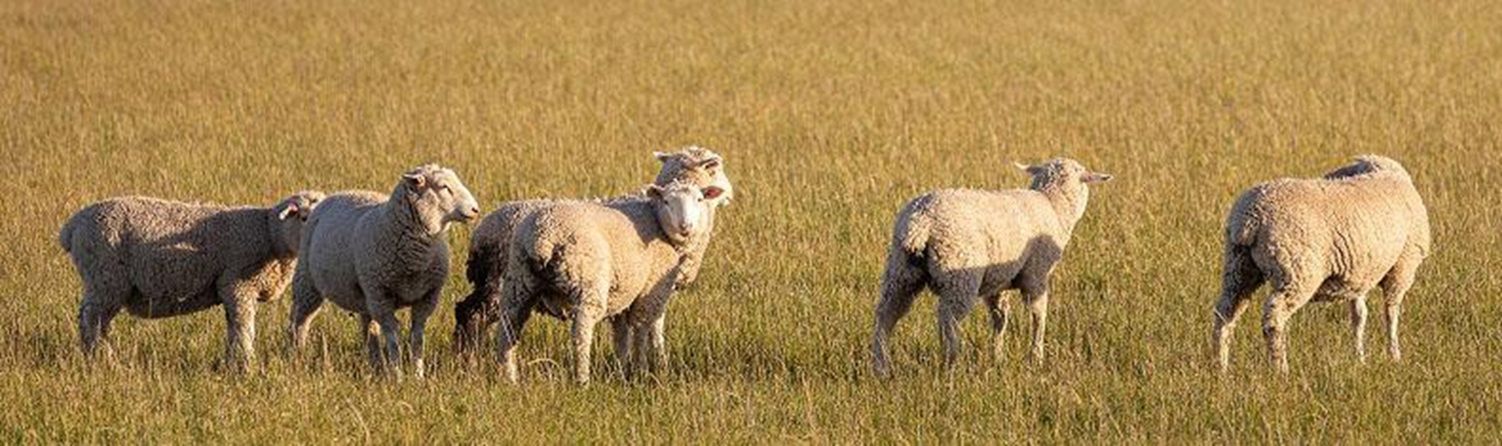
It’s that time of year in most areas of Australia to do the first strategic summer drench. A strategic drench is a ‘drench given at a critical time to reduce worm larval contamination of a pasture for the benefit of the whole mob or herd rather than just for the treated animals, and/or a drench given to sheep, irrespective of worm egg count, at times when they are expected to be most susceptible to worm infection’.1
Why summer drench?
The use of a first summer drench is still recommended best practice in the winter dominant and uniform rainfall regions of Australia.1,2
The aim of summer drenching is to remove the worms in the sheep when the numbers of infective larvae on pasture are low or in decline (due to summer weather conditions). This reduces the number of infective larvae on pasture the following winter, thereby reducing the production cost of worms and number of drenches needed over this time.
The predominant worm species of these winter rainfall regions are the black scour worm (Trichostrongylus spp.) and the small brown stomach worm (Teladorsagia spp.). These typically cause problems over the autumn and winter period when favourable conditions and susceptible livestock allow for a significant buildup of infective larvae on the pasture.
When to summer drench?
The timing of the first summer drench and the need for a second summer drench varies between regions based on what is most appropriate for worm control and drench resistance management. Routine worm egg count monitoring after the first summer drench should be used to determine timing of subsequent drenches. WormBoss.com.au provides a number of recommendations for various regions regarding the timing of the first drench.1
Which drench to use?
The summer drench of choice is one that:
Has an efficacy as close to 100% as possible – any worms that survive this treatment will result in pasture contamination. A combination of highly effective actives, such as TRIGUARD®, is recommended best practice.2,3
Has a short duration of activity – that will apply less selection pressure for resistance at a time when there is less refugia on the pasture to dilute contamination from resistant adults. Persistent actives such as moxidectin are recognised for their potential to select more rapidly for resistance1, and this effect can be exacerbated during times when there is less refugia on pasture.
Summer drenching
Start your summer drenching program now to minimise the level of larval pasture contamination responsible for winter worm burdens. TRIGUARD® is an ideal choice for summer drenching due to its combination of three actives and short duration of activity.
References
1. https://tools.wormboss.com.au.
2. Love (2007) Sheep worm control: summer vs winter drenching in southern NSW. DPI Prime facts.
3. Love (2011) Drench resistance and sheep worm control. DII Primefact 478.
Company website: livestockfirst.com.au
Company email address: CustomerCare.Australia@boehringer-ingelheim.com
Company video: https://vimeo.com/1138807630?fl=pl&fe=cm


NEWS
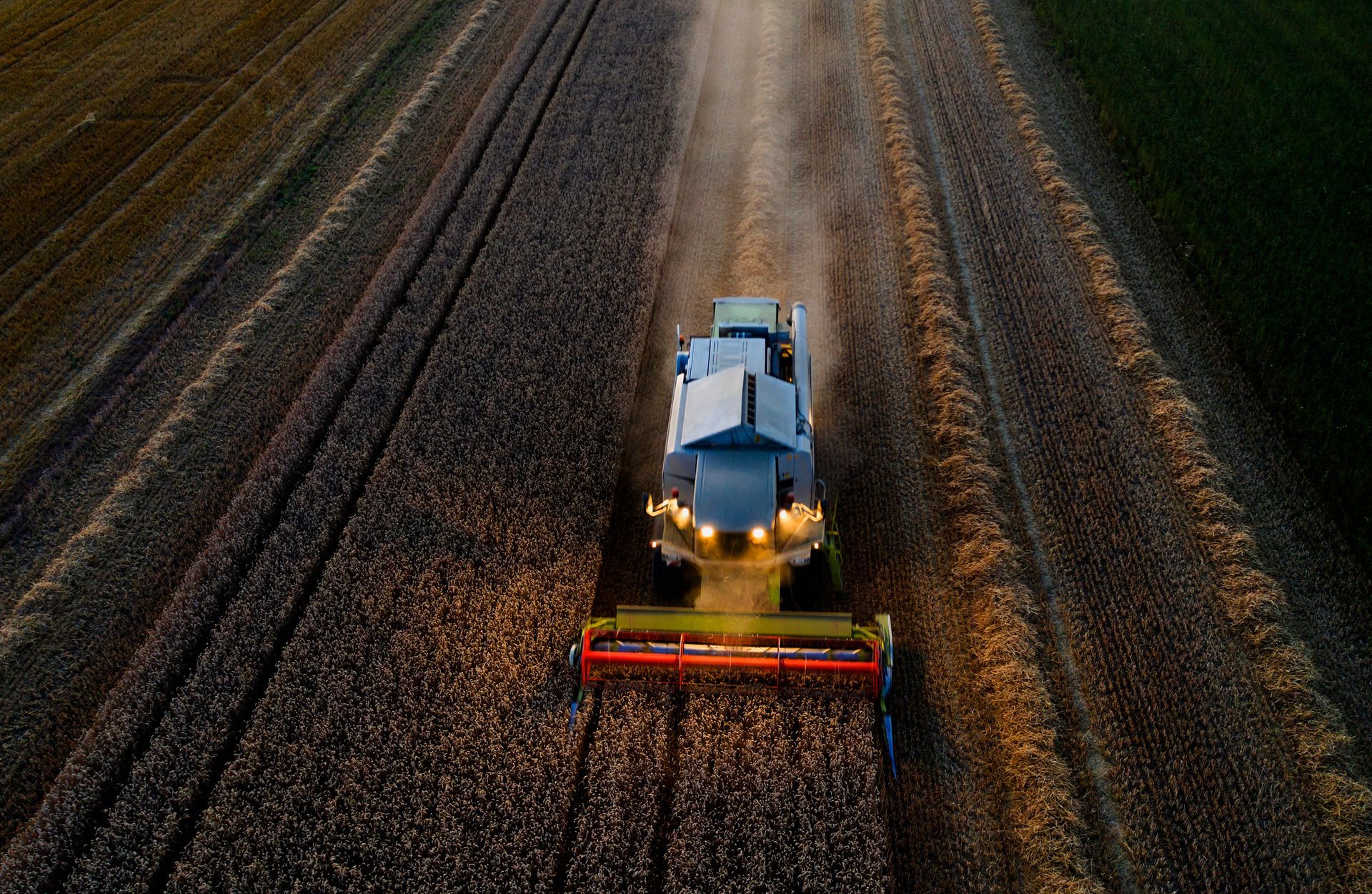
High-precision GNSS has typically been too costly and complex for all but the most critical agricultural operations, but recent RTK GNSS innovations have made centimetre accuracy scalable to all applications in Ag-Tech.
Every Aussie farmer knows that the difference between a “good” crop and a “record-breaking” one often come down to the smallest details. At BioFlora, we’ve spent years perfecting the balance of plant nutrition, and the result is IsoGreen – our powerhouse liquid formula designed to push your yields and crop taste to their absolute peak.

Plant, spray and harvest with confidence using reliable centimetre level positioning. Hexagon SmartNet provides fast, accurate RTK corrections across Australia to reduce overlaps, lower input costs and maximise productivity. With no base station required, simply connect, get a fix and get to work.

Built for the demand of Aussie farmers. Designed for every day performance.
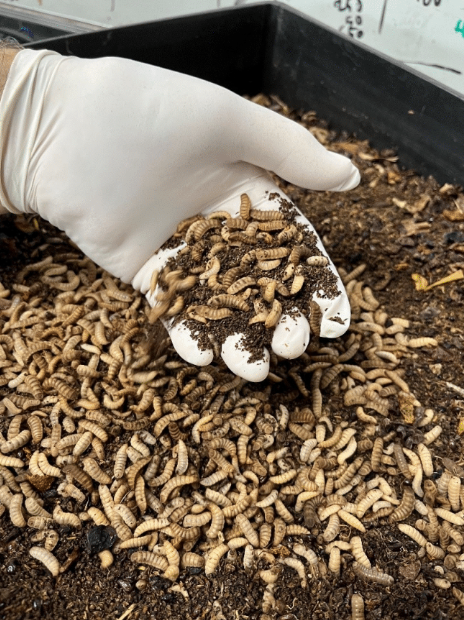
They’re wriggly black grubs more commonly tossed to backyard hens than served at the dinner table, but black soldier fly larvae could soon play a key role in building a more sustainable food system, according to new research from Adelaide University.
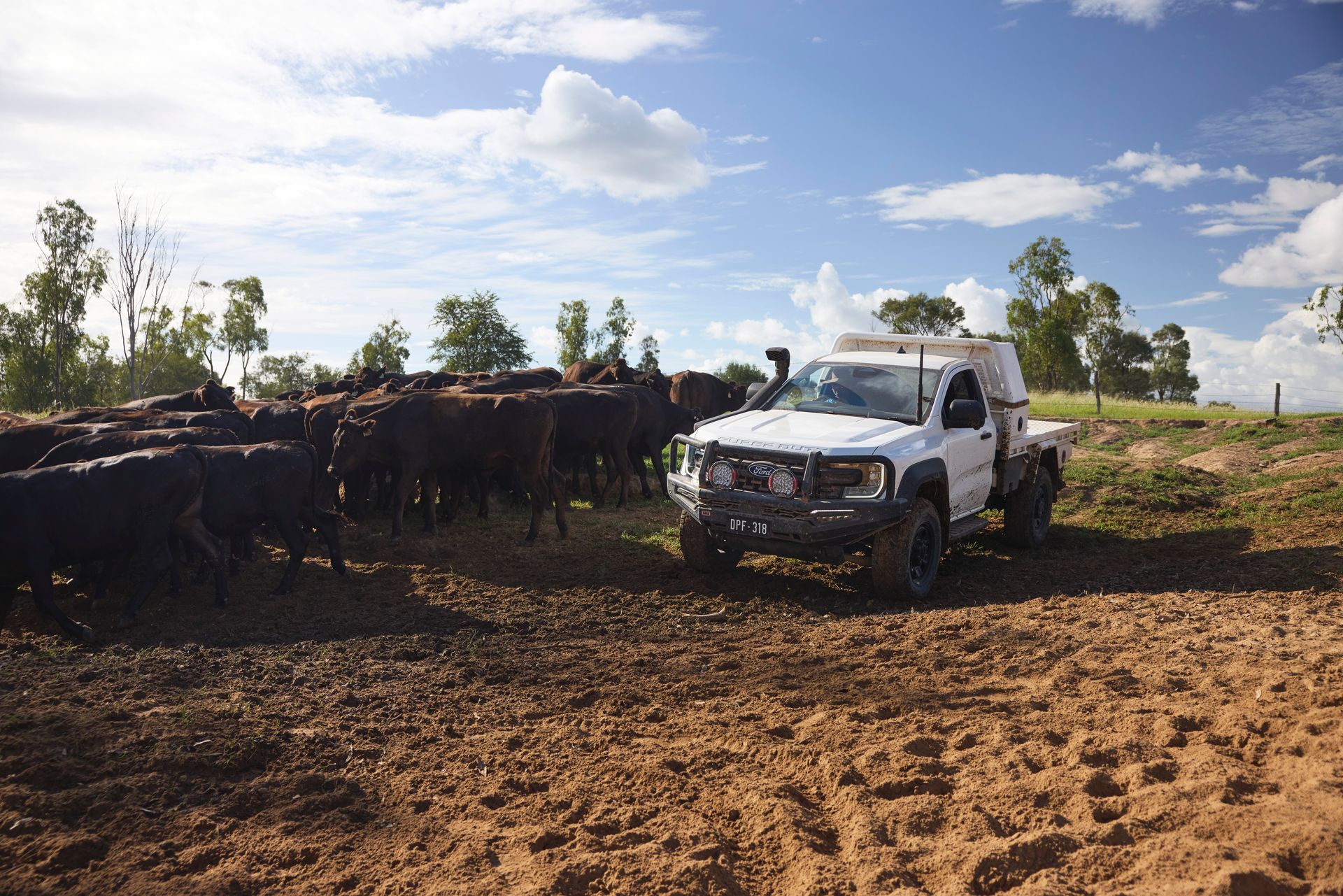
After four years of customer research and 500,000 test kilometres, Ford says the Ranger Super Duty brings farmer-driven customisation into the factory, with more towing, payload, and durability built in.