Prof. Johannes le Coutre is a recognised innovator in the Life Sciences with profound industry experience, Professor Johannes le Coutre is responsible for the UNSW Food & Health program in the faculty of Engineering.
Rethinking food security in Australia: from production to purchasing power
Prof. Johannes le Coutre
Australia produces enough food for millions, yet many households face food insecurity. Achieving true food security requires equitable access, innovative technology, and a national framework for resilience.Australia produces enough food for millions, yet many households face food insecurity. Achieving true food security requires equitable access, innovative technology, and a national framework for resilience.

Australia has long regarded itself as one of the world's most food-secure nations. Yet recent data from both the Australian Bureau of Statistics (ABS) (1) and Foodbank Australia (2) reveal that this confidence maybe misplaced - or, at least, incomplete. The ABS reports that around 13.2 per cent of households - approximately 1.3 million nationwide - experienced food insecurity in 2023, meaning they ran out of food and could not afford more. While this figure reflects the stricter international definition used by the United Nations Food and Agriculture Organization (FAO), broader social-impact surveys by Foodbank show a much larger proportion - around one in three households (36 per cent) - experiencing some degree of food stress or compromise in diet quality and variety.
Together, these two perspectives suggest that while outright hunger affects a smaller share of the population, economic vulnerability and poor dietary access are much more widespread and persistent. Australia's food security challenge, therefore, is not primarily one of production - since the nation produces enough food to feed more than 75 million people - but one of purchasing power, affordability, and equity in access. The task ahead is to recognise these overlapping realities and ensure that policy frameworks address both the narrow and the broader dimensions of food insecurity.
Understanding the Food Security Gap
Among households reporting food stress, rising expenses for food, energy, and housing remain the dominant pressures - 82 per cent cite cost-of-living increases as the main cause (Foodbank Australia 2023). In the most affected households, 97 per cent worry about running out of food, and 93 per cent cannot afford balanced meals. Many skip meals weekly or reduce portion sizes regularly.
The risk of food insecurity is not evenly distributed. Households earning under $30,000 a year, single-parent families, renters, and people living in regional or remote areas are most affected. The ABS reports particularly high exposure among First Nations households and among those in regional economies dependent on casual or seasonal work. In regional Australia, Foodbank's 2023 data indicate that more than one-third of households (37 per cent) experience some form of food insecurity, while among single parents the rate rises to almost 70 per cent.
While the methodologies of ABS and Foodbank differ, both data sources converge on one point: food insecurity has become a structural issue rather than a temporary shock. Even modest economic fluctuations can push vulnerable households into crisis. Beyond its human toll, food insecurity undermines workforce productivity, education outcomes, and long-term public health. As the CSIRO notes, the cumulative social and economic cost of inadequate nutrition far exceeds the investments required to ensure equitable access to healthy food (3).
In this light, food insecurity is not a marginal welfare concern, but a national challenge linked to economic justice, health equity, and sovereignty. A country that exports billions of dollars of food each year while hundreds of thousands of its citizens cannot afford to eat well must rethink what it means to be truly food secure.
From Abundance to Sovereignty
Australia's challenge, then, is not to produce more food but to build sovereign capacity, to ensure that every citizen can access and afford nutritious food regardless of economic shocks or global disruptions.
True food sovereignty goes beyond self-sufficiency in production. It encompasses control over supply chains, fair distribution of economic benefits, and the ability to maintain domestic resilience when global trade or energy systems falter. The COVID-19 pandemic and recent geopolitical tensions have shown how vulnerable Australia remains to external dependencies for key agricultural inputs such as fertiliser, fuel, and processed foods.
A forward-looking food policy must therefore begin with an "Australians First" mindset - not isolationist, but pragmatic. Domestic food security and purchasing power must take precedence over export volume. Ensuring secure access to affordable food for Australian households is as critical to national sovereignty as energy independence or defence capability.
At the same time, Australia can strengthen its sovereignty by harnessing under-used technological and ecological tools - chief among them regenerative agriculture. Regenerative practices restore soil health, improve biodiversity, and increase resilience to climate stress. Techniques like multi-species cover cropping, rotational grazing, and soil-carbon management not only boost yields and water retention but also reduce emissions and dependence on synthetic inputs.
Regenerative agriculture is more than an environmental solution; it is an economic one. It can stabilise farm income, create new markets for carbon and natural capital, and reduce vulnerability to global supply shocks (4).
Yet its full potential remains unrealised because policy and finance have not kept pace with innovation. Farmers need long-term incentives, research partnerships, and public investment to scale these practices nationally. A strong food system is not defined by output alone, but by its ability to sustain both ecosystems and livelihoods, to balance productivity with equitable prosperity.
A National Framework in Transition
The Australian Government has recognised the urgency of reform and is now developing a National Food Security Strategy - the first of its kind in decades. The Department of Agriculture, Fisheries and Forestry has committed AUD $3.5 million to this initiative to consult widely across the food system and establish a National Food Council to guide its design and implementation. A discussion paper has been released, and the final strategy is expected by 2026-27.
This is a welcome step, signalling a long-overdue commitment to whole-of-system planning. The strategy
acknowledges that while Australia remains broadly food secure, climate change, biosecurity threats, and supply-chain disruptions present mounting risks.
However, the forthcoming strategy must go beyond productivity and export competitiveness. It must place household purchasing power, affordability, and equitable access at the centre of its framework. A nation cannot be food secure if its people cannot afford to eat well.
Knowledge, Innovation, and Local Empowerment
Food sovereignty also depends on knowledge and innovation that serve people where they live. Australia's universities and research institutions already lead globally in food science, biotechnology, and agricultural engineering, yet these capabilities are fragmented and under-deployed. Research must translate into tangible community outcomes - boosting local economies, improving household incomes, and reinforcing purchasing power.
A National Lighthouse Initiative for Deployable Food Research can serve this goal by connecting science to society.
Anchored in partnerships among major universities, the CSIRO and regional research centres, the initiative could demonstrate scalable solutions for regenerative farming, sustainable food manufacturing and packaging, alternative proteins, and circular economy models for food waste. This would make innovation visible and relatable, showing how scientific progress strengthens both environmental health and economic security.
Education and local empowerment are equally essential. Embedding food and nutrition education into the national curriculum, together with school meal programs and community food initiatives, not only reduces hunger but fosters food literacy and long-term resilience.
Universities play a vital role in strengthening local purchasing power. Research from the Regional Universities Network shows that regional universities raise local wages and drive employment through staff, students and construction spending. This stimulates household income, a key determinant of food security.
By increasing educational opportunities and retaining skilled graduates in rural areas, regional universities help stabilise communities economically. Improved income directly translates into better food affordability and access. University-led programs, such as those addressing nutrition in remote Indigenous communities, also show how research and outreach can directly enhance food security.
Finally, public engagement is indispensable. Australians must see the connection between soil biology, packaging innovation, nutrition science and the meals on their tables. By highlighting how innovation supports both sovereignty and social equity, universities and research institutions can make food security part of the national conversation.
References
1 Food insecurity, 2023 | Australian Bureau of Statistics. https://www.abs.gov.au/statistics/health/food-and-nutrition/food-insecurity/latest-release [Accessed October 22, 2025]
2 Foodbank Hunger Report 2024 - Foodbank Reports. https://reports.foodbank.org.au/foodbank-hunger-report-2024/ [Accessed October 22, 2025]
3 Alexanderson MS, Luke H, Lloyd DJ. Regenerative agriculture in Australia: the changing face of farming. Front Sustain Food Syst (2024) 8:1402849. doi: 10.3389/FSUFS.2024.1402849/BIBTEX
4 Feeding Australia: A National Food Security Strategy - DAFF. https://www.agriculture.gov.au/agriculture-land/farm-food-drought/food/national-food-security-strategy [Accessed October 23, 2025]

NEWS
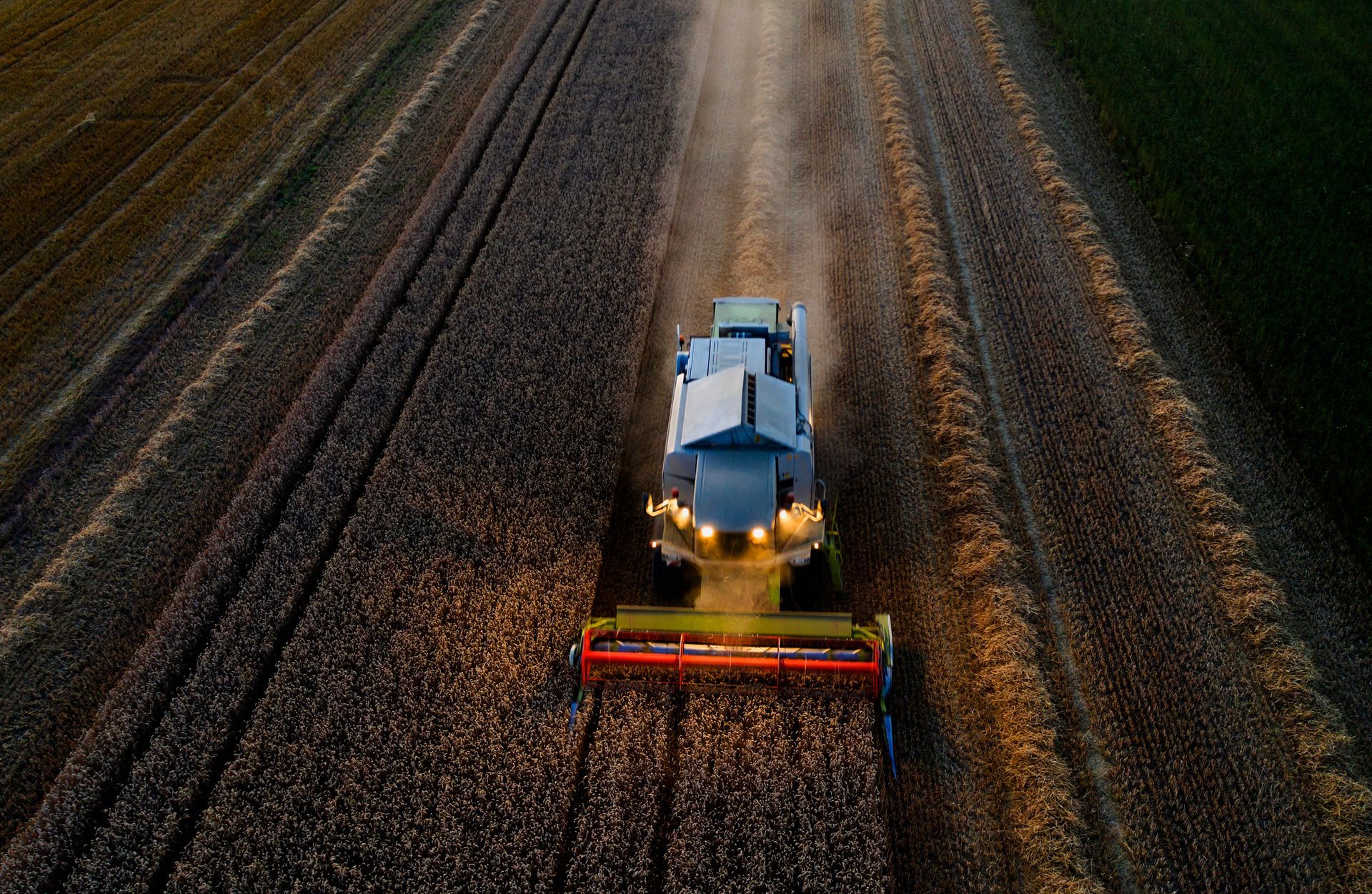
High-precision GNSS has typically been too costly and complex for all but the most critical agricultural operations, but recent RTK GNSS innovations have made centimetre accuracy scalable to all applications in Ag-Tech.

Every Aussie farmer knows that the difference between a “good” crop and a “record-breaking” one often come down to the smallest details. At BioFlora, we’ve spent years perfecting the balance of plant nutrition, and the result is IsoGreen – our powerhouse liquid formula designed to push your yields and crop taste to their absolute peak.

Plant, spray and harvest with confidence using reliable centimetre level positioning. Hexagon SmartNet provides fast, accurate RTK corrections across Australia to reduce overlaps, lower input costs and maximise productivity. With no base station required, simply connect, get a fix and get to work.

Built for the demand of Aussie farmers. Designed for every day performance.
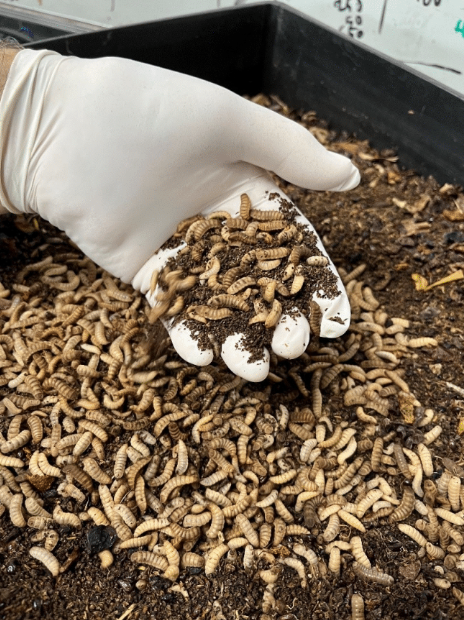
They’re wriggly black grubs more commonly tossed to backyard hens than served at the dinner table, but black soldier fly larvae could soon play a key role in building a more sustainable food system, according to new research from Adelaide University.
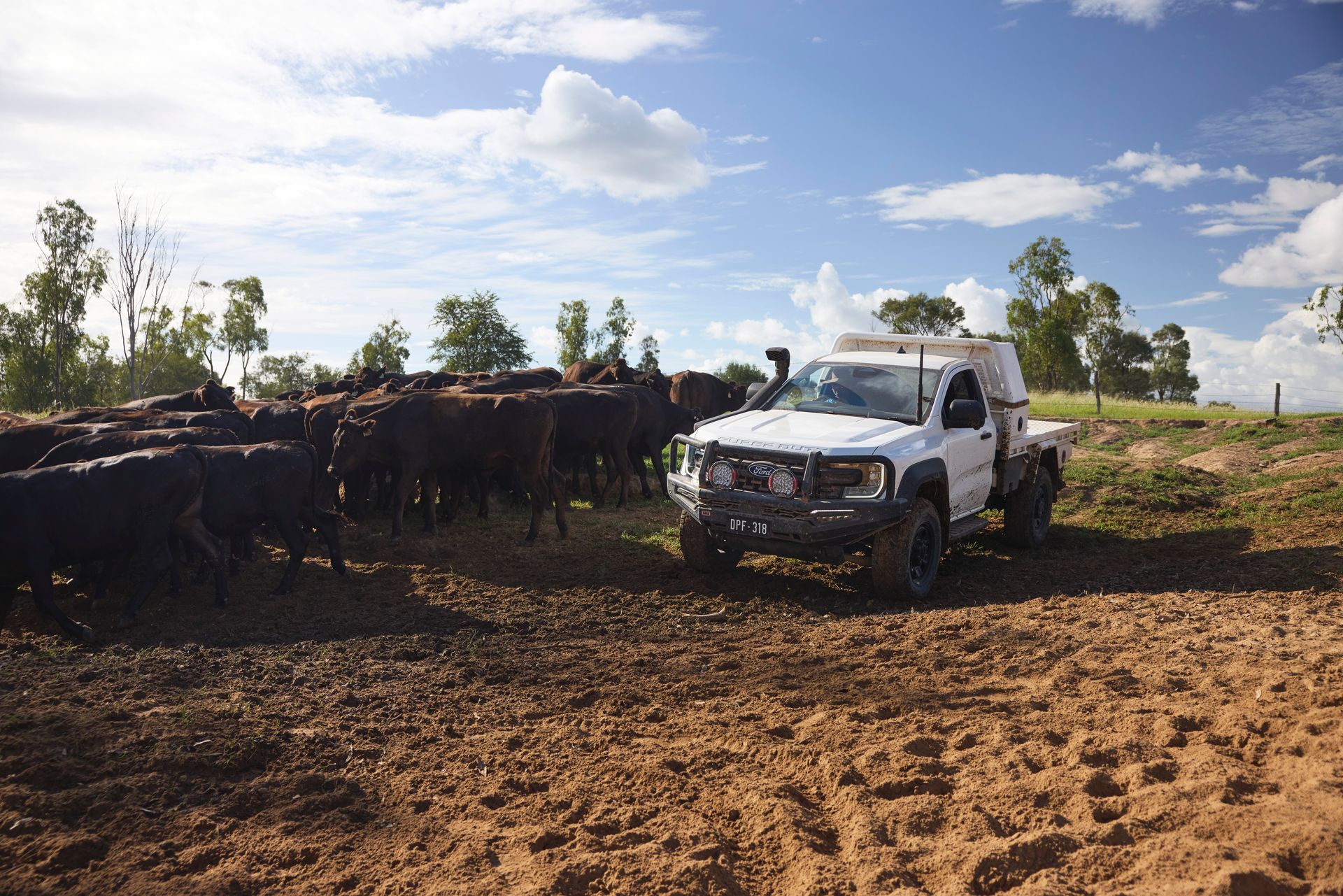
After four years of customer research and 500,000 test kilometres, Ford says the Ranger Super Duty brings farmer-driven customisation into the factory, with more towing, payload, and durability built in.