NSW Agriculture Minister Tara Moriarty
Strategic investment key to Australia’s agricultural future
Margaret Paton
Record investment announcements mask deeper challenges that call for coordinated national action and sustainable funding models for agricultural success.

Australia faces an agricultural biosecurity crisis extending far beyond state borders. Invasive species cost the national economy $24.5 billion annually, which equates to 1.26 per cent of our gross domestic product. The costs of invasive species have increased sixfold each decade since the 1970s.
When production losses are factored in, farmers spend $3.8 billion yearly controlling vertebrate pests and weeds while suffering additional losses of $1.5 billion.
NSW Agriculture Minister Tara Moriarty says that “historic” investment is a “critical foundation for a strong farming future”.
Recent policy discussions, including at the July 2025 NSW Farmers Conference, highlight the urgency of coordinated biosecurity responses. According to the Invasive Species Council, fire ants are a $2 billion annual threat to agricultural productivity, while the broader invasive species burden has reached $650 billion over the past decade. Jack Gough, CEO of the Invasive Species Council, recently praised significant state investments as “important leadership [and] a significant step forward” in addressing what he calls a “multi-billion-dollar biosecurity blind spot”.
The real test lies not in spending quantum but in coordination and sustainability. Environmental biosecurity expert Dr Bertie Hennecke said the latest findings, combined with earlier surveys, give six years of data to track trends in invasive species impacts. This evidence base is crucial for developing policies extending beyond political cycles and state boundaries.
Research investment mathematics
Agricultural research investment mathematics are compelling: every dollar invested generates almost $8 in returns for farmers over 10 years. Yet despite Australia’s total agricultural R&D investment reaching $2.98 billion in 2023-24, productivity growth has stagnated at just 0.72 per cent annually since 2000, down from 2.18 per cent in the 1980s-90s.
Dr Jared Greenville, ABARES Executive Director, highlights that “agricultural R&D investment is what underpins innovation in the sector, and the flow-on benefits for farmers are considerable”. The challenge lies in translating research excellence into practical outcomes.
Australia’s agricultural research ranks in the top 1 per cent globally in areas including biosecurity, environment, and climate resilience, yet the pathway from laboratory to paddock remains fragmented.
Recent breakthroughs demonstrate potential. Research identifying genes protecting canola plants from manganese toxicity in acidic soils could transform productivity across 13.7 million hectares in New South Wales. Similarly, genetic research examining cattle feed conversion efficiency and methane reduction promises higher productivity and premium market positioning for Australian beef.
Research infrastructure modernisation represents more than facility upgrades. It signals fundamental shifts toward integrated, digitally enabled research systems. Investments in artificial intelligence, environmental DNA analysis, and data analytics capabilities show that future agricultural challenges require technological solutions scaling rapidly across diverse farming systems.
Integration and adoption challenges
The most critical gap in Australian agriculture lies in connecting research and extension services. Recent assessments reveal producers are insufficiently engaging with private consultants, while private consultants require more public sector support. The solution isn't simply more funding; it’s better coordination.
Professor Stewart Lockie from James Cook University, co-author of the Australian Council of Learned Academies’ agtech report, emphasises what’s needed to achieve transformational change in agriculture: a future where “data analytics and artificial intelligence are as at home on the farm as they are in any other high-tech industry”.
Evidence supports this integration imperative. Roy Morgan research shows almost nine in 10 of Australian farmers have used or would consider using AgTech, with 72 per cent currently integrating it into operations.
However, high costs and information gaps remain primary barriers to wider adoption. This suggests the bottleneck isn’t farmer reluctance but system inadequacy in delivering accessible, relevant solutions.
Extension frameworks must evolve from one-size-fits-all approaches to targeted, technology-enabled services connecting farmers directly with relevant Workforce and infrastructure foundations.
Skills shortages represent agriculture's most immediate growth constraint. With only 300 agricultural graduates produced annually against industry demand for more than 4,000 per year, the sector faces a critical talent pipeline crisis. Professor Jim Pratley from Charles Sturt University warns that “universities are nowhere near satisfying the current market”, while the ageing workforce exacerbates medium-term challenges.
Graduate programs and professional development initiatives represent essential investments needing national scaling and industry coordination. Successful models show 83 per cent retention rates for early-career professionals when supported through structured pathways, suggesting investment in talent development generates sustainable workforce outcomes.
Workforce and infrastructure foundations
Skills shortages represent agriculture's most immediate growth constraint. With only 300 agricultural graduates produced annually against industry demand for more than 4,000 per year, the sector faces a critical talent pipeline crisis. Professor Jim Pratley from Charles Sturt University warns that “universities are nowhere near satisfying the current market”, while the ageing workforce exacerbates medium-term challenges.
Graduate programs and professional development initiatives represent essential investments needing national scaling and industry coordination. Successful models show 83 per cent retention rates for early-career professionals when supported through structured pathways, suggesting investment in talent development generates sustainable workforce outcomes.
Digital connectivity emerges as a critical enabler. Recent research by Food Agility Chief Scientist Professor David Lamb highlights breakthrough technologies providing “farm-wide Wi-Fi” as “enabling infrastructure for Australian agriculture”.
Without this digital foundation, the agricultural workforce cannot access tools and information systems necessary for productivity growth.
Climate adaptation reality
Australia’s agricultural sector operates within increasingly complex pressure landscapes. The sector accounts for 55 per cent of national land use and 74 per cent of water consumption while generating 10.8 per cent of goods exports. Farmers today are juggling the need to boost productivity with the pressures of caring for the land and dealing with a changing climate.
Climate change has already reduced average farm profits by 23 per cent between 2001 and 2020. This reality demands what researchers term “transformative adaptation”. That’s fundamental shifts in where and how agricultural production happens.
The University of Melbourne’s Climate Resilient Agriculture research group emphasises that “current and predicted changing climates requires a new approach to agriculture to ensure viable, productive, and healthy agroecosystems into the future”.
Research priorities at that university and across the nation increasingly focus on climate-resilient production systems, sustainable resource management, and emissions reduction strategies. Heat tolerance research, drought-resistant varieties, and improved decision-making tools represent critical investments in long-term agricultural viability.
Coordinated action framework
Australia’s agricultural future depends on moving beyond fragmented, short-term interventions toward integrated, sustainable systems thinking. The elements exist: world-class research capabilities, innovative farmers, and growing recognition of agriculture’s strategic importance. As well, Moriarty talks to the latest report from the NSW Department of Primary Industries’ research program. It “identified opportunities to improve [in] governance, financial sustainability, asset management and reporting”, she says.
What’s missing is a coordination framework connecting these elements effectively.
Success requires four coordinated actions: establishing sustainable, long-term funding models extending beyond political cycles; creating integrated extension systems connecting research to practice; investing in digital infrastructure enabling technology adoption; and developing workforce strategies meeting current and future industry needs.
Agriculture’s vision of reaching $100 billion by 2030 is achievable, but only if policymakers recognise that strategic investment in systems and capabilities matters more than spending announcements. Australia’s farmers have proven they can innovate and adapt. The challenge is ensuring they have integrated support systems necessary to thrive in increasingly complex environments.

NEWS
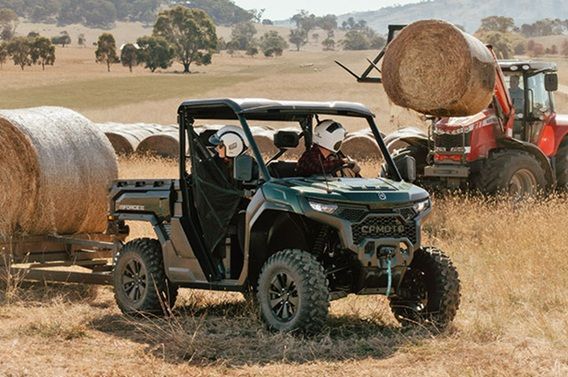
The U10 Pro Range redefines what a top‑tier full‑size UTV can be, launching a bold new era for the UFORCE family — now offered in three distinct models.
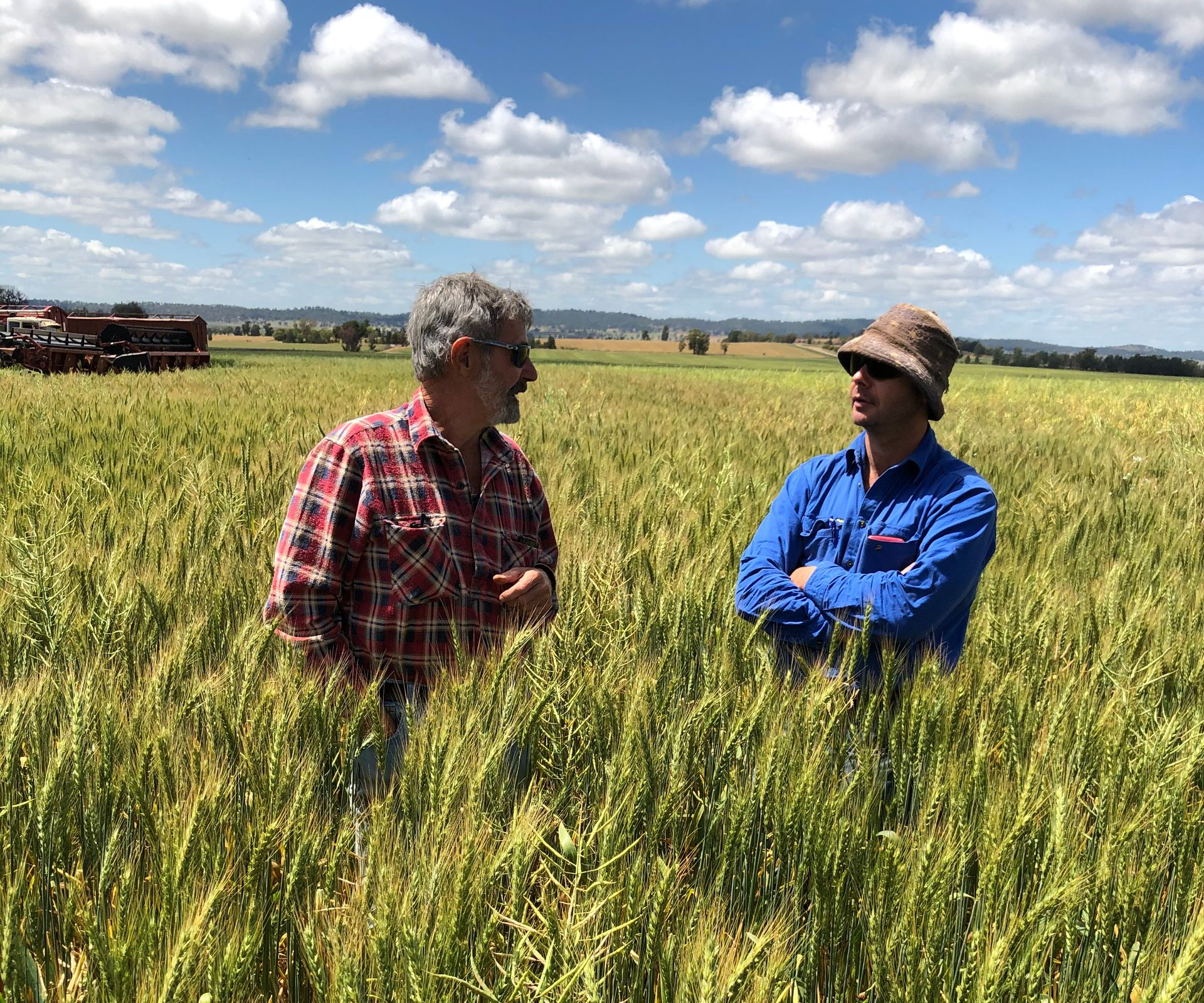
Family owned company Australian Farm and Fencing, located in Wagga Wagga NSW, is on a mission to help more and more Australian farmers recognise what is widely considered the world's best soil restorative or premium organic fertiliser: vermicast.
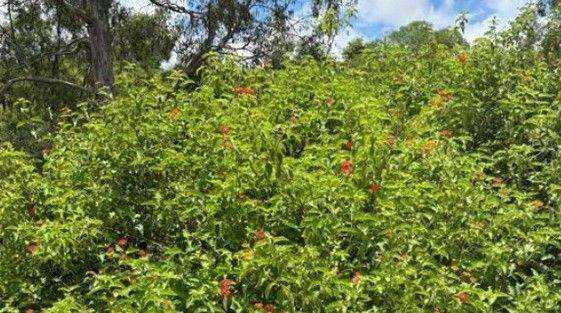
Invasive woody weeds steal your pasture. Method helps you take it back.
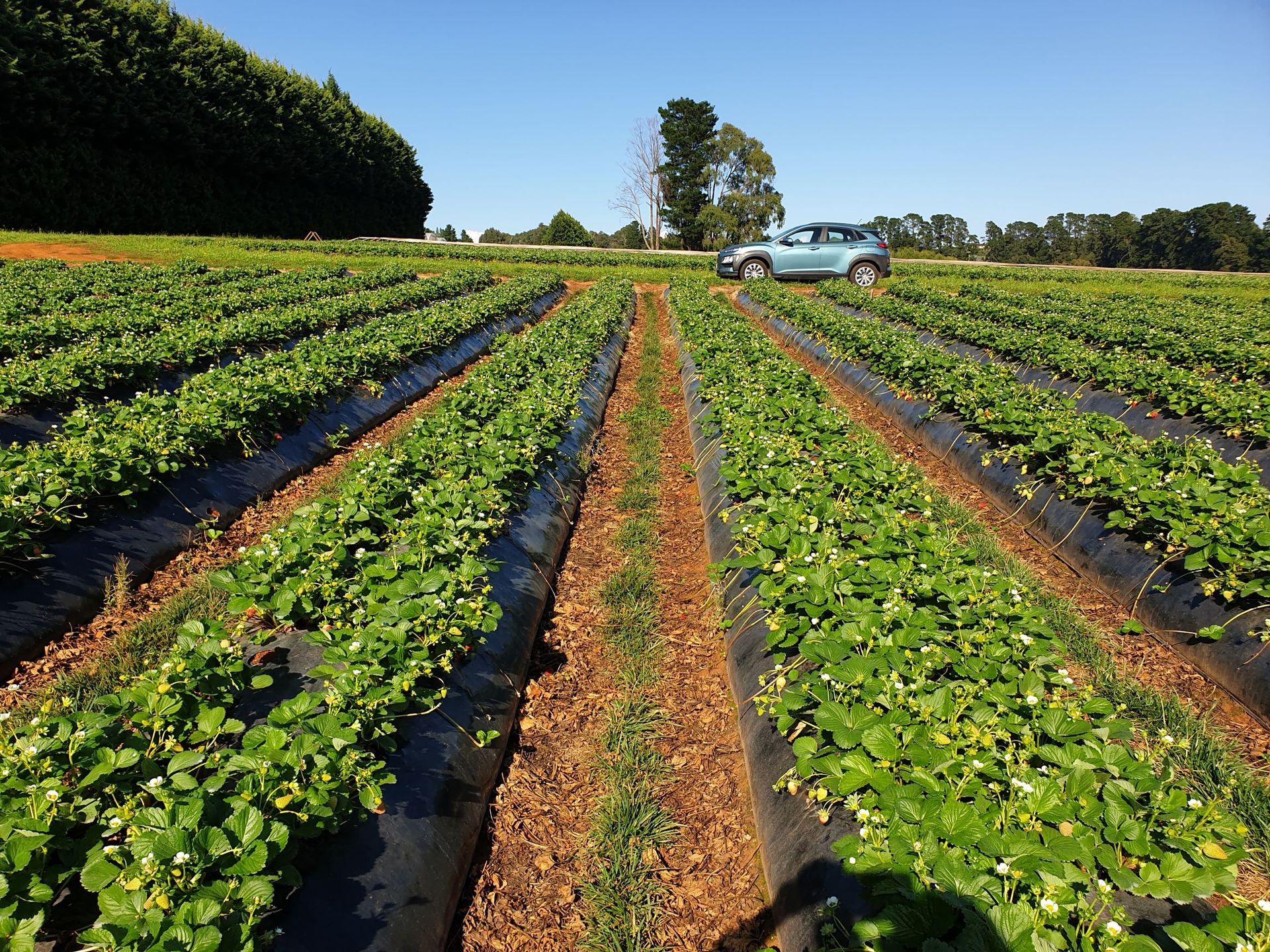
Australian farmers choose Bioflora for real results: sustainable roots, soil‑and‑plant biology that works, and a company genuinely committed to supporting growers’ season after season.
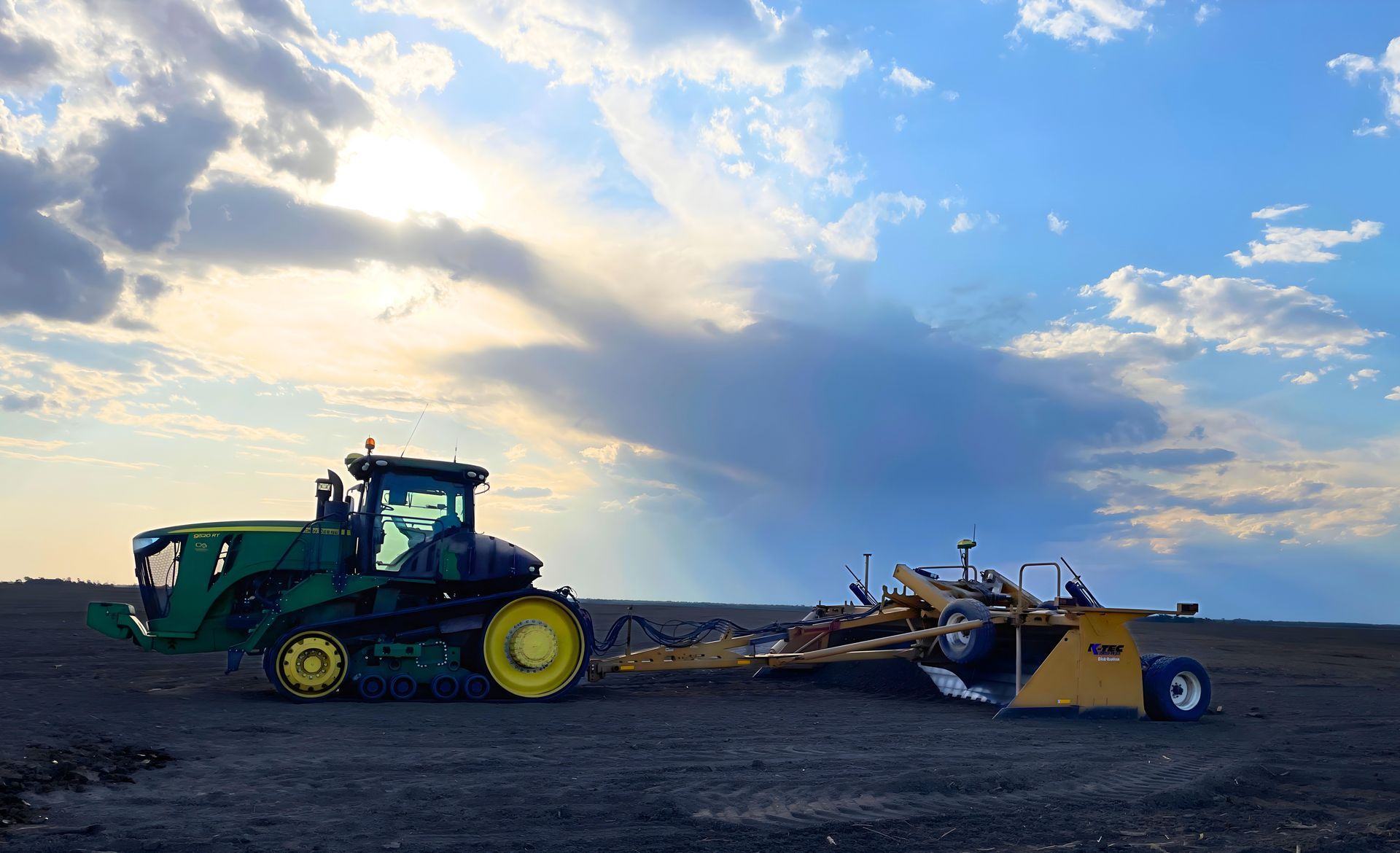
Adding hectares isn’t the only business growth strategy for farmers. Smarter landforming can recover margin, improve efficiency, and deliver quicker returns — whether automation is on your agenda or not.
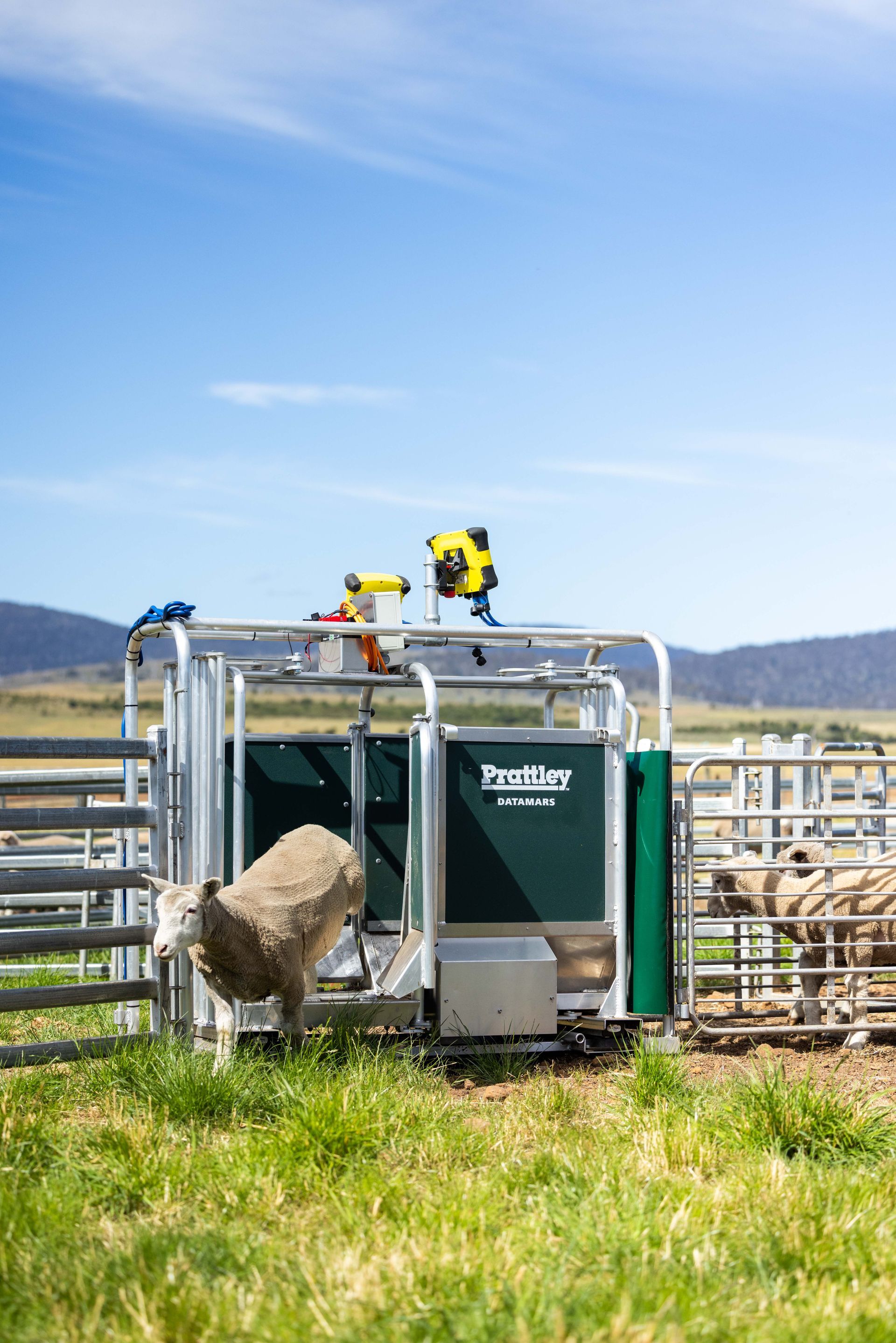
As sheep producers adopt electronic identification, many are focusing on systems that keep work flowing in the yards and deliver value beyond compliance. For producers, the real benefit of EID is simple: faster yard work, more reliable reads, and cleaner flock records — all without adding extra steps.