Wayne Pitchford is Professor of Animal Breeding and Genetics, and Director of the Davies Livestock Research Centre at Adelaide University. He has been involved in national research programs in beef cattle, sheep and pigs. Ten years ago his family purchased a farm at Keith SA which is run by his son James.
Direction and discipline: optimising genomic traits in livestock production
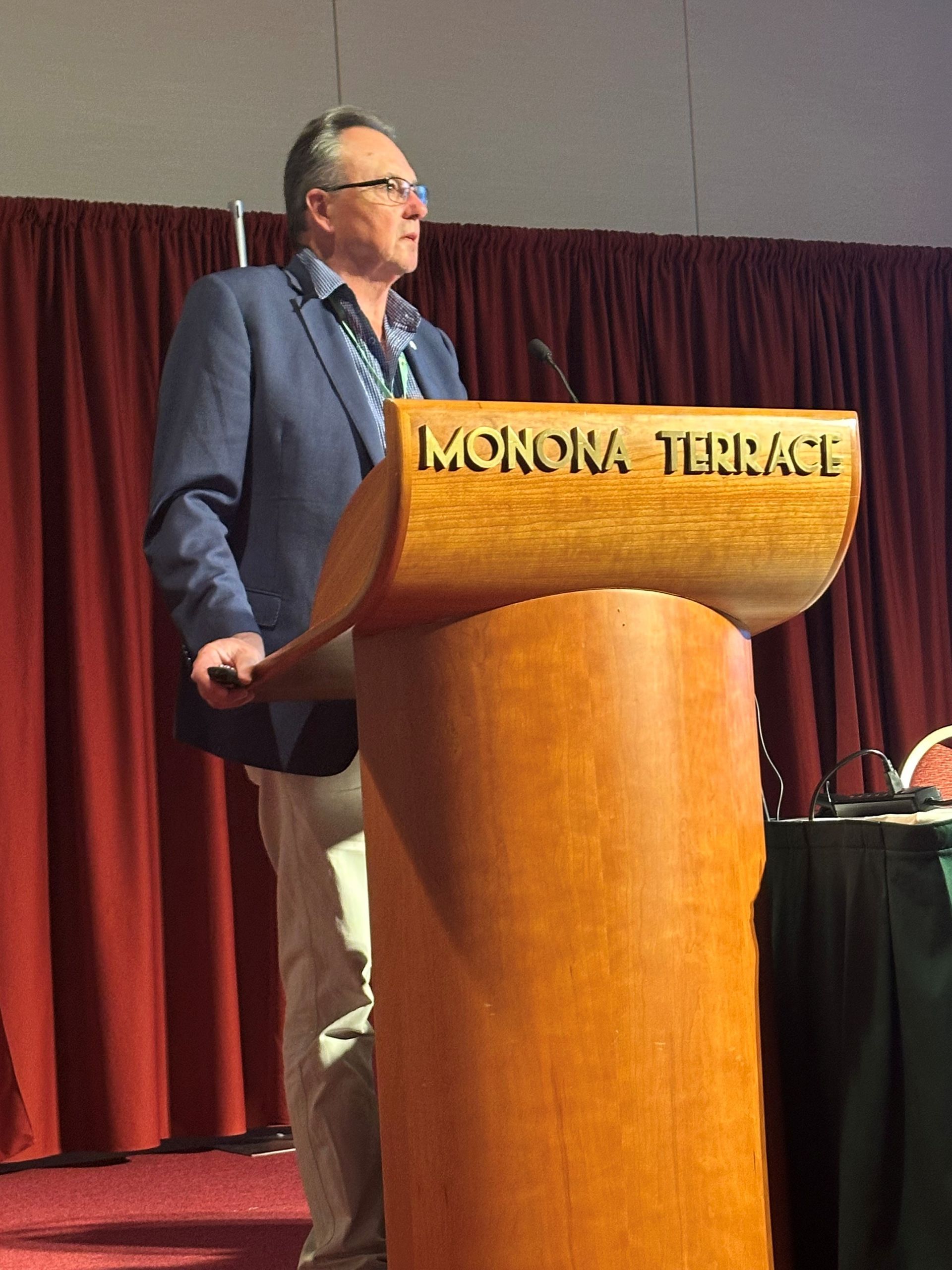
Professor Wayne Pitchford
A saying I heard many years ago is “He who aims for nothing will certainly achieve it”. Genetic improvement is slow but cumulative and permanent so underpins productivity gains. To achieve this requires clear direction and discipline.
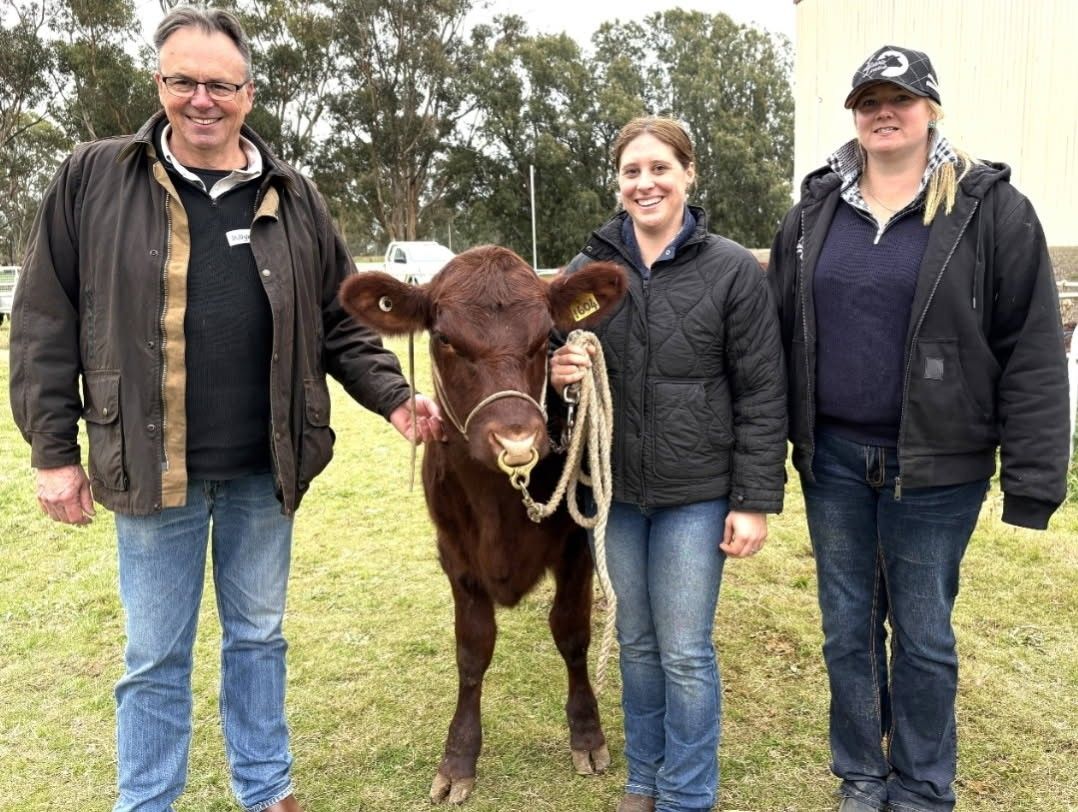
Last year marked 40 years since BREEDPLAN, the world's leading genetic evaluation system for beef cattle, was launched in Australia. I was in the second year of my agricultural science degree and was an instant convert to the power of using data and pedigree relationships to make genetic progress. Over the years, many have questioned the emphasis on data and whether it really works but there is ample evidence they are wrong. Estimated breeding values are what they say, estimates. They are good and when averaged across a bull or ram team, are excellent.
There are some valid reasons why seedstock breeders, who are the specialised livestock producers who raise animals to supply genetics and breeding stock to commercial breeder operations, and their clients don’t use data. For some traits, there are not breeding values available. This is usually due to being very hard to record or measured very late in life. In these cases, we need to use traits that have been shown to be heritable and genetically correlated to the trait of interest. Longevity, structure. and disease susceptibility traits are not easy but are important to pursue.
In the first article I had published in South Australia’s stock journal about the gene mapping project I was embarking on with Cindy Bottema, we were criticised by a leading stud breeder for the direction the university was taking. Since then, that breeder’s breed has lost most of its market share and genomics has become core business.
The principle of estimating breeding values is based on performance data that can be as simple as ranking animals (e.g., likability in dairy cows) and genetic relationships. Genetic relationships used to require knowledge of sire (father) and dam (mother), but now genomics does a better job. This means that mothering up at birth and use of multiple-sire teams are no longer limitations for producing useful data.
Other reasons why people don’t use breeding values include a lack of discipline in recording data or fear that their animals will not measure up and they will lose clients. These are selfish reasons and come at a cost to industry productivity. This inward focus also extends to beef breed societies where Director’s responsibilities state that Board decisions must be made in the interest of the company (Breed Society) rather than those of members and the wider industry.
Meat and Livestock Australia in their current strategic plan have set a goal of developing tools for value-based marketing of livestock and multi-breed breeding values for beef cattle. These goals are ambitious but should have been business as usual for the last 20 years. I am a big supporter of both.
There are traits that are almost impossible to record in seedstock herds and so we must find ways for commercial data to flow into our genetic evaluation systems. Given the large use of artificial insemination in beef studs (for good reason), we need systems that can capture heifer and cow reproductive performance in commercial conditions. These conditions include nutritional, heat, and health (e.g. tick, buffalo fly) challenges. Carcass quality of steers and lambs is another example of where commercial data is important.
In sheep, diseases like footrot, fly strike, and fleece rot are equivalent examples. Lastly, feedlot performance is another area where commercial data could add real value especially in reducing respiratory disease in cattle and sheep. Genetic improvement in cattle feedlot health could lead to reduced backgrounding times, thus simultaneously increasing productivity and welfare. Another example of a trait that can’t be recorded in studs but needs to capture commercial data is bull and ram longevity. Too many bulls breakdown. Many have already been genotyped and so it should be relatively simple for large commercial herds to feedback results from regular bull breeding soundness.
Our scientific community has been too conservative and slow to include additional traits. There is a saying “don’t let perfection be the enemy of the good”. This should be the mantra of development nimble evaluation systems noting that we must not be so cavalier as to include data with poorly defined contemporary groups.
While I have raised the importance of including new traits, sometimes there is more emphasis on them than necessary. A good example of this is feed efficiency. Given that feed is the greatest cost in livestock production, it seems obvious that selecting for improved efficiency would increase profit. Feed intake is most affected by the size and growth rate of animals. Faster growing ones eat more but as meat is higher value than feed, they are more profitable. Most variation in feed intake independent of size and gain is associated with fat. In breeding stock or those that are finished with minimal fat, it is probably easier to measure fat than feed intake. However, in long-fed Angus and Wagyu with large variable internal fat depots, selection for feed efficiency is easier than measuring the depots.
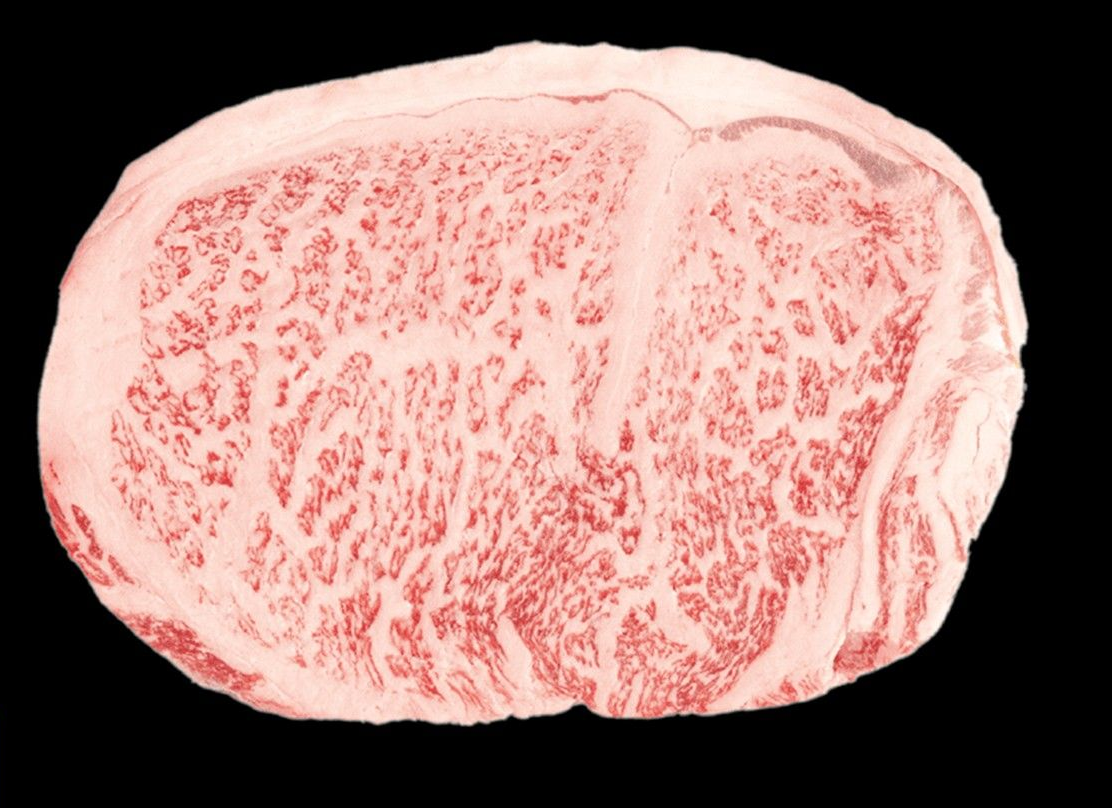
Livestock with more muscle look better than those with less. Also, muscle is meat so surely selecting for more muscle is important. This is sort of true, but maximising weight for age is the most important profit driver. Meat quality is also important, crucial in long-fed cattle and becoming increasingly important in other beef and lamb markets. It is worth stating here the obvious point that it is impossible to see meat quality in the live animal and so genetic improvement can only come from disciplined use of breeding values.
When looking at meat cuts as a proportion of carcass weight, there is much more variation in the cuts in the butt than other areas. This is quite visible in live animals and is why good gains have been made in muscularity. However, the loin cuts are worth three times as much per kilogram as the butt (common range 2-5x) so there is a real risk of putting too much emphasis on selecting for more schnitzels and corned beef when the real demand is for the loin and bigger carcasses have more of everything.
Improving resilience of commercial breeding females is important. A significant part of this is having animals that can utilise feed when it is available to build condition for tougher times. Condition score in cows and ewes is genetically related to carcass composition traits in young animals, but the correlation is weaker than many realise. It is tremendous that mature body condition breeding values are now available for some cattle and sheep systems and these are really important for production systems pushing pasture utilisation. This is code for “don’t bother if you’re under stocked!”. Cows and ewes that have more condition are fatter and have eaten more to achieve it and so would be considered less feed efficient. However, if they delay the need to feed expensive supplementary feed, then they would be more profitable.
Selecting for faster days to calving is a trait that is lowly heritable, but there is significant variation and the impacts on industry productivity are significant. Simply put, it works! We don’t have an equivalent breeding value available in sheep as there is the ability to raise twins. That said, as commercial joining times are reduced there is likely increasing demand for a time to lambing breeding value.
The most profitable cattle for much of Australia are tropically adapted composites. This is where multi-breed genetic evaluation will have the most impact. However, I believe this raises the importance of having a resilience breeding value as there will be a large range of Bos indicus content in the composites. As a starter, the resilience breeding value could be based on Bos indicus content, ideally based on genomics rather than breed, but it will need to extend to actual measurement quickly. There are current excellent projects on body composition, and resistance to ticks and buffalo flies.
My colleagues who have been studying climate change for decades tell me that they are very sure about rising temperatures but less sure about the impact on rainfall. Thus, developing drought resilient livestock and production systems is important but there should be a strong focus on heat resilience. This is another trait that is difficult to select for, although possible. Thus, we should strive for simpler measures of core body temperature and grazing behaviour, utilise commercial feedlot data with pant scores and genotypes, and in the interim develop genomic tests trained on appropriate populations. Similar strategies should also be adopted for cold stress.
Another aspect of resilience is immune-competence. CSIRO’s livestock team has a great job developing genomic tests for cattle and sheep immune response. We need to find correlated traits that are easier to select for i.e., are heritable and genetically correlated to immune-competence. It is easy to think that more is better, but it is likely that there is an optimum immune response. Practically it is likely that incorporating the response into a balanced selection index will moderate single-trait selection. However, there is some important research to be done to ensure we don’t increase the frequency of auto-immune disorders in livestock.
As an industry with genomics becoming mainstream, we are now blessed with multiple providers of genomic analysis and tools for selection of unrecorded animals based on a simple DNA test. The latter leads to a massive temptation for commercial producers to breed own bulls and rams. However, being a good breeder takes greater discipline than most acknowledge. If you’re focussed on your commercial profit, it is very likely you don’t have the same discipline for producing top rams and bulls. My view is that you should focus on buying from good breeders, pay a fair price and let them to that job for you.
Thus far I haven’t mentioned much about wool. This is because much of my career focus has been on maximising production of high quality meat and I have tried to highlight messages that go across both cattle and sheep. I find it hard to be buoyant about demand for course wool and so believe the industry will continue to diverge between Merino and fine wool composites, and shedding sheep. Merino breeding is hard in that there are so many traits but easy in that wool traits are highly heritable. Thus, with high levels of discipline, good data and a clear direction using a selection index, there are heaps of examples of outstanding progress. Indeed, given that progress should be measured in profit and not a single trait, the development of the modern Merino is something the leading breeders can be extremely proud of.
I absolutely love working with leading breeders and their clients. I hope you have captured more from this article than the ramblings of a long-termer.
NEWS
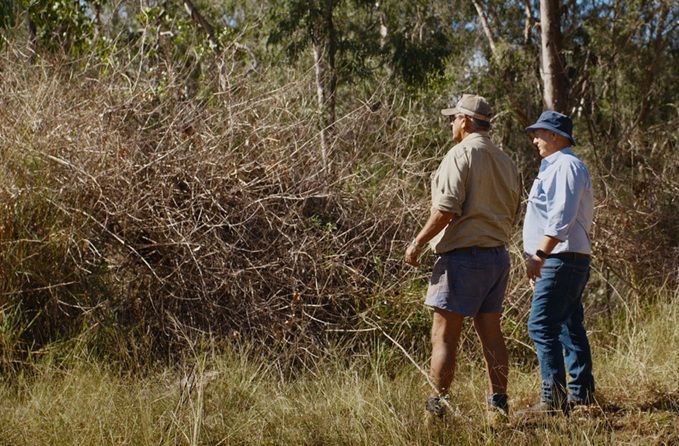
Invasive woody weeds steal your pasture. Method helps you take it back.
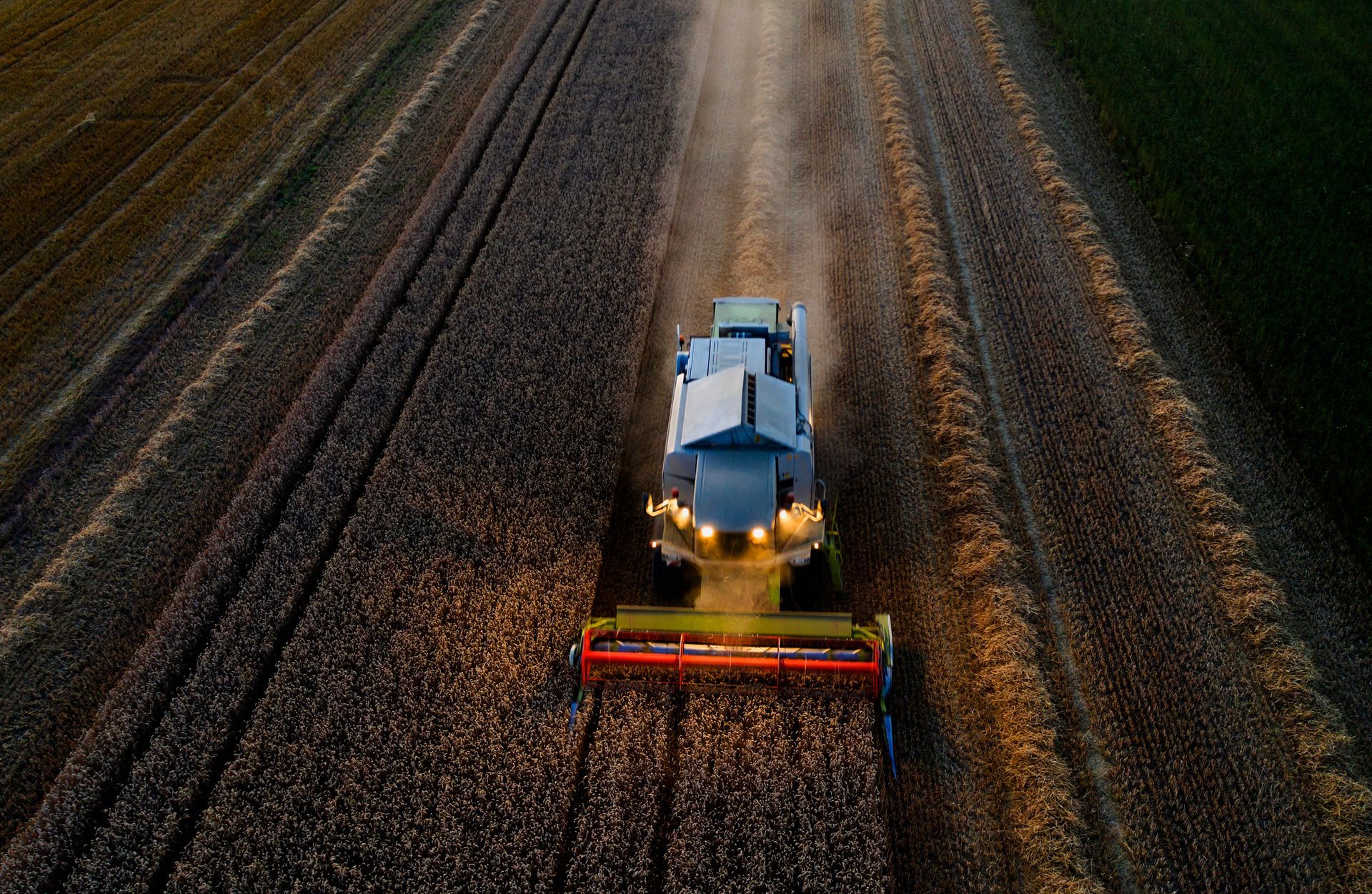
High-precision GNSS has typically been too costly and complex for all but the most critical agricultural operations, but recent RTK GNSS innovations have made centimetre accuracy scalable to all applications in Ag-Tech.
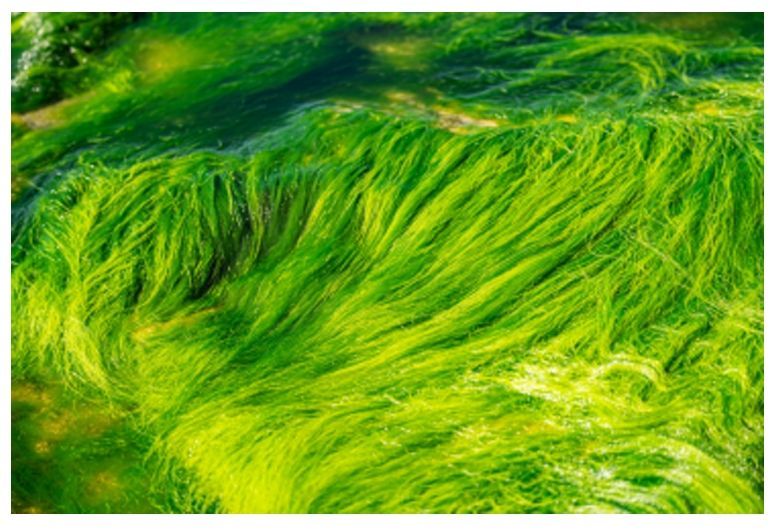
Every Aussie farmer knows that the difference between a “good” crop and a “record-breaking” one often come down to the smallest details. At BioFlora, we’ve spent years perfecting the balance of plant nutrition, and the result is IsoGreen – our powerhouse liquid formula designed to push your yields and crop taste to their absolute peak.

Plant, spray and harvest with confidence using reliable centimetre level positioning. Hexagon SmartNet provides fast, accurate RTK corrections across Australia to reduce overlaps, lower input costs and maximise productivity. With no base station required, simply connect, get a fix and get to work.

Built for the demand of Aussie farmers. Designed for every day performance.
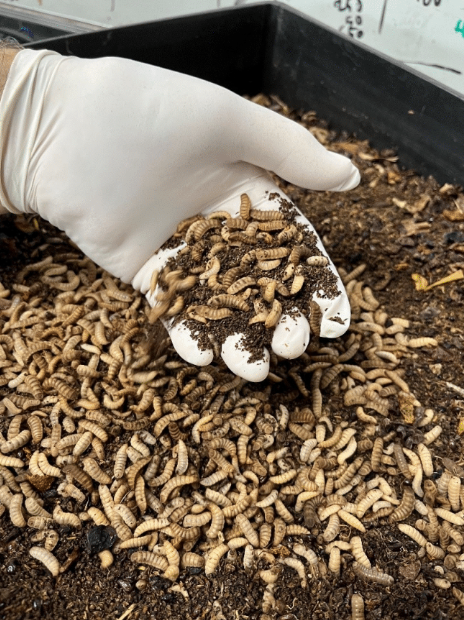
They’re wriggly black grubs more commonly tossed to backyard hens than served at the dinner table, but black soldier fly larvae could soon play a key role in building a more sustainable food system, according to new research from Adelaide University.