
























































1MG FlippingBooks
Farrer taps into growing appeal of ag careers
Staff writers
In recent years, the agricultural industry has evolved to offer a diverse range of employment opportunities, with careers in technology, science, robotics and marketing – to name just a few – attracting a growing number of young people. Reflecting this changing landscape, Farrer Memorial Agricultural High School in Tamworth offers a comprehensive, technological and experiential learning environment in an agricultural setting.
Established in 1939, Farrer has a long and distinguished record of producing leaders in the agricultural industry. It is the only public, all-boys agricultural high school in Australia and draws boarding students from rural and remote areas across NSW.
While education is Farrer’s core business, it also oversees two farming properties that are managed as near as practical to a commercial operation. Extending over 500ha combined, Farrer’s farm operations cover several enterprises including dairy cows, beef and sheep studs, seasonal cropping programs, a wool flock, a piggery, an egg-laying shed and a horticulture centre.
“Our learning always has a practical component – obviously that’s not available at every school,” says Principal Clint Gallagher. “Our school is very lucky in that we have specialist teachers in areas such as sheep meat production and beef production, so our students can experience unique courses.”
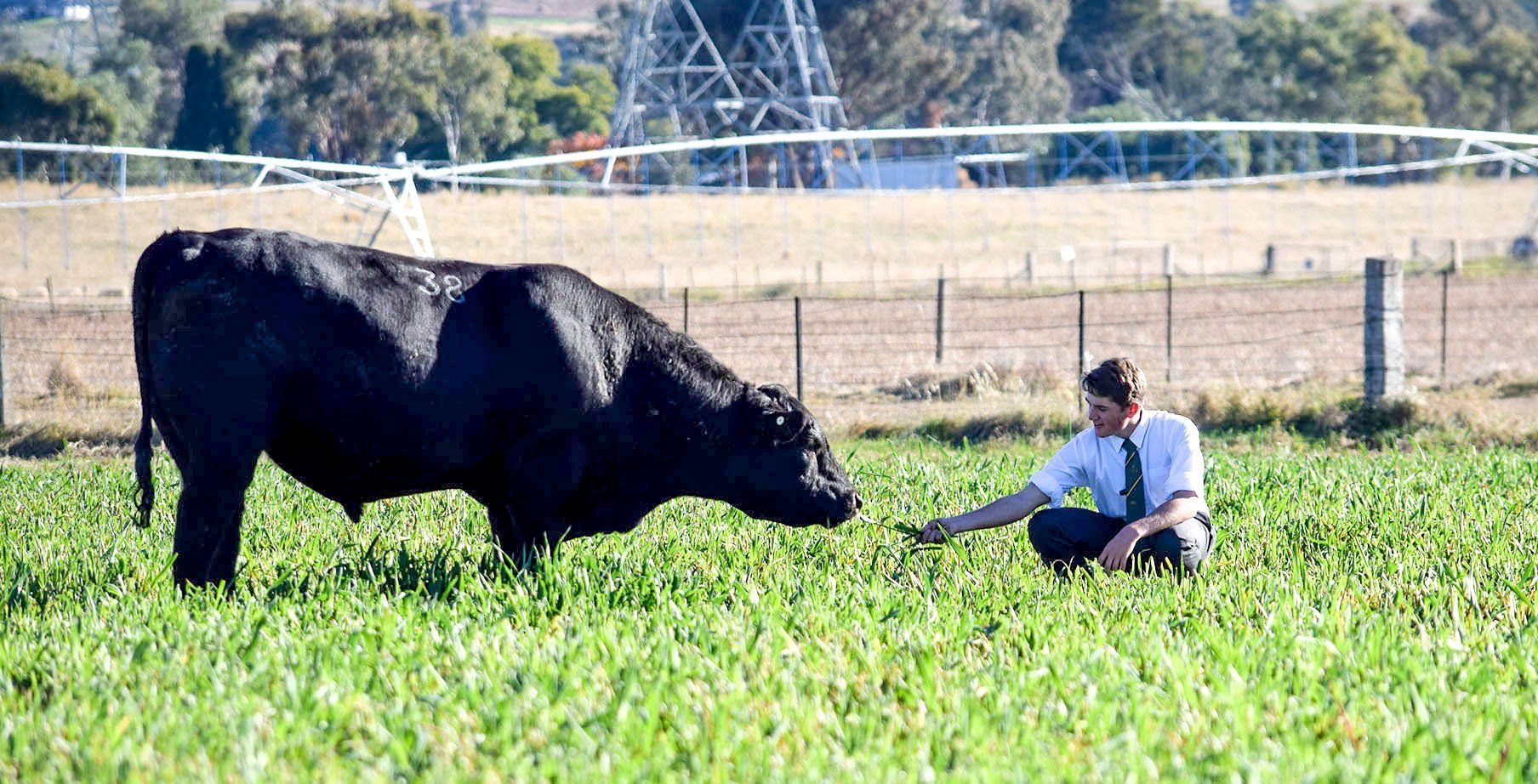
Of particular note is the Primary Industries Beef course, a specialty course for Years 11 and 12 in beef production that is very hands-on in every facet of the industry, from animal husbandry and genetics to marketing and sales. On the school’s Angus cattle stud, students vaccinate, tag, weigh and feed the animals, and then run the bull sale each year. It is experiential learning such as this that uniquely prepares Farrer students for further study and the workforce.
“Our success rate in terms of converting students into industry jobs or university study is pretty much 100 per cent every year,” says Principal Gallagher. “That’s one of our biggest selling points to prospective students.”
Key to this success rate is the involvement of cutting-edge science and technology in the learning experience. Emerging technology is a focus at Farrer, where students learn about new developments such as DNA blood cards, artificial insemination, drones, remote control devices and GPS-controlled irrigation systems. Training students to use this technology is a crucial and expensive endeavour that is made possible by Farrer’s partnerships with research institutions and commercial companies.
Via a partnership with the University of New England’s SMART Farm, Farrer students learn how to use mapping software and soil tests, and can then apply this knowledge to address nutrient deficiencies and change fertiliser application. Companies such as Clipex and Meril supply the school with the latest in agricultural equipment, and students further benefit from work experience and placements with local stock and station agents and auctioneers.
For Farrer, this level of practical engagement and experiential learning is not only key to preparing students for agricultural careers, but also ensuring they see agriculture as a viable, exciting career path.
“Traditionally, the only time agriculture ever received media exposure was when there was a drought,” says Principal Gallagher.
“Now there are more and more stories on breakthroughs in technology and increases in production and prices, which are great because if you want to attract young people into an industry, they need to hear positive news stories.”
NEWS
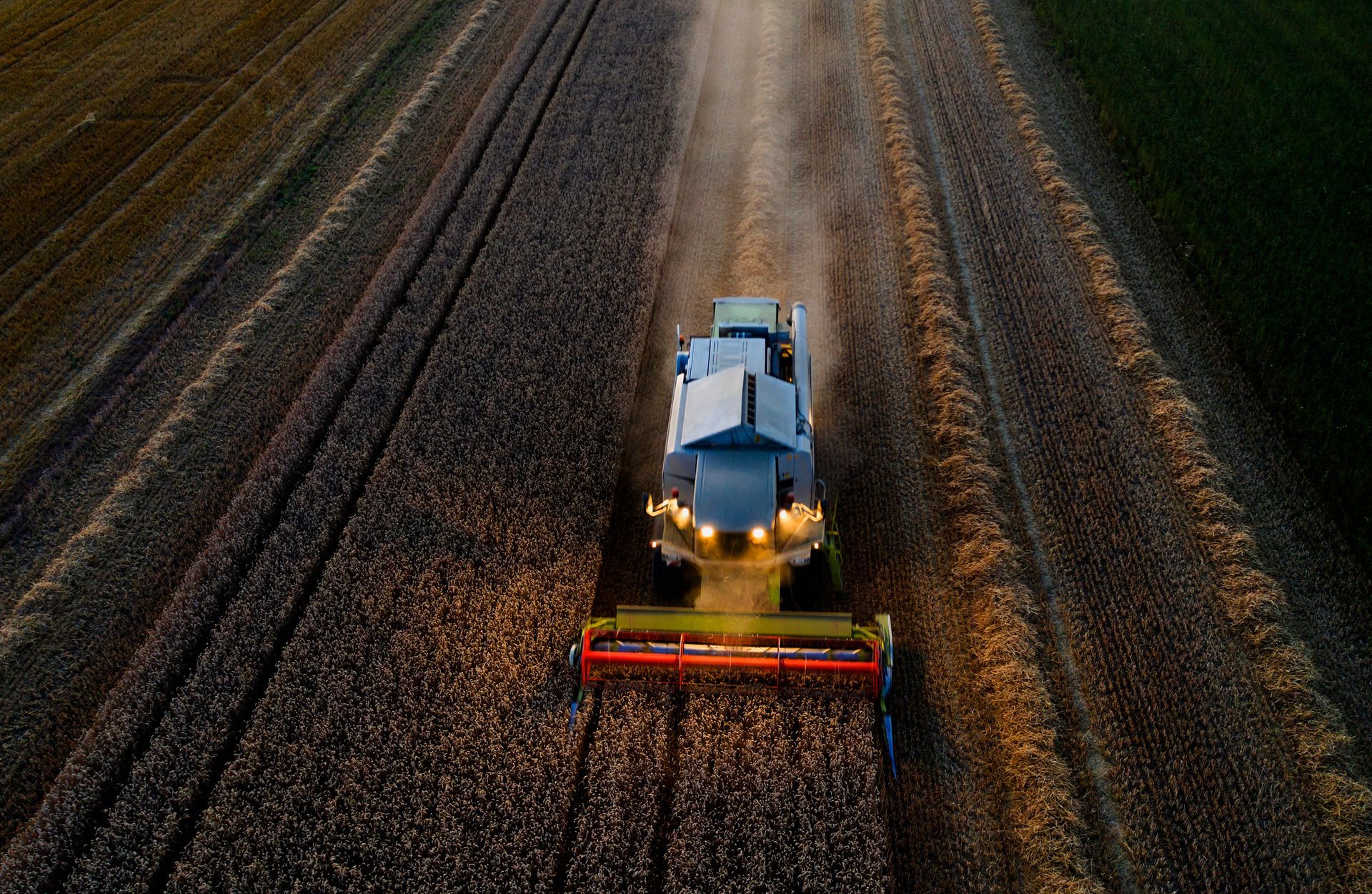
High-precision GNSS has typically been too costly and complex for all but the most critical agricultural operations, but recent RTK GNSS innovations have made centimetre accuracy scalable to all applications in Ag-Tech.

Every Aussie farmer knows that the difference between a “good” crop and a “record-breaking” one often come down to the smallest details. At BioFlora, we’ve spent years perfecting the balance of plant nutrition, and the result is IsoGreen – our powerhouse liquid formula designed to push your yields and crop taste to their absolute peak.

Plant, spray and harvest with confidence using reliable centimetre level positioning. Hexagon SmartNet provides fast, accurate RTK corrections across Australia to reduce overlaps, lower input costs and maximise productivity. With no base station required, simply connect, get a fix and get to work.

Built for the demand of Aussie farmers. Designed for every day performance.
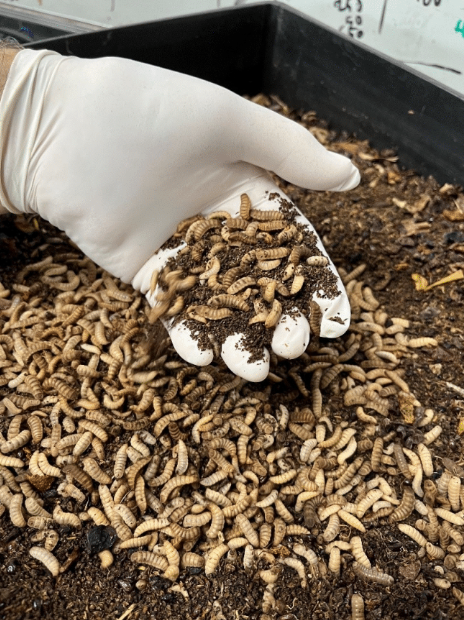
They’re wriggly black grubs more commonly tossed to backyard hens than served at the dinner table, but black soldier fly larvae could soon play a key role in building a more sustainable food system, according to new research from Adelaide University.
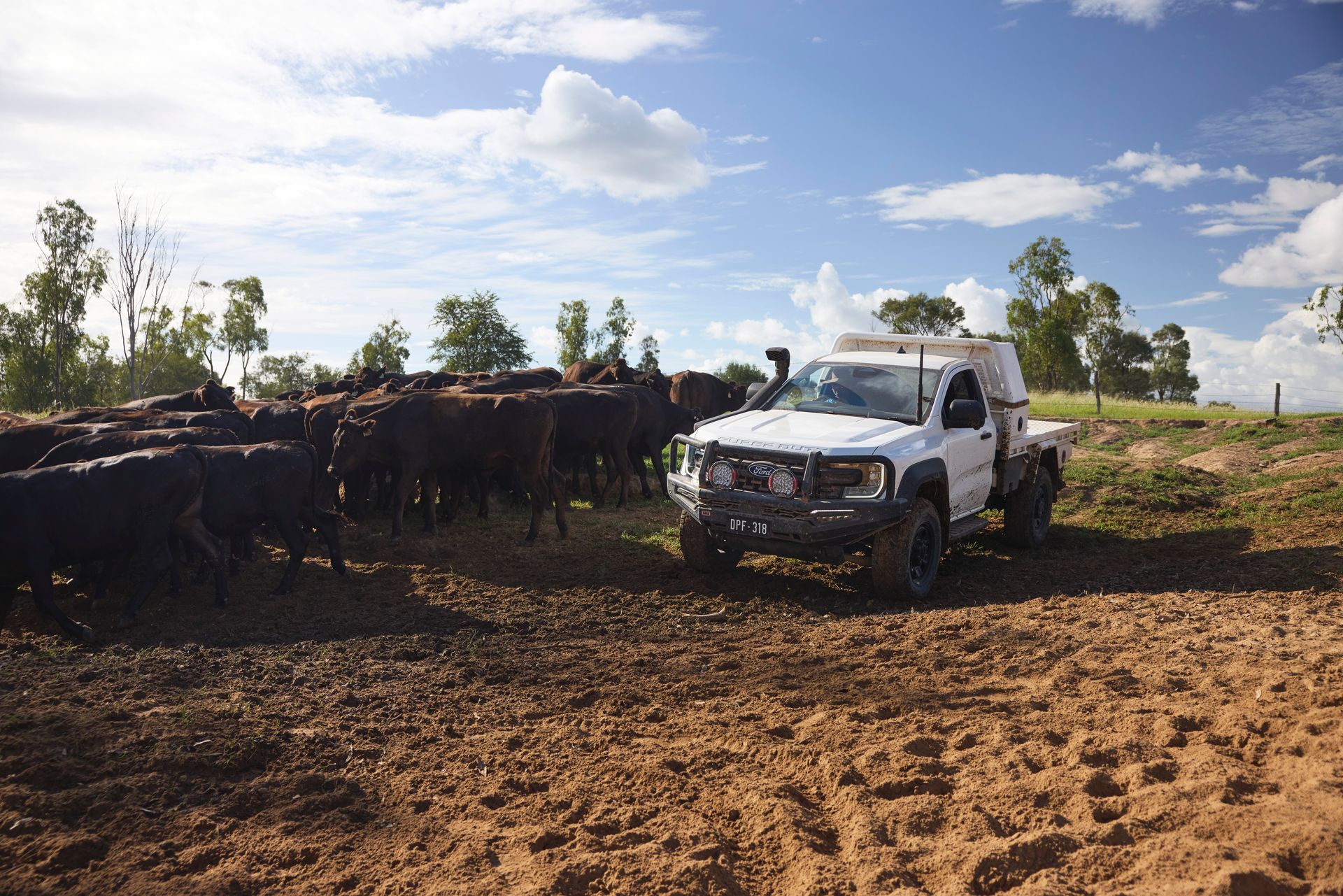
After four years of customer research and 500,000 test kilometres, Ford says the Ranger Super Duty brings farmer-driven customisation into the factory, with more towing, payload, and durability built in.