




















































1MG FlippingBooks
Growing an urban farm from backyard to business
Some weeks, Amy Pascoe spends more time with mushrooms than humans. In this Q&A the Little Acre co-founder talks stereotypes, innovation, and the problem with “Grown in Australia” labels.
How have you grown your urban farm from its humble backyard beginnings?
Seven years ago I couldn’t tell you anything about mushrooms! My partner Mickey and I were living in Brisbane, working office jobs, trying to find the idea that would free us from the 9-5 grind. Of course, you soon learn that running your own business (let alone a farming business) is 24/7… but that came later.
Shipping container farms were a recent novelty in 2016 and we followed a few YouTube farmers growing fast-growing, high value crops in urban plots and backyards. The idea of bringing food production into city spaces was inspiring for us. When we stumbled across mushrooms, they ticked all the boxes. We started doing trials in a makeshift greenhouse we hacked together under our rental Queenslander. By 2018 we had established ourselves in two shipping containers in a private car park and started supplying local cafes and restaurants. Now we operate from an industrial warehouse on Brisbane’s northside.
Have you faced any challenges as a woman in agriculture?
On our recent world research trip I was disheartened to only meet with three women running operations in this industry, out of 26 facilities we visited. It’s not dissimilar in Australia. I’d say I haven’t faced any discrimination, but when a trade turns up to a farm and asks to speak to the owner they’re not expecting me to be that person – they’re looking for a man. I have a lot of optimism for the future though – those stereotypes are being challenged all the time.
What are some of the innovations in your industry?
All farming can be scientific, but mushroom growing is heavily weighted towards science. Every aspect of the growth cycle is highly controlled, monitored, recorded, and repeated. We have cleanrooms for our tissue culture work, where we grow the mushroom mycelium on different mediums before transferring it to the final fruiting substrate.
Mycelium or fungi is a versatile organism. We focus on the culinary aspects of fungi currently but mycelium can be applied to building materials, medicine, waste recycling or upcycling, textiles – there are many innovations emerging through the exploration of the uses of mycelium and fungi.
Where do you see opportunities for mushroom farming in Australia? What are some of the challenges?
The interest in more varieties of mushroom species is exploding. The opportunity is there for local producers to start meeting this rising demand, which for now, seems to be relatively ignored by large-scale mushroom operations. Local growers also have the advantage of being able to supply quality and freshness that imported product can’t compete with due to the fragile nature of the specialty species and their short shelf life.
The biggest challenge is the initial capital investment in starting out, and the lack of consumer knowledge about gourmet mushrooms. Small growers need to educate and promote their product which can take up a lot of time that could be otherwise focused on producing. There is also a lack of supporting industry in Australia. In Europe and the US there are facilities that just make mushroom spawn, or just make fruiting substrate, then you have the farmers who just fruit and sell the mushrooms. Here, you have to do it all.
What should the Government be doing to ensure Australian ag reaches its 2035+ potential?
The Government need to change the labelling laws around the “Grown in Australia” claim for mushrooms. Mushrooms grown off imported logs and only fruited in Australia are allowed to be packaged as “Australian Grown” even though all the substrate, the water, and all the inputs those mushrooms are growing from have been produced overseas. This puts local growers under price pressure as they can’t produce a fruiting block as cheaply as overseas.
Japan, the heartland of mushroom cultivation, has only just managed to lobby for this change in 2022 to protect their local mushroom industry so it will be a huge effort for Australian small growers to achieve this. The Government needs to better understand the growing process so the labelling laws can better reflect country of origin. Mushrooms are bio-accumulators so it’s vital to know what the inputs are. If there is any heavy metal contamination in your substrate, this will be present in the mushroom fruiting bodies. If you don’t have complete transparency with the overseas inputs and practices, this is a risk consumers may not be aware of.
How hard is it to attract investors and scale up?
As our farm has grown, we’ve had to set up each and every part of the growing process in order to support it. We produce our own mushroom cultures and spawn, we make our own fruiting substrates, and we grow and sell the mushrooms. We also supply other small farms with mushroom spawn and growing supplies, and teach workshops to the public. It’s a lot to manage! We’ve made the decision to focus on scaling up the spawn and substrate areas of our business in order to provide more support to the fledgling specialty mushroom industry here. There’s a massive gap which we aim to fill. We’d be interested to speak to anyone who would want to help us grow a local industry.
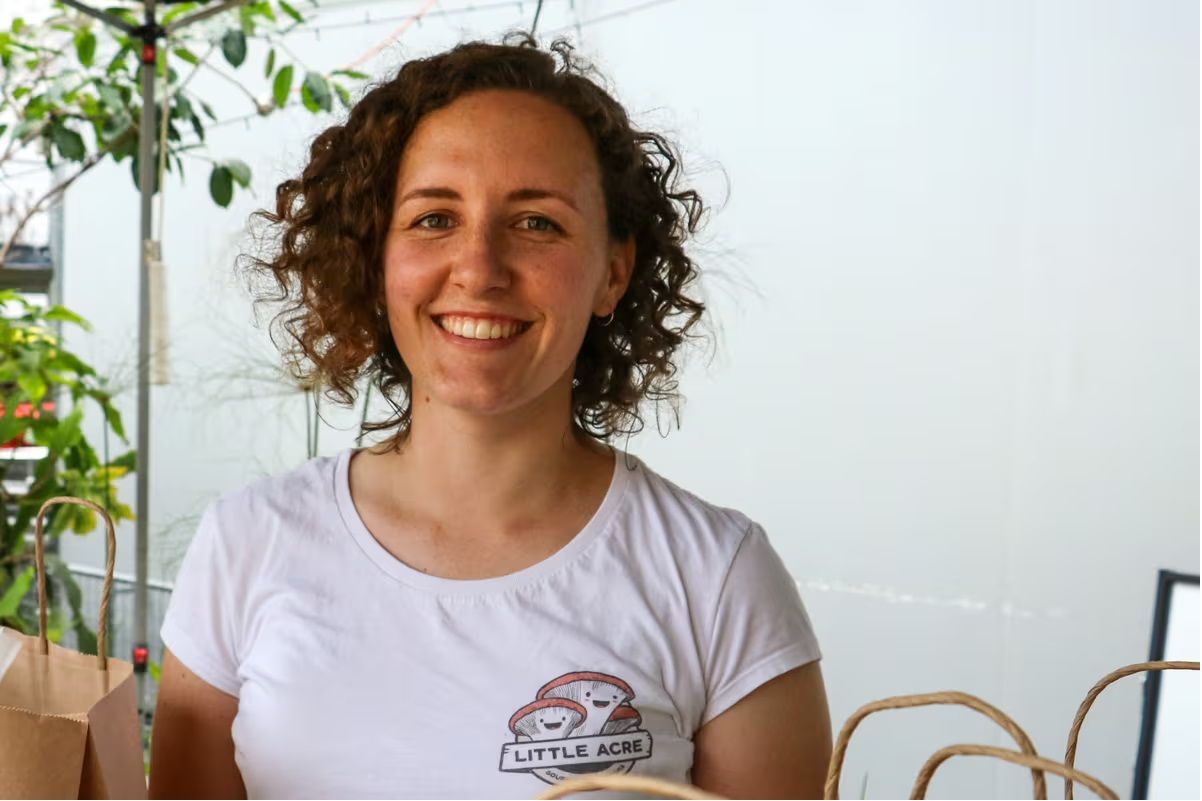
Amy Pascoe is the co-founder of Little Acre Mushrooms.
NEWS
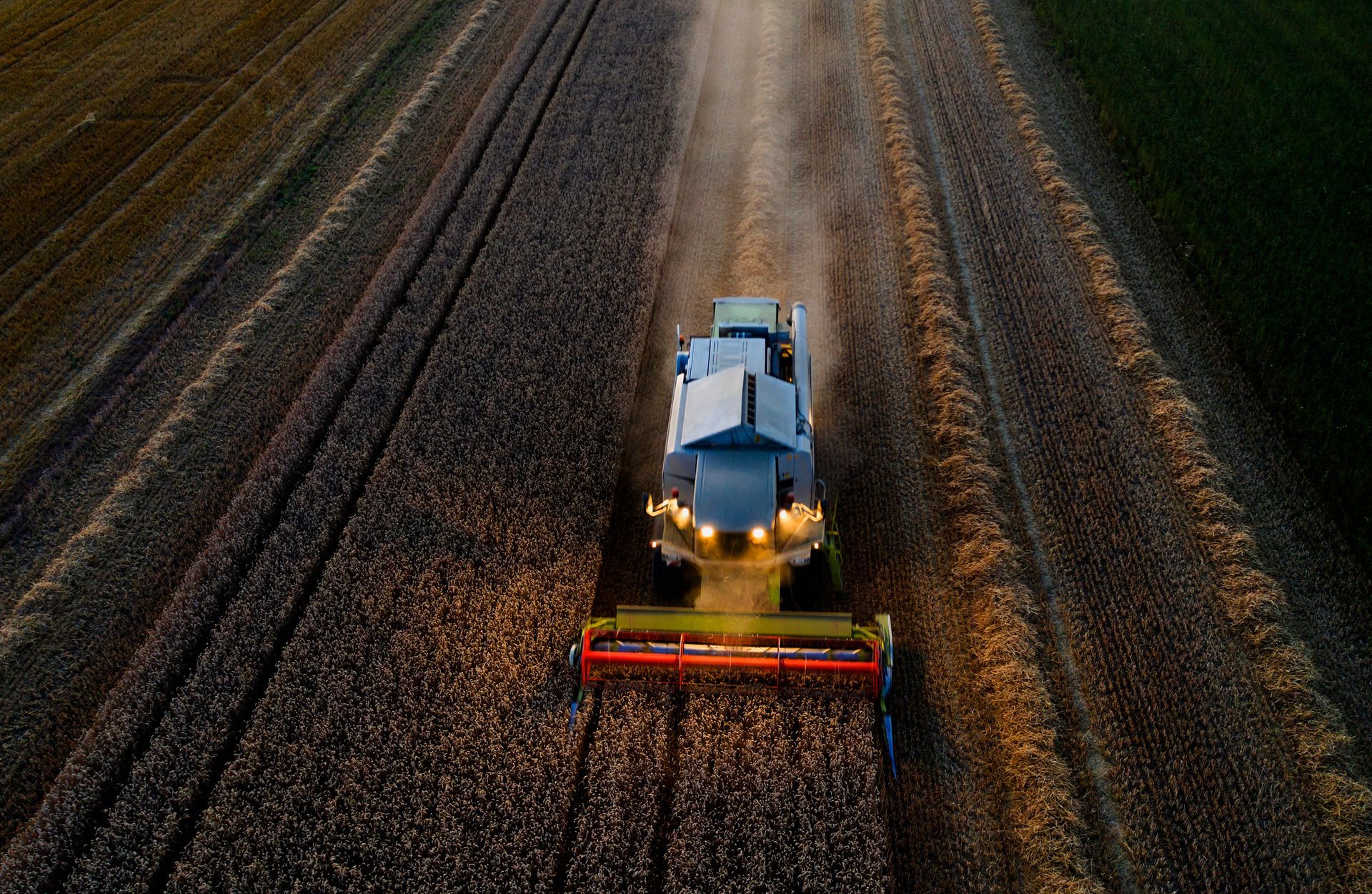
High-precision GNSS has typically been too costly and complex for all but the most critical agricultural operations, but recent RTK GNSS innovations have made centimetre accuracy scalable to all applications in Ag-Tech.
Every Aussie farmer knows that the difference between a “good” crop and a “record-breaking” one often come down to the smallest details. At BioFlora, we’ve spent years perfecting the balance of plant nutrition, and the result is IsoGreen – our powerhouse liquid formula designed to push your yields and crop taste to their absolute peak.
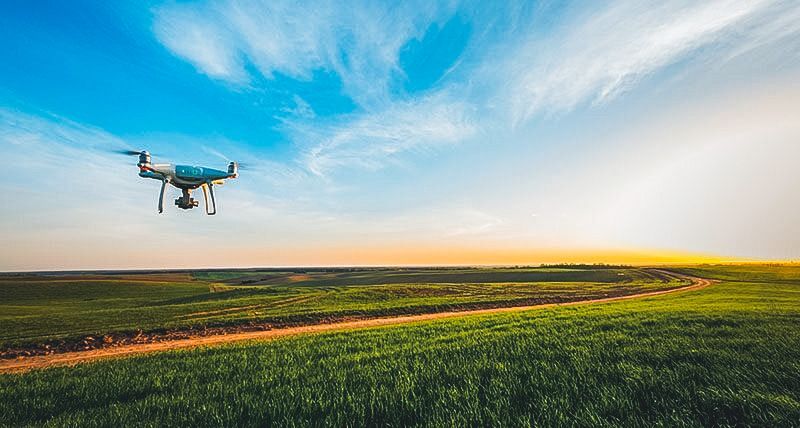
Plant, spray and harvest with confidence using reliable centimetre level positioning. Hexagon SmartNet provides fast, accurate RTK corrections across Australia to reduce overlaps, lower input costs and maximise productivity. With no base station required, simply connect, get a fix and get to work.

Built for the demand of Aussie farmers. Designed for every day performance.
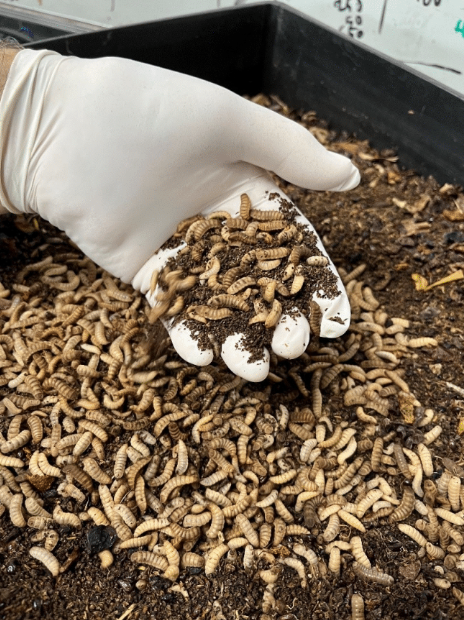
They’re wriggly black grubs more commonly tossed to backyard hens than served at the dinner table, but black soldier fly larvae could soon play a key role in building a more sustainable food system, according to new research from Adelaide University.
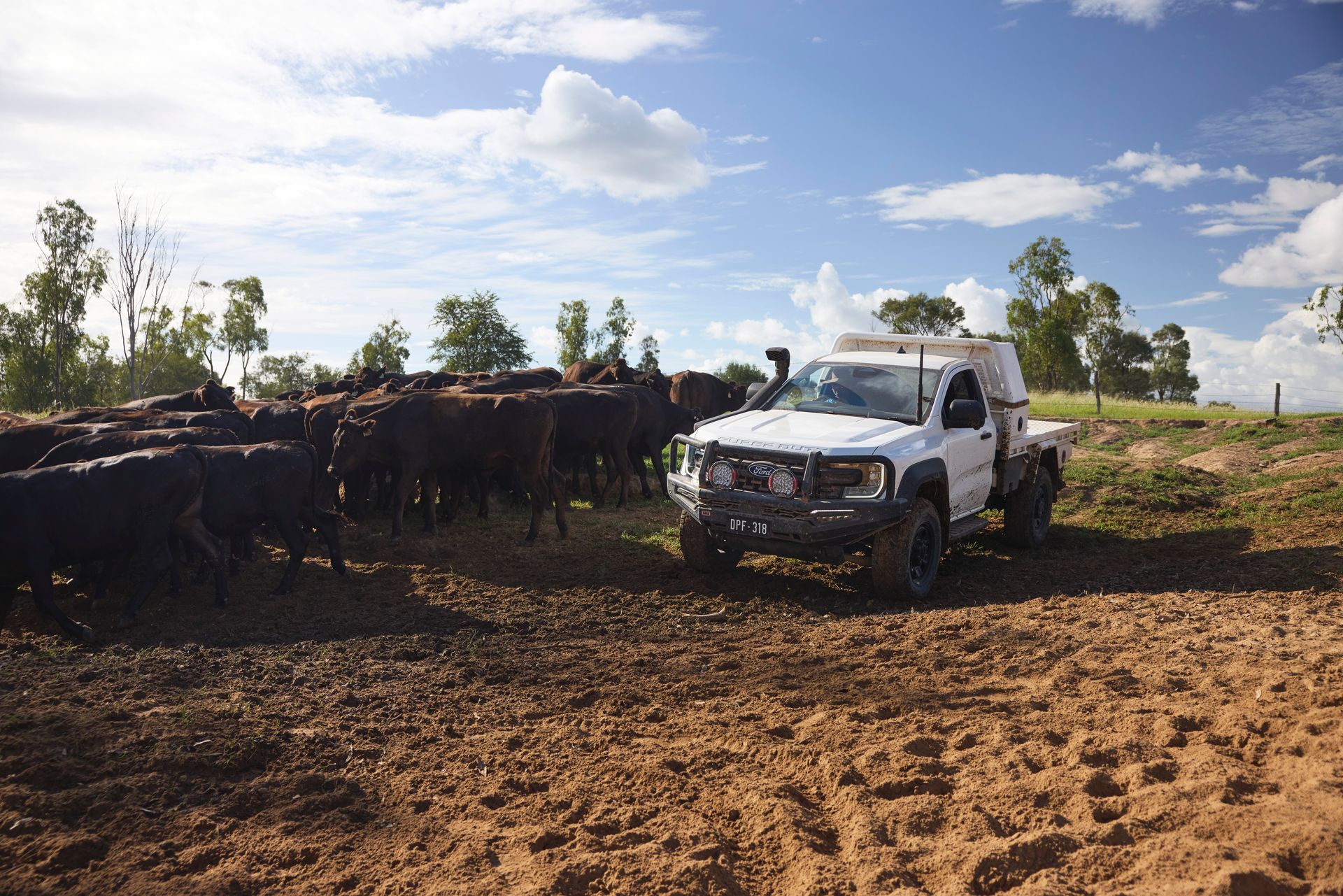
After four years of customer research and 500,000 test kilometres, Ford says the Ranger Super Duty brings farmer-driven customisation into the factory, with more towing, payload, and durability built in.