Dr Chris Parker is a beef producer, respected veterinarian and the current Chief Executive Officer of Cattle Australia. At the helm of Cattle Australia since November 2023, Dr Parker’s focus is on working in collaboration with the organisation’s Board and members to be a powerful voice representing grass-fed cattle producers throughout the country.
Regulations need to catch up to science on beef emissions
Dr Chris Parker
The Australian beef industry plays a unique and important role in the global push to mitigate greenhouse gas emissions, however current emissions calculations are stymying its potential to be part of the climate change solution.
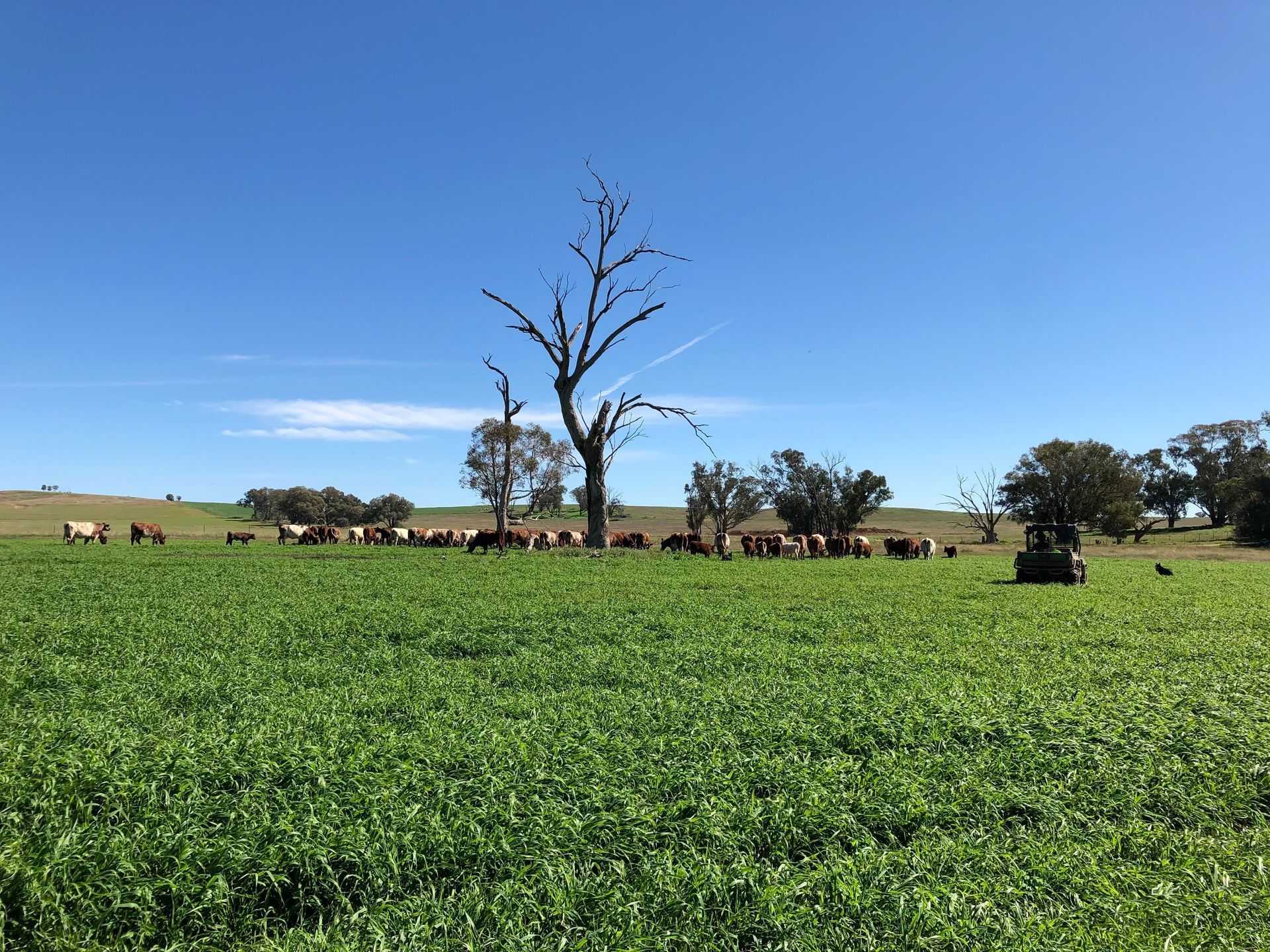
There aren’t many industries in the world quite like the Australian beef sector.
We play an important role in food and nutritional security, contribute to the resilience of our communities and nation, and as custodians of more than 50 per cent of the country’s land mass, are proud to play a part in ensuring the sustainability and prosperity of our environment for generations to come.
It’s this last point that is particularly important when we consider Australian agriculture’s significant efforts to be part of the solution to climate change.
Unlike the burning of fossil fuels, the beef industry is not an exhaust pipe into the atmosphere.
More importantly, we are unique, in that methane is the largest attributable greenhouse gas to our sector, rather than carbon dioxide.
Here exists an opportunity. However, to fully realise our potential in this space, we must address a huge limiting factor - greenhouse gas emissions calculations do not reflect the science on beef cattle emissions.
Notwithstanding their warming effect, it is imperative we recognise methane emissions are part of a 12-year, short-lived biogenic cycle.
This means they have a different impact on global warming than emissions from fossil fuels which are additional to the atmosphere and persist for thousands of years, if not millennia.
A 2023 report from the CSIRO, Pathways to climate neutrality for the Australian red meat industry, recognised different targets are needed for different types of emissions in order to measure the industry’s progress towards achieving a state of climate neutrality.
As the peak industry body representing grass-fed beef producers, we have modernised our climate policy and fundamentally support a target to be climate neutral - the point at which emissions from the beef industry will have no additional impact on global temperature rise.
Committed to mitigating emissions
The Australian beef supply chain has shown its significant commitment to mitigating its emissions, with large sections of the industry already sequestering more CO2 than they produce, and we will not deviate from this endeavour.
The scale of Australian grazing land means beef producers also have the ability to sequester carbon in vegetation and soil like no other sector.
Moreover, we must recognise Australian cattle often graze non-arable and native landscapes, where they do an incredible job of transforming cellulose, which is indigestible to humans, into high-quality, nutritious animal protein (beef).
Policy missteps and the way forward
In light of this, it is imperative we focus on the application of the current accounting methodologies, which risk policy missteps and unfair burdens on a critical sector of the economy.
The industry is currently being stymied by a national accounting method that does not reflect the complexity and opportunity of grass-fed enteric methane.
This is due to a fundamental lack of understanding regarding the net position of grass-fed enteric methane emissions, and the fact we are only partially measuring the emissions versus sequestration equation (CO2 capture through biomass).
Particular attention needs to be given to the specific nuances the beef industry has when it comes to GHG emissions, and there needs to be more work done to understand the biogenic nature of methane emissions from grass-fed cattle and the manner in which this contributes both to net GHG emissions and to atmospheric warming.
The consequences of not taking action will potentially involve costly interventions and greater difficulty accessing financial services, which would have direct implications for production costs and asset values.
It is crucial Government and industry research efforts are “in sync”, and producers have access to accurate data on the net effect of both their CO2 and their methane emissions – something which is currently missing.
There is a real opportunity here to further display the benefit of Australian red meat production to the environment, while considering the importance of food security, nutritional security, and the societal role of meat.
Future goals need to continue to stimulate investment to ensure an ongoing positive impact on the climate, in conjunction with the continued productivity and profitability of our sector.

NEWS
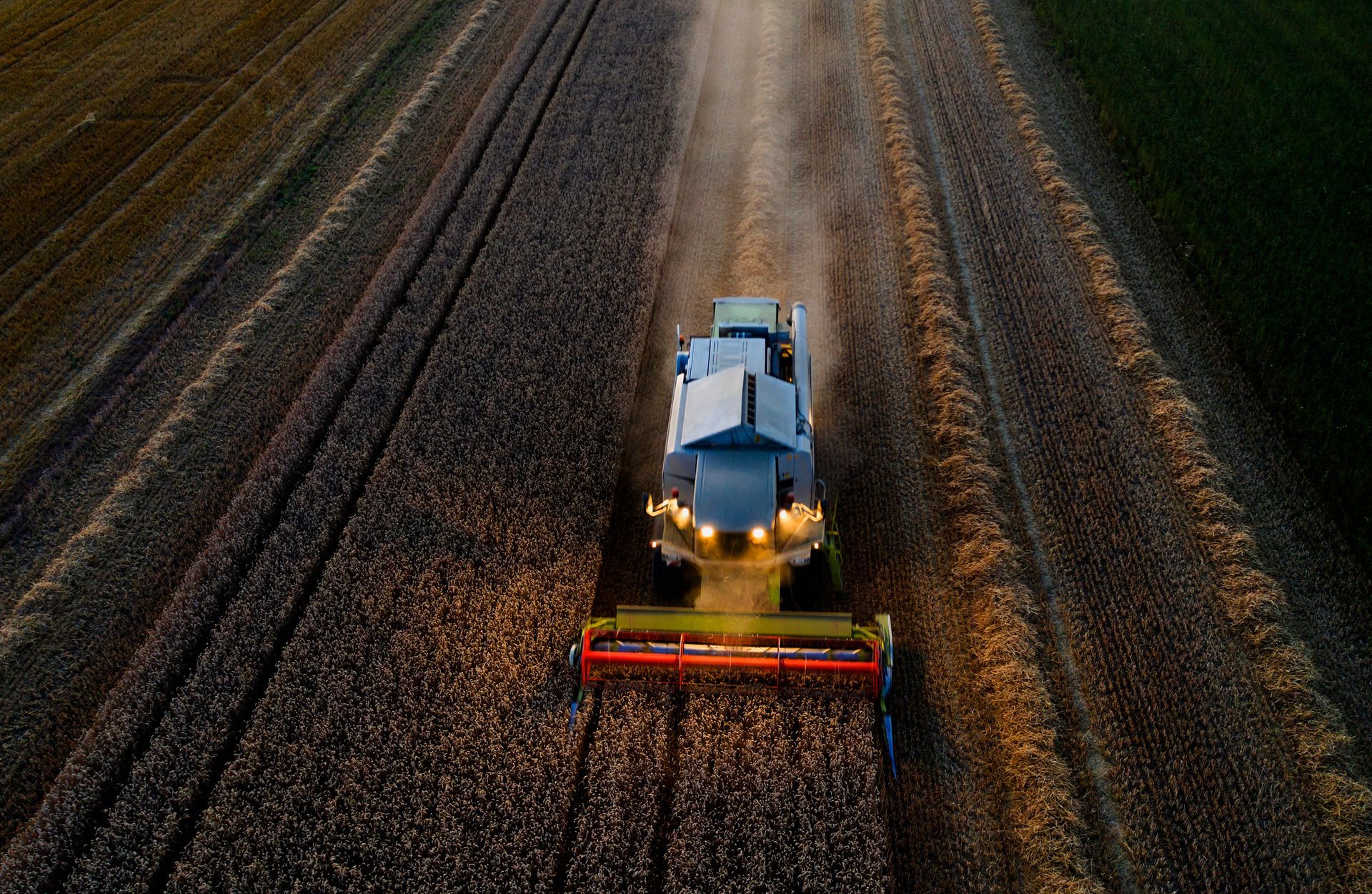
High-precision GNSS has typically been too costly and complex for all but the most critical agricultural operations, but recent RTK GNSS innovations have made centimetre accuracy scalable to all applications in Ag-Tech.
Every Aussie farmer knows that the difference between a “good” crop and a “record-breaking” one often come down to the smallest details. At BioFlora, we’ve spent years perfecting the balance of plant nutrition, and the result is IsoGreen – our powerhouse liquid formula designed to push your yields and crop taste to their absolute peak.
Plant, spray and harvest with confidence using reliable centimetre level positioning. Hexagon SmartNet provides fast, accurate RTK corrections across Australia to reduce overlaps, lower input costs and maximise productivity. With no base station required, simply connect, get a fix and get to work.
Built for the demand of Aussie farmers. Designed for every day performance.
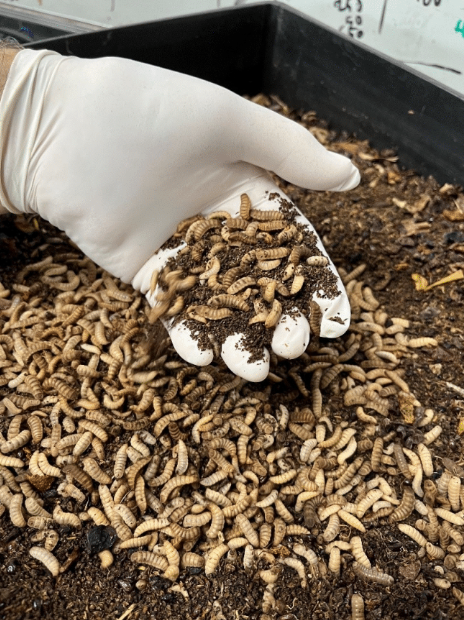
They’re wriggly black grubs more commonly tossed to backyard hens than served at the dinner table, but black soldier fly larvae could soon play a key role in building a more sustainable food system, according to new research from Adelaide University.
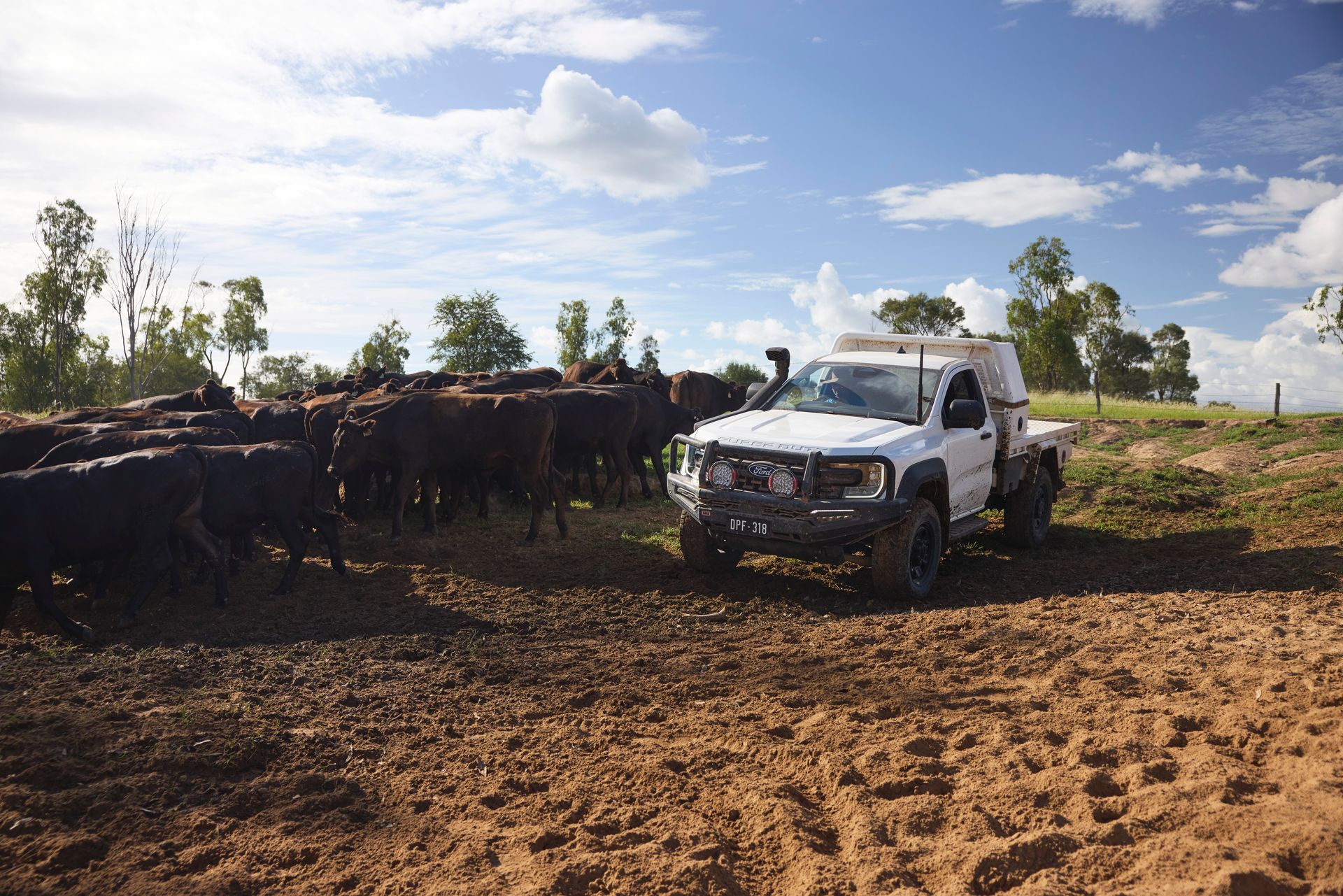
After four years of customer research and 500,000 test kilometres, Ford says the Ranger Super Duty brings farmer-driven customisation into the factory, with more towing, payload, and durability built in.