Sergio (Yani) Garcia is Professor of Dairy Science at the University of Sydney and Director of the Dairy Research Foundation. He leads the Dairy UP (unlocking potential) Program, a large collaborative initiative involving government, industry, university and private sectors.
The hidden losses of pasture utilisation
Professor Sergio (Yani) Garcia
Pastures underpin the competitive advantage of Australian key livestock production systems like beef, sheep and dairy. Are farmers getting the most from them?
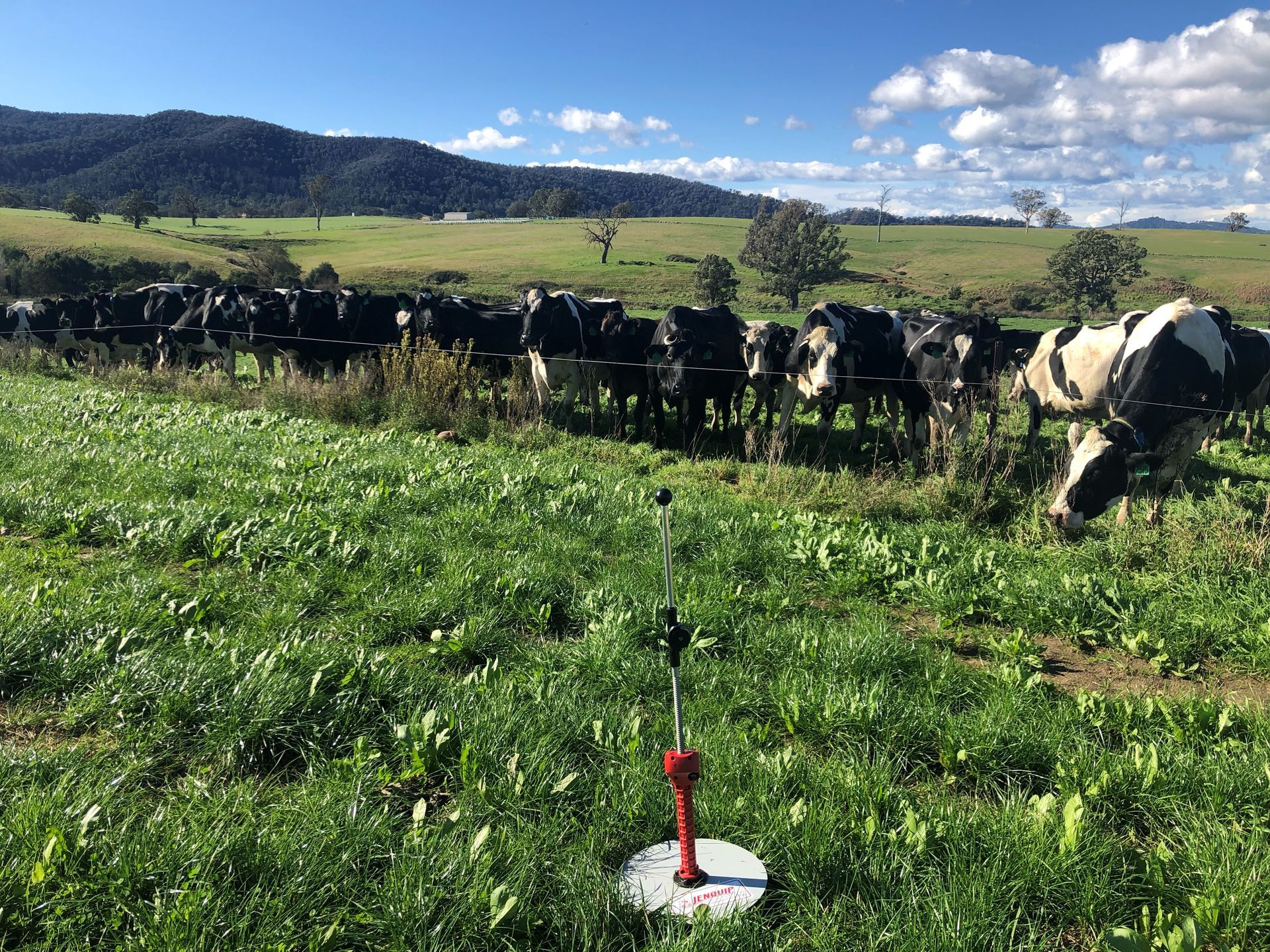
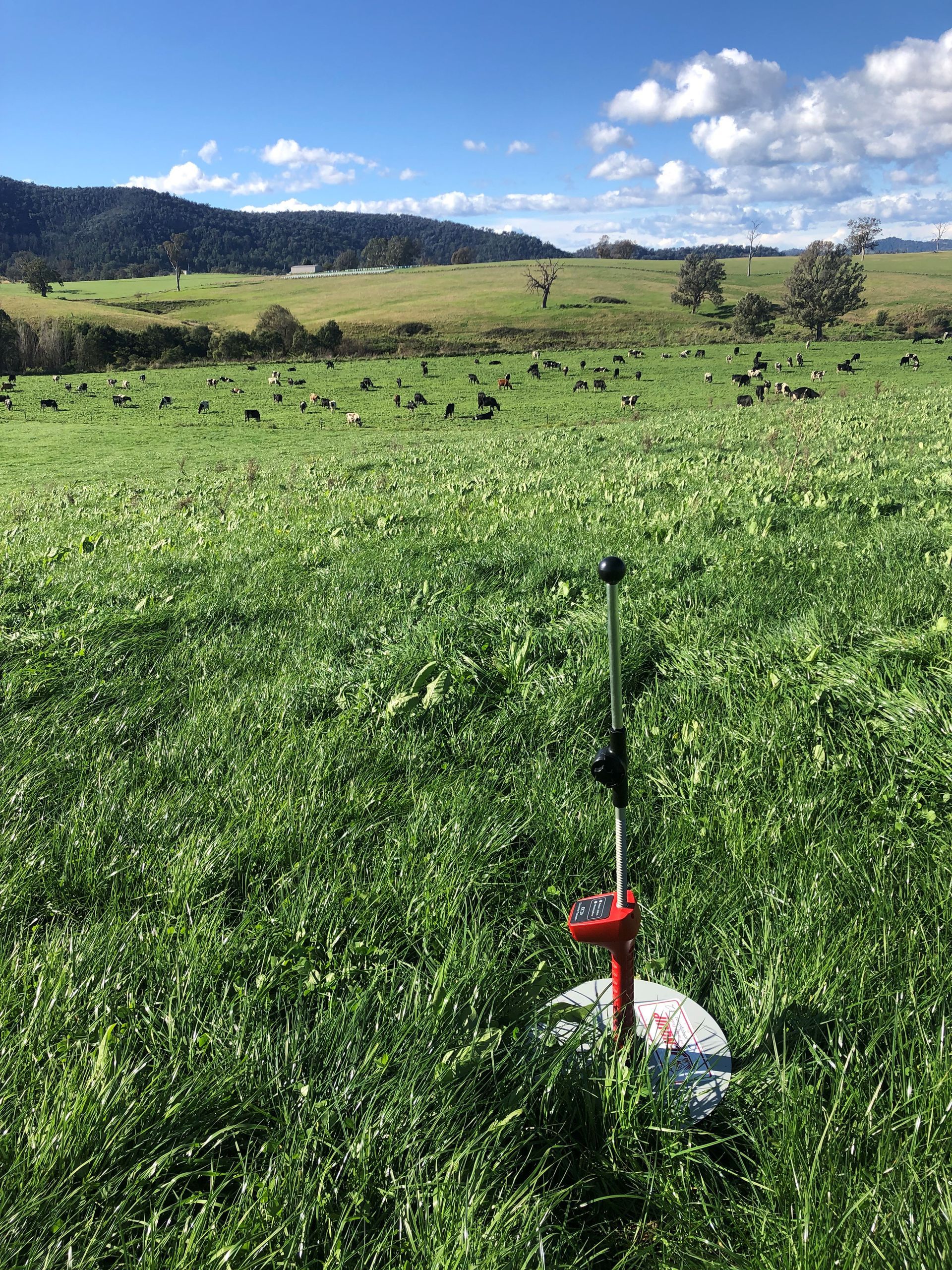
I have always been intrigued about the gap between potential and actual pasture productivity of Australian livestock systems. I will use dairy as example, but the principles behind pasture utilisation are the same for beef, sheep, or other livestock production systems. In pasture-based dairying, the average amount of pasture converted into milk (i.e., pasture utilisation) is only about 6 to 7 tonnes of dry matter per hectare and per year. Yet, the potential shown by our previous research (www.futuredairy.com.au) was consistently greater than 12 (dryland) and over 20 (irrigation) tonnes of dry matter per hectare and per year with adequate pasture monitoring and management. Why? Where is the gap?
The answer is not difficult to understand; it is just difficult to find on farm! The gap is what we call the ‘hidden losses’ of pasture utilisation: neither the pasture that wasn’t grown due to nutrients or water limitations, nor the pasture what was lost (or not grown) due to inadequate grazing management, is readily detectable in practice.
Logically, key nutrients (particularly nitrogen) and water are the most important drivers of pasture growth. In fact, water alone explains most of the above-mentioned difference between yield of dryland and irrigated dairy pastures. Managing these key inputs (water obviously more limited for extensive systems), puts the farmer in the driver seat for increasing pasture growth and utilisation -and from this, profitability.
But growing more is not the whole story. For a given level of inputs and potential growth, a large part of that potential can be lost, either by not growing it in the first place; or by growing it and not utilising it properly. Or worse, both!
An example of missing growth potential is in overgrazing or ‘grazing too hard’. On perennial ryegrass pastures we have measured a reduction of 25 per cent in the rate of pasture regrowth when the residual pasture cover (biomass above the ground) was less than 1,500-1,300 kilograms of dry matter per hectare (measured to the ground level). Many farmers like to graze a lot harder (i.e. leave lower residual) than that! The result of this is simply a much slower regrowth: the lower the residual the slower the regrowth. From the eyes of the farmer, the paddock just took longer to be ready for the next grazing. A hidden loss, and a big one. Do this 2 to 3 times per year and there go, easily, 2-3 tonnes of dry matter per hectare of pasture that could have been grown, but were not.
An example of poor utilisation is in waiting too long to start grazing (i.e. accumulating excessive pasture cover or biomass before grazing), which is the most direct path to also get and excessive residual post-grazing! Monitoring residual is important, but most of the time the answer of a poor residual is in the previous management: the greater the pre-grazing biomass, the harder it is to graze it down to an adequate level, without ‘forcing’ the cows to graze down and reducing their milk yield. This is quickly noticeable in a dairy farm given the ‘thermometer’ of the daily milk yield in the vat! The advantage dairy farmers have over other livestock production systems!
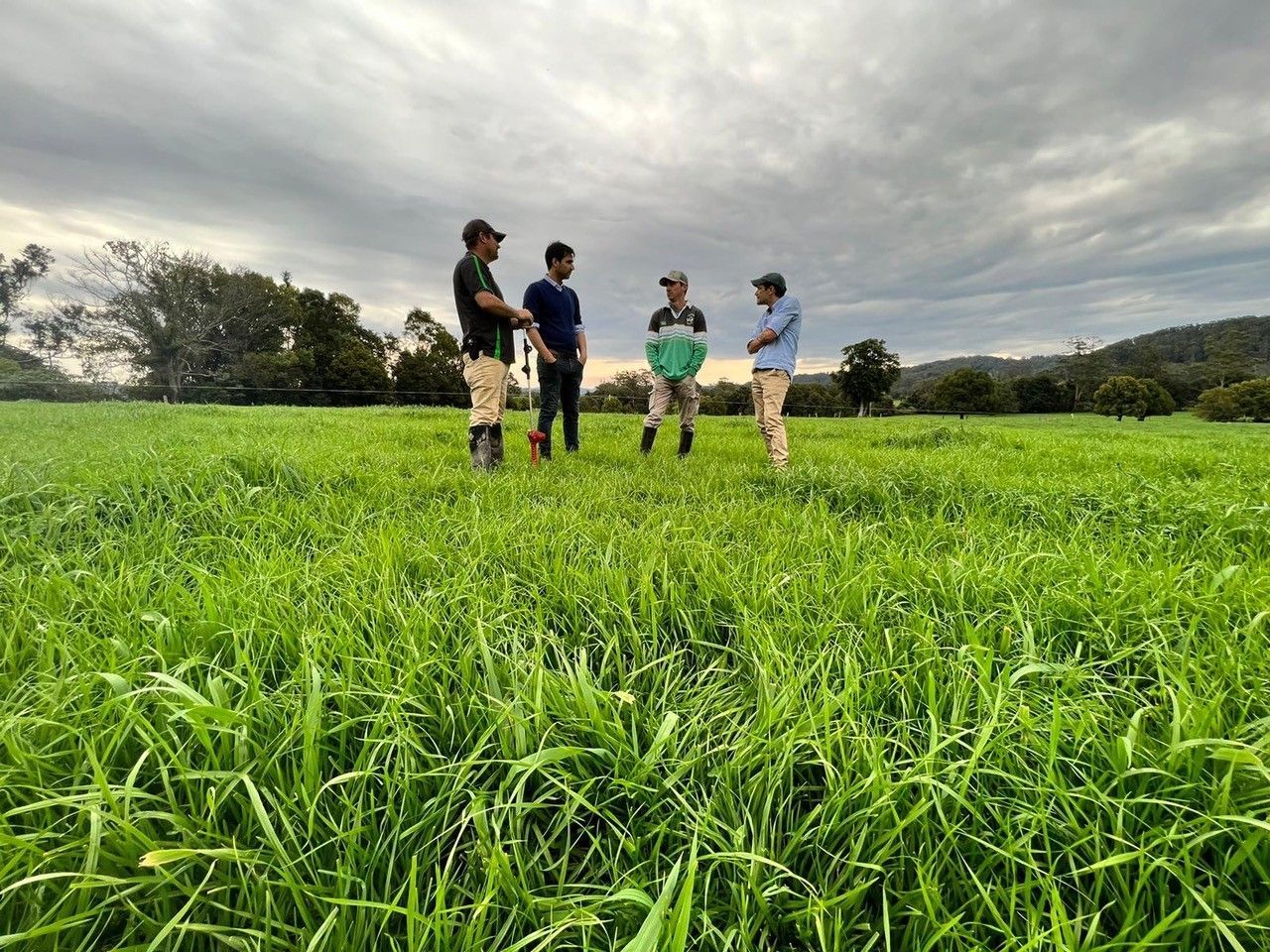
So how can farmers minimise these hidden losses? Well, like anything hidden, trying to unhide them would be a good place to start! Clearly if the losses were measurable and quantifiable, it would be a lot easier to do something about them. This is what we are doing with P1a project of Dairy UP, a large collaborative program for the NSW dairy industry led by the University of Sydney’s Dairy Research Foundation and co-delivered together with the NSW Department of Primary Industries and Regional Development, Dairy Australia, and Scibus. The project is exploring new management options using advanced remote sensing technologies and monitoring systems to ‘unlock’ the potential of Kikuyu-based pastures, dominant in NSW and Queensland pasture-based dairy systems. By measuring pasture remotely and working alongside 15 dairy farmers, at Dairy UP we’ve been able to monitor grazing management closely and estimate hidden losses of pasture utilisation.
A simple example may help. With optimum management (pre-grazing cover of approximately 2,700 kilograms dry matter per hectare and post-grazing residual of approximately 1,700 kilograms of dry matter per hectare, both measured to ground level), grazing dairy cows should harvest about 1 tonne of dry matter per hectare grazed. However, at one of the monitored farms, the data show that cows harvested, on average, only 660 kilograms of dry matter per hectare each day. The 340-kilogram difference is a ‘hidden loss’. Taken to the whole year, where each hectare of the farm is grazed at least 12 times, this is well over 4 tonnes of dry matter per hectare of high quality pasture potentially lost.
And what does that mean for the bottom line? Factors affecting profitability are many, but we know from the analysis of many years of physical and economic data that 1 tonne of utilised pasture dry matter represents easily about $250 of earnings before interest and tax (EBIT) or ‘operating profit’. A quick ‘back of envelope’ calculation can verify this: 1 kilogram of pasture dry matter can produce approximately 1 litre of milk, on average. At current milk price in NSW that is $0.9-$1.0 of income. With an EBIT (as per cent of income) of 20-25 per cent (actual range 5 to over 35 per cent), that represents $200 to $250 of operating margin per tonne of pasture dry matter; very similar to the above figure from data analysis. So for the average Australian pasture-based dairy farm, with about 150 hectares of milking platform, 4 tonnes of dry matter per hectare of pasture not utilised could represent missing out on more than $150,000 of operating profit per year!
As the saying goes, we can’t manage what we can’t measure. Monitoring is key, and the recent advances in technology and satellite imagery allow farmers and consultants to do it remotely and proactively. Without monitoring, it is just too easy to get caught in the ‘out of sight-out of mind’ situation; and as a top farmer once said to me “…we look after the pellets because we get an invoice with every load, but it’s easy to overlook pasture management, because we don’t get charged for not grazing paddocks properly”.
NEWS
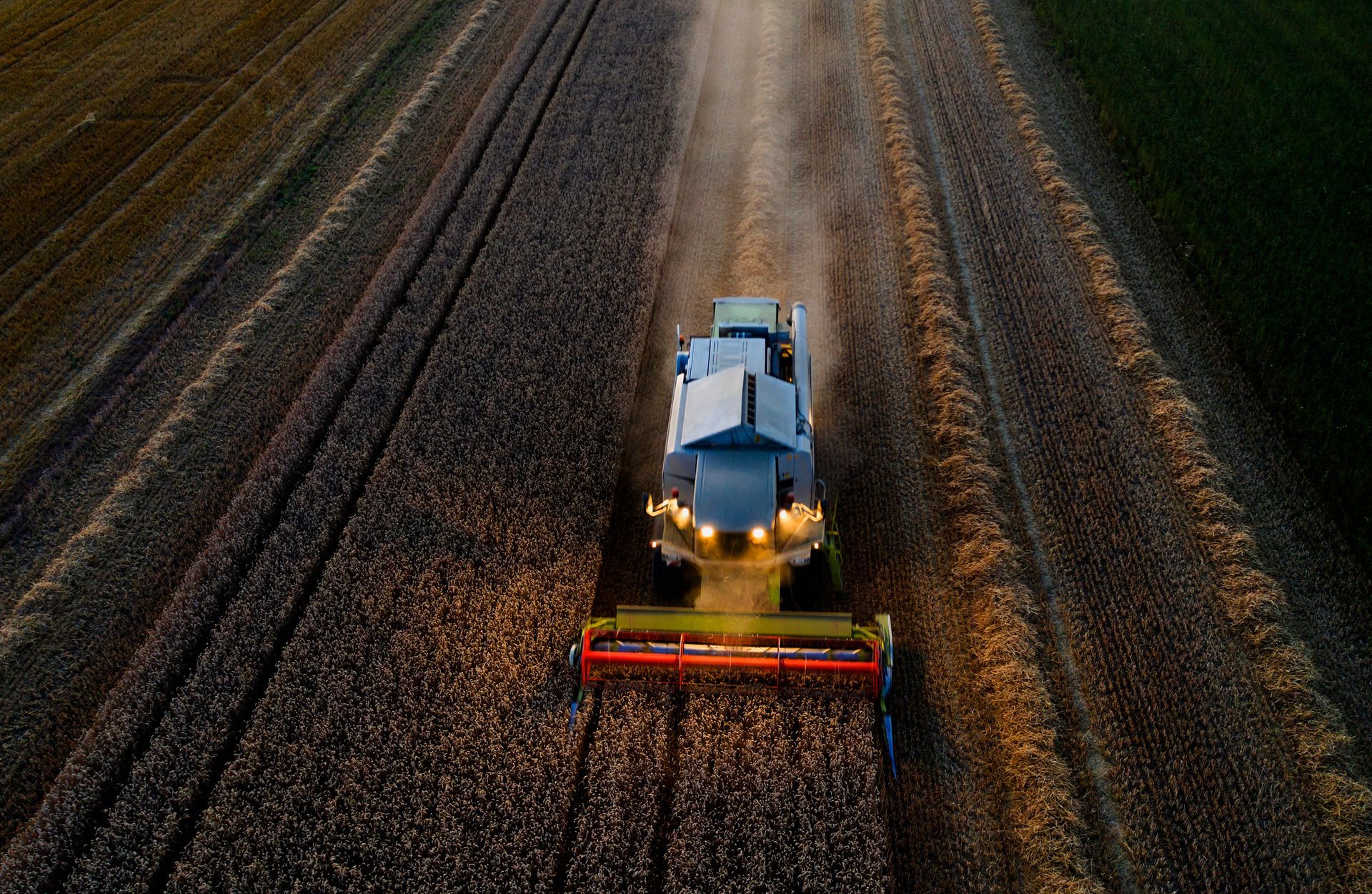
High-precision GNSS has typically been too costly and complex for all but the most critical agricultural operations, but recent RTK GNSS innovations have made centimetre accuracy scalable to all applications in Ag-Tech.
Every Aussie farmer knows that the difference between a “good” crop and a “record-breaking” one often come down to the smallest details. At BioFlora, we’ve spent years perfecting the balance of plant nutrition, and the result is IsoGreen – our powerhouse liquid formula designed to push your yields and crop taste to their absolute peak.
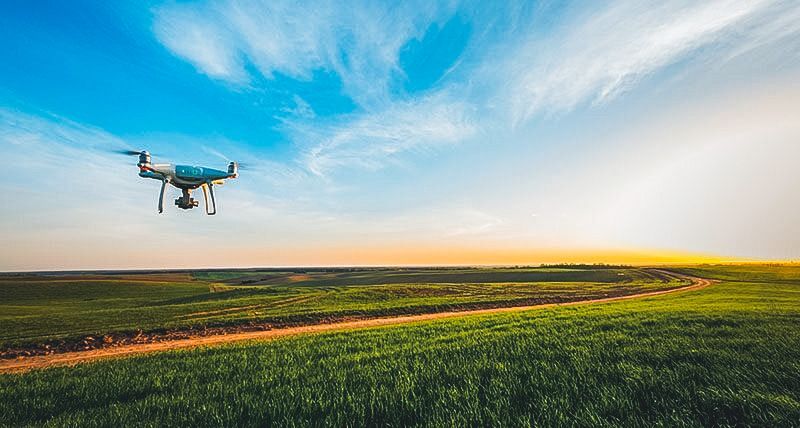
Plant, spray and harvest with confidence using reliable centimetre level positioning. Hexagon SmartNet provides fast, accurate RTK corrections across Australia to reduce overlaps, lower input costs and maximise productivity. With no base station required, simply connect, get a fix and get to work.

Built for the demand of Aussie farmers. Designed for every day performance.
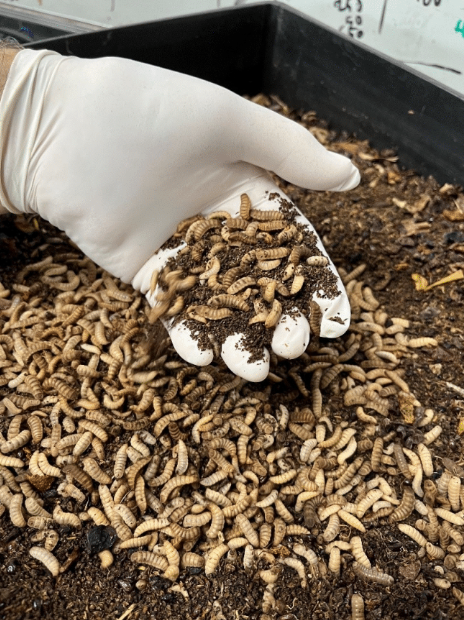
They’re wriggly black grubs more commonly tossed to backyard hens than served at the dinner table, but black soldier fly larvae could soon play a key role in building a more sustainable food system, according to new research from Adelaide University.
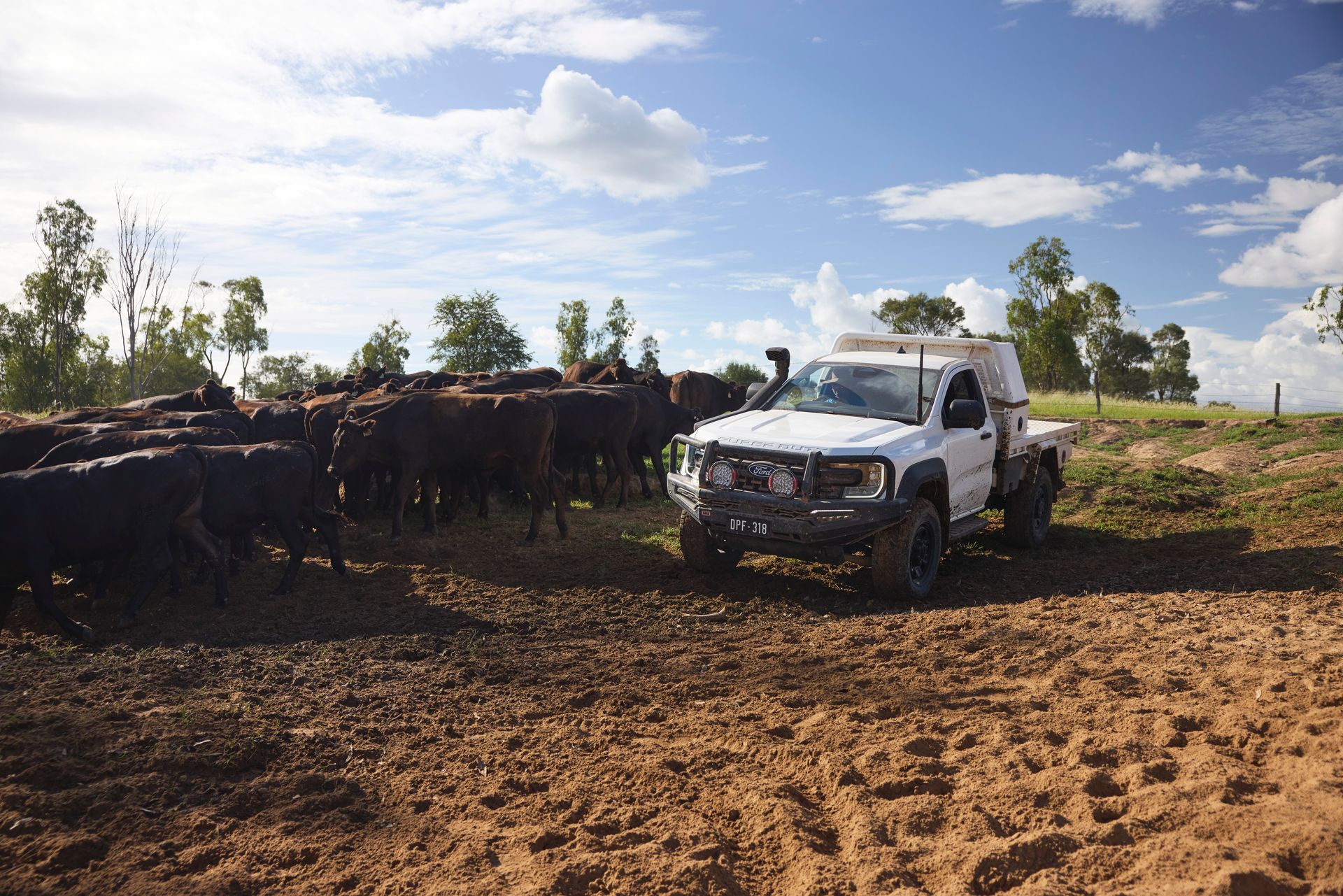
After four years of customer research and 500,000 test kilometres, Ford says the Ranger Super Duty brings farmer-driven customisation into the factory, with more towing, payload, and durability built in.