James Oxenham is the CEO of the Hire and Rental Industry Association (HRIA). Having worked across the UK, Europe, and Australia, James brings over 15 years of extensive industry experience to his role with the hire and rental sector’s peak industry body.
Tools on demand: Circular economy in Australian farming
James Oxenham
As machinery costs rise, James Oxenham explains how on-demand equipment hire can give Australian farmers greater flexibility, financial resilience, and access to new technology.
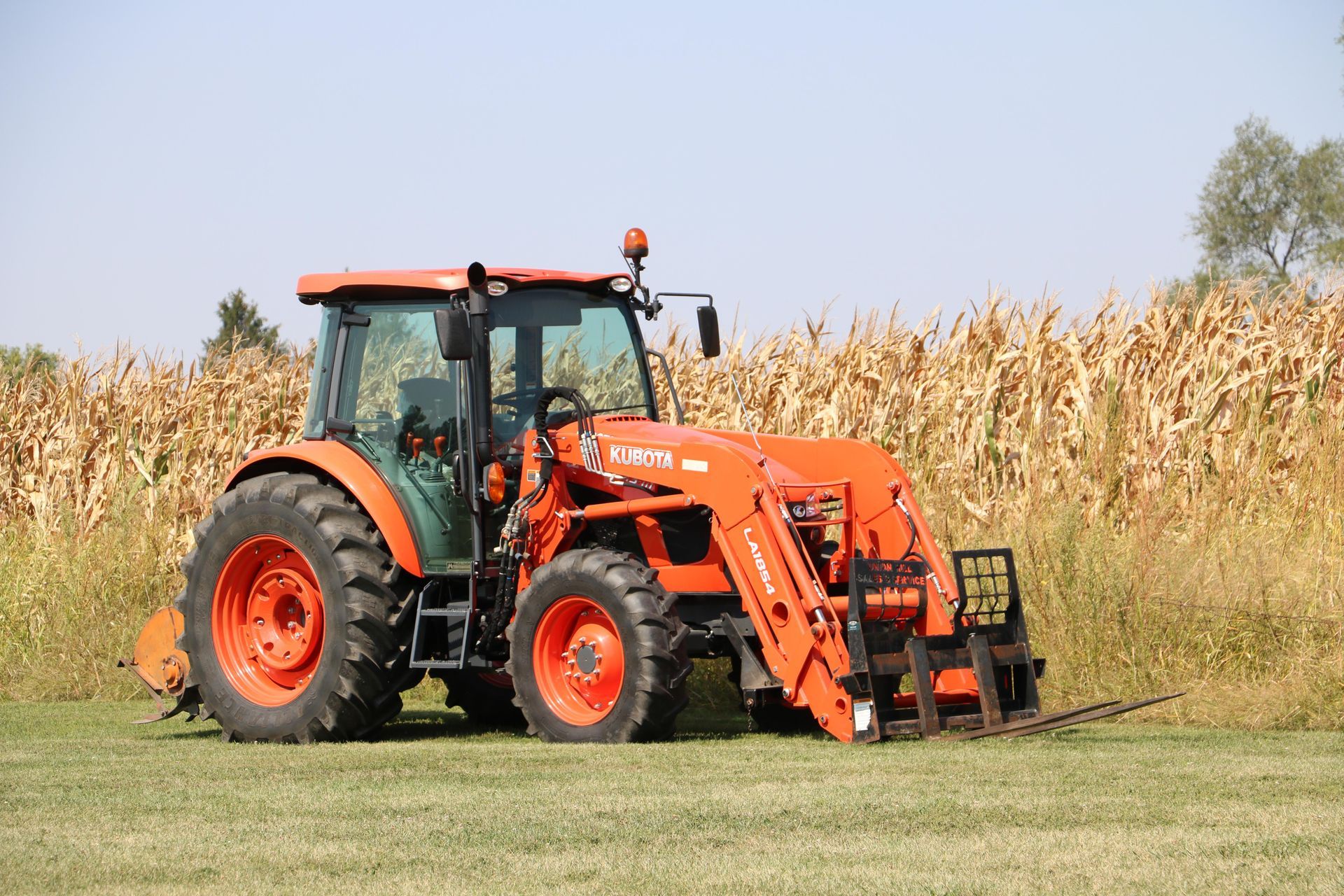
: Back in the day, every farm shed had its own tractor, header, and baler, ready for the field at any time. We all remember the times when owning a full line-up of machinery was simply what you did, and now, that world is slowly becoming a memory.
Today, machinery-sharing platforms and contract services are transforming how farmers access equipment, replacing ownership with on-demand access. And right now, Australian agriculture is experiencing this shift in ways that go well beyond just machinery.
Australia's agricultural equipment market reached $7.8 billion in 2024, with rental and leasing models experiencing significant growth as farms increasingly choose to hire machinery during peak seasons, rather than commit to outright purchases. This shift represents a fundamental rethinking of how Australian farmers approach their operations, and it's reshaping the industry from the ground up.
The high cost of ownership
For decades, owning equipment was non-negotiable in farming. A harvester in the shed meant security and readiness. But the reality is that modern agricultural machinery comes with eye-watering price tags that can cripple smaller operations before they even get started. A new harvester can cost upwards of hundreds of thousands of dollars, and that's before factoring in maintenance, storage, insurance, and the inevitable depreciation that begins the moment it rolls off the lot.
For many farms, particularly smaller and medium-sized operations, these upfront costs remain prohibitive. It's like being told you need to buy an entire cinema just to watch a single film. The maths simply doesn't work, especially when that machinery might only be used intensively for a few weeks each year.
Pay for what you use, when you use it
The on-demand model flips this equation entirely. Instead of shouldering massive upfront investments, farmers can access the equipment they need precisely when they need it, paying only for the period of use. Why own it when you can hire it?
This approach delivers immediate benefits to cash flow management. Agriculture is inherently seasonal, with income concentrated around harvest periods and significant expenses spread throughout the year. Equipment hire aligns costs with revenue, allowing farmers to factor in spending that ebbs and flows with their seasonal income patterns rather than being locked into hefty loan repayments regardless of how the season performs.
Building resilience into operations
Australian farmers know better than most that the weather doesn't always cooperate. Drought, floods, and unpredictable conditions can derail even the best-laid plans. When you've sunk hundreds of thousands into machinery that's now sitting idle because the weather has disrupted production, those sunk costs hurt. Equipment hire offers a buffer against this volatility, providing resilience when it matters most.
If conditions aren't right, you're not left carrying the burden of expensive assets depreciating in the shed. And when opportunities arise, such as a bumper season or a chance to take on contract work, you can scale up quickly without the lead time required to finance and purchase additional equipment.
Always accessing the latest technology
Agricultural technology is advancing rapidly. GPS-guided systems, precision agriculture tools, and efficiency improvements are transforming what's possible on modern farms. With hire models, farmers can access the latest releases without worrying about depreciation. Just as streaming services allow us to always have access to new movies and TV shows, equipment hire means you're working with current technology that can improve yields, reduce waste, and boost productivity. Next season brings new innovations? Simply hire the updated model.
Flexibility for changing needs
Farm operations are rarely static. You might need a specialised piece of equipment for one job, then something entirely different next month. Perhaps you're experimenting with a new crop or expanding into different activities. Equipment hire provides the flexibility to scale machinery up or down as needs change. This adaptability is particularly valuable in an industry facing ongoing challenges around labour shortages and the need to do more with less. The right equipment at the right time can make the difference between a successful season and a struggling one.
The future of Australian agriculture
The shift towards equipment hire isn't a passing trend. It's a pragmatic response to the realities of modern farming, where agility and financial prudence are just as important as hard work and expertise. As the agricultural equipment market continues to evolve, the farms that thrive will be those that embrace flexibility and focus their capital where it delivers the greatest return.
The online, on-demand revolution taught us that access trumps ownership when it comes to convenience and value. Australian farmers can benefit from the same lesson, with on-demand machinery transforming how they approach agriculture.

NEWS
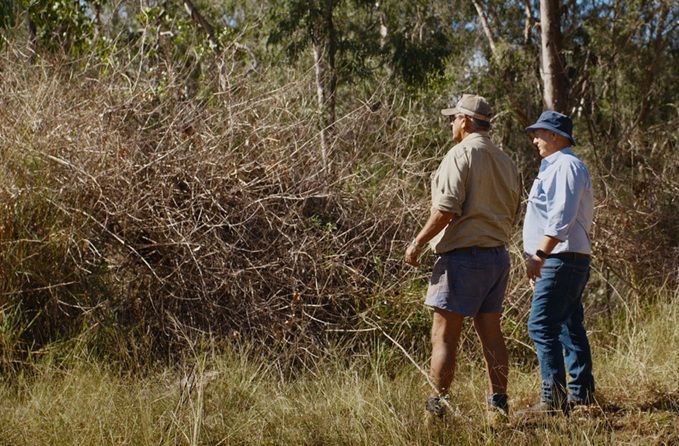
Invasive woody weeds steal your pasture. Method helps you take it back.
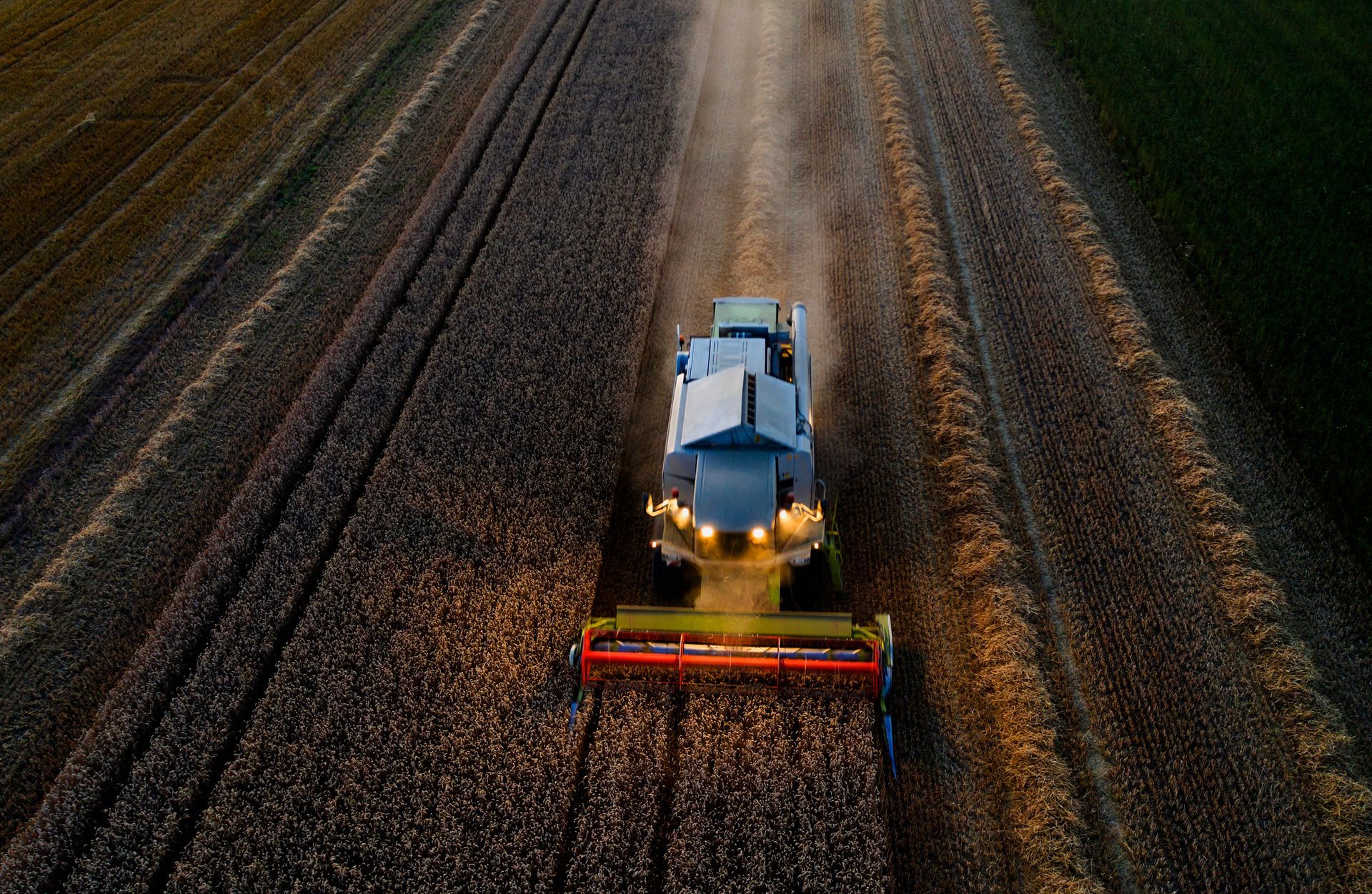
High-precision GNSS has typically been too costly and complex for all but the most critical agricultural operations, but recent RTK GNSS innovations have made centimetre accuracy scalable to all applications in Ag-Tech.
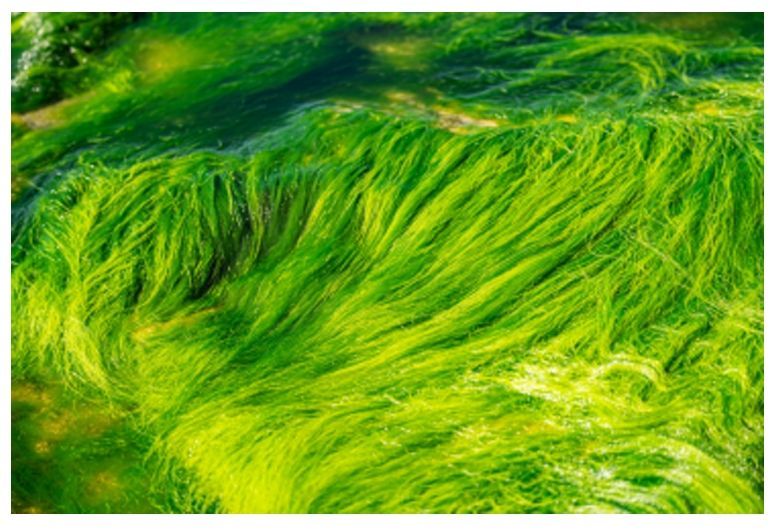
Every Aussie farmer knows that the difference between a “good” crop and a “record-breaking” one often come down to the smallest details. At BioFlora, we’ve spent years perfecting the balance of plant nutrition, and the result is IsoGreen – our powerhouse liquid formula designed to push your yields and crop taste to their absolute peak.
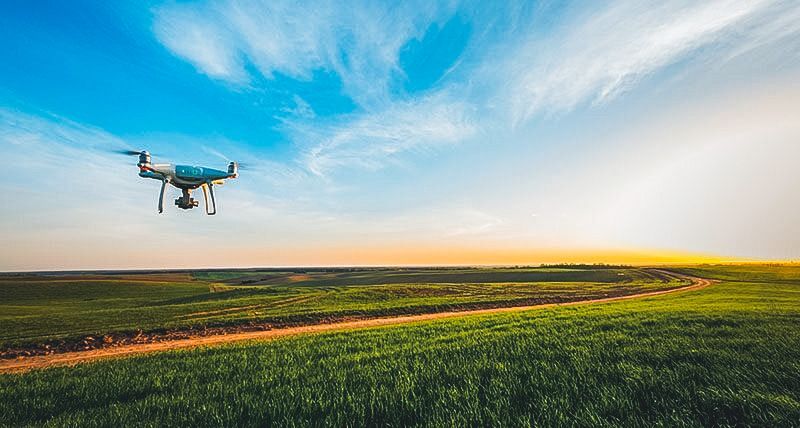
Plant, spray and harvest with confidence using reliable centimetre level positioning. Hexagon SmartNet provides fast, accurate RTK corrections across Australia to reduce overlaps, lower input costs and maximise productivity. With no base station required, simply connect, get a fix and get to work.

Built for the demand of Aussie farmers. Designed for every day performance.
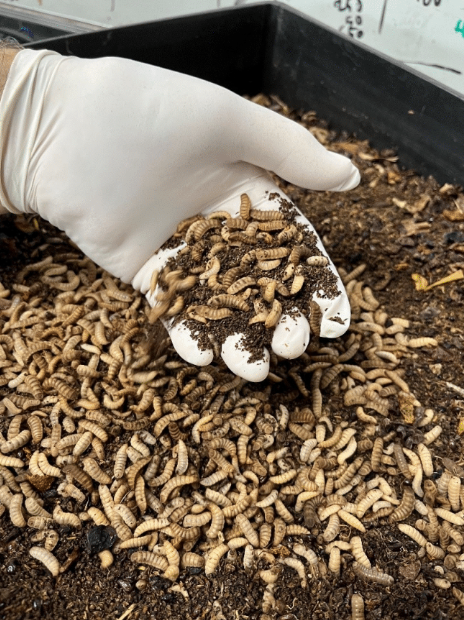
They’re wriggly black grubs more commonly tossed to backyard hens than served at the dinner table, but black soldier fly larvae could soon play a key role in building a more sustainable food system, according to new research from Adelaide University.