












































1MG FlippingBooks
Tough pickup front ahead of the field
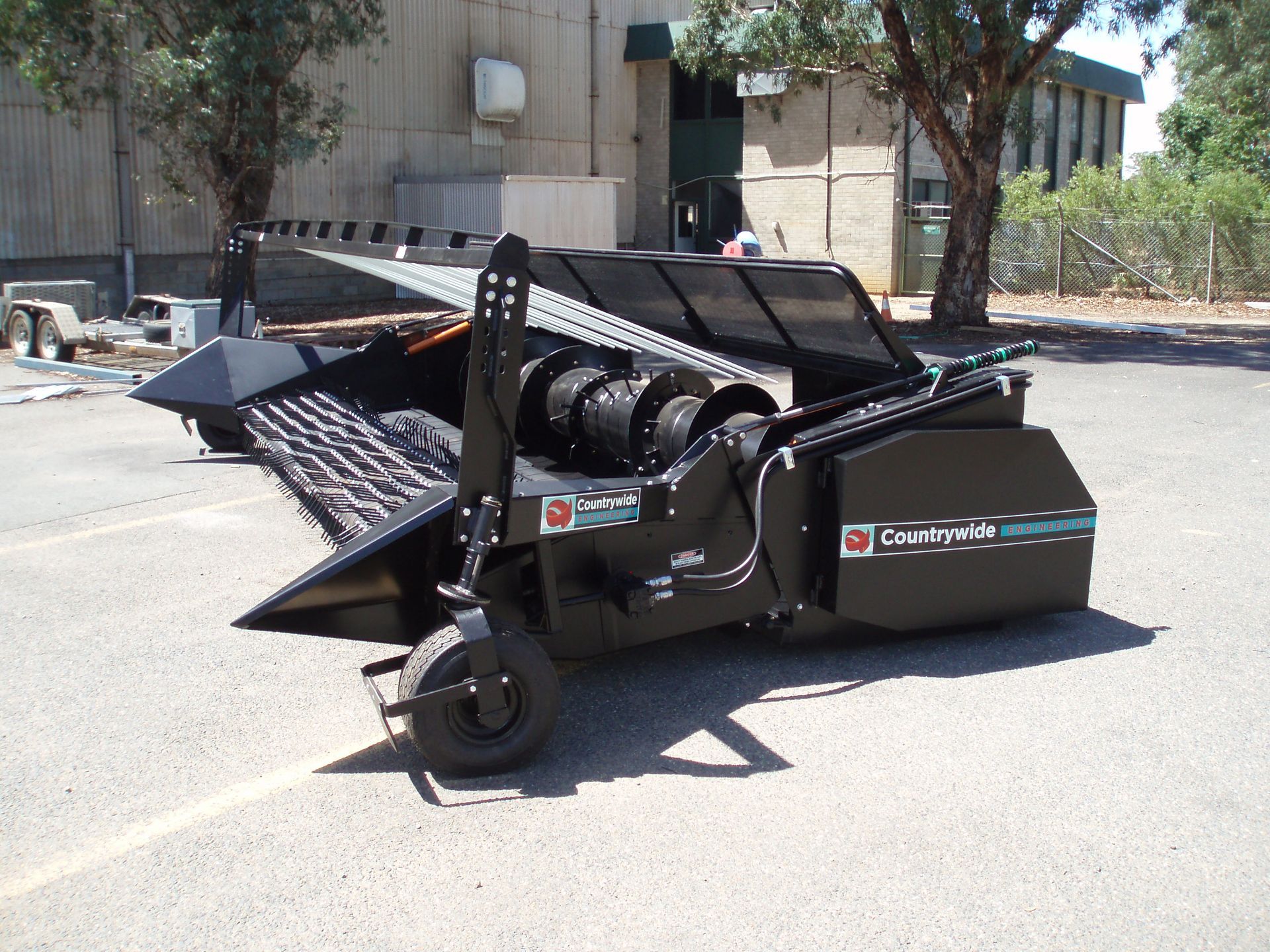
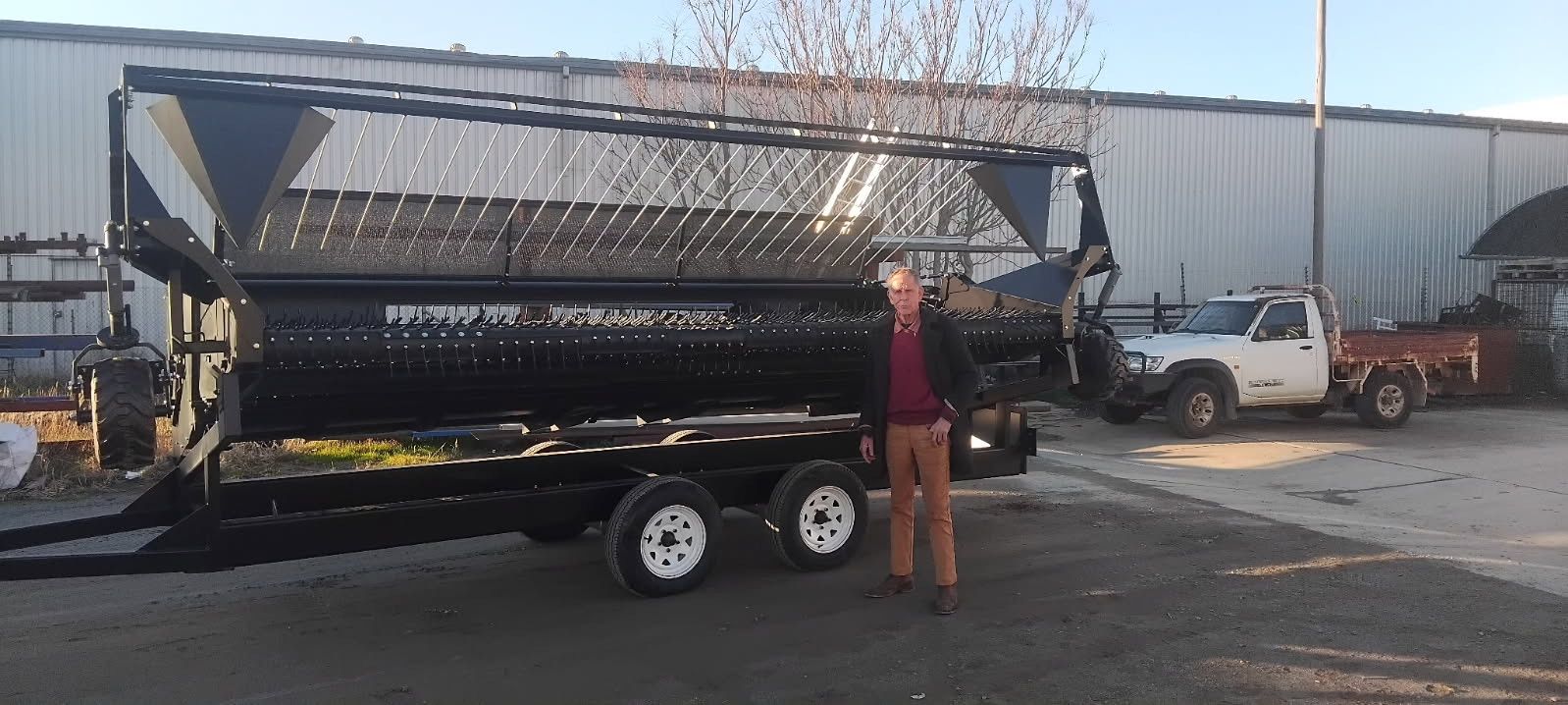
Technical improvements have made locally engineered Draper Pickup Front the 'only one to buy'.
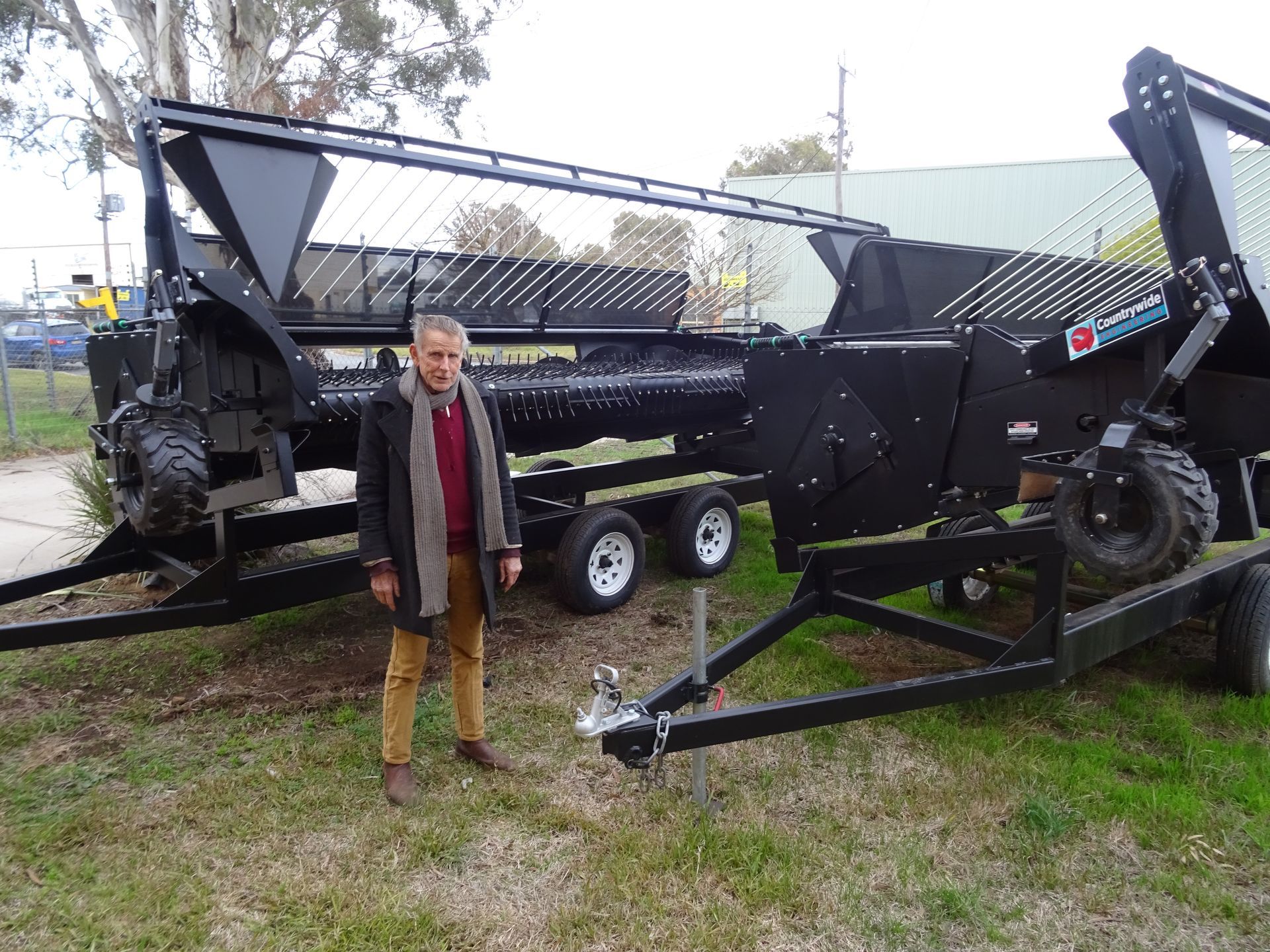
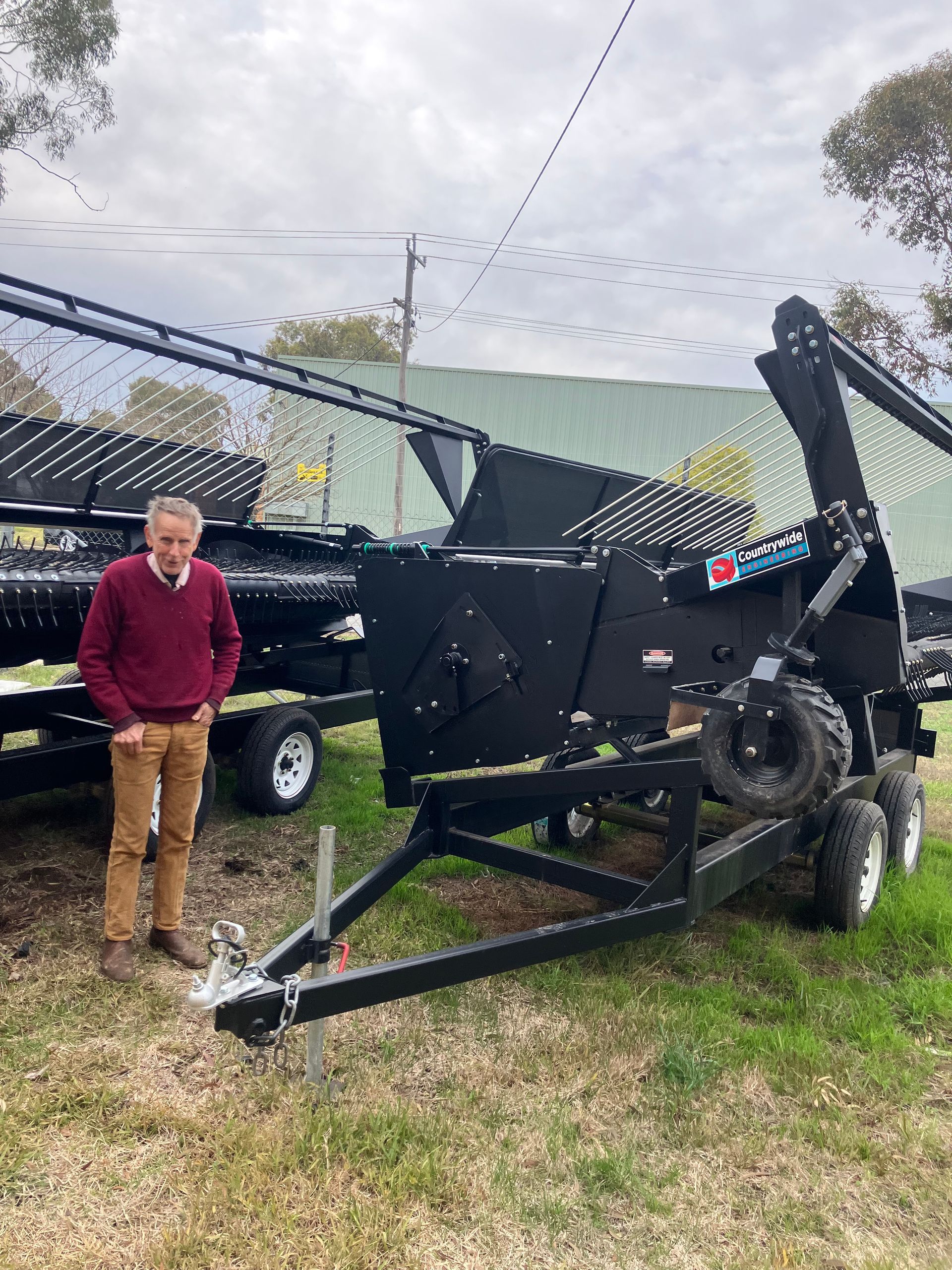
Zero warranty claims are good news for Wagga Wagga engineer Tom Grigg, whose enhanced Draper Pickup Front has been enthusiastically received by croppers.
A Draper pickup is a type of agricultural harvesting attachment used on combine harvesters. It's designed to efficiently gather and feed crop material into the combine for threshing and separation. The Draper pickup uses a wide, continuous belt or belts to move the crop from the header towards the center and into the combine.
“They’re uncomplicated, easy to maintain and easy to repair if damaged,” says Tom.
“‘The only one to buy,' is what owners have been telling me.”
He pointed to technical improvements based on earlier versions of the pickup front.
“Our latest update incorporates outcomes derived from many years of farming experiences with these machines in the field dealing with windrow crops,” he says.
Technical features affecting durability and performance have been rectified.
“The demand for higher performing harvesting equipment required a pickup front with the ability to feed material at the maximum rate under all conditions without time-consuming delays,” says Tom.
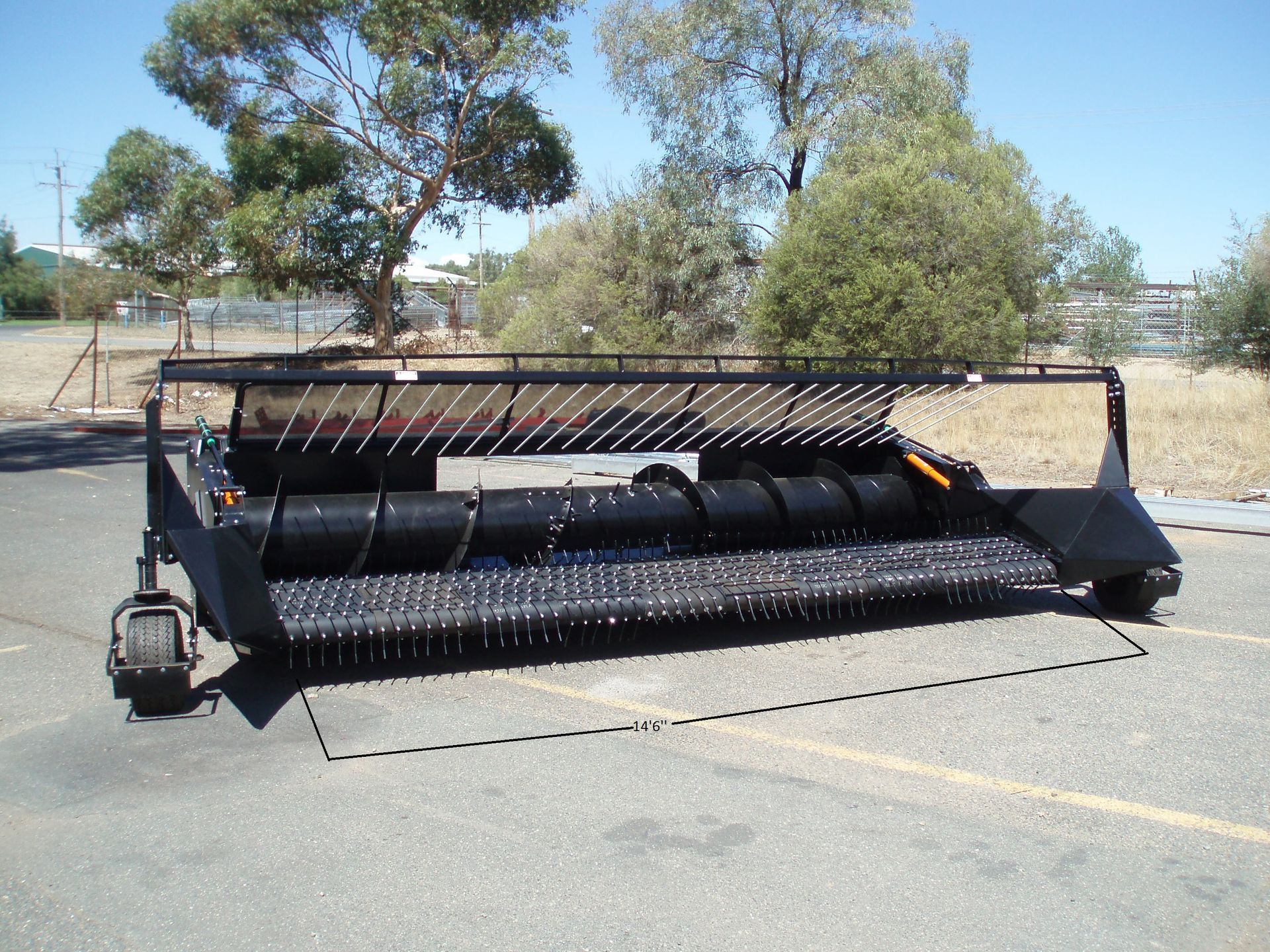
The 10-belt system involved splitting the rollers with centre bearing holders which keeps belt tension constant under all load conditions.
“To have all rollers driven required significant modifications of the chain drive,” he said.
“This has proved itself in the field to be bullet-proof. We have had no warranty claims on any of the fronts, proving the quality of manufacture.”
He says it was important that the unit was designed and built in Australia specifically for our crop conditions. It works equally well with canola, lupins, and cereals.
“The two belt four driven roller system delivers maximum driving effort to the pick-up belts giving them the ability to tease windrow lumps apart without stalling out.
“At the same time a longer, flatter ramp angle minimises windrow disturbance when travelling at faster harvesting speeds.”
Tom emphasised features that appeal to users including a strong, durable framework, greaseable bearings, and taper-lock sprockets for draper rollers, anti-flutter control and adjustable-height stubble damage protection for the castor gauge wheels.
“There are even more special features including a strong table auger with retractable fingers and a flighting layout especially designed for windrow handling,” he says.
“These features all add up to exceptional reliability, strength, serviceability, and even more importantly a very capable crop handling ability in heavy or difficult windrows.”
NEWS
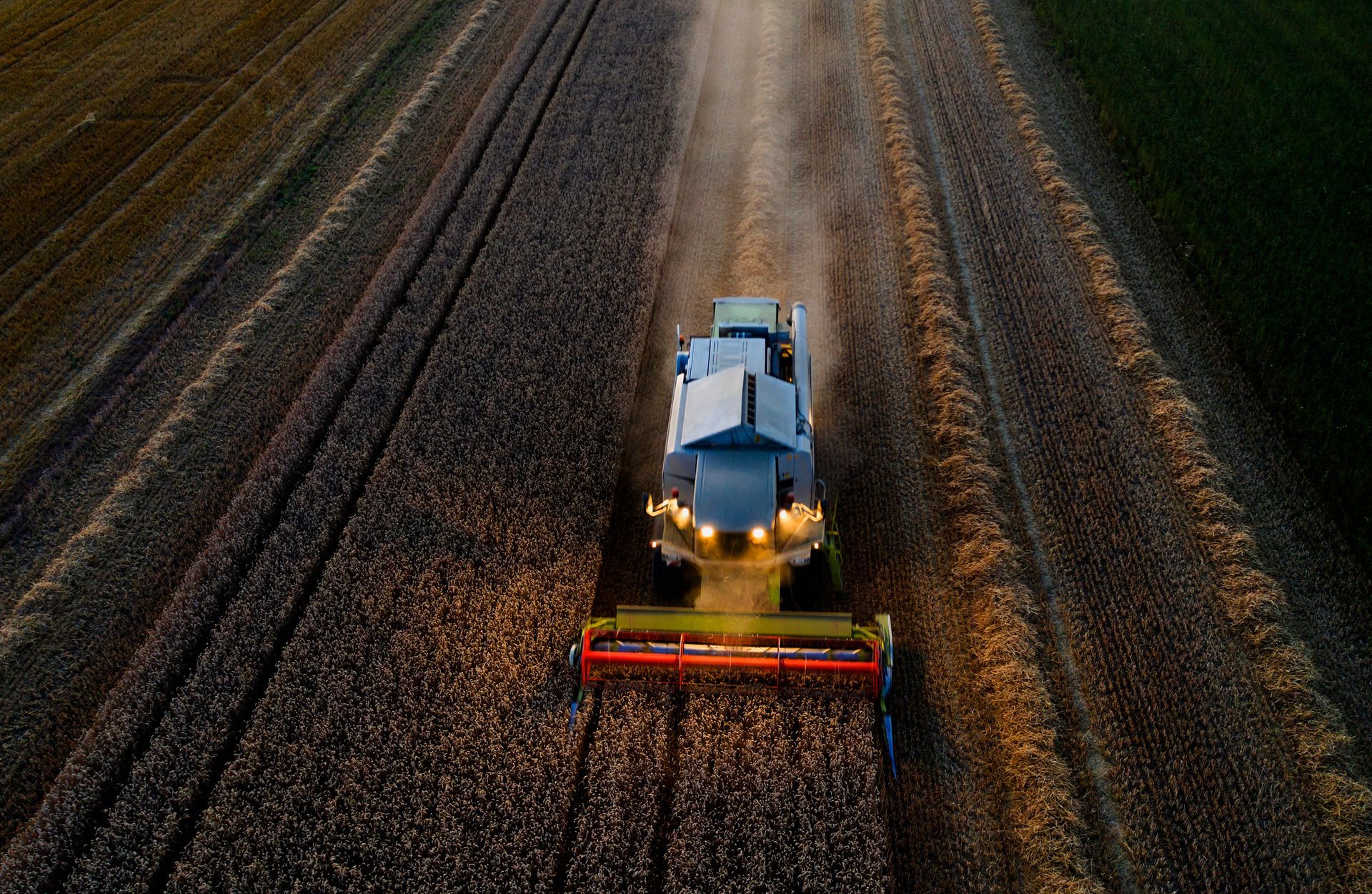
High-precision GNSS has typically been too costly and complex for all but the most critical agricultural operations, but recent RTK GNSS innovations have made centimetre accuracy scalable to all applications in Ag-Tech.
Every Aussie farmer knows that the difference between a “good” crop and a “record-breaking” one often come down to the smallest details. At BioFlora, we’ve spent years perfecting the balance of plant nutrition, and the result is IsoGreen – our powerhouse liquid formula designed to push your yields and crop taste to their absolute peak.
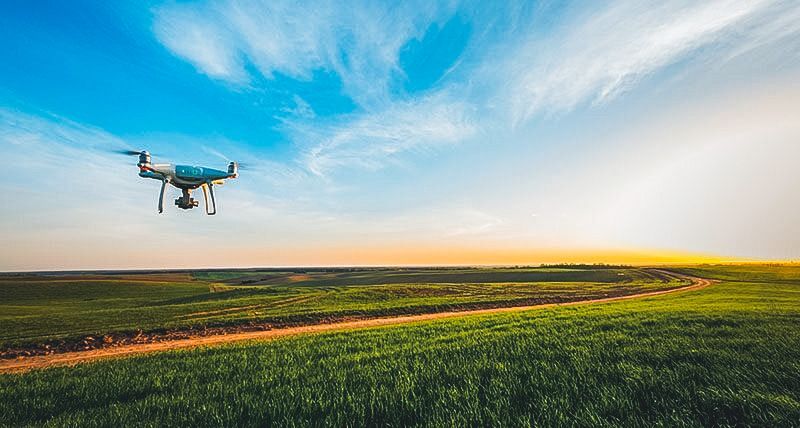
Plant, spray and harvest with confidence using reliable centimetre level positioning. Hexagon SmartNet provides fast, accurate RTK corrections across Australia to reduce overlaps, lower input costs and maximise productivity. With no base station required, simply connect, get a fix and get to work.
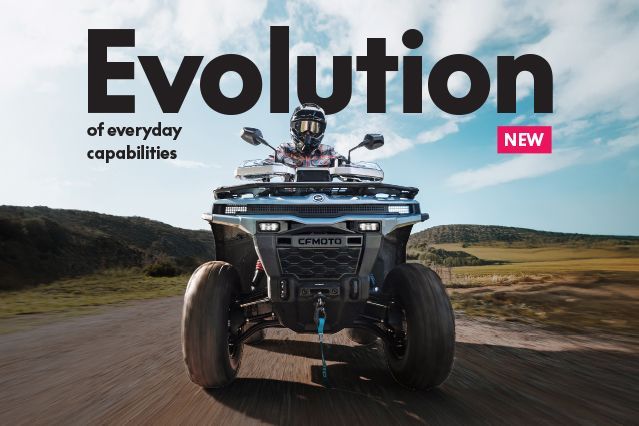
Built for the demand of Aussie farmers. Designed for every day performance.
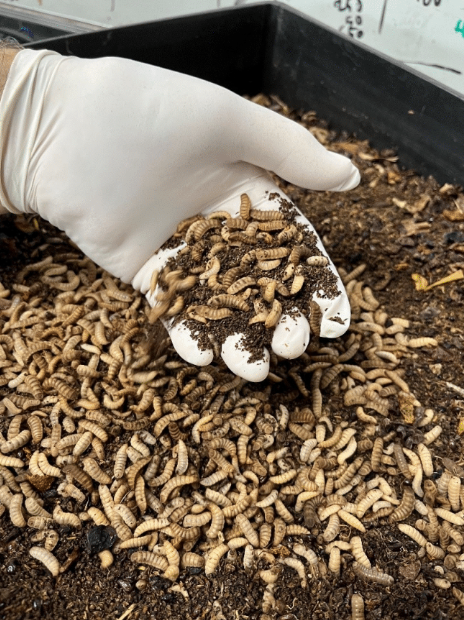
They’re wriggly black grubs more commonly tossed to backyard hens than served at the dinner table, but black soldier fly larvae could soon play a key role in building a more sustainable food system, according to new research from Adelaide University.
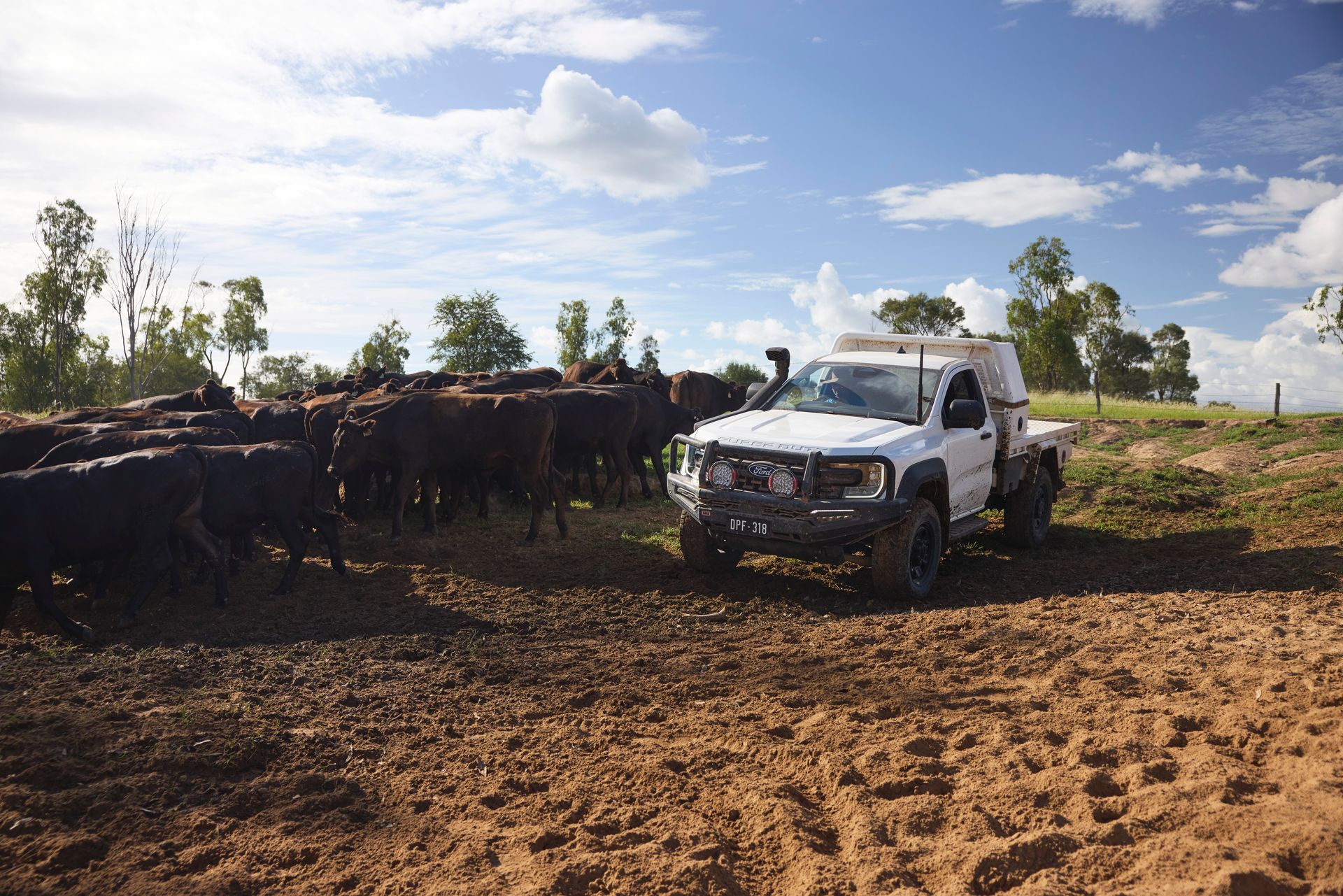
After four years of customer research and 500,000 test kilometres, Ford says the Ranger Super Duty brings farmer-driven customisation into the factory, with more towing, payload, and durability built in.