Dr. Sandra J. Hall, PhD, MAICD, IWA Fellow is the CEO of Water Stewardship Asia Pacific. With over two decades of leadership in water management, Dr. Hall has held significant roles, including Director of the Australian Water Association and General Manager of the Australian Centre for Water and Environmental Biotechnology.
Water Stewardship: A Pathway to Sustainable Agricultural Futures
Dr. Sandra J. Hall
As the global agricultural sector faces mounting pressure from climate change, water scarcity, and the growing need for food production, sustainable solutions are more critical than ever. Water stewardship has emerged as a fundamental approach to managing water resources in a way that promotes ecological balance, economic vitality, and social equity. Central to this mission is the application of frameworks such as "Commoning" and systems thinking, which provide comprehensive pathways to a sustainable agricultural future.
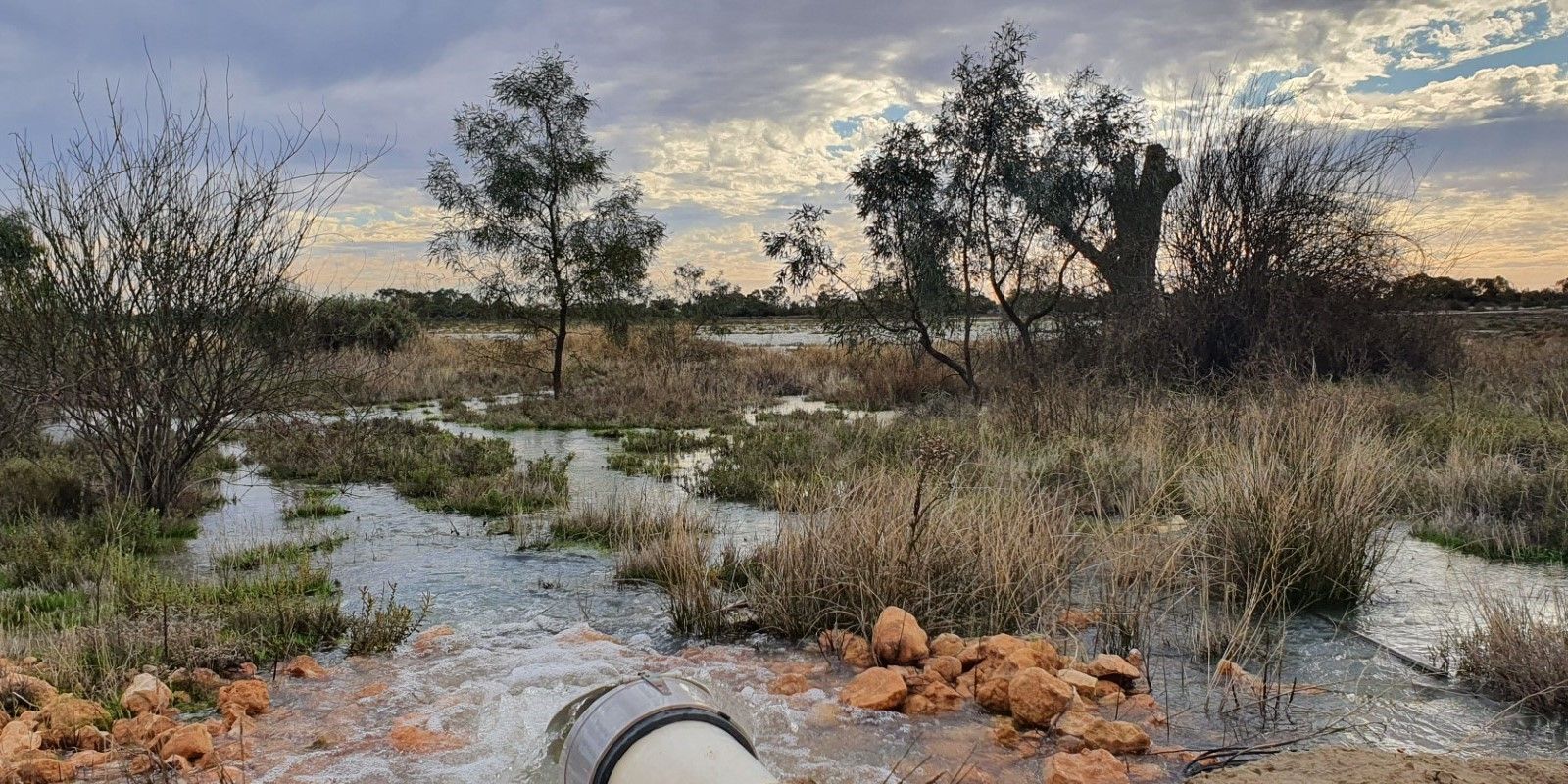
Water Stewardship: Defining Responsible Water Use
Water stewardship refers to responsible water management that ensures equitable and sustainable water use for people, the planet, and economies. It’s a voluntary commitment from users to understand and mitigate their water-related impacts, adopt sustainable practices, and collaborate with others to achieve better outcomes.
In the agricultural context, water stewardship promotes farmers and agricultural businesses to consider the entire water cycle - where water comes from, how it’s used, identifying risks related to climate variability, and the downstream impacts. This involves using efficient irrigation methods, reducing water pollution from runoff, and conserving freshwater ecosystems. The stewardship approach moves beyond the individual farm level to encourage collaboration across the whole of the catchment enabled by a stakeholder inclusive process, working with local authorities and communities.
Water Stewardship Asia Pacific (WSAP) has been at the forefront of implementing strategies that enhance sustainable water management across agricultural landscapes. By adopting innovative frameworks like "Commoning" and systems thinking, Water Stewardship provides a holistic approach to addressing water-related challenges in agriculture.
Commoning: Collective Management of Shared Resources
The idea of commoning, grounded in Elinor Ostrom’s work on the governance of common resources, emphasises the need for collective management of resources that are used by multiple stakeholders. This approach addresses the “tragedy of the commons” where individual users, acting in their self-interest, deplete a shared resource to the detriment of all.
In agriculture, the commoning framework encourages farmers to see themselves as part of a larger ecosystem, where their water use practices directly affect neighbouring farms, local communities, and broader ecosystems. This sense of shared responsibility fosters cooperative management and reduces competition for water resources.
By implementing commoning principles, Water Stewardship helps create frameworks for local water governance that include diverse perspectives. Farmers, First Nations communities, environmental advocates, and water managers collaborate to create systems that benefit all, ensuring equitable water distribution, preservation of ecosystems, and long-term sustainability.
Systems Thinking: Tackling Complexity in Agriculture
Systems thinking is a powerful tool that allows us to understand the interconnectedness of different elements within a system. In agriculture, this approach involves recognising how water use, land management, crop selection, and biodiversity are interrelated and affect the long-term sustainability of farming practices.
Through systems thinking, water stewardship goes beyond the simple allocation of water resources. It involves a thorough understanding of the whole agricultural ecosystem, including soil health, climate patterns, and social factors such as local community needs and governance structures.
Water Stewardship uses systems thinking to design strategies that are both flexible and adaptive. For example, in regions facing drought, rather than focusing solely on reducing water consumption, systems thinking encourages an integrated approach that includes selecting drought-resistant crops, improving soil moisture retention, and promoting community-level resilience.
Renmark, SA, Case Study: Collective Irrigation Management in Australia
In Renmark, South Australia, where water scarcity is a significant issue, farmers have adopted water stewardship principles alongside community-driven management. Water-sharing agreements among farming communities have led to better irrigation efficiency, reducing the strain on local rivers and groundwater. Farmers collaborate through water user associations to manage infrastructure and monitor water quality, embodying both commoning and systems thinking principles.
By integrating these approaches, the farmers have been able to balance their water needs with environmental protection, increasing their resilience to climate change.
Challenges and Opportunities
Despite its potential, employing a water stewardship approach in agriculture faces challenges:
- Institutional Barriers: Regulatory frameworks often focus on top-down water management, making it difficult for communal and systems-based approaches to thrive.
- Knowledge Gaps: Many farmers may lack the knowledge or resources to adopt new water stewardship practices.
- Power Dynamics: Unequal access to water resources, particularly in regions where large agribusinesses dominate, can undermine commoning efforts.
However, opportunities for progress include:
- Technological Innovations: Tools like remote sensing and data analytics can help monitor water use and improve decision-making.
- Policy Support: Governments can incentivise water stewardship management through subsidies, tax breaks, or technical assistance.
- Capacity Building: Training programs for farmers and local communities can promote systems thinking and collaborative management.
Towards a Sustainable Agricultural Future
Water stewardship, grounded in frameworks like commoning and systems thinking, is essential for creating resilient agricultural systems capable of withstanding the challenges of climate change and resource scarcity. By fostering collaboration and promoting a holistic understanding of agricultural ecosystems, Water Stewardship is paving the way toward a sustainable agricultural future.
Through these innovative frameworks, farmers are empowered to make decisions that benefit both their land and the broader community, ensuring that future generations have access to the water resources necessary for life and livelihood.
The ongoing work of Water Stewardship Asia Pacific demonstrates that sustainable water management in agriculture is not just possible, but essential. By integrating collective action and systemic understanding, the agricultural sector can continue to thrive while protecting one of our planet's most precious resources - water.

NEWS

High-precision GNSS has typically been too costly and complex for all but the most critical agricultural operations, but recent RTK GNSS innovations have made centimetre accuracy scalable to all applications in Ag-Tech.

Every Aussie farmer knows that the difference between a “good” crop and a “record-breaking” one often come down to the smallest details. At BioFlora, we’ve spent years perfecting the balance of plant nutrition, and the result is IsoGreen – our powerhouse liquid formula designed to push your yields and crop taste to their absolute peak.
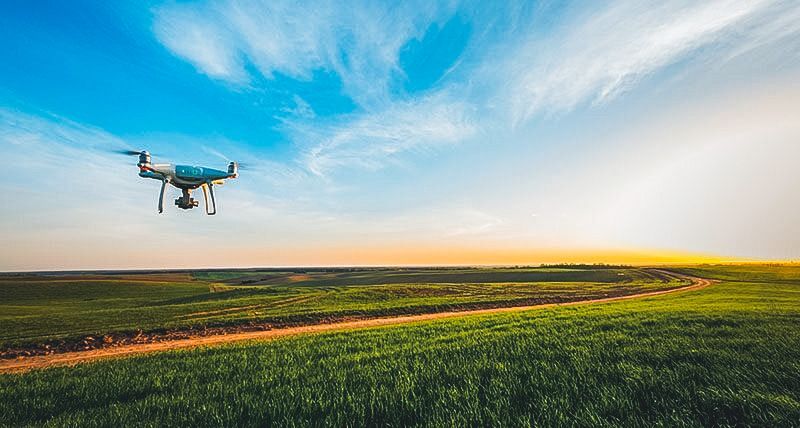
Plant, spray and harvest with confidence using reliable centimetre level positioning. Hexagon SmartNet provides fast, accurate RTK corrections across Australia to reduce overlaps, lower input costs and maximise productivity. With no base station required, simply connect, get a fix and get to work.

Built for the demand of Aussie farmers. Designed for every day performance.
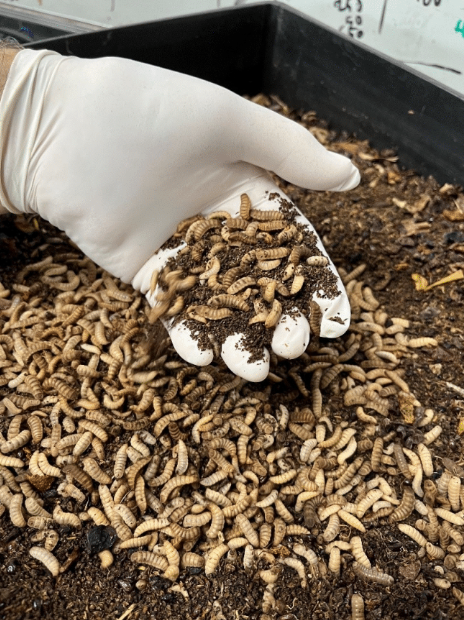
They’re wriggly black grubs more commonly tossed to backyard hens than served at the dinner table, but black soldier fly larvae could soon play a key role in building a more sustainable food system, according to new research from Adelaide University.
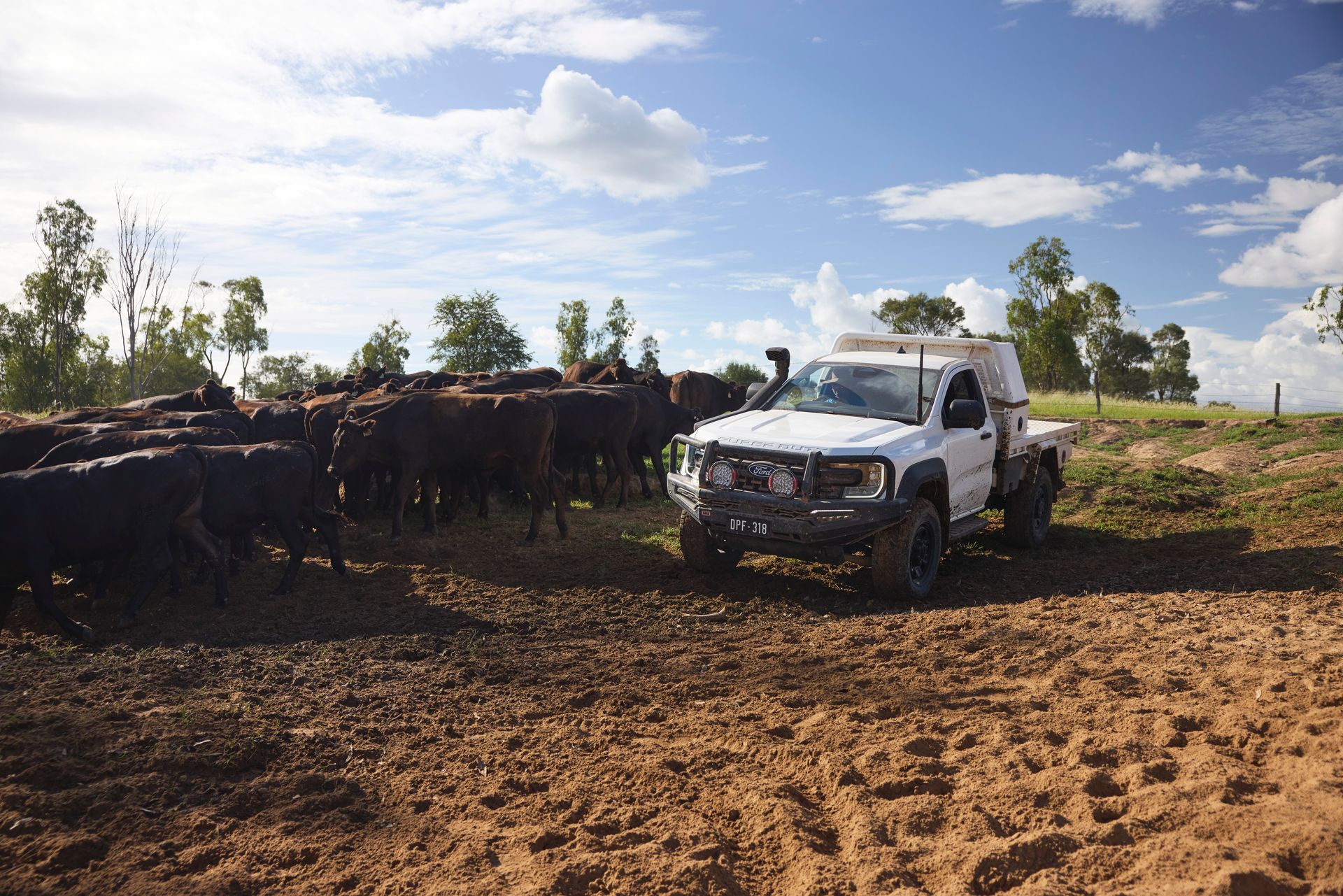
After four years of customer research and 500,000 test kilometres, Ford says the Ranger Super Duty brings farmer-driven customisation into the factory, with more towing, payload, and durability built in.