

















































1MG FlippingBooks
What happens to rural communities if digital technology brings city slickers to the land?
What does digital change mean for the bush? This is an important question for both rural and remote communities and city dwellers.
Digital technology promises to increase profits, reduce yield uncertainty and improve quality of life on the land by reducing the farmer’s workload. The emergence of broadband and greater digital access is also making the bush a more accessible and attractive place to live for city folk. The new digital economy allows people to generate income remotely and provides greater flexibility and access to services and infrastructure. Digital technology and autonomous machinery are reducing the barriers of living on the land that have deterred many from farming life.
Cities are becoming too expensive and too congested, while regional areas are getting much-needed infrastructure improvements. Essentially, the lifestyle advantages and appeal of city living are starting to dwindle, while rural living is becoming more attractive. As opportunities grow for people to work in casual positions or work from home, all sorts of city folk could find a profitable, sustainable and enjoyable lifestyle in the bush.
Modern farming: the impact of agricultural technologies
Digital technology has the potential to create an agricultural revolution with hi-tech machinery and better farming. Increasingly, farmers are starting to experiment with digital and autonomous technology to improve decision-making and reduce the strain of manual labour. For example, soil moisture probes, water sensors, autonomous pumps and irrigation scheduling tools can reduce labour needs and increase flexibility by making decisions more precise.
Agtech can reduce crop and livestock stress, save water and make decision-making less involved for farmers. Robot pickers can harvest and load goods into autonomous refrigerated trucks. A product’s origin can now be recorded using digital fingerprint technology on each piece of fruit or bale of cotton, giving farmers and their families much-needed peace of mind. However, all this digital change can mean farmers need to reskill and hire different sorts of consultants, contractors and staff.
Digital agriculture: Technology making life on the land easier
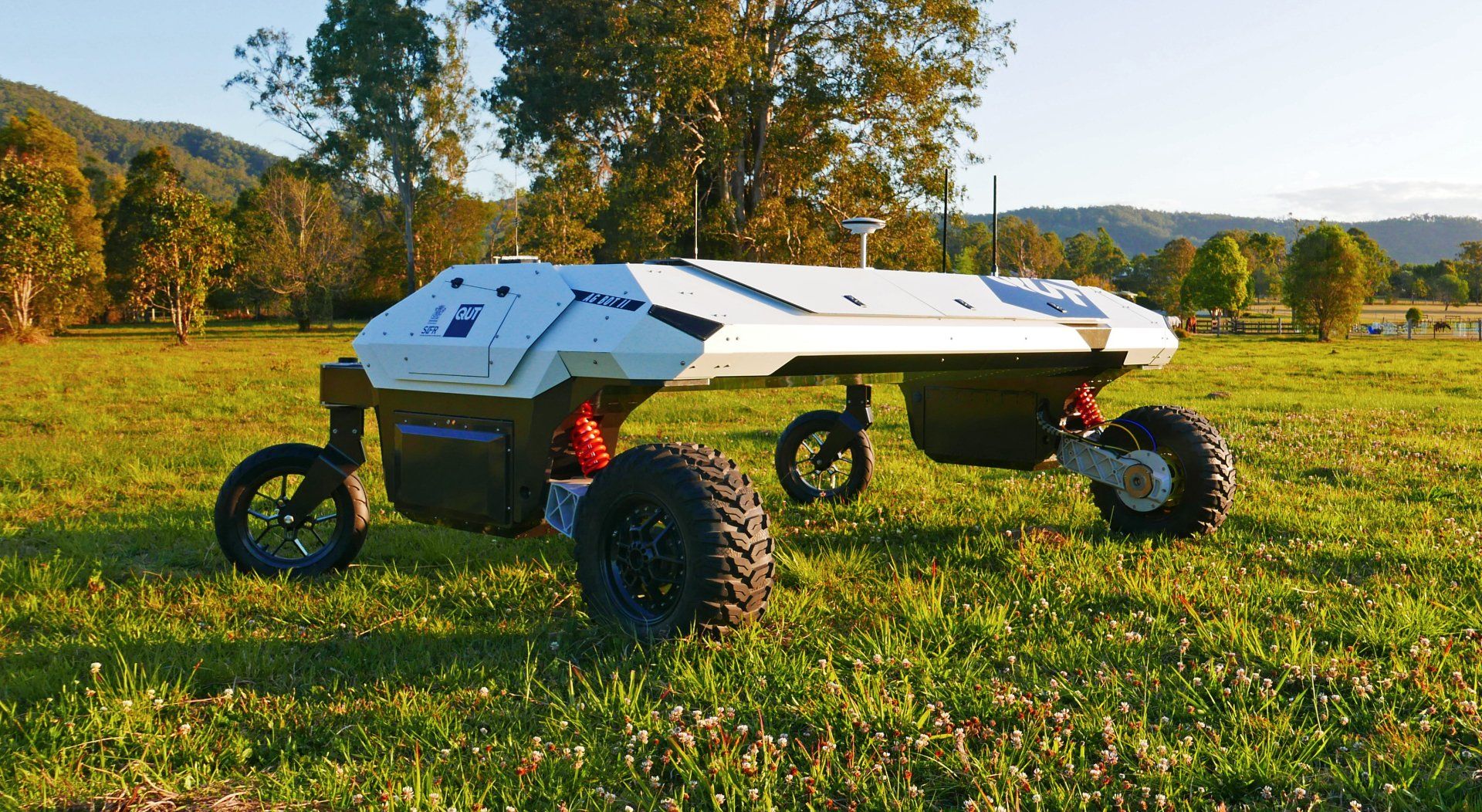
In the coming decades, agricultural robots will play a vital role in helping farmers manage the daily operation of farms. Jobs like weeding, fertilising and controlling pests and diseases will be standard operation, and the robots will also collect vast amounts of data to further improve farm management. AgBot II is an innovative solar-powered agricultural robot prototype fully designed and fabricated by QUT researchers and engineers with significant co-funding from the Queensland government.
AgBot II forms part of a new generation of crop and weed management machinery, intended to work in autonomous groups across both broadacre and horticultural crop management applications. The robot’s cameras, sensors, software and other electronics enable it to navigate through a field, apply fertiliser, detect and classify weeds and kill weeds either mechanically or chemically, providing a tool for farmers to help reduce operational costs and efficiency losses. The AgBot II provides multiple benefits including improved yield, better soil health and data-driven decisions while allowing farmers to manage their farm remotely (click here to find out more).
But agtech isn’t just about technology, systems and products. It’s about people and business improvement too. Tech-savvy entrepreneurs are seeking agtech accelerators in regional towns. New agtech consulting firms are bringing together farmers, entrepreneurs, government, investors and corporations to create new economies. Creatives are selling their wares online beside farmers selling their produce direct to global markets.
New research into how smart contracts can change the supply chain will also help. One example is QUT’s work with BeefLedger, an industry-led project bringing together design, business, technology and food research under the $200 million Food Agility CRC. This world-first project will track beef from the paddock to the plate and protect Australia’s reputation for world-class beef production using blockchain technology.
Smaller farming enterprises are being serviced by more affordable digital technologies such as Platfarm, a program for existing mobile phones or tablets that can access high-resolution spatial data so farmers can make smarter decisions. Custom-made spare parts can be printed cheaply on 3D printers, which could fix plumbing or robot woes in remote areas. Fences won’t need repairing anymore, because they’ll be virtual.
The shift towards regional areas
Major capital cities in Australia such as Sydney and Melbourne are some of the most expensive places to live in the world. Well-known Australian futurist and demographer Bernard Salt agrees that “city folk are heading to country and coastal towns in search of a better lifestyle”, leading to a new social trend.
One in six Australians (16 per cent) are unhappy with their current lifestyle due to work commute times, and it’s estimated about 400,000 Aussies have already made changes by choosing to work from home. This trend is predicted to grow to include more than a million workers within the next decade and has given rise to the ‘lifestyle town’. These communities have more affordable real estate, scenic views, plenty of space and/or a potentially slower pace of life. Baby boomers have been the leading demographic group behind this lifestyle choice, but this new life model could clearly have broader appeal.
In the past, many of the barriers to living in rural areas have been issues such as poor internet connectivity and a lack of infrastructure, but this is slowly changing. Also, if rural areas grew in population, then hospitals, schools, universities and infrastructure would follow.
Cheaper house and land prices could reduce the pressure for both parents to work just to keep a roof over their family’s heads. Car and equipment ownership may become optional because people will be able to just tap on their phone and order an agricultural robot to help on the farm or a driverless car to transport them into town. Equipment can be shared between farms. Parents get to watch their kids grow up in the great outdoors while tracking their goats and cows. The next generation see STEM in practice in the field educating them about farming as a career, and new health initiatives will reduce the risks of living remotely. Finally, new models of sustainable living can guide both urban and rural communities to live sustainably and cooperatively with the land.
City skills come to the country
Farming enterprises are changing, and some Australian farmers are upscaling. These larger enterprises need strategic thinkers, operations experts and systems managers to manage huge agricultural production, manufacturing and distribution centres. With an increase of urbanites heading to the country, regional towns could benefit from a range of new skills. This could include young workers and people skilled in agtech or other digital skills needed for new technologies.
Education providers could meet the challenge of training and re-skilling people for future employment as digital agriculture consultants, agronomists and more. A well-rounded farmer of the future might now have mechanical, strategic, communication and digital skills. Career changers whose jobs have been automated due to technology might find new opportunities to suit them in regional areas.
Due to digital connectivity, global geographical barriers start breaking down – which influence the basic decision of where people decide to live. In the past, many people may have felt forced to live in major urban areas to achieve their professional ambitions. However, it is now increasingly possible to stay plugged into the business world from almost any location that offers an internet connection. This could even mean an influx of foreigners attracted to Australia’s outback.
Can city dwellers adapt to country life?
Life in the bush is different from the city. Sparse, geographically dispersed populations embody values of care, service and community that can be very different to the values of city dwellers. In the city, residents expect services to be available when they need them, rather than expecting to fix infrastructure or urgent problems themselves. On the flip-side, in rural communities, people expect to know your business. Much of the time this helps the communities to connect folks when they need help. Sometimes it means a lack of privacy, thus the potential for judgment, or worse, being ostracised. So, what happens if city folk start moving in big numbers to the bush? Will country values be lost?
As Australia gets more regional communities, there will be shifts to community values that incorporate both remote and city living. Digital and physical connectedness within communities and their distance from cities may mean that regional communities continue to foster and maintain bush values despite technological, economic and lifestyle changes.
Can regional towns manage the digital transition?
There are great risks that technology could increase inequality and deepen segregation if digital disruption is not managed through good government policies for regional Australia. Many Australian regional cities and towns have struggled in a post-industrial economy filled with fast-paced technology change and digital disruption. Early examples of regional cities adopting metropolitan urban policies have not resulted in the promised economic development and regional prosperity. If anything, pushing urbanisation and gentrification without paying attention to the specific circumstances of regionality will lead regional towns into a similar urban crisis as their city counterparts.
Conclusion
The rise of agtech and increasing digital and autonomous technologies might entice city folk to leave the hustle and bustle and move to more rural and remote areas. Regional economies could benefit from new residents equipped with 21st century digital skills and a willingness to embody country values. However, there is a risk that vulnerable rural populations will be further disadvantaged by a digital revolution.
The challenge is for policy-makers to ensure that local populations are supported to learn the skills to contribute to any digital transformation and are included as stakeholders for digital infrastructure change and job opportunities in the bush. City folk can bring their big ideas, but they’ll need the wisdom of those who’ve lived on the land for generations to make sustainable and thriving communities. The opportunity is for regional, rural and urban policy makers to embrace an ecological democracy for a sustainable Australia.
NEWS
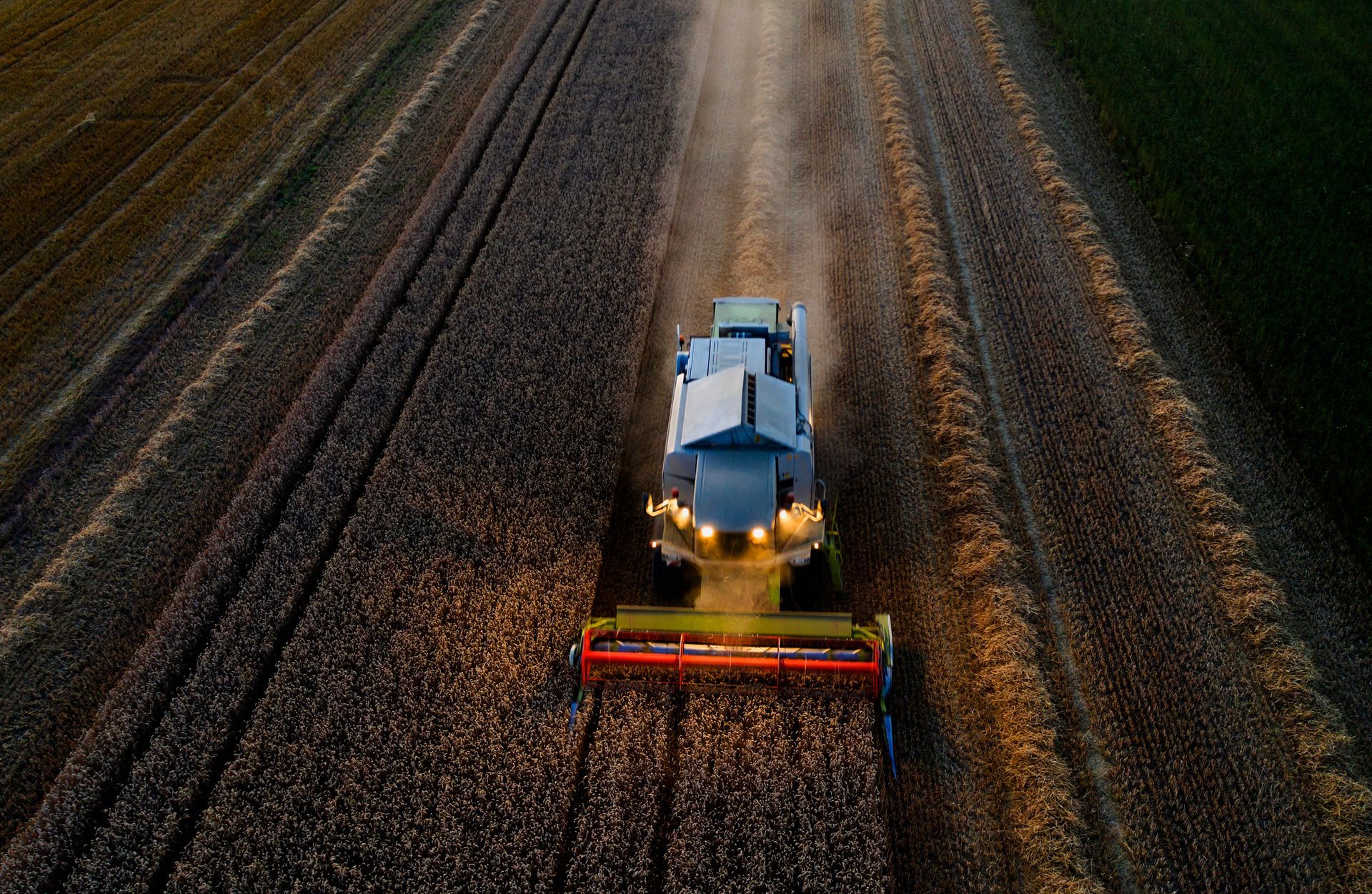
High-precision GNSS has typically been too costly and complex for all but the most critical agricultural operations, but recent RTK GNSS innovations have made centimetre accuracy scalable to all applications in Ag-Tech.

Every Aussie farmer knows that the difference between a “good” crop and a “record-breaking” one often come down to the smallest details. At BioFlora, we’ve spent years perfecting the balance of plant nutrition, and the result is IsoGreen – our powerhouse liquid formula designed to push your yields and crop taste to their absolute peak.
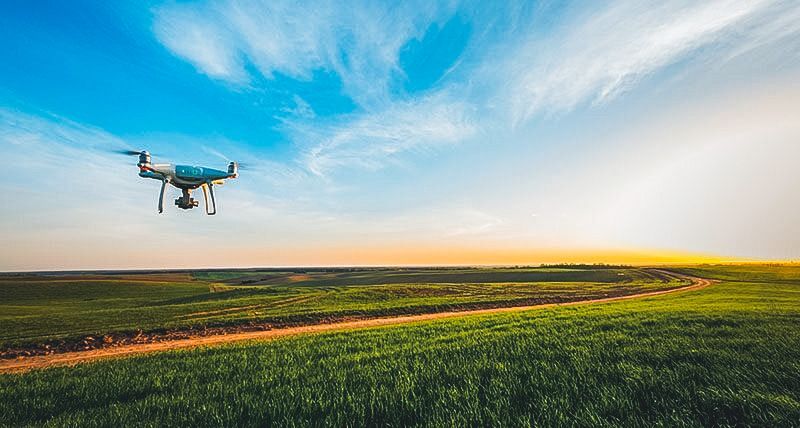
Plant, spray and harvest with confidence using reliable centimetre level positioning. Hexagon SmartNet provides fast, accurate RTK corrections across Australia to reduce overlaps, lower input costs and maximise productivity. With no base station required, simply connect, get a fix and get to work.
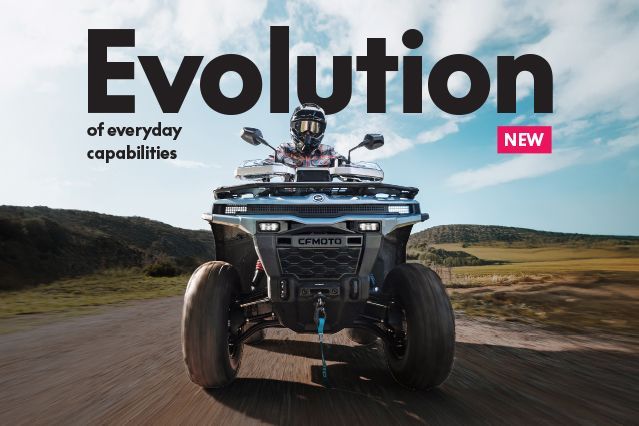
Built for the demand of Aussie farmers. Designed for every day performance.
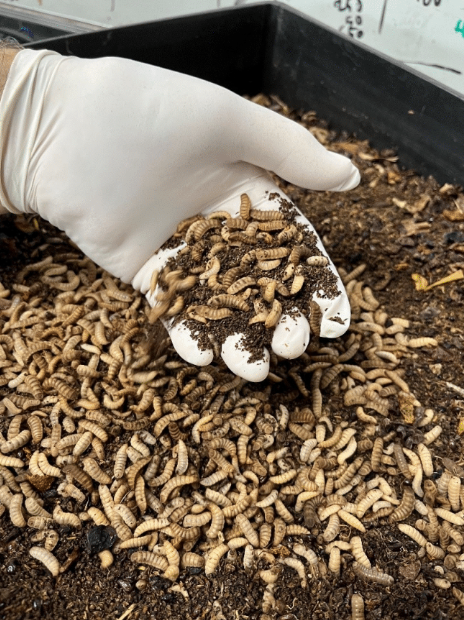
They’re wriggly black grubs more commonly tossed to backyard hens than served at the dinner table, but black soldier fly larvae could soon play a key role in building a more sustainable food system, according to new research from Adelaide University.
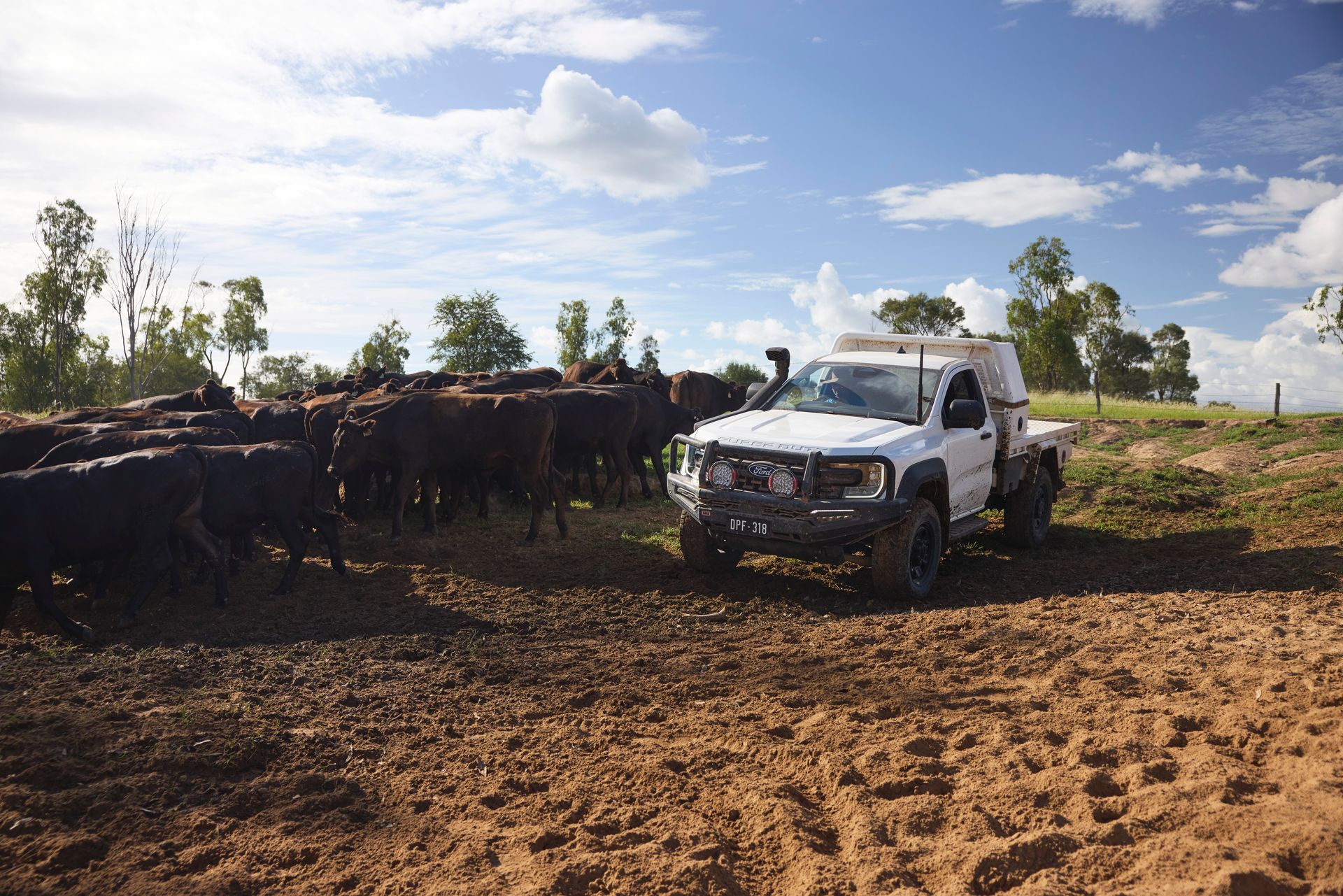
After four years of customer research and 500,000 test kilometres, Ford says the Ranger Super Duty brings farmer-driven customisation into the factory, with more towing, payload, and durability built in.