



















































1MG FlippingBooks
Ag2050 – scenarios to decisions
CSIRO and Australian Farm Institute.
Discussion paper 2026 – Executive Summary.

The Ag2050 program was an initiative led by the CSIRO, in collaboration with the Australian Department of Agriculture, Fisheries and Forestry (DAFF) and the Australian Farm Institute, designed to reimagine and transform Australian agriculture for the year 2050. Its key objectives and focus areas were:
- Target: Land-based farming, broadacre livestock, mixed farming systems, forestry, aquaculture, and fisheries.
- Core Goal: Build a long-term vision to make Australian food and fibre production more productive, resilient, and sustainable amidst climate change, net-zero mandates, aging workforces, and changing markets.
- Collaborators: CSIRO Futures, DAFF, the Australian Farm Institute, and various industry stakeholders.
The first major milestone of the program was the Ag2050 Scenarios Report (published in April 2024), which outlined four evidence-based, plausible futures for Australian farming:
- Regional Ag Capitals: Consolidated, tech-advanced systems with a strong food and fibre focus.
- Landscape Stewardship: High reliance on novel tech, environmental flourishing, and carbon sequestration.
- Climate Survival: Incremental adaptation with plateauing or strained productivity.
- System Decline: Stressed landscapes, declining yields, and workforce shrinkage.
Following the initial report, the initiative evolved into a broader multi-year program—including work like the Caring for Country initiative (integrating Aboriginal and Torres Strait Islander knowledge into agri-food research) and the Ag2050 next steps: scenarios to decisions discussion paper co-hosted with the Australian Farm Institute to guide immediate industry and policy choices.
Why now: from scenarios to decisions
The Ag2050 program delivered a multi-year, evidence-driven effort to define the transformational shifts required for Australia’s farming systems to be profitable, productive, and sustainable by 2050. The program’s momentum and wider sectoral shifts now need to be translated into clear, investable priorities, as the decisions being made in the next 12–18 months will materially shape productivity, resilience, market access and investment pathways to 2050. Australian agriculture is transitioning from a period of exploring possible futures to one in which near‑term decisions are actively shaping long‑term outcomes. Since the publication of CSIRO’s Ag2050 Scenarios Report in 2024, sustainability commitments, land‑use pressures, geopolitical instability, rising input costs and constrained public budgets are no longer emerging signals; they are structural features of the operating environment.
What the Ag2050 Roundtable did
Against this backdrop, CSIRO convened the Ag2050 Roundtable (March 2026) to support decision‑making at a critical inflection point. Rather than revisiting scenarios or debating preferred end states, the Roundtable focused on identifying the real decisions already underway or imminent, particularly those shaping Financial Year 2027 (FY27) settings, and where uncertainty is constraining effective action. The Roundtable also focused on scoping a small number of projects that could reduce this uncertainty and improve decision confidence. More than 45 senior participants from government, industry, research, regional and Indigenous organisations contributed insights grounded in lived decision‑making contexts.
What decisions are at stake
Across agricultural domains, participants consistently noted that delays or fragmented action do not enable flexibility. Instead, interim arrangements, upstream buyer requirements, pilots and compliance pathways are already defaulting Australia’s agricultural sector toward certain outcomes, often before their long‑term implications are fully visible. From the Roundtable discussions, three decision domains emerged where current choices are expected to have significant influence on Australia’s agricultural pathways to 2050 (outlined in ES Figure 1). Uncertainty around these decisions will narrow future options and discourage coordinated investment.
What this the paper provides
The discussion paper synthesises the Roundtable outputs to make these decision bottlenecks visible. It reveals where uncertainty is most constraining decision-makers, why it matters for farmers and regions, and what practical enablers (projects) could materially improve confidence and coordination in time to influence outcomes. The suggested projects, shown in the graphic below, are not intended as comprehensive solutions; rather, they are focused, near‑term actions designed to reduce uncertainty around decisions already underway and to enable more deliberate, investable pathways toward a productive, resilient and sustainable agricultural sector to 2050.
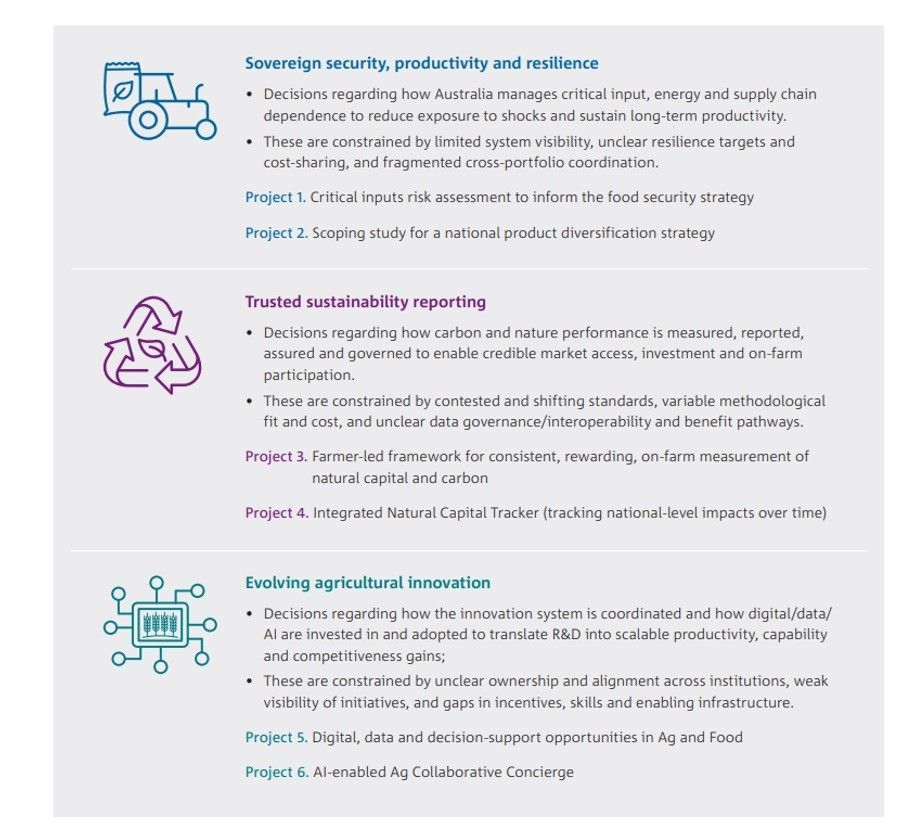
Three decision domains emerged as materially shaping Australia’s agricultural pathways, with participants identifying six projects that could reduce uncertainty in near-term decisions.
Access the full Discussion Paper here.
NEWS
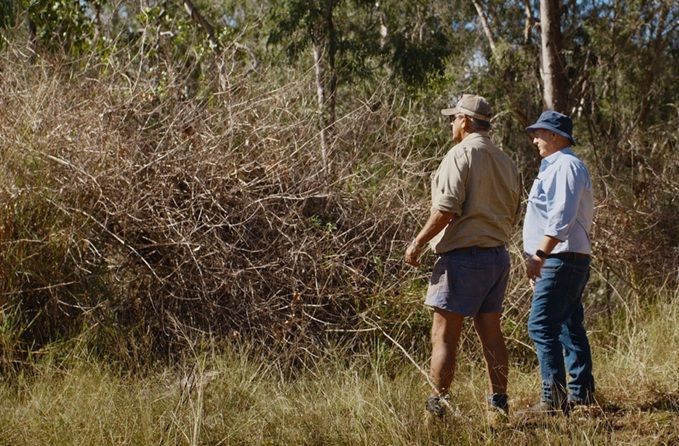
Invasive woody weeds steal your pasture. Method helps you take it back.
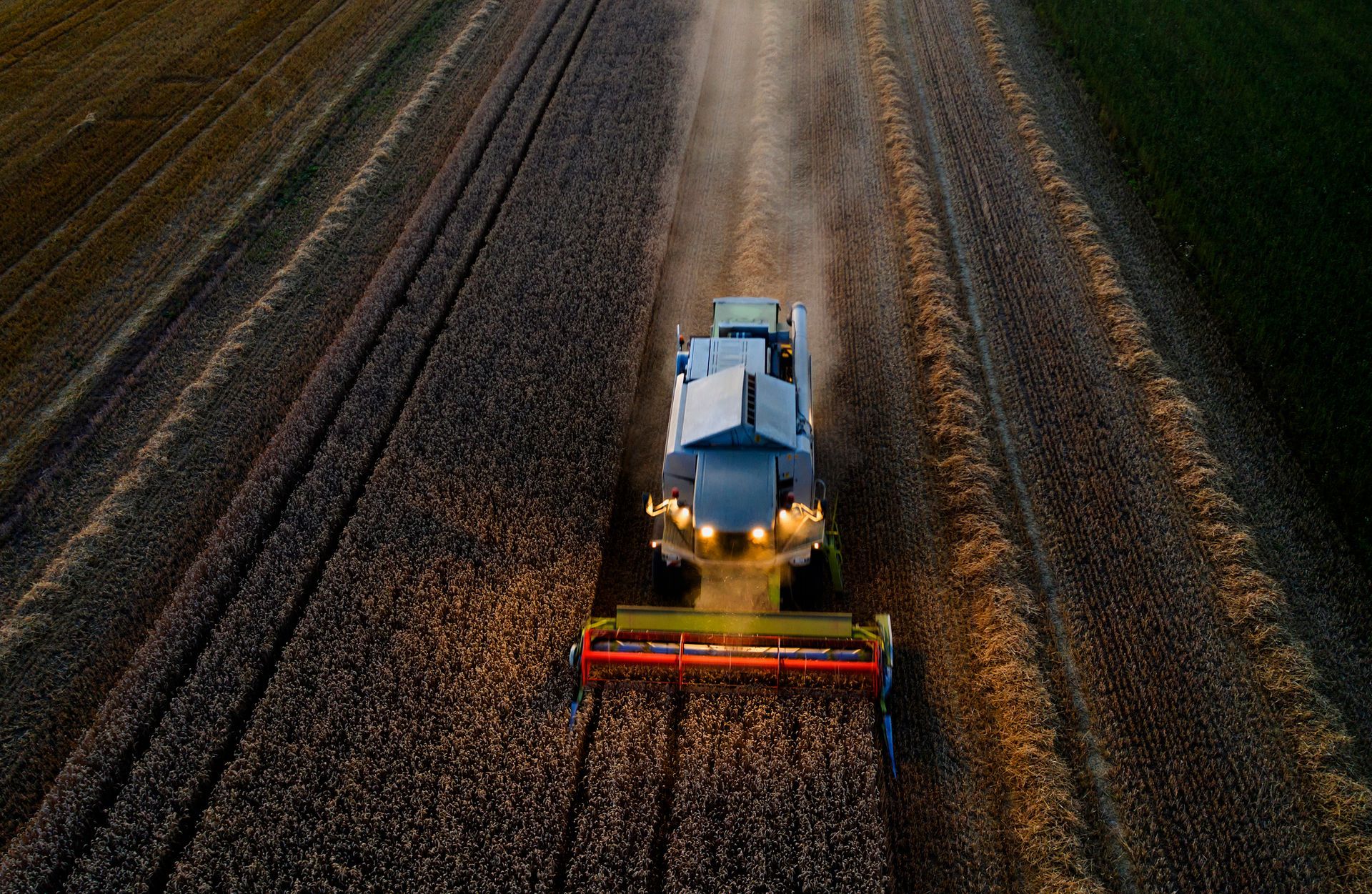
High-precision GNSS has typically been too costly and complex for all but the most critical agricultural operations, but recent RTK GNSS innovations have made centimetre accuracy scalable to all applications in Ag-Tech.

Every Aussie farmer knows that the difference between a “good” crop and a “record-breaking” one often come down to the smallest details. At BioFlora, we’ve spent years perfecting the balance of plant nutrition, and the result is IsoGreen – our powerhouse liquid formula designed to push your yields and crop taste to their absolute peak.
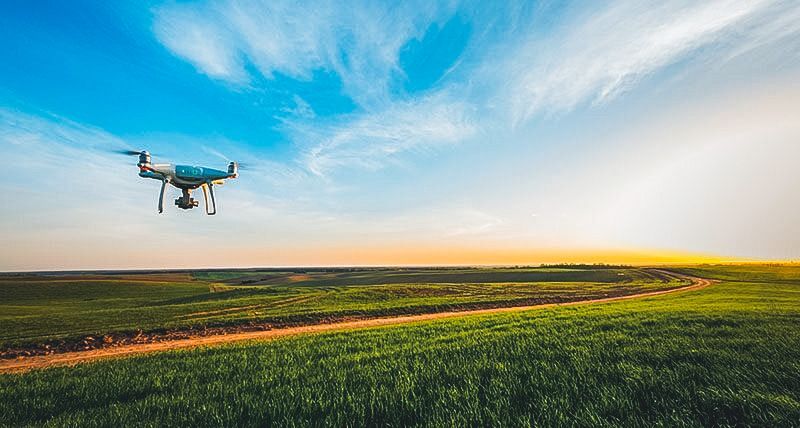
Plant, spray and harvest with confidence using reliable centimetre level positioning. Hexagon SmartNet provides fast, accurate RTK corrections across Australia to reduce overlaps, lower input costs and maximise productivity. With no base station required, simply connect, get a fix and get to work.

Built for the demand of Aussie farmers. Designed for every day performance.
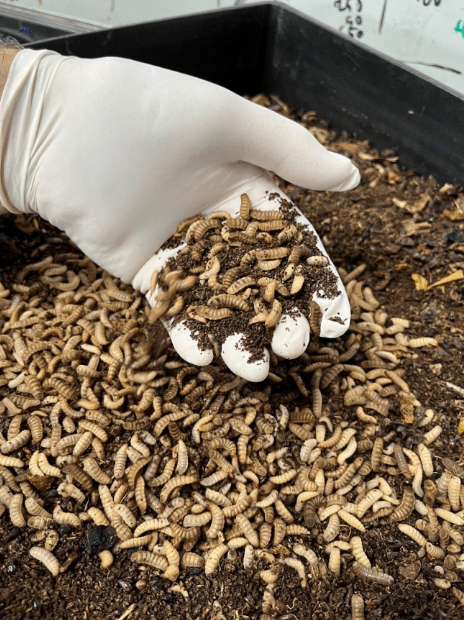
They’re wriggly black grubs more commonly tossed to backyard hens than served at the dinner table, but black soldier fly larvae could soon play a key role in building a more sustainable food system, according to new research from Adelaide University.