David Waller is Professor of Marketing at University of Technology Sydney. He has previously worked at University of Newcastle and Charles Sturt University, Wagga Wagga.
Bringing Your “A” Game to Agricultural Marketing
David Waller
In a time of market and global economic change, farmers and agricultural marketers can use this simple marketing framework to help understand the marketing process, build stronger customer relationships, and guide marketing decisions.
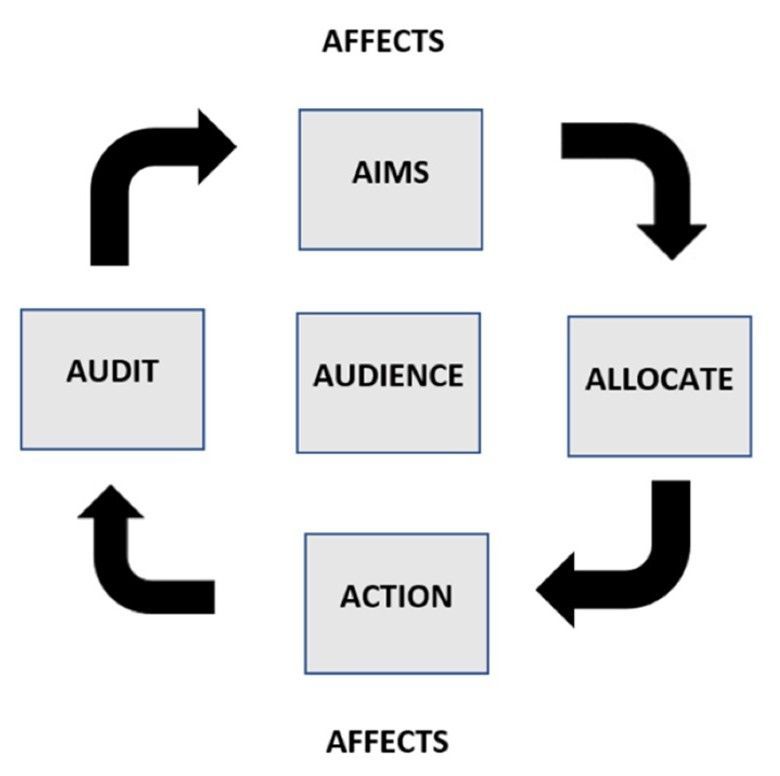
Identifying “A”s in the marketing management model
For many farmers, marketing can seem secondary to the day-to-day demands of production. Yet in an increasingly competitive and changing marketplace, successful farming and agricultural businesses need more than quality products to be successful.
They need a clear understanding of who they are selling to, what customers value, and how to understand the marketing process to build profitable relationships over time.
One simple way to think about agricultural marketing is through the “A” Framework of Marketing Management. The framework provides a practical and easy-to-remember approach for planning, implementing and reviewing marketing activities while keeping the customer at the centre of decision-making.
The Customer Comes First
To begin, at the heart of the framework, as with marketing, is the Audience. Generally, the audience is the customer, and so marketers become ‘customer-centric’ in their decision making. What is it that customers want? How can we provide a product that will make our customer happy, and wanting to return to buy more?
However, for farmers, the audience can be quite complex as it is more than the final consumer of their product. While the final consumer is extremely important, the role of customer can include wholesalers, retailers, processors, exporters, restaurants, supermarkets, as well as consumers purchasing directly from producers.
Understanding who is your ‘customer’ that buys your product and what they value is fundamental to effective marketing. The criteria for buying your product might vary depending on the customer needs. Some customers may prioritise specific product attributes, such as locally produced, premium quality, sustainability credentials, food provenance, or animal welfare standards.
Other customers may focus on price, or logistics and the reliability of supply. The better a farmer understands these expectations, the better positioned they are to market their product effectively to deliver value to their customer.
1. Audience: is the customer or the target audience is at the centre of marketer’s focus. This was discussed earlier, and as a vital part of marketing it is important to identify and understand your target market. Questions to consider include: Who buys our products? What factors influence their purchasing decisions? What problems are they trying to solve/benefits are they trying to achieve? How are their needs changing? The more clearly farmers and agri-marketers understand their audience, the better they can tailor products, distribution channels and marketing communications.
2. Aims: sets out the objectives or goals for strategy formation and planning. Every marketing-related activity should begin with clear objectives. These marketing aims could include: decisions about the marketing mix (4P’s - product, price, place and promotion), increasing sales volumes, determining the brand position and message, expanding direct-to-consumer sales or entering new export markets. Well-defined aims help guide business decisions and provide a benchmark for measuring success.
3. Allocate: relates to distributing the resources by identifying activities/tactics and budget to undertake the plan. Marketing requires resources, which can involve the allocation of time, money and effort to various activities, such as branding, packaging, market research, social media and digital marketing, building customer relationships and industry events and field days. Effective resource allocation ensures marketing activities can be undertaken that supports achieving the aims.
4. Action: is the process of implementing the plan once the plan has been developed. This may involve ensuring sufficient quantities of the product are reaching where it is intended to be, launching a new product range, establishing an online sales platform, attending and selling at field days, trade/agricultural shows, or strengthening relationships with supply chain partners. Marketing plans only create value when they are put into practice and achieve the set aims.
5. Audit: involves conducting some research to monitor if the aims were met. It is important to continually review your performance. This means monitoring outcomes such as sales growth, customer feedback, market trends, website traffic, and return on marketing investment. Regular audits help determine whether marketing activities are achieving their intended aims and identify opportunities for improvement.
6. Affects are the factors in the society or the marketing environment which have an influence on the planned marketing activities. Possibly more than most industries, agriculture operates in an environment shaped by factors beyond the farmer’s direct control. These external influences include: weather events – rains, droughts and floods, commodity price fluctuations, input costs, technological developments, trade agreements, Government regulations and changing consumer preferences. These factors affect every stage of the marketing process and must be considered when setting aims, allocating resources, and while plans are in action.
A Continuous Process
While traditional marketing models suggest a straightforward, linear sequence of planning and implementation, this “A” framework is an ongoing cycle, which can be helpful when understanding agricultural marketing.
Information gathered through audits helps set future aims for the next time period. Changes in customer/audience expectations influence product development, plus the external marketing environment which affects how you market your product requires continual review and adjustment.
An insight that emerged from this framework is that the process can be simplified into three overarching principles: (1) Know your market (Audience); (2) Create and deliver value (Aims, Allocate, Action); and (3) Adapt and improve (Audit, Affects)
This means that the most successful businesses are not necessarily those with the largest marketing budgets - they are the businesses that consistently listen to customers, respond to changing conditions and continually refine their marketing activities. Further, the most successful agricultural businesses don't simply grow crops or raise livestock - they are the ones that cultivate markets, customer relationships, and trust. Finally, in marketing, success often comes from getting the basics right and consistently bringing your A game.

NEWS

Invasive woody weeds steal your pasture. Method helps you take it back.
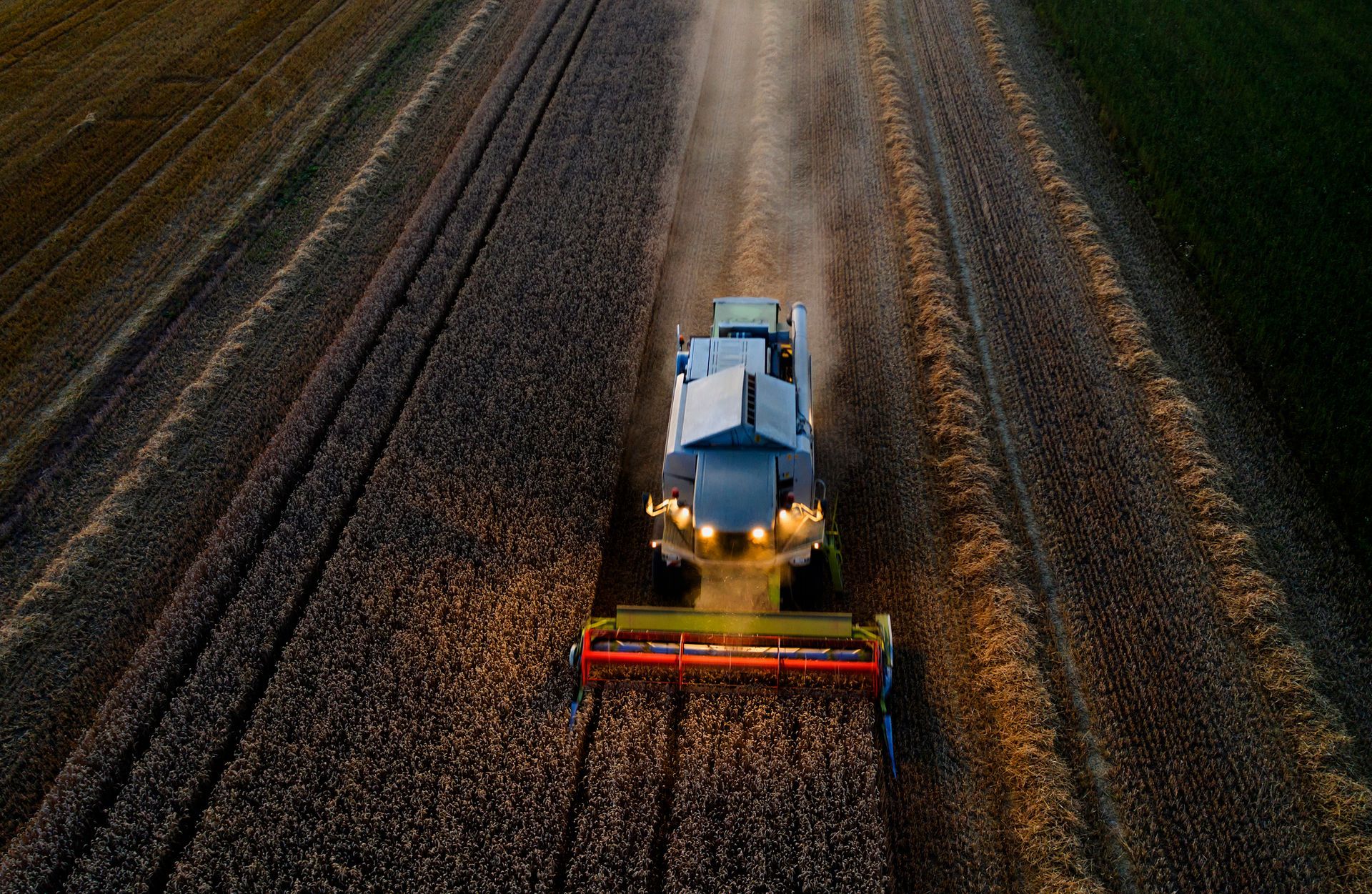
High-precision GNSS has typically been too costly and complex for all but the most critical agricultural operations, but recent RTK GNSS innovations have made centimetre accuracy scalable to all applications in Ag-Tech.
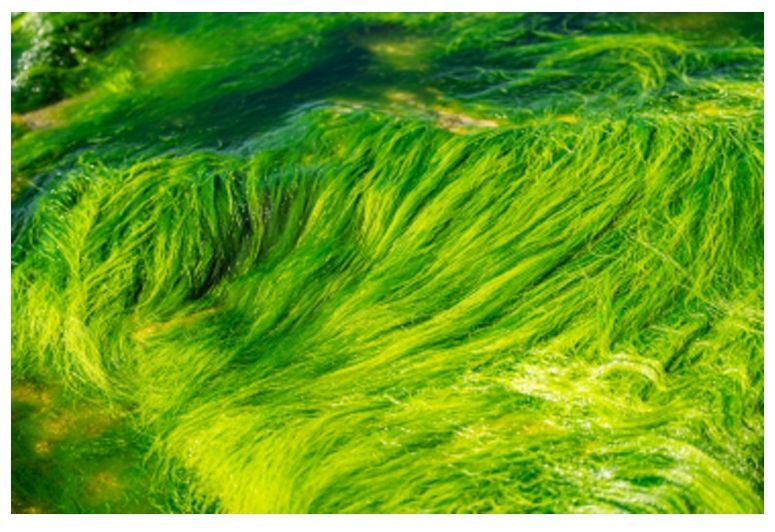
Every Aussie farmer knows that the difference between a “good” crop and a “record-breaking” one often come down to the smallest details. At BioFlora, we’ve spent years perfecting the balance of plant nutrition, and the result is IsoGreen – our powerhouse liquid formula designed to push your yields and crop taste to their absolute peak.

Plant, spray and harvest with confidence using reliable centimetre level positioning. Hexagon SmartNet provides fast, accurate RTK corrections across Australia to reduce overlaps, lower input costs and maximise productivity. With no base station required, simply connect, get a fix and get to work.

Built for the demand of Aussie farmers. Designed for every day performance.
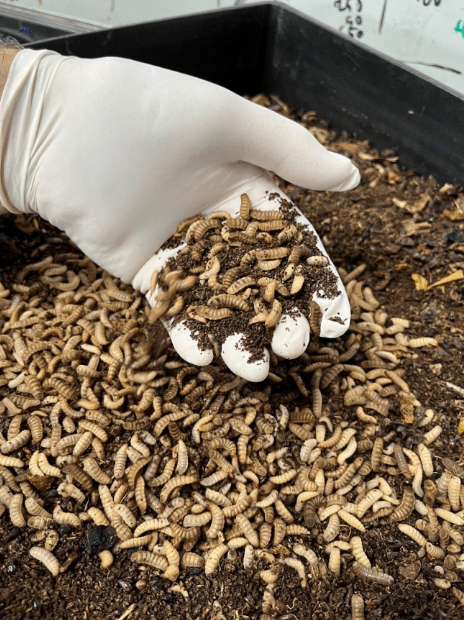
They’re wriggly black grubs more commonly tossed to backyard hens than served at the dinner table, but black soldier fly larvae could soon play a key role in building a more sustainable food system, according to new research from Adelaide University.