



























































1MG FlippingBooks
Ancient farming, modern lessons: adapting Australian agriculture to climate change
Dr. Gintarė Bidlauskienė
A recent study published in the international science journal Scientific Reports explores how pre-industrial communities in north-eastern Europe adapted their farming strategies in response to climatic shifts over the past two millennia. The research highlights how these early farmers mitigated risks associated with crop failures by strategically selecting and cultivating buffer crops. With climate change bringing more extreme weather conditions, including prolonged droughts and heat waves, Australian farmers could gain valuable insights from these historical strategies to enhance productivity and profitability in modern agriculture.

Agricultural Adaptation in the Face of Climate Change
Led by Professor Dr. Giedrė Motuzaitė Matuzevičiūtė of Vilnius University, the oldest and largest university in Lithuania, the study examines how climate change influenced crop choices and agricultural resilience in historical European communities. The findings reveal that as temperatures cooled during the onset of the Little Ice Age, that occurred from the early 14th century through the mid-19th century, farmers shifted from thermophilic (heat-loving) millet to more cold-resistant crops like buckwheat and rye.
“This study shows quite vividly that due to climate change, the thermophilic millet crop, which was a staple food during the first millennium AD, was replaced by other, more cold-resistant crops such as buckwheat,” says Professor Dr. Motuzaitė Matuzevičiūtė, senior author of the study and principal investigator of the European Research Council (ERC) Consolidator Grant project called MILWAYS.
While this research focuses on European agricultural history, its findings resonate globally—especially in regions like Australia, where farmers grapple with shifting climate patterns. The strategies used by ancient farmers to diversify crops and maintain resilience against climatic uncertainties could provide a roadmap for modern agricultural practices.
The Importance of Crop Diversification for Australian Farmers
Australia’s agricultural sector is already experiencing the effects of increased climate variability, with rising temperatures, reduced rainfall, and more frequent extreme weather events. Learning from historical agricultural adaptations could help Australian farmers future-proof their farms by incorporating more drought-tolerant and climate-resilient crops into their rotations.
Environmental scientist Dr. Michael Kempf, a contributor to the study, notes the pressing need for a rethink in global food production strategies. “Recent drying-up processes and increased risk of prolonged heatwaves and subsequent droughts are challenging our socio-political resilience and demand a rethinking of global food production strategies. Reconsidering drought-tolerant species, therefore, can help mitigate the long-term effects of current global warming,” says Dr. Kempf.
The study suggests that forgotten or underutilised crops that once played a crucial role in food security—such as millet—could become viable options in modern agricultural systems. For Australian farmers, this could mean revisiting lesser-known grain varieties that are naturally more resilient to drought and poor soil conditions. While limited amounts of sorghum and other millets are grown primarily in the Darling Downs and other areas of Queensland, ecological tolerances of a range of millets make them an attractive prospect for other areas of Australia also.
Around 20 millet species are domesticated in Eurasia and Africa and are currently cultivated around the world. Some species, such as pearl millet, can withstand extreme heat and minimal water input and are extremely nutritious for humans and animals. Unlike in temperate Europe where just one millet species could be cultivated due to the cold climate, Australia could potentially expand millet cultivation into arid zones that overwise would have not been used for agriculture. Dr. Michael Spate from La Trobe University comments: “My recent research from arid regions of India parallels the team from Vilnius University findings – during the Little Ice Age we see a resilient farming response in increased and diversified millet cultivation during periods of weaker summer rain. The environment of these regions compares well to parts of Australia and millets may play a key role in Australia’s food security”.
From European Rye to Australian Millet?
One of the key insights from the study is how climatic shifts influenced dietary staples over time. “It is due to the Little Ice Age that staple foods such as rye bread and buckwheat porridge came to dominate the cuisine of north-eastern Europeans. Warming climates might lead us back to forgotten millet crops,” says Professor Dr. Motuzaitė Matuzevičiūtė.
Where wheat, barley, and canola dominate the grain industry in Australia, could millet or other drought-tolerant crops become a more significant part of the agricultural landscape? Millet is already grown in parts of Australia, particularly in Queensland and northern New South Wales, but its potential remains largely untapped. As climate change challenges traditional farming systems, millet and other resilient crops could offer a more sustainable and profitable alternative.
A Historical Perspective on Food Security
Another intriguing aspect of the study is how agricultural choices influence food culture and long-term food security. Professor Rimvydas Laužikas, a Vilnius University historian involved in the research, explains: “Natural conditions, agriculture, and gastronomic culture have always been closely interconnected. Gastronomic culture is more inert, meaning that environmental changes first affected agriculture and only later became apparent in the kitchen. Therefore, studying these processes is essential for understanding past and contemporary societies.”
For Australian farmers, this highlights the broader implications of crop selection—not just for productivity and resilience but also for consumer preferences and food markets. With increasing interest in sustainable and climate-smart foods, farmers who invest in drought-resistant crops may find new market opportunities both domestically and internationally.
The Future of Australian Farming: Learning from the Past
While historical agricultural strategies cannot be directly transplanted into modern farming systems, they offer valuable adaptability, resilience, and diversification lessons. The study’s emphasis on shifting crop repertoires underscores the importance of being proactive rather than reactive in the face of climate change.
As Australian farmers seek ways to maintain profitability while navigating an increasingly unpredictable climate, looking to the past might provide surprising solutions. Embracing a wider variety of crops—including those suited to hotter, drier conditions—could be a key strategy for securing the future of Australian agriculture.
The complete study, The Shifting of Buffer Crop Repertoires in Pre-Industrial North-Eastern Europe, can be accessed in Scientific Reports here.
The European Union funded this research through a Consolidator Grant awarded to Professor Dr. Giedrė Motuzaitė Matuzevičiūtė (ERC-CoG, MILWAYS, 101087964).
Dr. Gintarė Bidlauskienė works at Vilnius University’s Marketing & Communication Department, specialising in science communication. She focuses on bridging research with the public through effective storytelling and engagement. Contact: gintare.bidlauskiene@cr.vu.lt.
NEWS
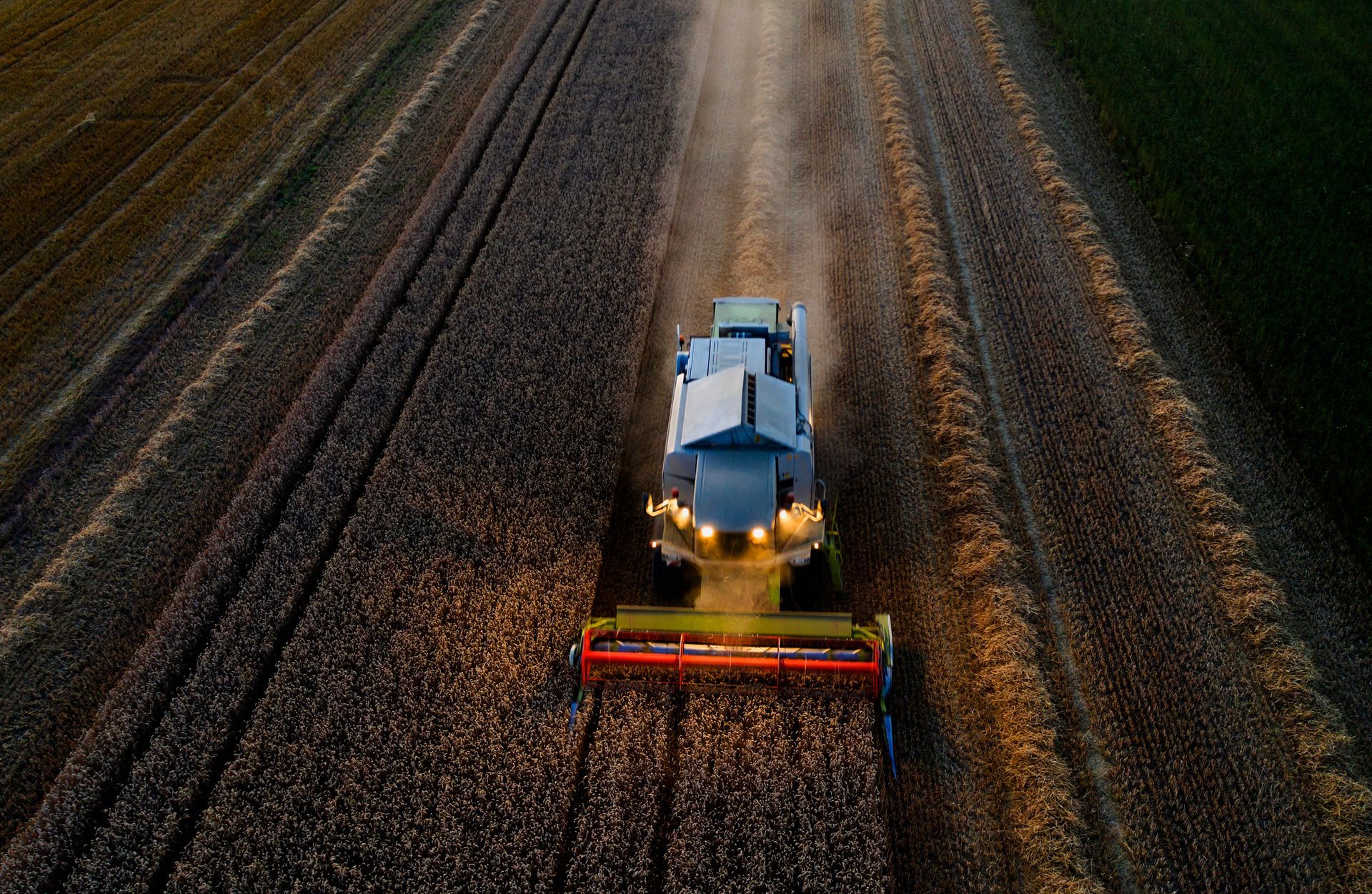
High-precision GNSS has typically been too costly and complex for all but the most critical agricultural operations, but recent RTK GNSS innovations have made centimetre accuracy scalable to all applications in Ag-Tech.
Every Aussie farmer knows that the difference between a “good” crop and a “record-breaking” one often come down to the smallest details. At BioFlora, we’ve spent years perfecting the balance of plant nutrition, and the result is IsoGreen – our powerhouse liquid formula designed to push your yields and crop taste to their absolute peak.
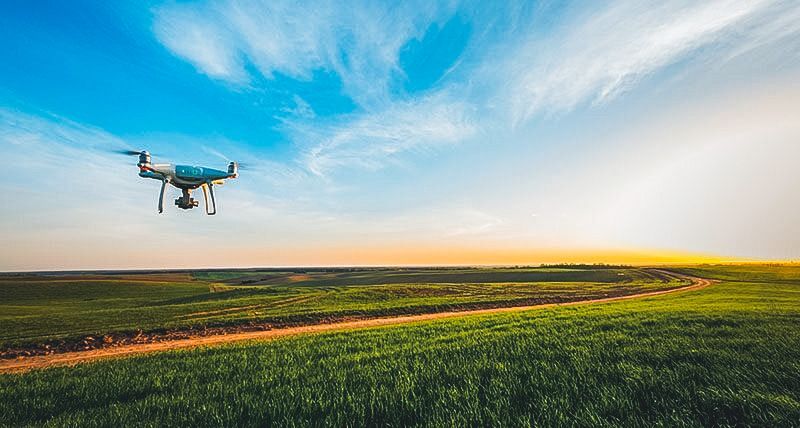
Plant, spray and harvest with confidence using reliable centimetre level positioning. Hexagon SmartNet provides fast, accurate RTK corrections across Australia to reduce overlaps, lower input costs and maximise productivity. With no base station required, simply connect, get a fix and get to work.

Built for the demand of Aussie farmers. Designed for every day performance.
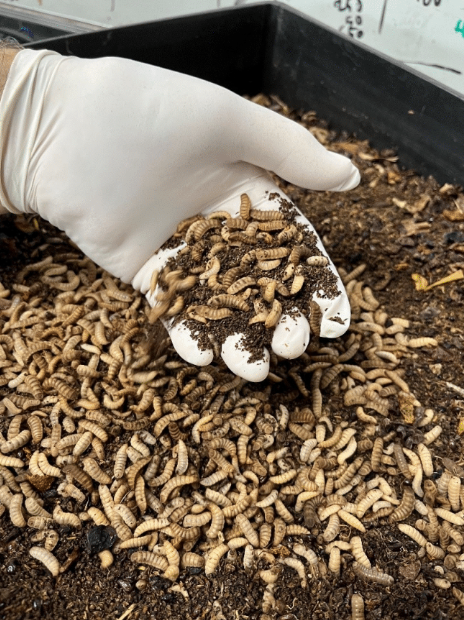
They’re wriggly black grubs more commonly tossed to backyard hens than served at the dinner table, but black soldier fly larvae could soon play a key role in building a more sustainable food system, according to new research from Adelaide University.
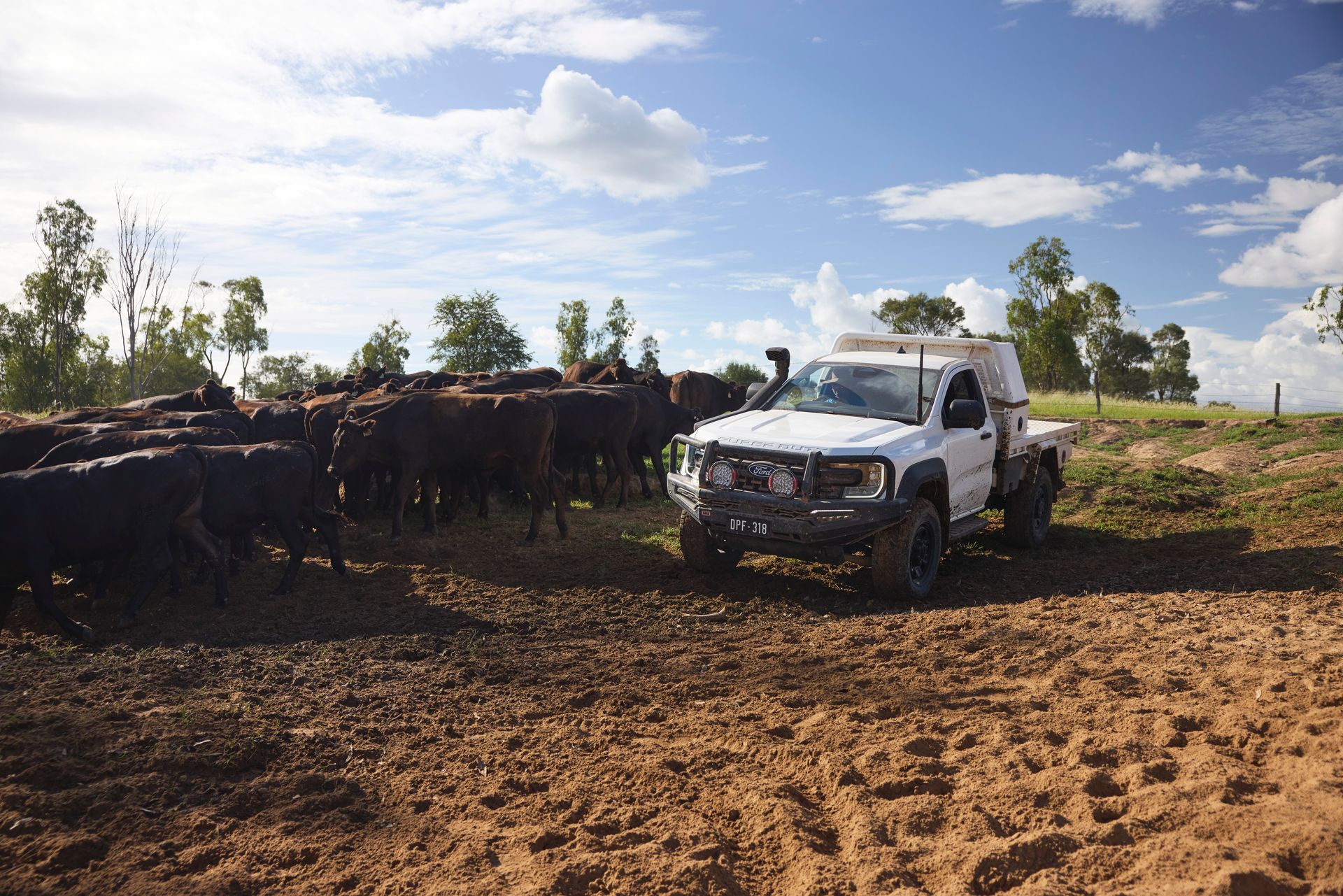
After four years of customer research and 500,000 test kilometres, Ford says the Ranger Super Duty brings farmer-driven customisation into the factory, with more towing, payload, and durability built in.