Michael Crowley is Managing Director of Meat & Livestock Australia since May 2024
Expert insights from the top
Michael Crowley
Following from another record year for beef production and exports, we anticipate opportunities for Australian beef to continue into 2025, especially in markets like the US which is in a cattle herd rebuild and was our number one export destination for beef in 2024.
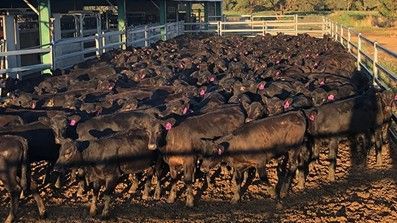
A smaller American herd also means improved competitiveness access for our beef in other major markets like Japan, Korea, and China. With our own cattle herd reaching maturity, Australia is in a position to capitalise on this global demand.
A focus on improving fertility, improving animal growth rates, optimising turn-off weights, and striving for improved carcase quality is key for producers to look to next year. When considering appropriate turn-off weights and how long to fatten their cattle, producers should consider the cost benefit of continuing to feed animals and the end price received for the animal to evaluate if continuing to feed is cost-effective. Often the sweet spot on a feeder grid or a processor grid is not producing the heaviest animal. The price differential is often for the most optimum animal delivered within the specifications.
With strong domestic market demand and such a robust export market available outlook in 2025, producers should be aware of market specifications. The best way to understand market specifications and the most cost-effective marketing options for your beef enterprise is by being well informed. Use market intelligence available through the National Livestock Reporting Service (NLRS), access past carcase feedback from your supply chain partners or through MyFeedback in order to implement a continuous improvement system by responding to short-and long-term price and market signals.

NEWS
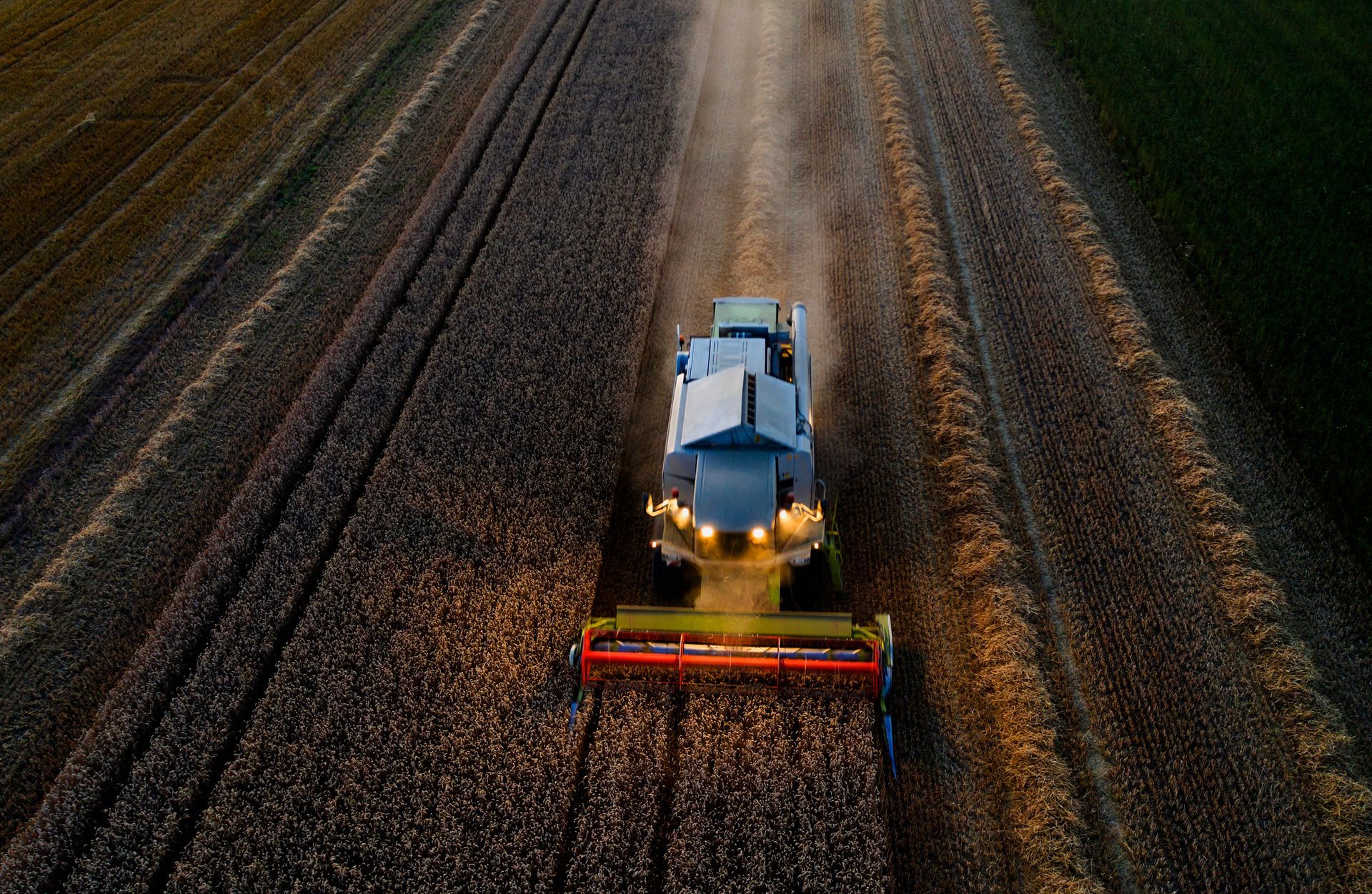
High-precision GNSS has typically been too costly and complex for all but the most critical agricultural operations, but recent RTK GNSS innovations have made centimetre accuracy scalable to all applications in Ag-Tech.
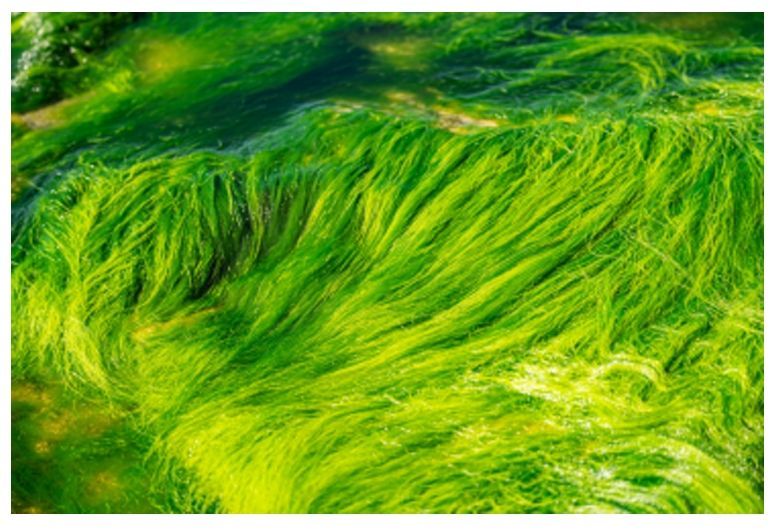
Every Aussie farmer knows that the difference between a “good” crop and a “record-breaking” one often come down to the smallest details. At BioFlora, we’ve spent years perfecting the balance of plant nutrition, and the result is IsoGreen – our powerhouse liquid formula designed to push your yields and crop taste to their absolute peak.

Plant, spray and harvest with confidence using reliable centimetre level positioning. Hexagon SmartNet provides fast, accurate RTK corrections across Australia to reduce overlaps, lower input costs and maximise productivity. With no base station required, simply connect, get a fix and get to work.

Built for the demand of Aussie farmers. Designed for every day performance.
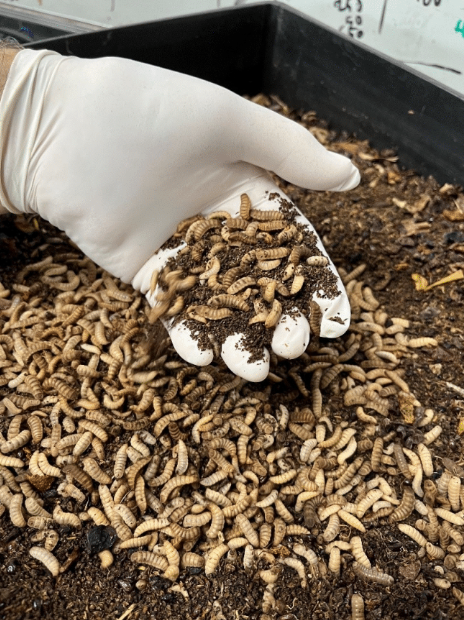
They’re wriggly black grubs more commonly tossed to backyard hens than served at the dinner table, but black soldier fly larvae could soon play a key role in building a more sustainable food system, according to new research from Adelaide University.
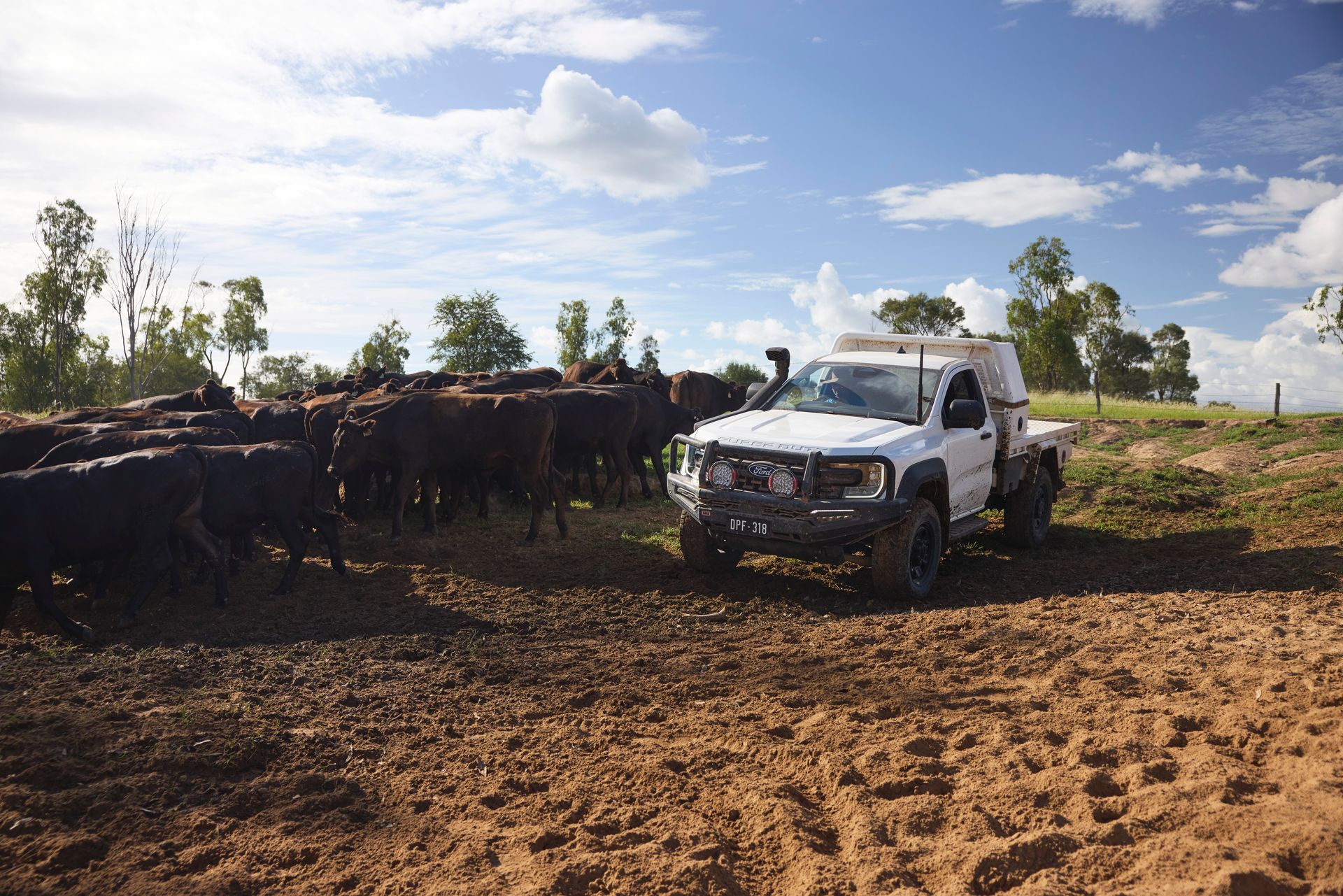
After four years of customer research and 500,000 test kilometres, Ford says the Ranger Super Duty brings farmer-driven customisation into the factory, with more towing, payload, and durability built in.