

























































1MG FlippingBooks
How global online marketplaces are helping self-taught farmers
With no farming experience when she started out, a farmer in regional NSW turns to global online shopping marketplaces for DIY supplies to manage her 10-acre property, from improving livestock water access to maintaining more than 20 chicken pens.
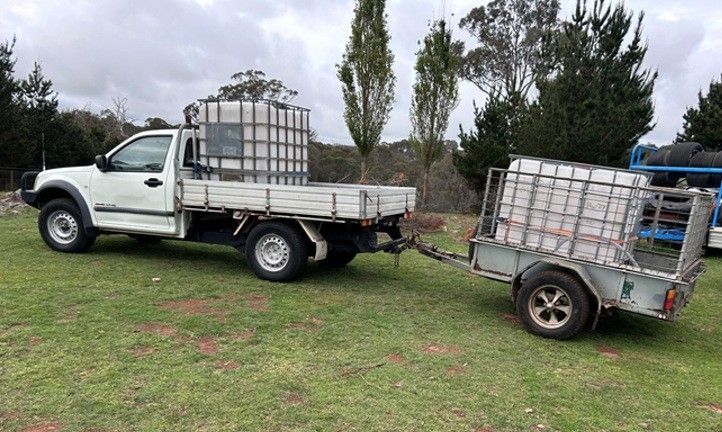
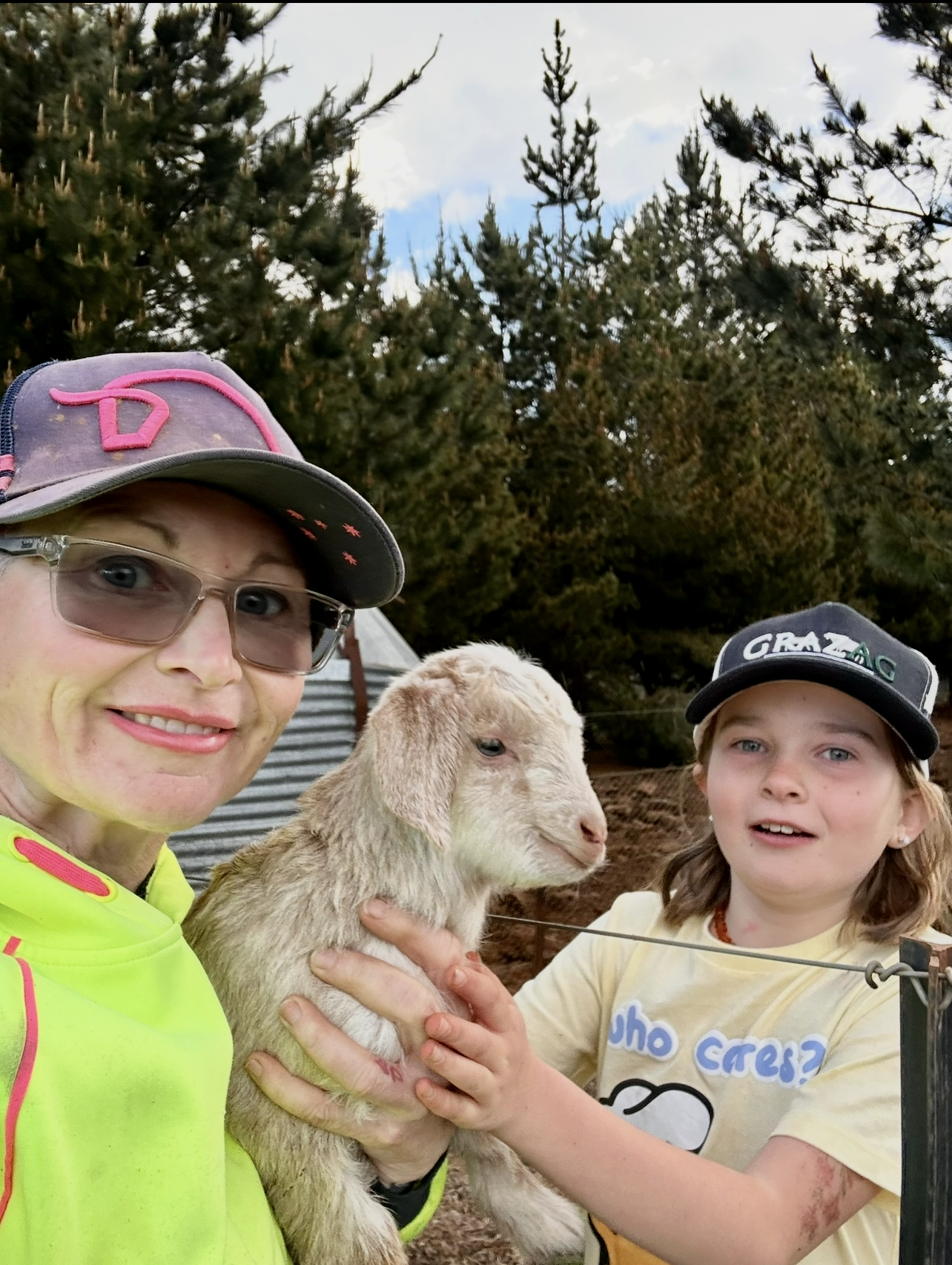
Tamworth farmer Tarra Murray runs a 10-acre property while balancing her work as a family support caseworker with raising her daughter. With a range of farm maintenance tasks to manage, she often finds ways to build, repair and adapt equipment herself.
One recurring challenge is keeping her livestock supplied with water. With the neighbouring dam unreliable, she has had to make two to three trips a week to collect water, each taking one to two hours.
For farmers in regional Australia, keeping a farm running can be challenging when services and supplies are far away. Rural Aid’s 2026 report found that 38 per cent of surveyed farmers faced barriers to accessing services, with limited availability being one contributing factor. In Tarra’s case, the nearest major hardware store is a 105 kilometres round trip away, making it time-consuming to source supplies for repairs and DIY projects.
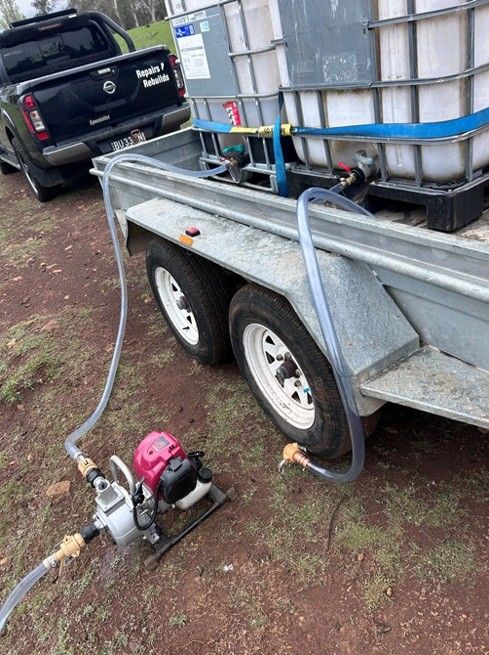
To overcome this, Tarra has turned to global online shopping marketplaces to source fittings and joiners needed to link additional water tanks to her existing water trailer setup. Using components purchased through Temu, for example, she connected two additional 1,000 litre IBC tanks to the existing setup on her water trailer, bringing its total capacity to around 4,000 litres.
“Temu has made it easier for me to find what I need to keep the farm running.” Tarra says it cost around $40 to connect the additional tanks, citing “price” and “availability” as what first drew her to the platform.
The added capacity has allowed Tarra to reduce her livestock water runs from two to three times a week to once a week, saving one to two hours per trip and freeing up time for other responsibilities. For rural farmers like Tarra, online marketplaces offers another way to access the supplies they need to manage their properties, helping address some of the practical challenges of farming in remote locations.
Learning to build a farm from scratch
Tarra, who grew up around horses in the Scottish Highlands, had no farming experience before moving onto her property near Guyra, which is located in the New England high country. She began by rescuing a Clydesdale horse and gradually built a farm of her own, learning to care for a growing range of animals and maintain the property through DIY projects, including upgrading her water trailer with components sourced from online market places.
Today, she cares for Highland cattle, Clydesdale and Shire horses, pigs, goats, chickens, and eight dogs while working as a family support caseworker. Much of her knowledge has come from figuring things out as she goes. “Google is my best friend,” she says.
That same approach shapes how she maintains the farm. Rather than relying on ready-made solutions for every task, Tarra sources individual components through online marketplaces platforms to adapt and repair equipment around the property.
DIY solutions for everyday farm needs
Beyond the water trailer, Tarra likewise uses supplies and components sourced from online marketplaces to maintain the chicken pens and equipment that are essential to running her farm. She maintains around 20 to 22 pens for different varieties, each requiring equipment and regular upkeep.
“Mostly the chooks, like all the drinkers and waters and stuff,” she says. “I use materials like the PVC pipe for each of the fabric pens.”
Through online marketplaces, Tarra has sourced chicken drinkers, waterers, plastic houses, nesting boxes and fittings to adapt her pens to her needs. She has also built a water-line system that allows her to administer worming treatments through the chickens’ drinking water, making routine care easier to manage.
The platform has also helped with other farm repairs. After a cold snap brought temperatures down to minus 9.2° Celsius and caused her water pump to split, she found replacement parts to get it working again.
NEWS
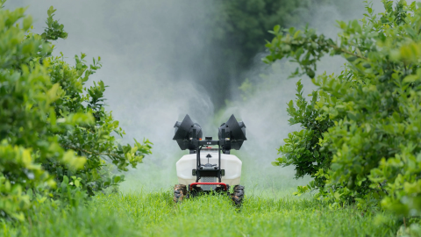
XAG Australia has launched the R200 ROVR, an autonomous electric rover for orchards, vineyards, and protected cropping. Its RevoSpray system pairs a 240 L tank with four repositionable JetSprayers delivering up to 16 L/min, with droplets adjustable from 60 to 200 microns and a swath of up to 7 metres per side. Plan once, repeat with confidence. RTK guidance and onboard RealTerra mapping plan routes along crop rows, while Repeat Mode replays them for recurring spray programs keeping operators out of the spray zone. Using the SRC 5 remote and live HD camera, operators work from outside the application area, and AI detection stops the rover if a pedestrian comes within 2 metres. Available now, backed by local delivery, operator training, servicing, parts, and warranty support.
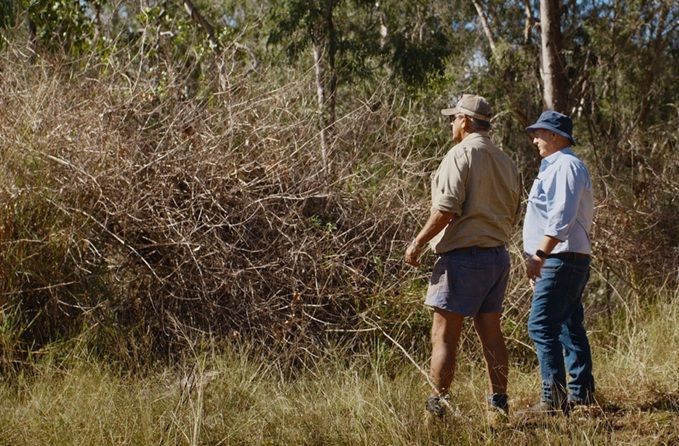
Invasive woody weeds steal your pasture. Method helps you take it back.

High-precision GNSS has typically been too costly and complex for all but the most critical agricultural operations, but recent RTK GNSS innovations have made centimetre accuracy scalable to all applications in Ag-Tech.

Every Aussie farmer knows that the difference between a “good” crop and a “record-breaking” one often come down to the smallest details. At BioFlora, we’ve spent years perfecting the balance of plant nutrition, and the result is IsoGreen – our powerhouse liquid formula designed to push your yields and crop taste to their absolute peak.

Plant, spray and harvest with confidence using reliable centimetre level positioning. Hexagon SmartNet provides fast, accurate RTK corrections across Australia to reduce overlaps, lower input costs and maximise productivity. With no base station required, simply connect, get a fix and get to work.

Built for the demand of Aussie farmers. Designed for every day performance.