
























































1MG FlippingBooks
Machine learning and connectivity the next challenges for agtech: Microsoft Australia interview
Website Editor

Scientists at the University of Queensland(UQ) have developed a method to extract liquid silicate from waste glass and potentially save tens of millions of tonnes of glass from going to landfill every day.
Waste glass is currently either dumped in landfill or used as a road base, but the new glass processing method developed at UQ has the potential to find new uses for the waste glass, including as a fertiliser to benefit cotton growers. As an ultra-low cost form of extracting plant-available silica, the discovery could improve fertiliser efficiency and bring costs down for cotton farmers.
The research from UQ PhD candidate Rhys Pirie and his supervisor Professor Damien Batstone was co-funded by the Cotton Research and Development Corporation(CRDC) and the Department of Agriculture and Water Resources. Pirie was also the recipient of the ABARES Science and Innovation Award last year for his focus on repurposing organic wastes as fertilisers and soil ameliorants.
“We estimate the process is more than 50 per cent cheaper than conventional ways of producing silicate,” said Pirie. “It requires less energy, raw materials and capital, and that’s before you consider the reduced social and economic costs compared to landfilling material.”
The method developed at UQ also leaves behind minimal waste, with nearly all the glass converted into saleable products. Pirie is now considering ways in which the waste glass could be used to create a low-cost silicon-based additive to increase fertiliser efficiency.
UQ’s commercialisation arm, UniQuest, has filed a patent covering the glass processing technology and is seeking commercial partners.
NEWS
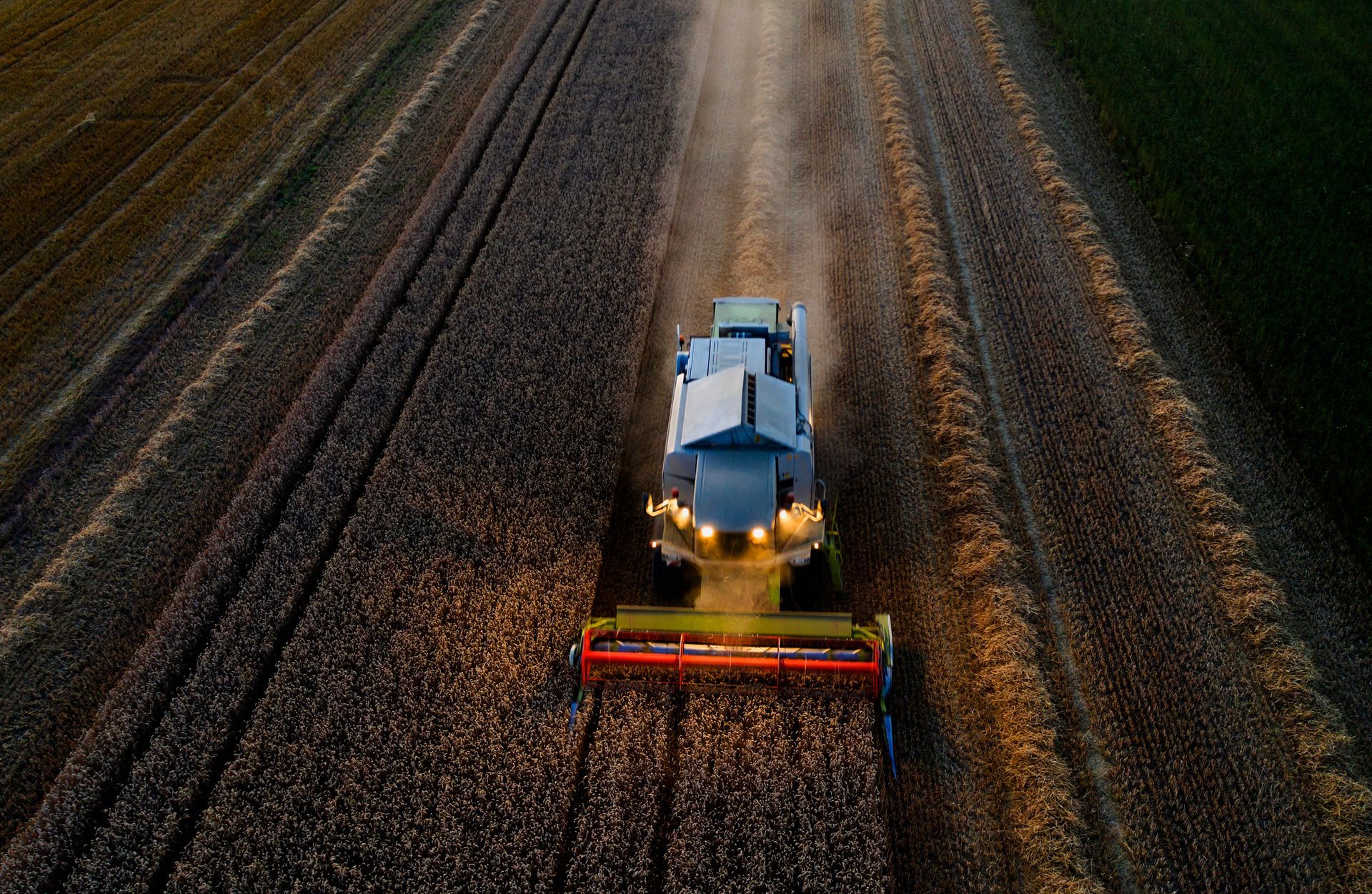
High-precision GNSS has typically been too costly and complex for all but the most critical agricultural operations, but recent RTK GNSS innovations have made centimetre accuracy scalable to all applications in Ag-Tech.
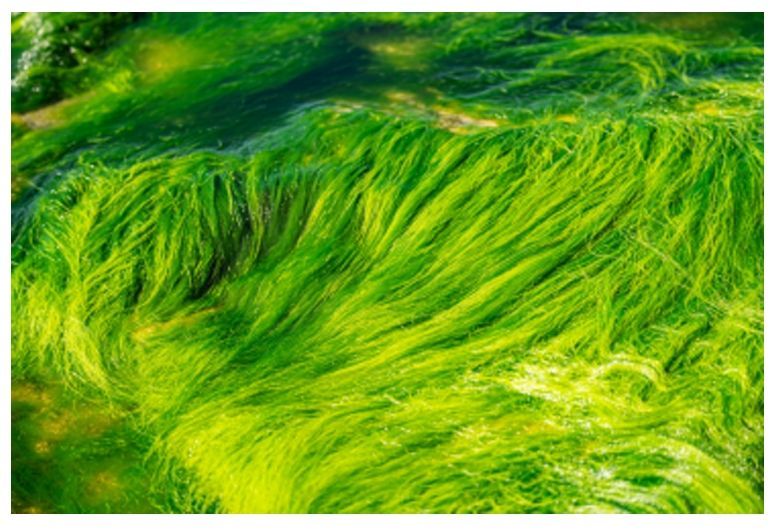
Every Aussie farmer knows that the difference between a “good” crop and a “record-breaking” one often come down to the smallest details. At BioFlora, we’ve spent years perfecting the balance of plant nutrition, and the result is IsoGreen – our powerhouse liquid formula designed to push your yields and crop taste to their absolute peak.

Plant, spray and harvest with confidence using reliable centimetre level positioning. Hexagon SmartNet provides fast, accurate RTK corrections across Australia to reduce overlaps, lower input costs and maximise productivity. With no base station required, simply connect, get a fix and get to work.

Built for the demand of Aussie farmers. Designed for every day performance.
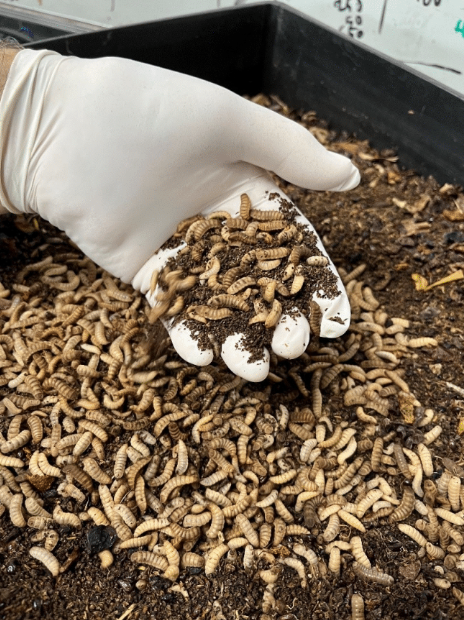
They’re wriggly black grubs more commonly tossed to backyard hens than served at the dinner table, but black soldier fly larvae could soon play a key role in building a more sustainable food system, according to new research from Adelaide University.
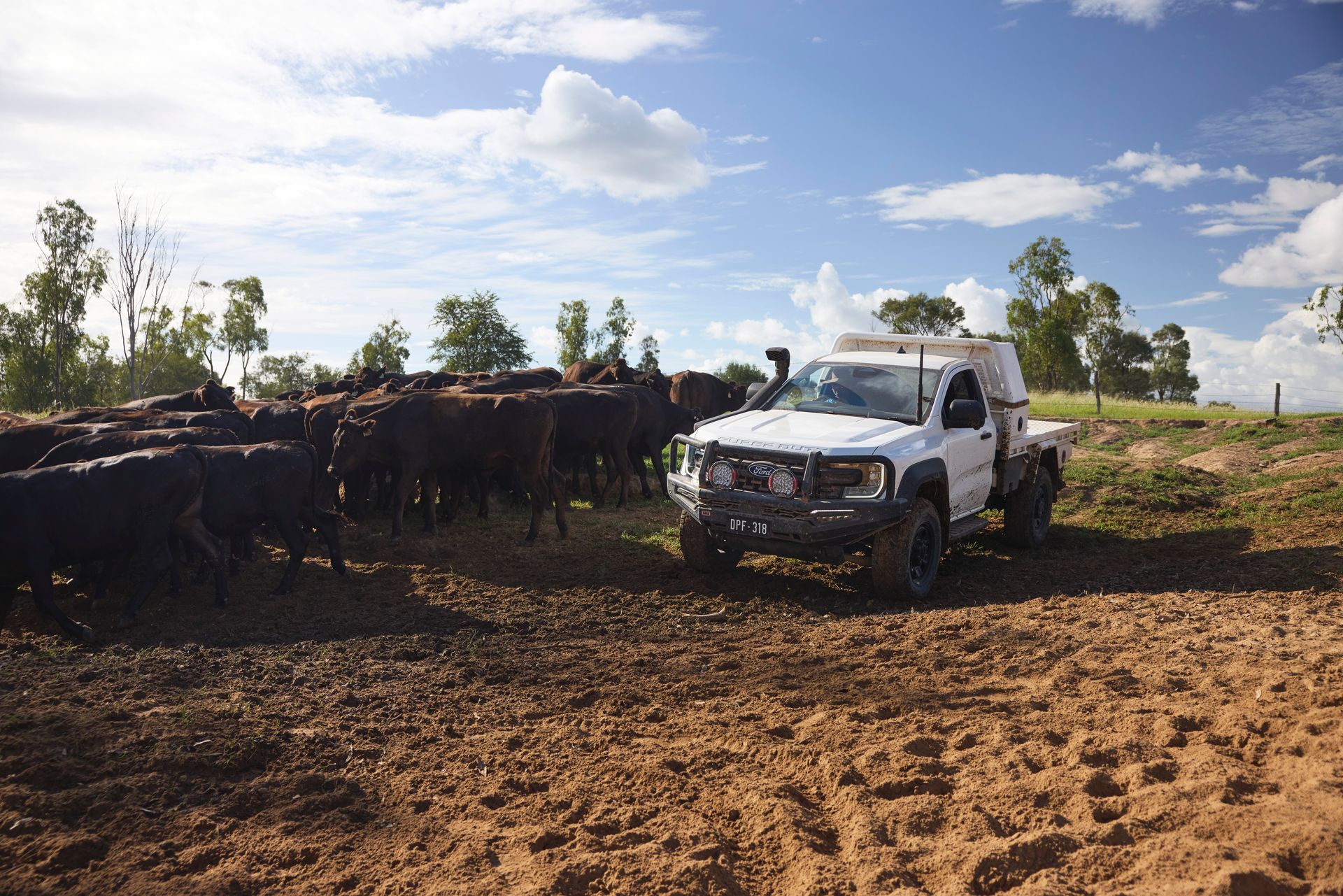
After four years of customer research and 500,000 test kilometres, Ford says the Ranger Super Duty brings farmer-driven customisation into the factory, with more towing, payload, and durability built in.