




























































1MG FlippingBooks
New plant enzyme research could save ag industry millions annually
Website Editor

Researchers from The University of Western Australia have discovered that plant enzyme ATP Synthase affects how plants respond to the cold. This discovery could help farmers protect their crops from significant weather events by producing frost-resistant crops.
Published in The New Phytologist, these findings emerge in the aftermath of record low temperatures in the WA Wheatbelt this year, which wiped out a million tonnes of wheat. As such, researchers say these findings could save the agricultural industry millions of dollars every year.
Dr Nicholas Taylor from UWA’s School of Molecular Sciences and the ARC Centre of Excellence in Plant Energy Biology(PEB) said that as the climate changes, it is becoming increasingly important to understand how plants respond to temperature.
“In our study, we observed plants in near-freezing conditions and saw there was a decrease in the production of ATP, a plant cell’s main energy currency, which led to reduced growth,” Dr Taylor said. “Based on a number of international studies it was previously thought that other components of energy production were more sensitive than this enzyme, however we were surprised to identify ATP Synthase as the culprit.”
Dr Sandra Kerbler, from UWA and the ARC Centre of Excellence in PEB said that understanding the temperature-sensitive nature of ATP Synthase will benefit the agricultural industry and help to produce frost-resistant crops by informing the science behind them.
“The research has changed previous thoughts of how plants cope with temperature stress and has highlighted new angles for investigation,” Dr Kerbler said. “A better understanding of how a plant’s energy production is altered in response to changing temperatures could inform how we breed plants that are more adaptive to climate change.”
By: Carla Wong
NEWS

High-precision GNSS has typically been too costly and complex for all but the most critical agricultural operations, but recent RTK GNSS innovations have made centimetre accuracy scalable to all applications in Ag-Tech.
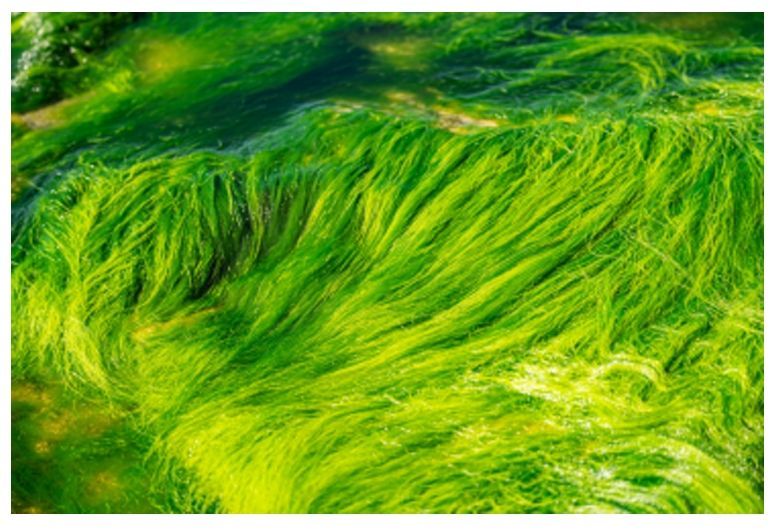
Every Aussie farmer knows that the difference between a “good” crop and a “record-breaking” one often come down to the smallest details. At BioFlora, we’ve spent years perfecting the balance of plant nutrition, and the result is IsoGreen – our powerhouse liquid formula designed to push your yields and crop taste to their absolute peak.

Plant, spray and harvest with confidence using reliable centimetre level positioning. Hexagon SmartNet provides fast, accurate RTK corrections across Australia to reduce overlaps, lower input costs and maximise productivity. With no base station required, simply connect, get a fix and get to work.

Built for the demand of Aussie farmers. Designed for every day performance.
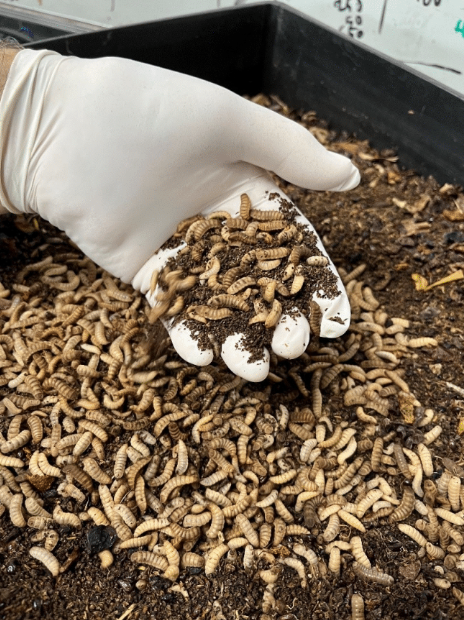
They’re wriggly black grubs more commonly tossed to backyard hens than served at the dinner table, but black soldier fly larvae could soon play a key role in building a more sustainable food system, according to new research from Adelaide University.
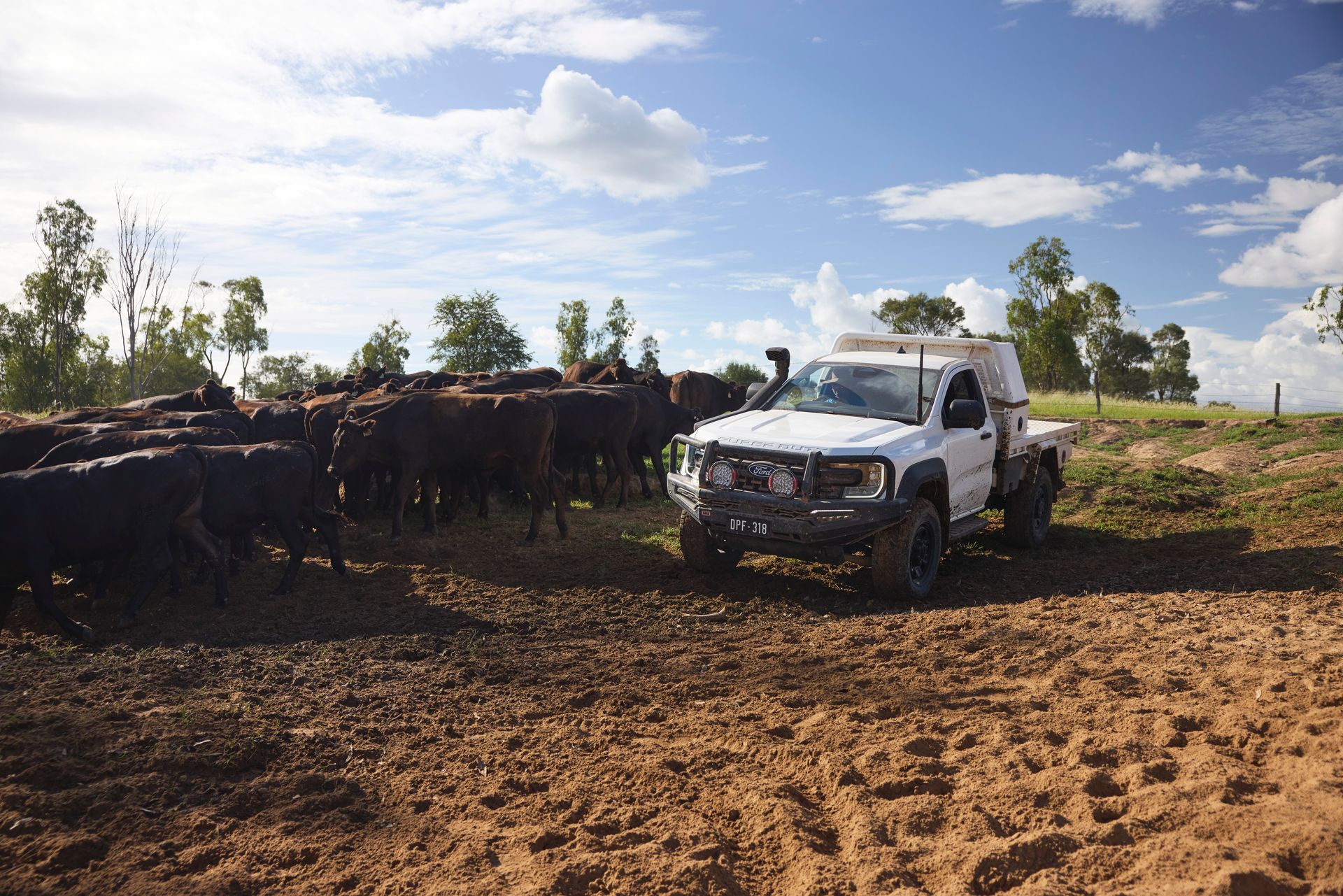
After four years of customer research and 500,000 test kilometres, Ford says the Ranger Super Duty brings farmer-driven customisation into the factory, with more towing, payload, and durability built in.