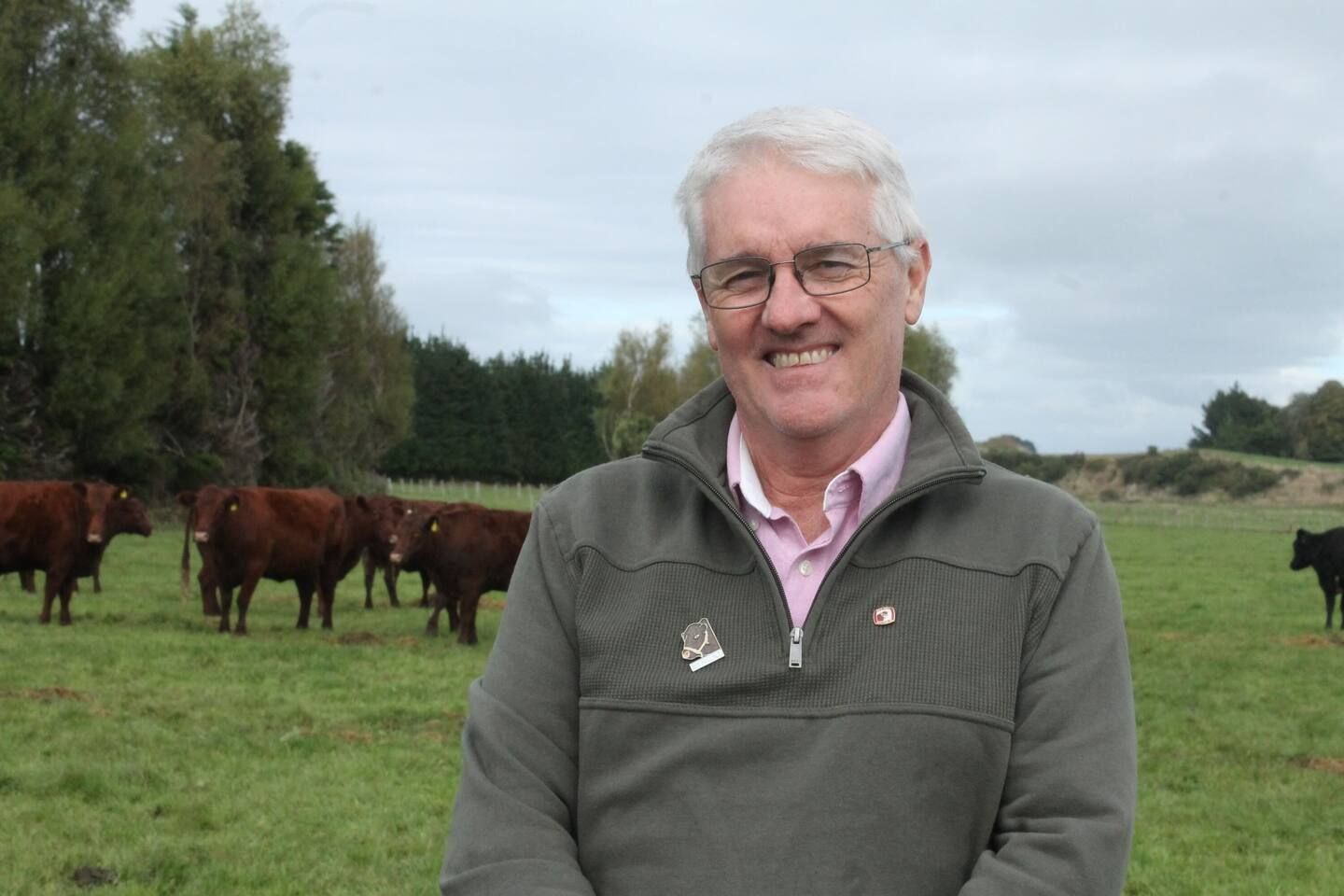
Dr. Alan Couch is President of the Australian Red Poll Cattle Breeders Inc. He obtained a PhD in Ecology from University of Canberra where he used innovative genetic approaches to understand Murray Cod dispersal. He is keen to see the preservation of genetic diversity of heritage breeds in Australian agriculture.
Reinventing the livestock breed society
Dr. Alan Couch
Modern breed societies need a new approach, new tools, and a cost effectiveness focus to be relevant to today's livestock breeders.
For many decades, centuries in some cases, the use case for a livestock breed society has been slowly changing and it is fair to say that not all breed societies have kept pace with the requirement for change. Long term endeavours such as breeding a line of agricultural livestock require significant conservatism to succeed but this also limits the innovation and technological change that can be harnessed by thoughtful and careful embracing of technology.
A modern ideal breed society must retain the core function of maintaining an accurate pedigree but to assist breeders in their efforts, pedigree databases should include details of measurable traits, especially highly heritable traits. In addition to accuracy, images, video, and marketing tools are expected in any modern useful system.
Embracing a state-of-the-art database is the first necessary step. It must be one that can easily include user entered information to reduce administrative overheads as well as the ability to record photos, videos, pedigree with verification (parent verification), understandable and verifiable performance recording, and genomic trait recording. It should be available in the paddock on a mobile device and ideally integrated with useful farm management software.
Innovative database use allows for one-off lifetime registration for animals - no longer requiring annual renewals or expensive herd inventory costs.
Performance recording and trait recording, and parent verification which eventually becomes pedigree verification, specifically provide certainty for buyers and breeders alike. Furthermore, parent verification will obviate any downstream lawsuits that can arise from unintended and unavoidable real-life management issues.
While breed societies have existed in their own silos in the past, modern marketing specifications suggest commercial breeders would be better off choosing animals with desirable traits for their circumstances rather than adhering to some fashionable breed. Of course stud breeders are still entirely necessary to provide seed stock to composite producers. For this reason a modern breed database would be optimal if it was multi-breed and available to all beef producers to identify animals with traits and performance best suited to their local conditions.
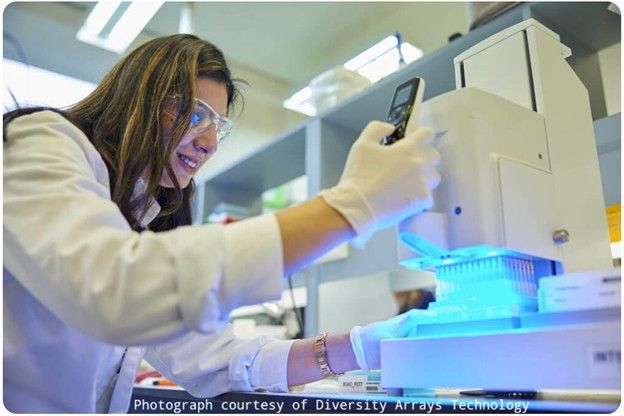
Genomic assessment too needs to become better and more cost effective for the breeder. Rather than maximising profits with the traditional charge per trait approach, we can now provide parent verification and set of traits (currently 42 and growing) for a single low cost test. We can do this because we have created application programming interface (API) links between our HerdLogic database and the highly innovative Diversity Arrays Technology laboratory that allows us to reduce administrative overheads. Furthermore, this lab provides us with exceptional analytical capabilities that promise to allow breeders to discover more relevant genes that are associated with specific traits as we see breeders record more phenotypic information.
Stud breeders from all breeds, particularly small breeds that struggle to afford expensive breed society support services, as well as beef producers with interest in innovative performance recording, modern database technology and cost effective genomic assessment1 are welcome to contact us and learn more about what and how we have made these changes. In particular, they will be interested to learn about how cost effective our new approach has been.
REF 1: www.diversityarrays.com/dartreseq-finding-the-needle-in-the-genetic-haystack/
Six Top Trends In Cattle Genetics
● Achieving sustainability and carbon neutrality goals.
● Focusing on feed efficiency for economic and environmental benefits.
● Accelerated genetic progress through artificial breeding technologies.
● Precision breeding with digital twin technology.
● Welfare-driven selection for polled genetics.
● Leveraging artificial intelligence for genetic selection.
Source: Beef 2024.
NEWS
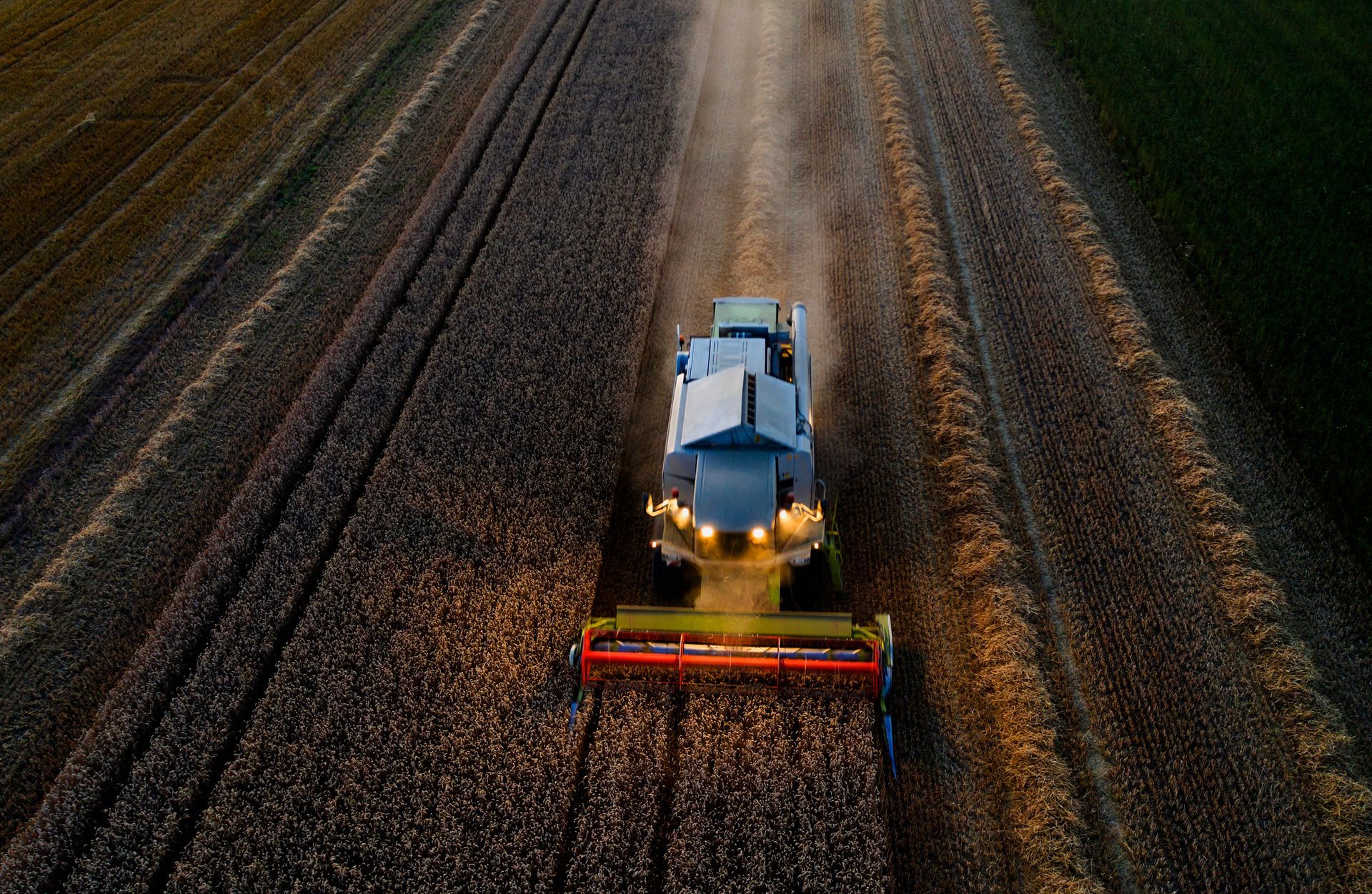
High-precision GNSS has typically been too costly and complex for all but the most critical agricultural operations, but recent RTK GNSS innovations have made centimetre accuracy scalable to all applications in Ag-Tech.
Every Aussie farmer knows that the difference between a “good” crop and a “record-breaking” one often come down to the smallest details. At BioFlora, we’ve spent years perfecting the balance of plant nutrition, and the result is IsoGreen – our powerhouse liquid formula designed to push your yields and crop taste to their absolute peak.

Plant, spray and harvest with confidence using reliable centimetre level positioning. Hexagon SmartNet provides fast, accurate RTK corrections across Australia to reduce overlaps, lower input costs and maximise productivity. With no base station required, simply connect, get a fix and get to work.
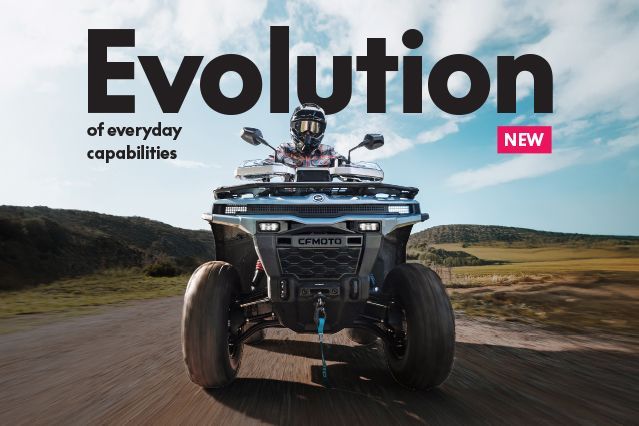
Built for the demand of Aussie farmers. Designed for every day performance.
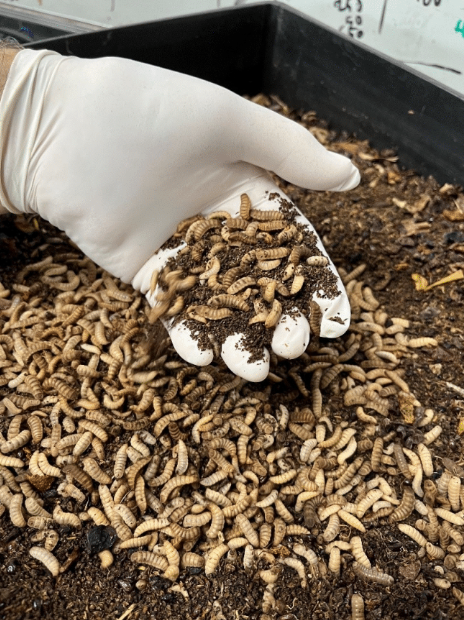
They’re wriggly black grubs more commonly tossed to backyard hens than served at the dinner table, but black soldier fly larvae could soon play a key role in building a more sustainable food system, according to new research from Adelaide University.
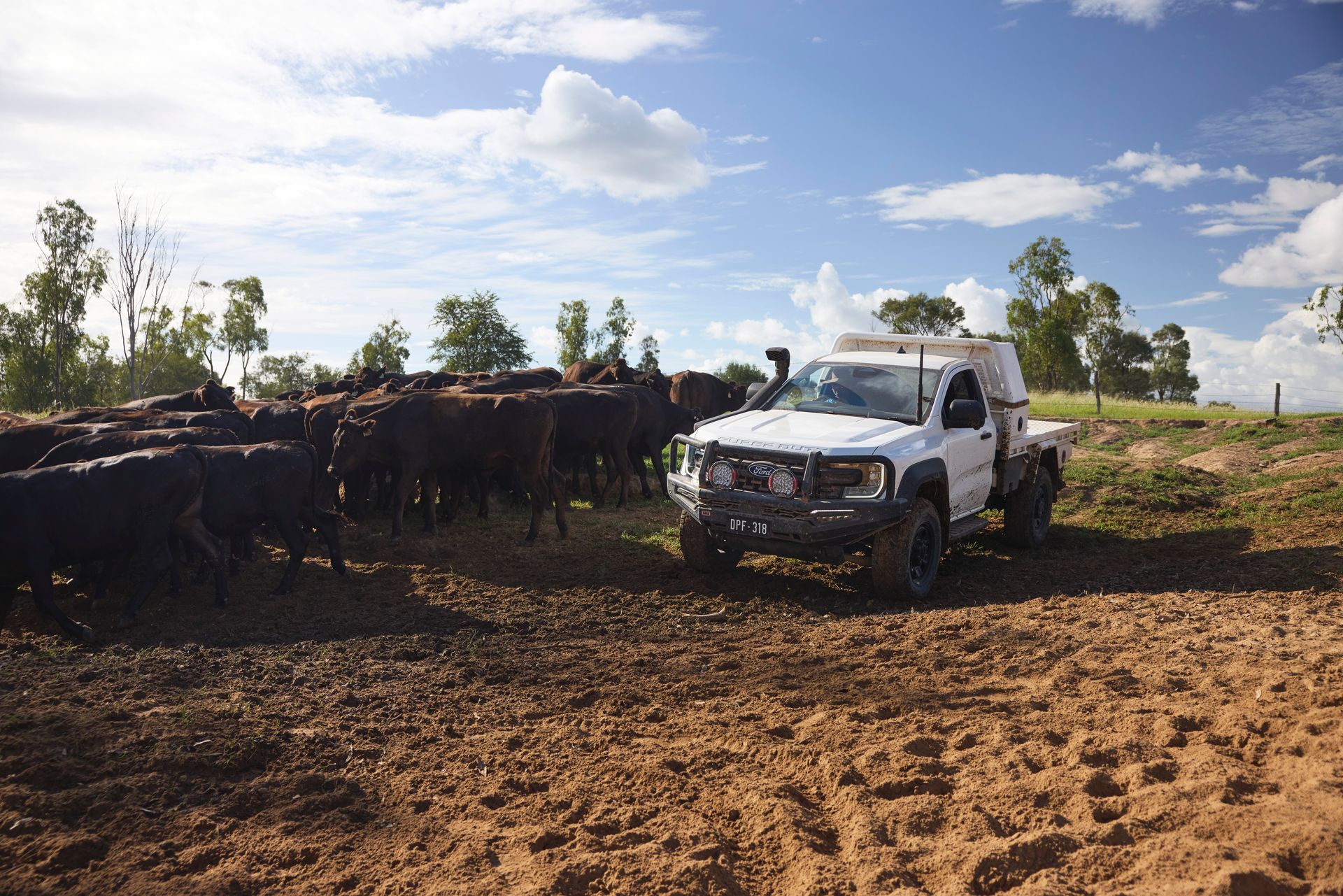
After four years of customer research and 500,000 test kilometres, Ford says the Ranger Super Duty brings farmer-driven customisation into the factory, with more towing, payload, and durability built in.