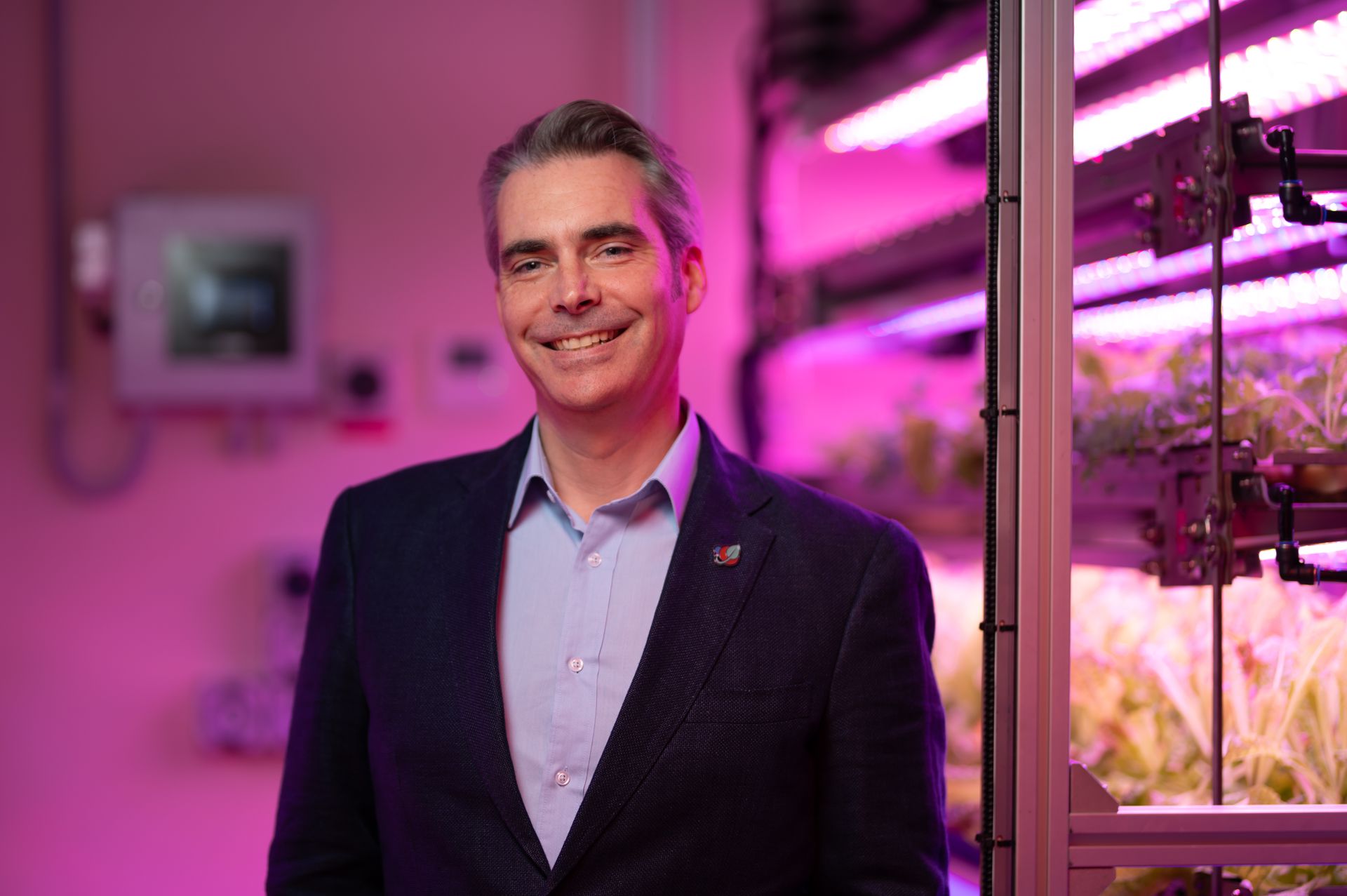
Professor Matthew Gilliham is Director, ARC Centre of Excellence in Plants for Space, Adelaide University.
The Future of Food Off-World and On: The Artemis Generation
Professor Matthew Gilliham
The lens of space habitation is driving innovation in Australian agricultural sustainability and new opportunities for bioproduction.

As NASA’s Artemis program advances from short-term orbital missions toward a sustained human presence on the Moon, biological life support systems are emerging as critical enablers of long-duration exploration. Whilst these off-planet aspirations may feel like a world away for the everyday Australian, they are providing us with the opportunity to accelerate research that will advance sustainable production here on Earth.
Some time ago, I wrote here about Australia’s potential to lead in high-value sustainable agricultural production while helping to deliver critical space exploration milestones on the global stage. I am pleased to share that the intersection of space and agriculture continues to grow and propel Australian-led impact forward.
“In this new Artemis era, Australia is stepping up as a valued partner — bringing world‑class expertise, innovative technologies, and a long history of space collaboration to help NASA achieve its goals.”
- Australian Space Agency, 2026
2024 saw the establishment of the ARC Centre of Excellence in Plants for Space (P4S); a multi-disciplinary, international research consortium headquartered in Adelaide and led by Australian talent in South Australia, Victoria, and Western Australia. With over 175 members connected across plant science, nutrition, food science, engineering, psychology, and space law, we are united under a common purpose: to pave the way for off-Earth habitation while enhancing the sustainability and sovereignty of our local food and biomanufacturing sectors.
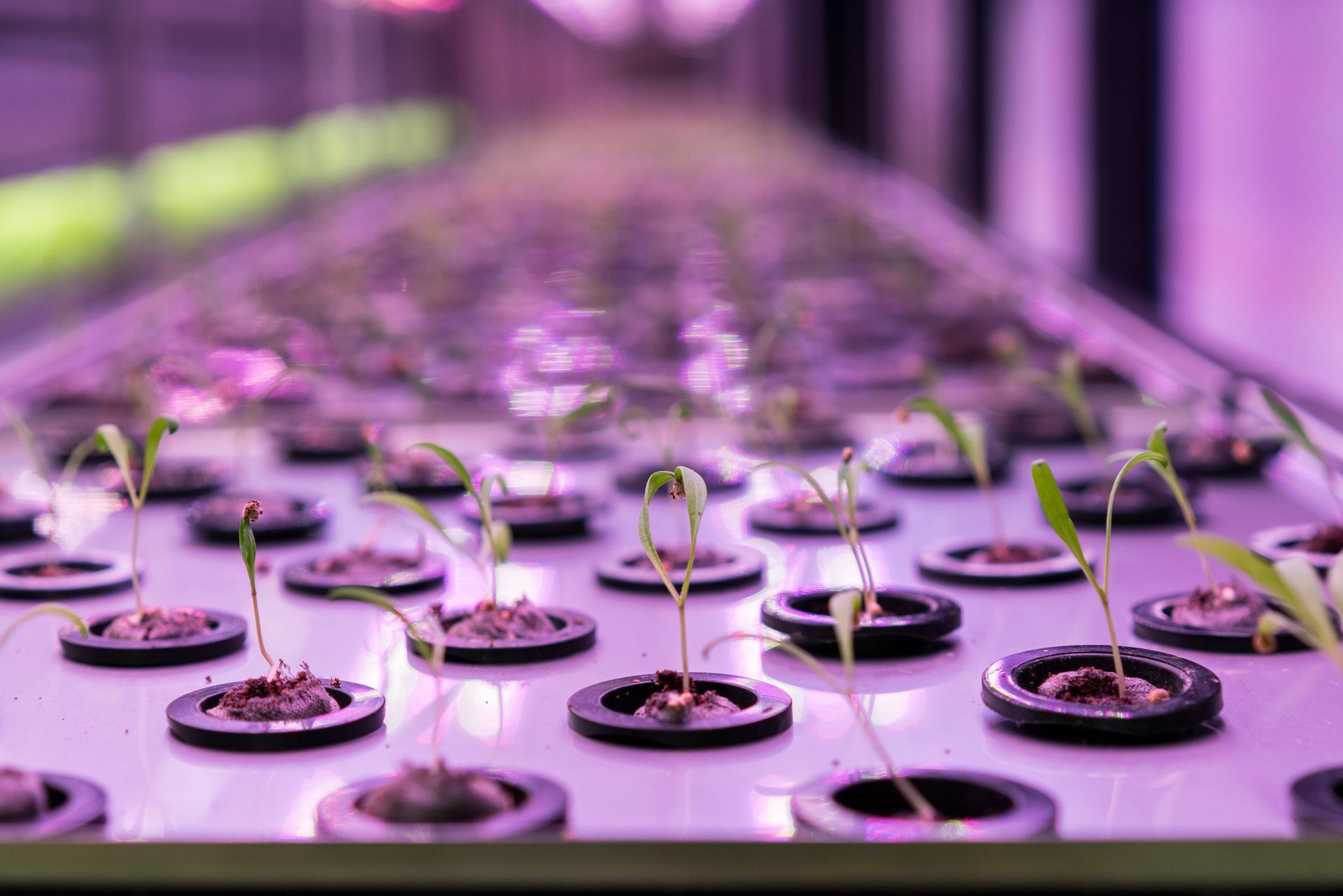
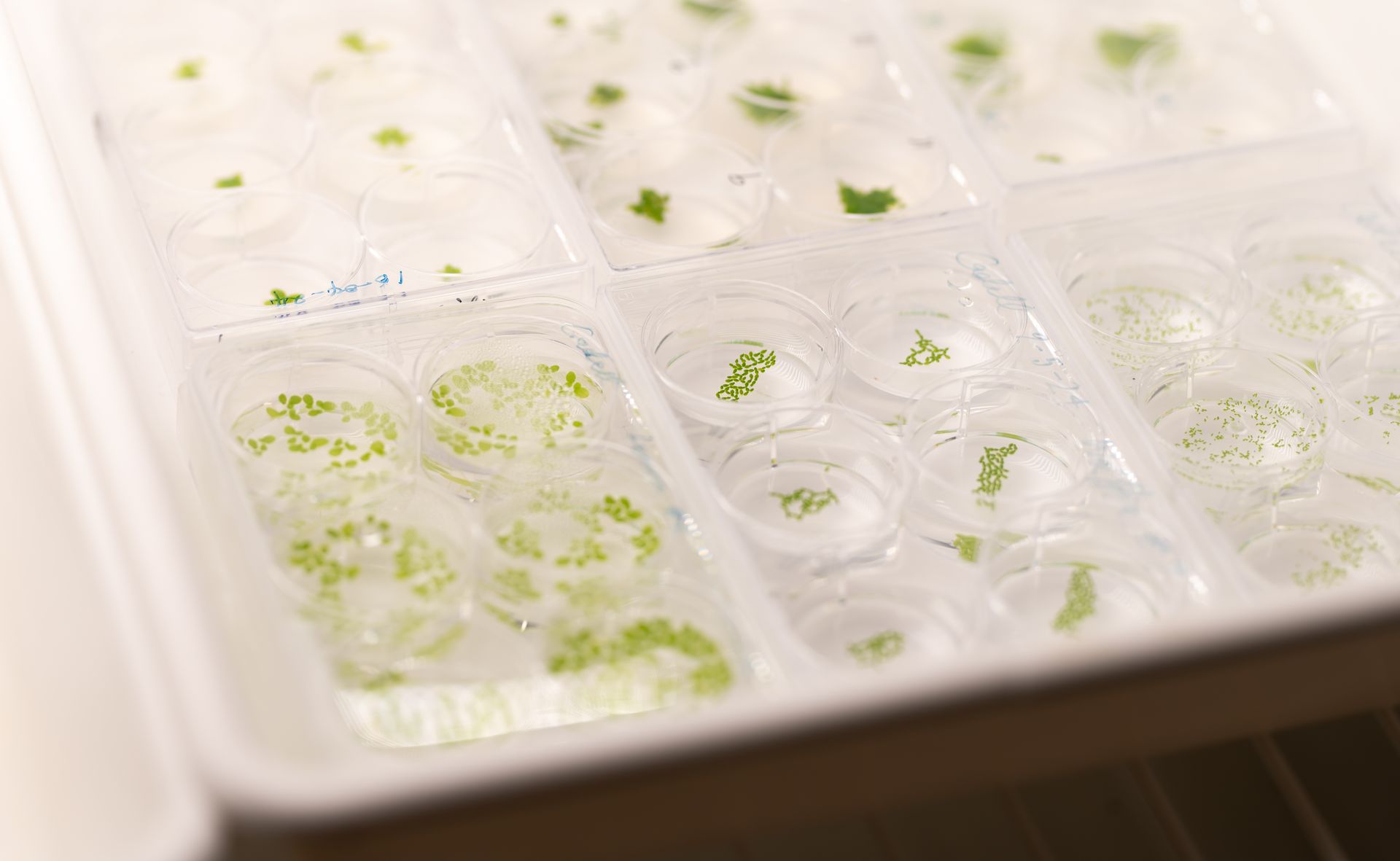
Funded by the Australian Research Council until 2031, P4S is developing innovative solutions that harness the life-supporting power of plants. Specific research aims include the production of nutrient rich, highly efficient plants, nutritionally fortified plant-based foods, and space-ready functional materials and pharmaceuticals. P4S projects also explore the cutting edge of gene technology, working towards optimised zero-waste plant production in controlled environments.
Space has a track record of stimulating innovation that translates to our benefit here on Earth. For agriculture and biomanufacturing specifically, it provides the ultimate closed loop system environment in which we’ll need to achieve sustainable food production. By developing these technological capabilities for space, we will one day be able to deploy high-value bioproduction systems anywhere on Earth.
Some projects have already generated exciting agricultural use cases: We’re improving fertiliser formulations using flow chemistry, prototyping fully autonomous systems for controlled environment agriculture (CEA), and developing sophisticated ‘digital twin’ modelling tools to track and manage vineyard health. These advances ultimately look to deliver even more space-informed solutions into the hands of Australian farmers.
“When we do space well, we don’t just build rockets, robots, and satellites. We build opportunity across the full economy. We build our nation. We build our future.”
- Katherine Bennell-Pegg, during her 2026 Australian of the Year acceptance speech.
The success of the Artemis II lunar mission in April 2026 was a major global milestone, ushering in what will soon be known as the ‘Artemis generation’. Through P4S’s established collaborations with NASA and strong pathways to contribute to Artemis-aligned missions, Australian scientists are contributing to lunar exploration efforts through the Artemis Lunar Surface Science Team (ALSST). When humans return to the moon in the near future, after an absence of over 50 years, they plan to grow plants on the lunar surface and bring them back to Earth for the first time. P4S and collaborators will analyse these samples upon their return, with the missions’ outcomes serving as a vital precursor to developing robust lunar agriculture over the next two decades.
Now more than ever, issues such as sustainability, food security, and climate resilience are of national urgency. These priorities should be reflected within the activities conducted by the research community; in particular, the work we do for space is feeding a new wave of on-planet biotechnology, food science, and agricultural sustainability developments. As we enter a new era of space exploration, I believe some of the most exciting developments will come from our reimaging of plant-based production systems, which will open many new opportunities for the future of Australian agriculture.
NEWS
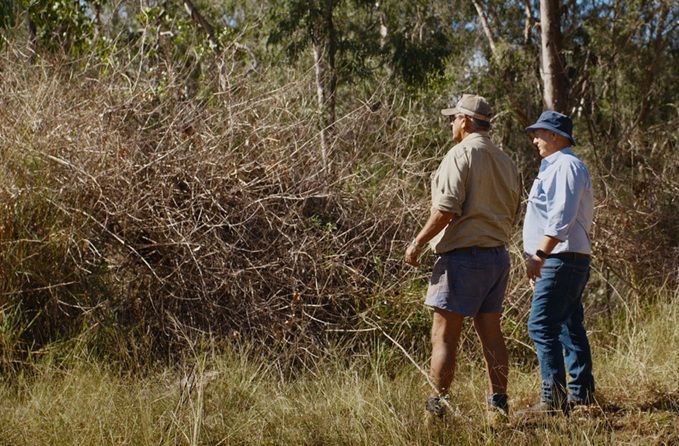
Invasive woody weeds steal your pasture. Method helps you take it back.
High-precision GNSS has typically been too costly and complex for all but the most critical agricultural operations, but recent RTK GNSS innovations have made centimetre accuracy scalable to all applications in Ag-Tech.

Every Aussie farmer knows that the difference between a “good” crop and a “record-breaking” one often come down to the smallest details. At BioFlora, we’ve spent years perfecting the balance of plant nutrition, and the result is IsoGreen – our powerhouse liquid formula designed to push your yields and crop taste to their absolute peak.
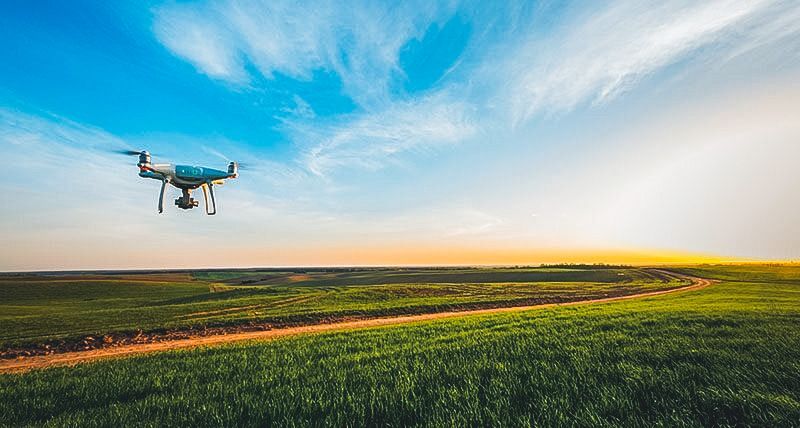
Plant, spray and harvest with confidence using reliable centimetre level positioning. Hexagon SmartNet provides fast, accurate RTK corrections across Australia to reduce overlaps, lower input costs and maximise productivity. With no base station required, simply connect, get a fix and get to work.

Built for the demand of Aussie farmers. Designed for every day performance.
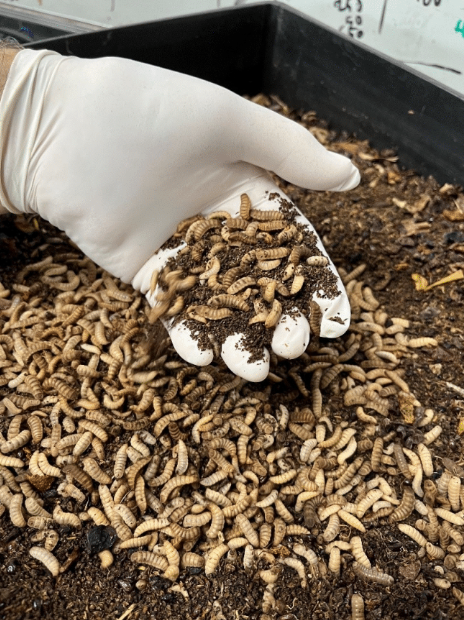
They’re wriggly black grubs more commonly tossed to backyard hens than served at the dinner table, but black soldier fly larvae could soon play a key role in building a more sustainable food system, according to new research from Adelaide University.