





























1MG FlippingBooks
A heavier-duty Ranger for Australian farms
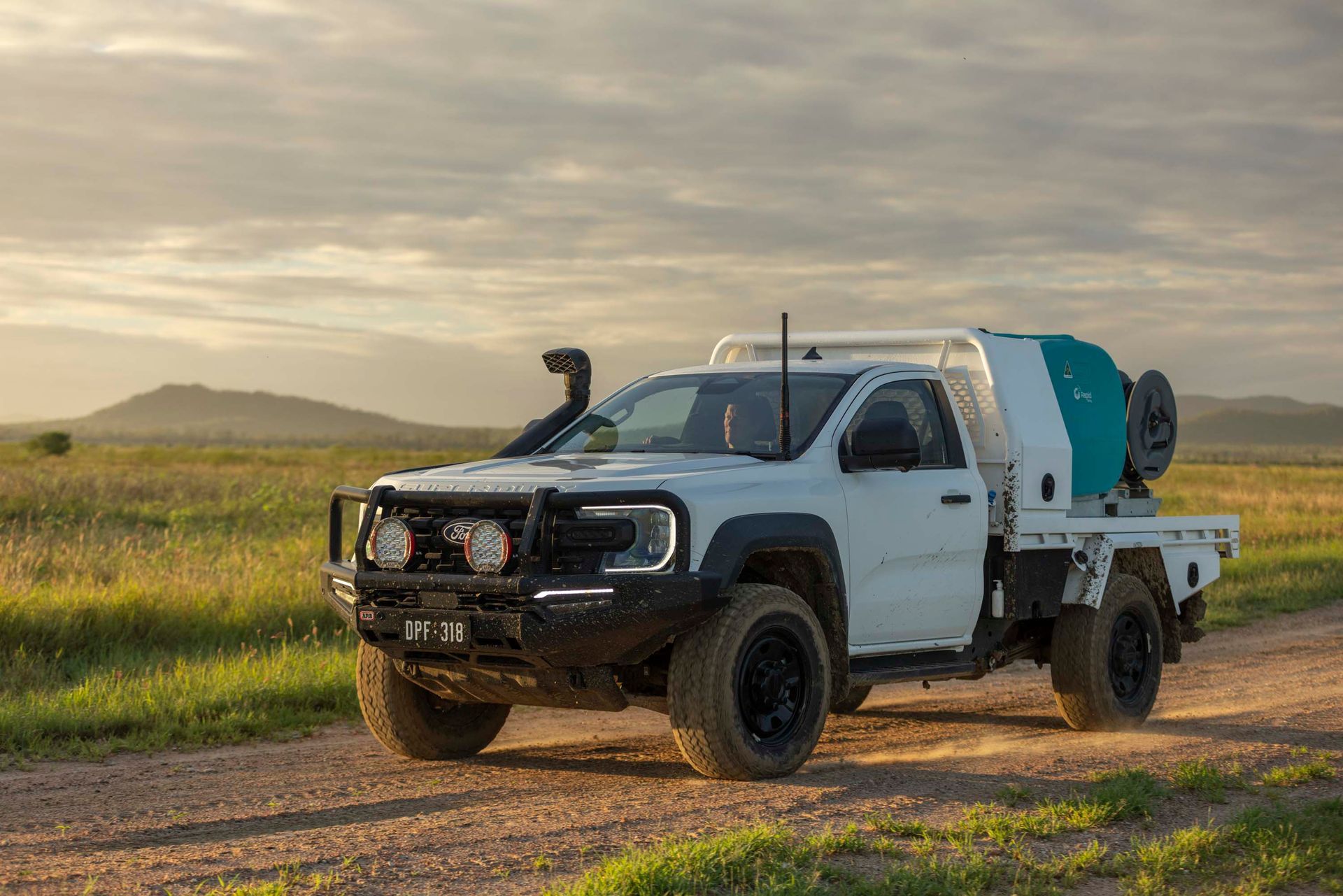
After four years of customer research and 500,000 test kilometres, Ford says the Ranger Super Duty brings farmer-driven customisation into the factory, with more towing, payload, and durability built in.
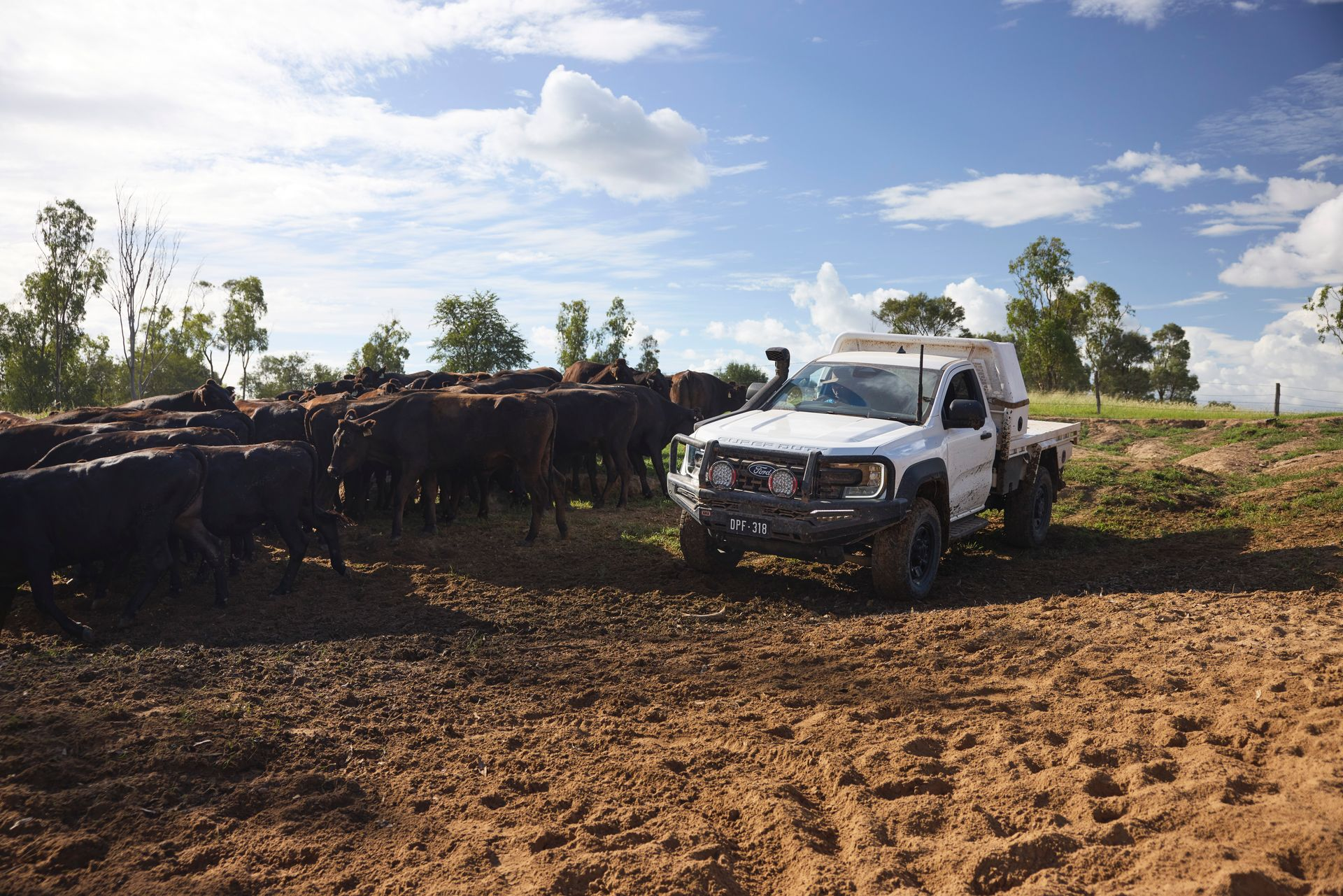
For many farmers and rural operators, a ute rarely stays standard for long. Trays, toolboxes, water tanks, slip-on fire-fighting units, canopies, specialist bodies, suspension upgrades, and towing gear all add cost, weight, and waiting time.
Ford says the Ranger Super Duty grew out of watching customers push standard Rangers in agriculture, forestry, mining, emergency services, and other heavy work.
Conversion Development Manager Jeremy Welch spent 18 months on ride-alongs, talking to 40–50 operators under non-disclosure agreements about how their vehicles were used in the paddock and on the road.
“The feedback was clear,” Welch says. “They didn’t want a giant American pickup. They wanted Ranger manoeuvrability, but with more payload, more towing, more off road ability and a way to manage weight properly.”
Built around heftiness
Welch says one of the biggest misconceptions is that Ranger Super Duty is just a Ranger with a gross vehicle mass (GVM) upgrade.
“It’s not a GVM upgrade. The whole chassis is new – we only carried over about five per cent,” he says. “It’s the next level Ranger.”
Engineered to a 4.5 tonne GVM and 4.5 tonne braked towing capacity, with an eight-tonne gross combination mass, the vehicle sits at the top end of Australia’s standard passenger car-licence GVM threshold in most states.
Ford strengthened the suspension, driveline, hubs, brakes, wheels, and chassis together rather than treating the vehicle as a bolt-on upgrade. Key changes include eight-stud wheels, a larger 10-inch rear differential, and suspension control arms that Welch says are roughly twice the thickness of a Raptor’s.
The Super Duty name, used for the first time outside Ford’s F-Series, was earned through additonal durability and reliability testing. Ford over doubled its usual Ranger test equivalent distance. Ford added additional tests, including repeated runs on Silver Creek test track where a robotic driver was used to expose, identify, and re-test components to remove failure points.
Only once we have proved and demonstrated that this concept could meet a tougher durability and reliability testing were we allowed to use the “Super Duty” name.
The dashboard tells the load story
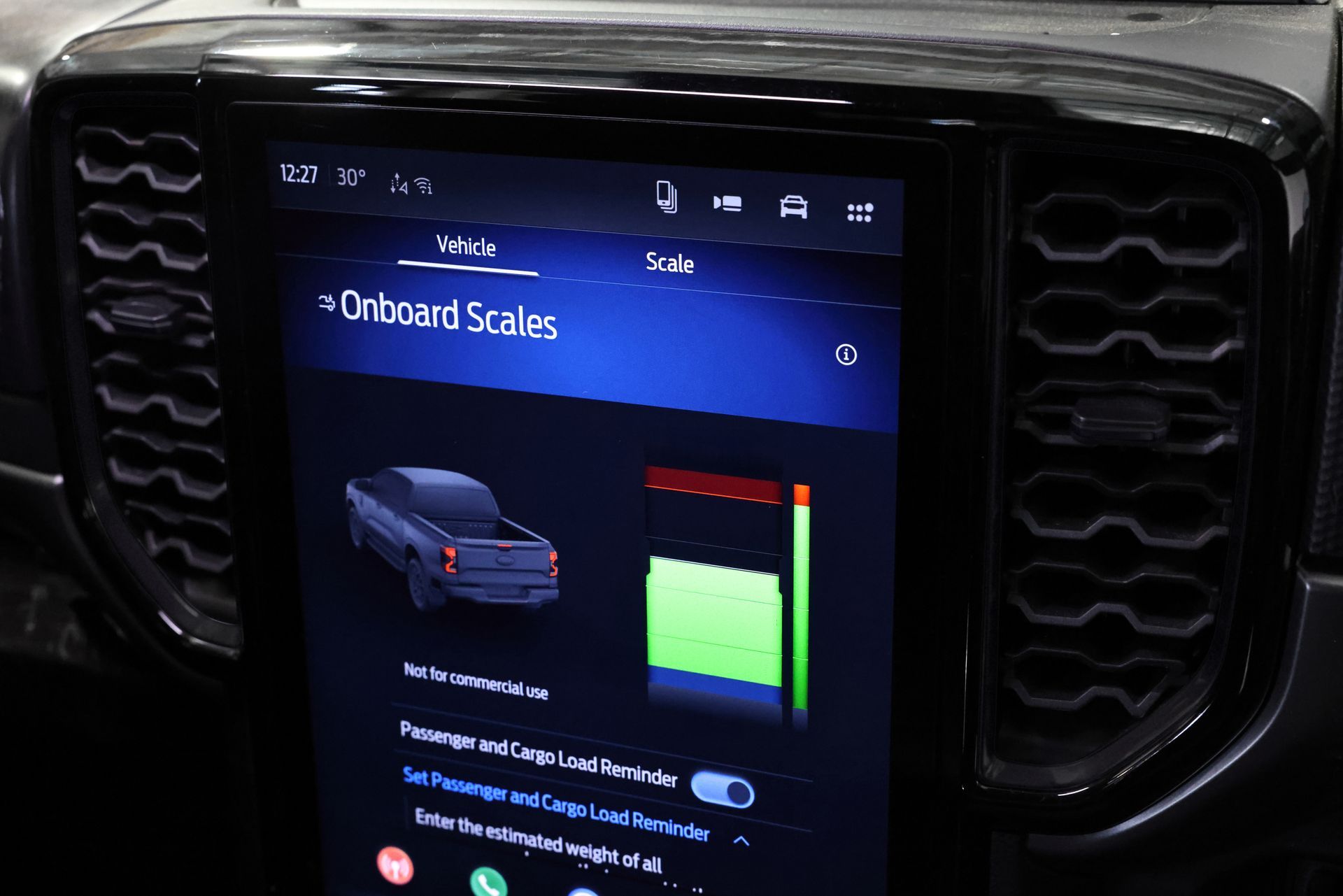
One feature likely to matter on farm is the onboard scales system. Instead of merely guessing payload or only waiting until a weighbridge check, the dashboard shows an estimated weight in real time as load is added.
That’s a boost for farmers filling a water tank, adding equipment, or changing trailer set-ups. Michael Elias, General Manager Ford Pro, says many customers are juggling complex payload and axle questions, especially when adding bodies and specialist equipment.
“Onboard scales is one of the key features and helps avoid accidental overloading,” he says.
For town and track
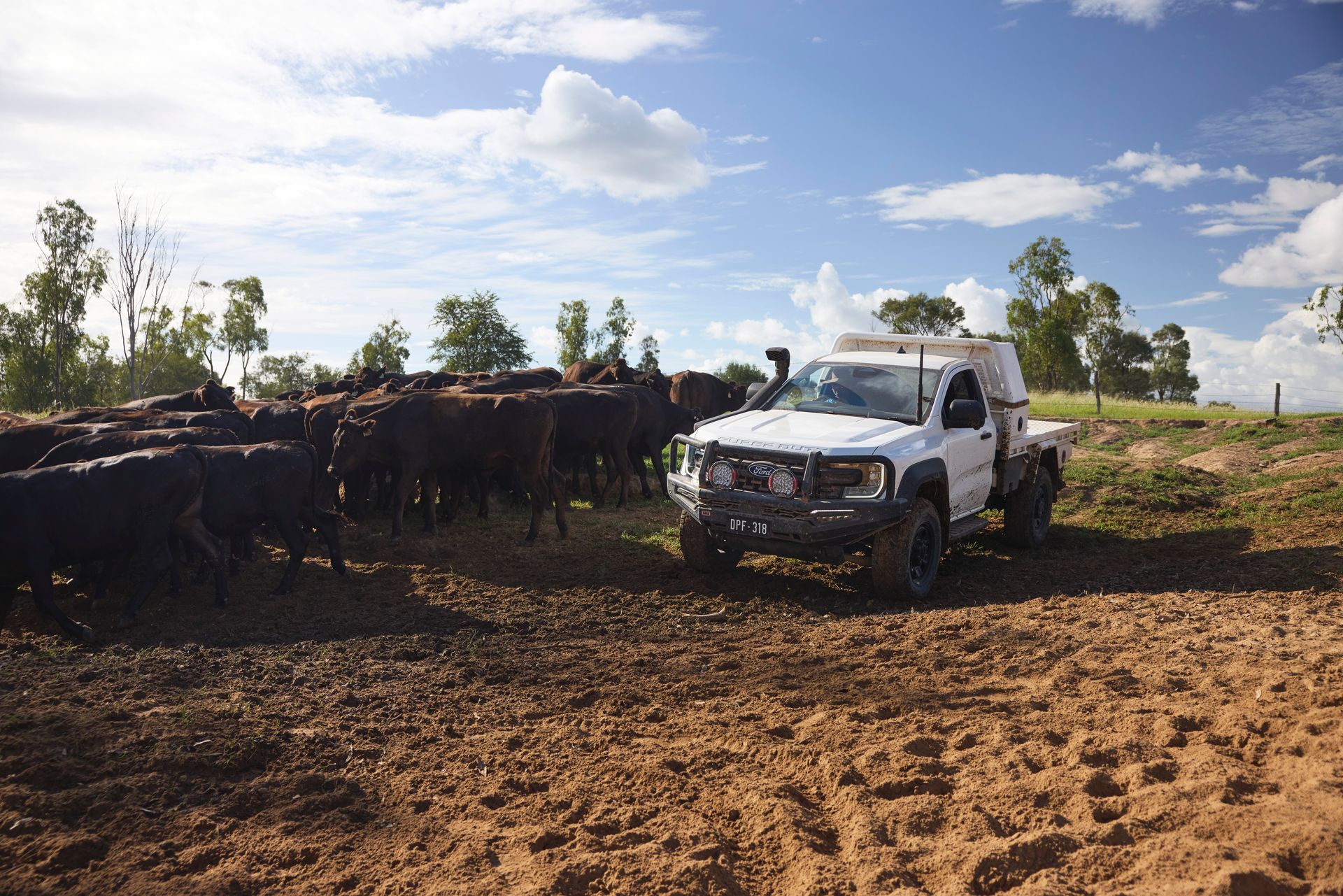
Ford says Ranger was the right base because farmers and regional operators wanted capability without moving into a full-size American pickup. Customers still need to park in town, get through narrow tracks, and use the vehicle day to day.
“It’s got to be a Ranger,” Welch says. “It has to have the comfort, safety features and technology people expect, and it has to drive like a Ranger, not like a truck, even with the extra capability.”
Elias says Super Duty is aimed at farmers and fleets that outgrow a standard Ranger on towing and payload but don’t want to step up to something like an F Series or imported equivalent.
“It brings the strength, towing and payload of larger pickups with a footprint that still suits Australian conditions,” he says.
The support around the ute
Ranger Super Duty is the vehicle. Ford Pro, which launched in July 2026, is the support ecosystem around it, covering servicing, parts, finance, accessories, approved convertors, and business-focused support.
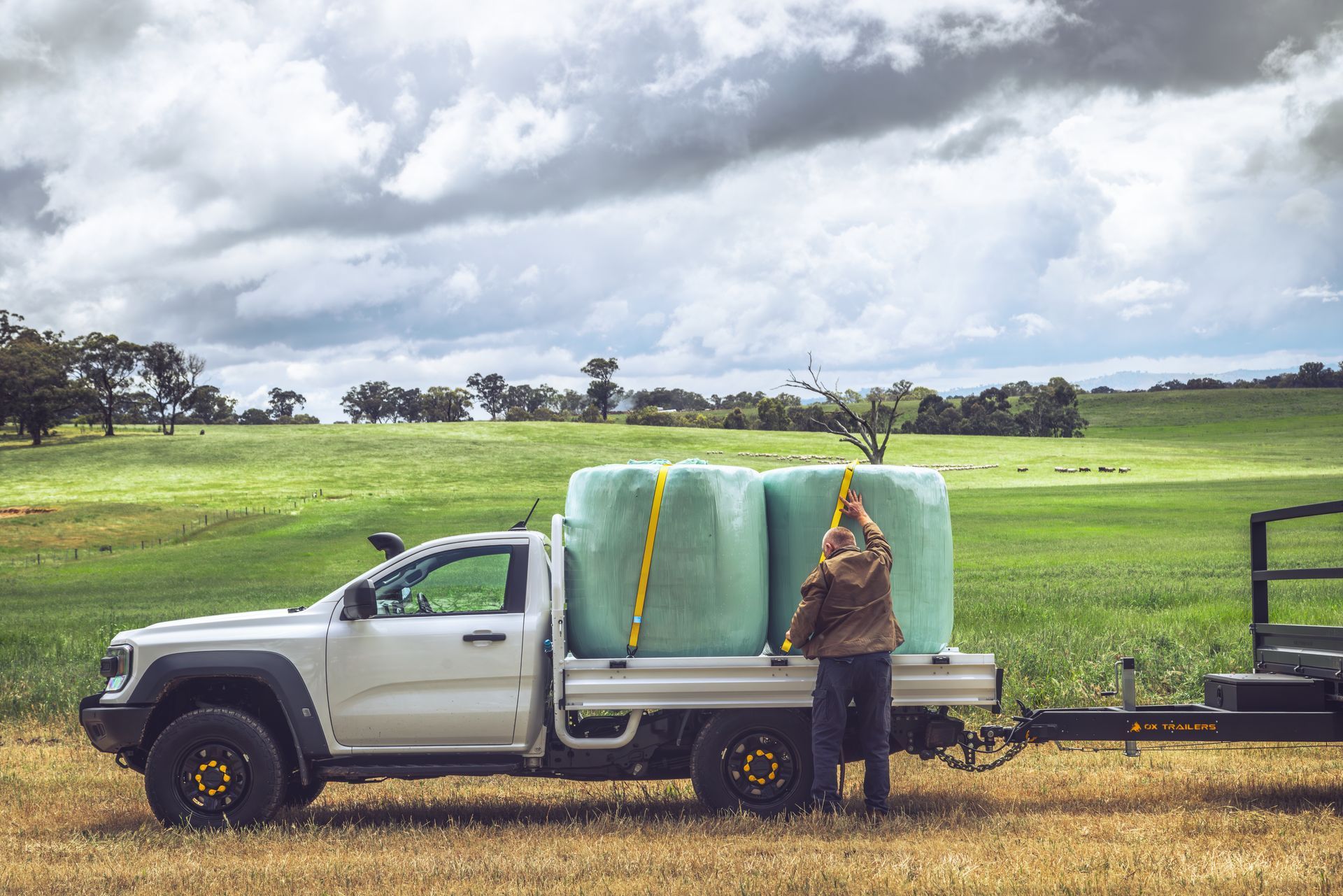
For farmers, that distinction matters. Compared with standard Ranger models, Super Duty has heavier towing capability, payload, and off-road capability engineered in from the factory. Authorised Ford Pro Convertors offer support for further fit-outs for those who need trays, bodies, fire-fighting units, specialist equipment, or larger-scale customisation, with genuine accessories and partner brands.
Elias says Ford now works with 20 convertors across about 40 sites, with Ford’s technical experts involved in the stringent certification and audit process to ensure conversions align with Ford Pro Convertor standards.
Ford Pro also draws on one of Australia’s largest dealer networks, including new regional sites such as Chinchilla in Queensland.
What comes next
Ford is also looking for partners in farming for its AVR3 autonomy project, which is exploring how autonomous vehicles could work in rural environments, where tracks, paddocks, water, and changing ground conditions create different challenges from city driving, and help us develop solutions for the agriculture industry.
For now, the appeal is practical. Ford is positioning Ranger Super Duty as a factory-developed work ute for farmers who need higher payload and towing capability than standard Ranger models, but still want something they can park in town and drive every day.
NEWS
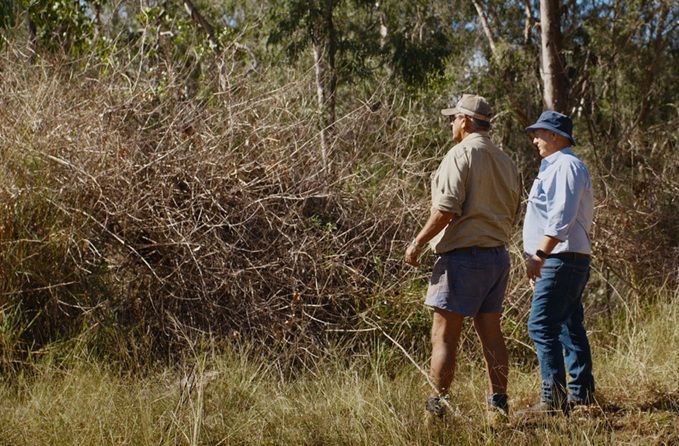
Invasive woody weeds steal your pasture. Method helps you take it back.
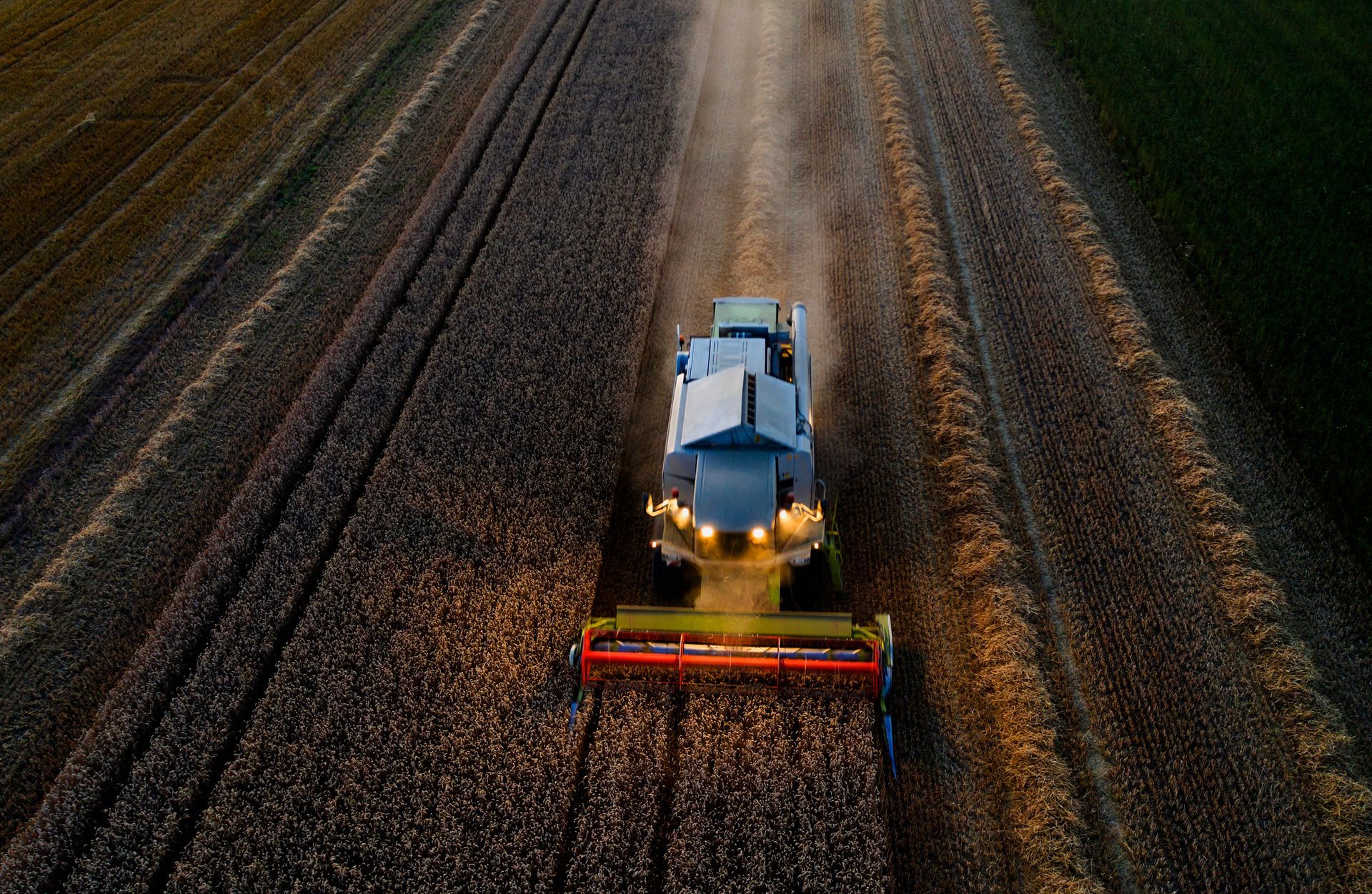
High-precision GNSS has typically been too costly and complex for all but the most critical agricultural operations, but recent RTK GNSS innovations have made centimetre accuracy scalable to all applications in Ag-Tech.
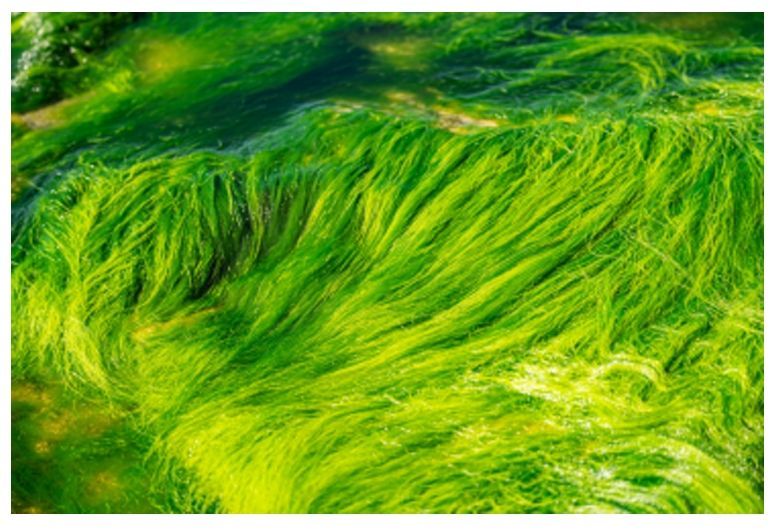
Every Aussie farmer knows that the difference between a “good” crop and a “record-breaking” one often come down to the smallest details. At BioFlora, we’ve spent years perfecting the balance of plant nutrition, and the result is IsoGreen – our powerhouse liquid formula designed to push your yields and crop taste to their absolute peak.
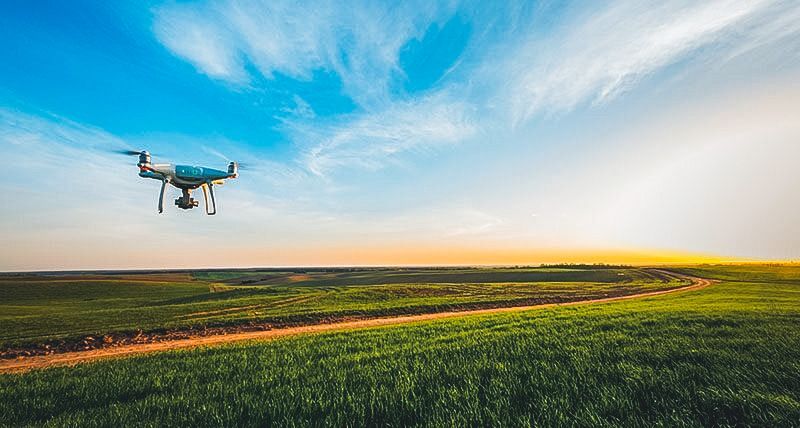
Plant, spray and harvest with confidence using reliable centimetre level positioning. Hexagon SmartNet provides fast, accurate RTK corrections across Australia to reduce overlaps, lower input costs and maximise productivity. With no base station required, simply connect, get a fix and get to work.
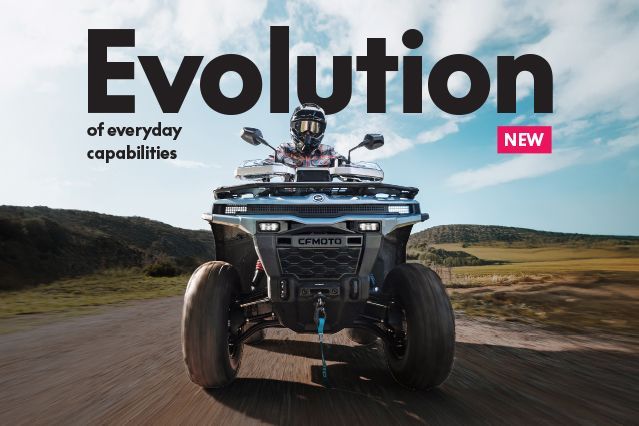
Built for the demand of Aussie farmers. Designed for every day performance.
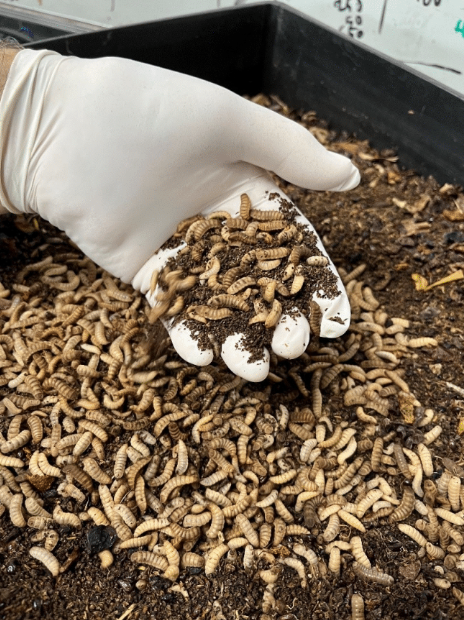
They’re wriggly black grubs more commonly tossed to backyard hens than served at the dinner table, but black soldier fly larvae could soon play a key role in building a more sustainable food system, according to new research from Adelaide University.