Mark Winton is APAC GNSS Business Development Manager at Quectel Wireless Solutions.
The next generation of smart farmers are building technology for themselves
Mark Winton
Australian farmers are leading the charge to adopt new innovations in precision farming to optimise yields, maximise resources, and minimise costs. Democratised access to accurate positioning, sensor technologies, and other components is transforming approaches and strategies. Farmers can now adopt sophisticated technologies without having to master them and this is driving agricultural innovation.
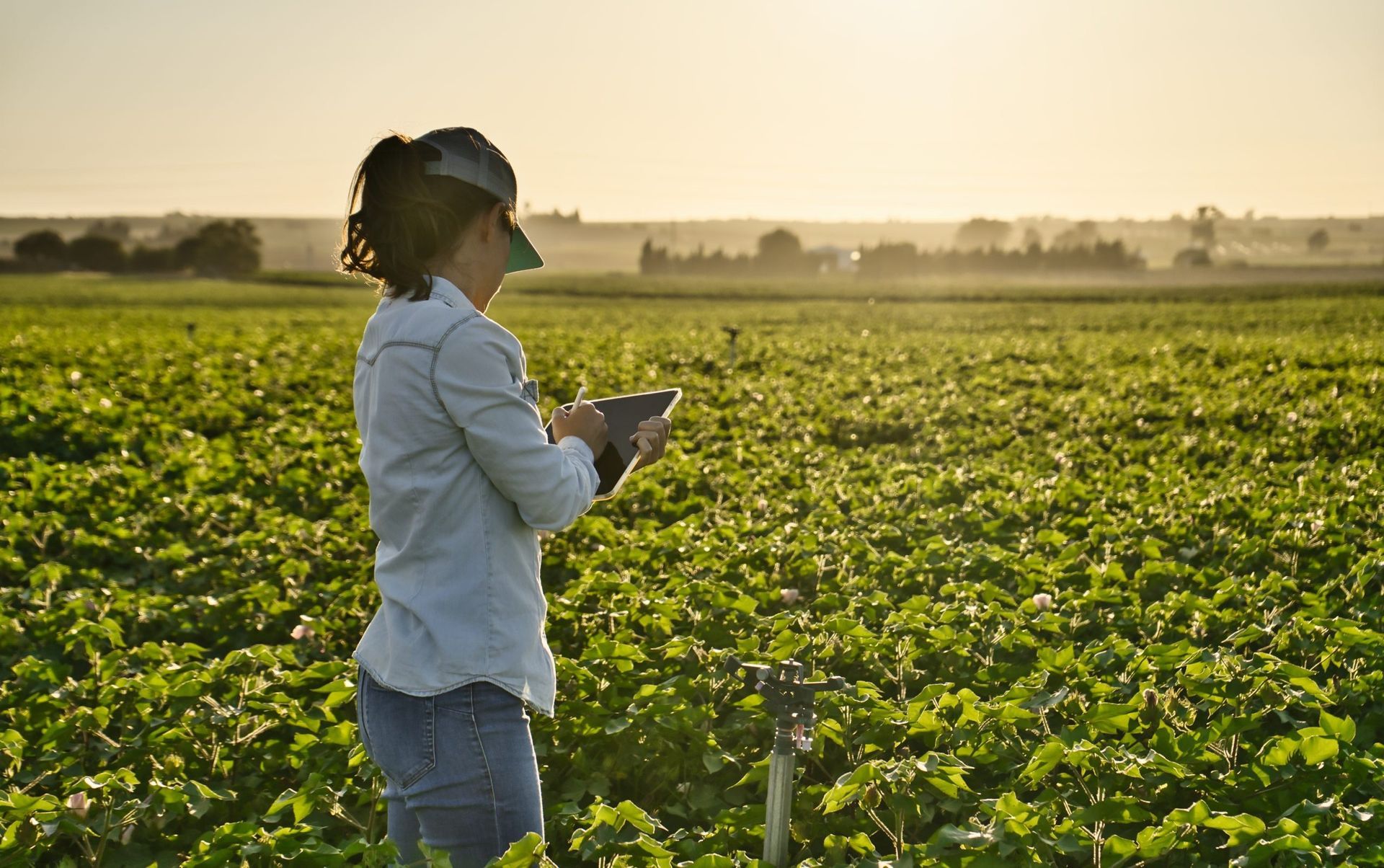
: The next generation of tech-savvy farmers are applying a new wave of outback ingenuity to design and develop machines and solutions that meet the exact needs of their terrain and farm types. They’re looking beyond the offerings of traditional equipment providers and applying their own abilities to create customised, automated, and even autonomous vehicles and systems. Owners of farms are increasingly turning to grandchildren who have learned artificial intelligence (AI) expertise and are designing and specifying farm robots and mechatronics systems to perform specific tasks.
They’re achieving this by using off-the-shelf components and buying-in sensors, single-board computers (SBCs), and connectivity modules to create bespoke robotic machines that meet their unique needs. We’re seeing customers developing machines that operate in vineyards in southern New South Wales and systems to track cattle across massive ranches in Queensland. Those use cases obviously have diverse requirements but the ability to create tailored solutions and hardware is driving innovation.
Precision farming is a growing market. According to Grand View Research, an American market research and consulting firm, the Australian smart agriculture market generated a revenue of US$1.61 billion in 2025 and is expected to reach US$4.92 billion by 2033, growing at a CAGR of 15.2 per cent during the 2026-2033 period[1].
Build versus buy
The addition of robots and greater numbers of automated and autonomous devices are helping farmers to break the traditional lock of having to buy equipment that integrates with a vendor’s tractor and invest heavily in products that can be onerous to maintain. In many cases, traditional vendor engineers can be days away from a repair appointment which is unacceptable for farmers with crops ready to harvest that are degrading by the hour.
Innovative approaches to precision agriculture are unlocking new capabilities and enabling farms to optimise operations. Global navigation satellite system (GNSS) technology is at the heart of this because it enables accurate positioning of vehicles, robots, and cattle and helps to precisely position robot swarms for seeding and fertilizer distribution. The technology is now widely available and has become significantly more affordable in recent years, broadening its appeal even for lower value use cases.
There are two sides to the market for GNSS-enabled positioning. The mass-market is for positioning that is accurate to tens of centimetres. These solutions utilise GNSS to locate animals, vehicles, and other equipment with acceptable accuracy. They also support accurate location of fertiliser in areas of fields that need additional coverage, for example.
Precision as-a-service
The next step is high-precision GNSS which can achieve accuracy down to the centimetre level. This is an essential enabler for accurately drilling seeds or for a robot to prune a grapevine without damaging the plant. The enabling technology behind this is real-time kinematic (RTK) correction, which utilises additional stations on the ground to correct errors in GPS data and thereby makes location positioning more accurate.
RTK correction typically involves either investing in an RTK base station and receiver or using only RTK receivers and publicly available RTK signal networks. For many farmers, it’s simpler and easier to use an RTK correction service that abstracts away all the complexity of managing GPS signals.
That ability to engage with cutting-edge technologies without having to master them is a key driver behind current agricultural innovation. Farmers recognise that they don’t have to become radiofrequency engineers to operate a robot swarm on their properties. They can simply buy-in the commercial off-the-shelf (COTS) GNSS building block assemblies and fast track their custom designs.
Accelerate time to market
They can use their own experience to design equipment that is uniquely matched to their location, the crop they grow, and the farming methods they choose. They don’t need to reinvent the wheel for each machine; they can simply buy components and assemble these into a bespoke new machine.
There are now standard off-the-shelf products that combine precision antenna engineering, advanced radiofrequency skills, and high-accuracy GNSS, plus cellular and direct-to-cell (DTC) Starlink-compatible connectivity. These easy-to-integrate solutions can be used by farmers and solutions integrators without specialist knowledge. The requirement to deploy and maintain RTK base stations has also been democratised into a seamless, online global RTK service that is affordable for mass-scale deployments where everything on the farm can now be tracked with precision.
Farmers that are building specialised robots based on their terrain, use case, and existing mechanical knowhow can innovate based on their skills and turn to suppliers to provide all the complex electronics components, such as smart GNSS antennas. This means they are free to focus on their unique robot’s design instead of the technical challenges of radiofrequency, GNSS, and antenna.
The industry is now taking the approach of using critical, difficult to engineer technologies as off-the-shelf building blocks instead of buying or developing discrete solutions. This is helping to democratise precision and abstract away time-consuming design work required for RTK-level GNSS. We’re truly in an era where plug and play solutions are becoming mainstream.
[1]
https://www.grandviewresearch.com/horizon/outlook/smart-agriculture-market/australia

NEWS
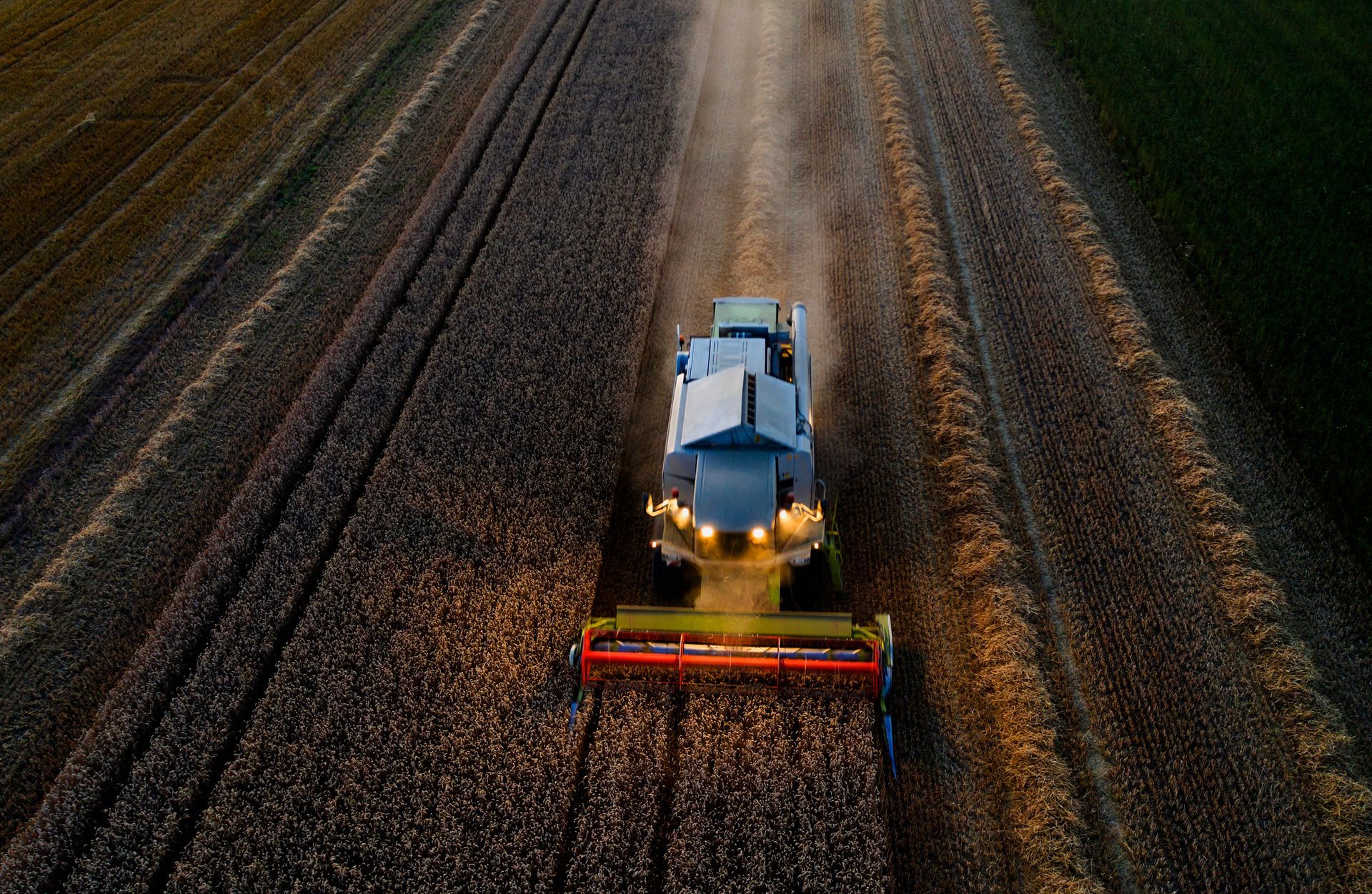
High-precision GNSS has typically been too costly and complex for all but the most critical agricultural operations, but recent RTK GNSS innovations have made centimetre accuracy scalable to all applications in Ag-Tech.

Every Aussie farmer knows that the difference between a “good” crop and a “record-breaking” one often come down to the smallest details. At BioFlora, we’ve spent years perfecting the balance of plant nutrition, and the result is IsoGreen – our powerhouse liquid formula designed to push your yields and crop taste to their absolute peak.

Plant, spray and harvest with confidence using reliable centimetre level positioning. Hexagon SmartNet provides fast, accurate RTK corrections across Australia to reduce overlaps, lower input costs and maximise productivity. With no base station required, simply connect, get a fix and get to work.

Built for the demand of Aussie farmers. Designed for every day performance.
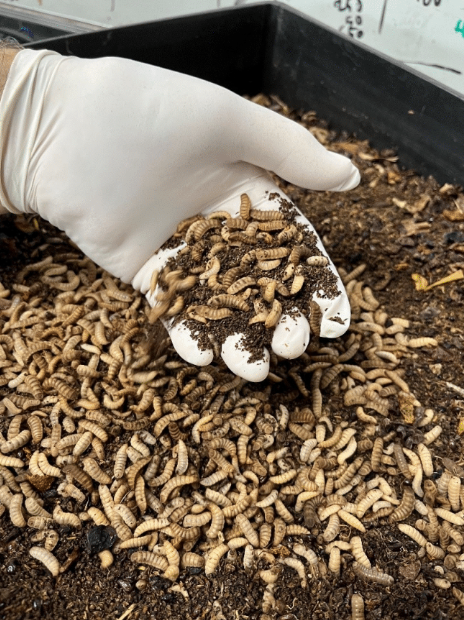
They’re wriggly black grubs more commonly tossed to backyard hens than served at the dinner table, but black soldier fly larvae could soon play a key role in building a more sustainable food system, according to new research from Adelaide University.
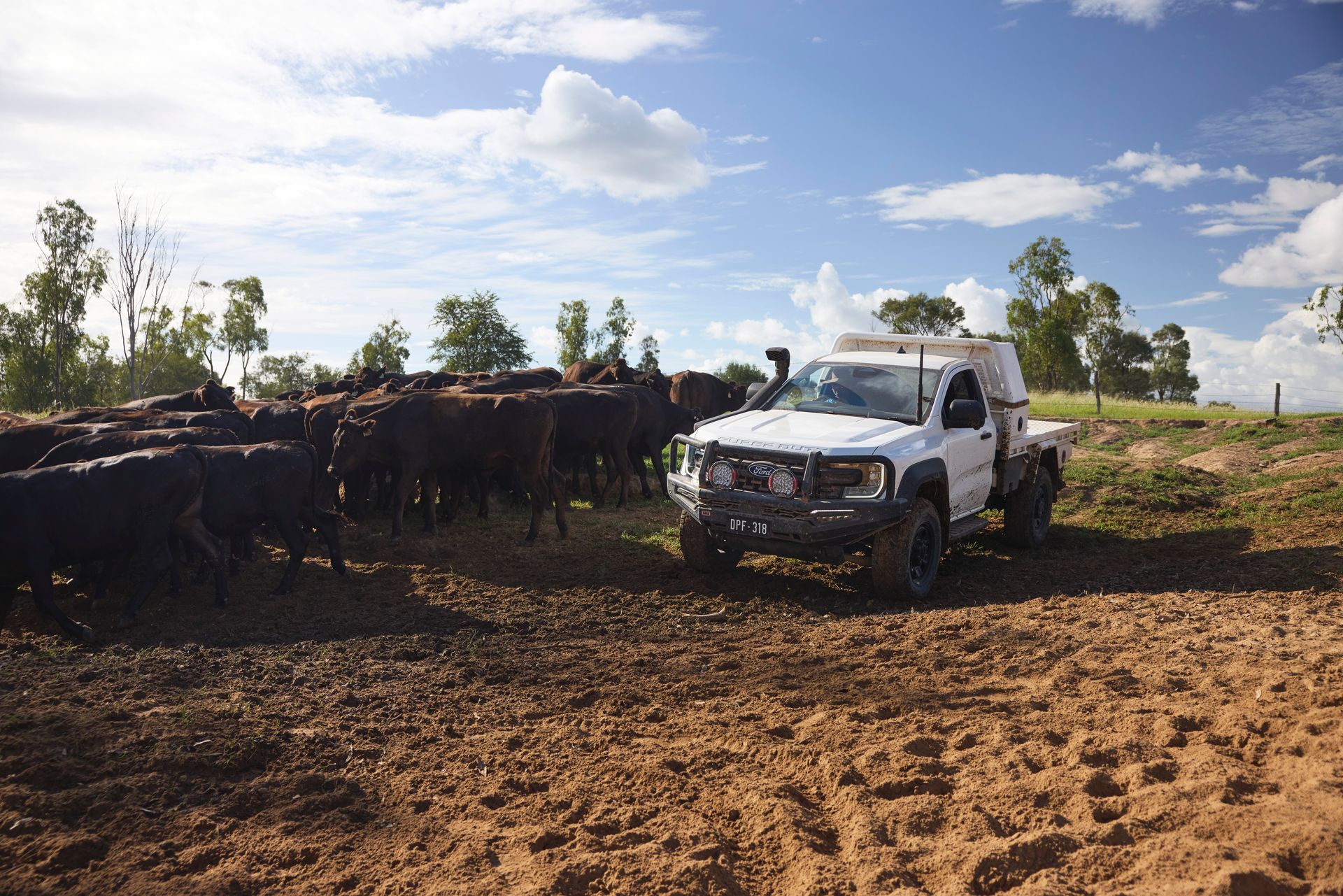
After four years of customer research and 500,000 test kilometres, Ford says the Ranger Super Duty brings farmer-driven customisation into the factory, with more towing, payload, and durability built in.