



















































1MG FlippingBooks
Wanneroo: a peri-urban food bowl with sustainable export ambitions
Staff writers
The City of Wanneroo has a rich food history that extends across generations of Aboriginal people and farming families. Located only 25 kilometres north of Perth’s CBD, Wanneroo’s coastal location has made it not just an ideal landscape for a variety of farming operations, but also a growing agricultural hub that can serve both national and international markets.
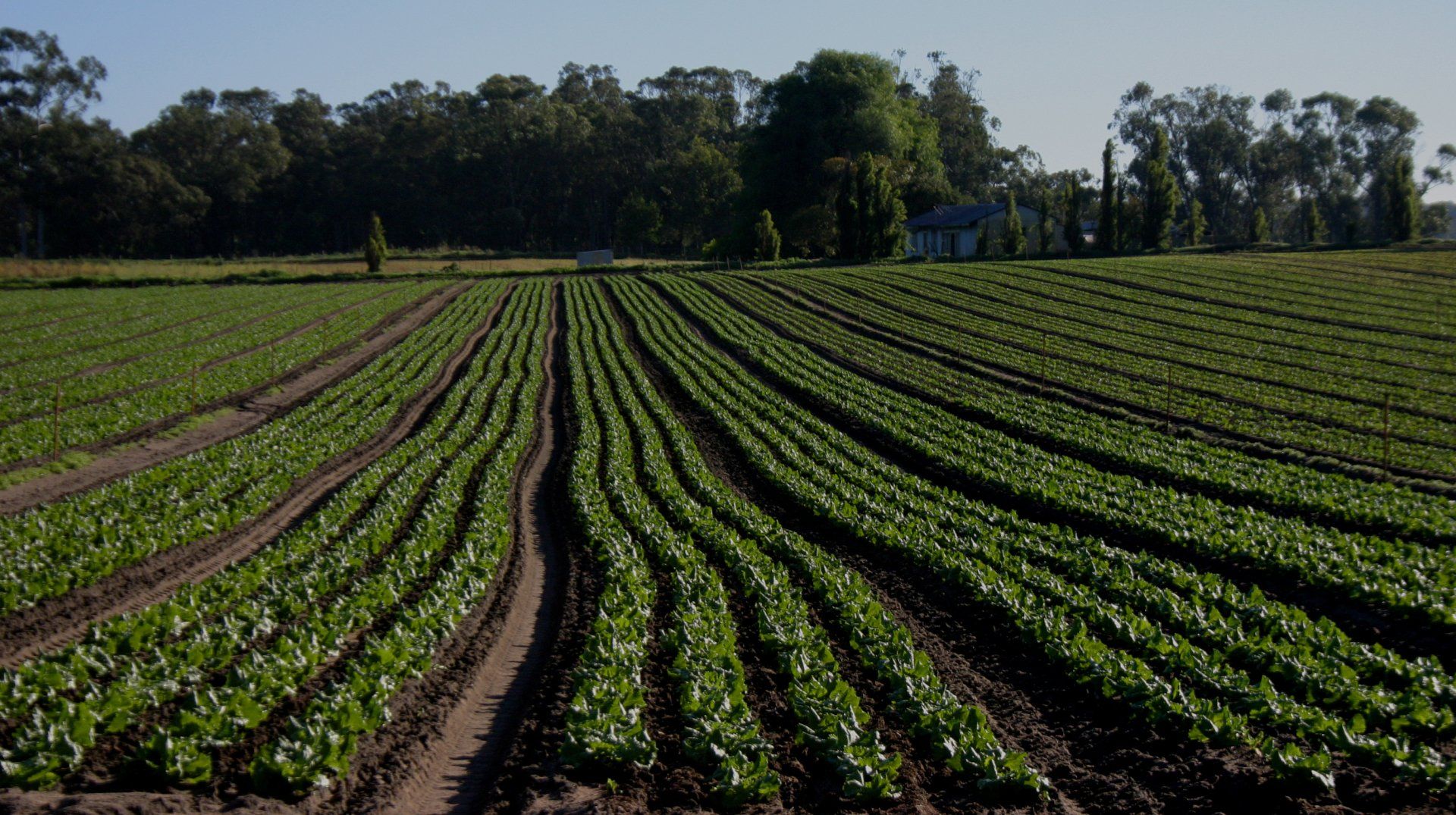
Wanneroo’s agricultural history dates back to 1852, when its first permanent settlers James and Mary-Ann Cockman successfully established a dairy farm and, in doing so, demonstrated the opportunities the land had to offer farmers. Over the next two decades, the city evolved into a pastoral and farming community with over 60 families setting down roots in the area.
Today, Wanneroo’s agricultural industry is booming, feeding not only its local population, but also the greater region of Perth. In fact, Wanneroo contributes 38 per cent of the total gross value of agricultural commodities produced in Perth and accounts for a significant percentage of vegetables and fruits grown in the region, including the vast majority of sweet corn and more than 90 per cent of the tomatoes and avocadoes.
With local government support, Wanneroo is looking to further expand its agricultural production to tap into the Asian market and sustainably feed the growing population of Perth, while still remaining the peri-urban food bowl of the region.
“The City of Wanneroo is Western Australia’s largest growing local government authority with a population that now exceeds 207,000,” says Mayor Tracey Roberts. “With our continued growth comes a greater need to establish and support new and existing industries to drive economic growth, and subsequent employment growth.”
The support of the government has seen farming families thrive in the area. Third-generation and award-winning farmer Jim Trandos believes Wanneroo’s unique location makes it easily accessible to national and international markets, such as Dubai, where he exports his produce three times a week.
“Our family has been farming in Wanneroo since 1939, when my grandfather Dimitrios started growing tomatoes, cabbage and lettuce at Pappas Swamp,” says Jim. “Wanneroo being in the metro area is a huge advantage in terms of access to labour, freight and services, which helps keep the costs of processing and production down.”
Similarly, second-generation strawberry grower Van Truong believes Wanneroo holds an exceptional opportunity for farmers, more so with Australia recognised internationally as a sustainable producer of quality and safe food. Having visited the Asia Fruit Logistica trade show in Hong Kong recently, Van was impressed with the significant numbers of Asian importers and retailers wanting a taste of Australian produce.
“In Wanneroo there are opportunities for growers to export to the Asian markets,” says Van. “The city is only a 30-minute drive to Perth International Airport and a short five-hour flight to Singapore or Malaysia.”
The local government is committed to ensuring long-term security for the agricultural industry by protecting the remaining viable agriculture land in its northern areas from urban encroachment. The government is also exploring alternative water sources for future agriculture use and establishing sustainable agriculture precincts in the city.
“Agribusiness is one of the emerging industries that has the potential to contribute greatly to economic growth and job growth in the City of Wanneroo,” says Mayor Roberts. “As such, we are now more focused than ever on ensuring we plan effectively when it comes to land retention and protection to help realise our agribusiness aspirations.”
NEWS
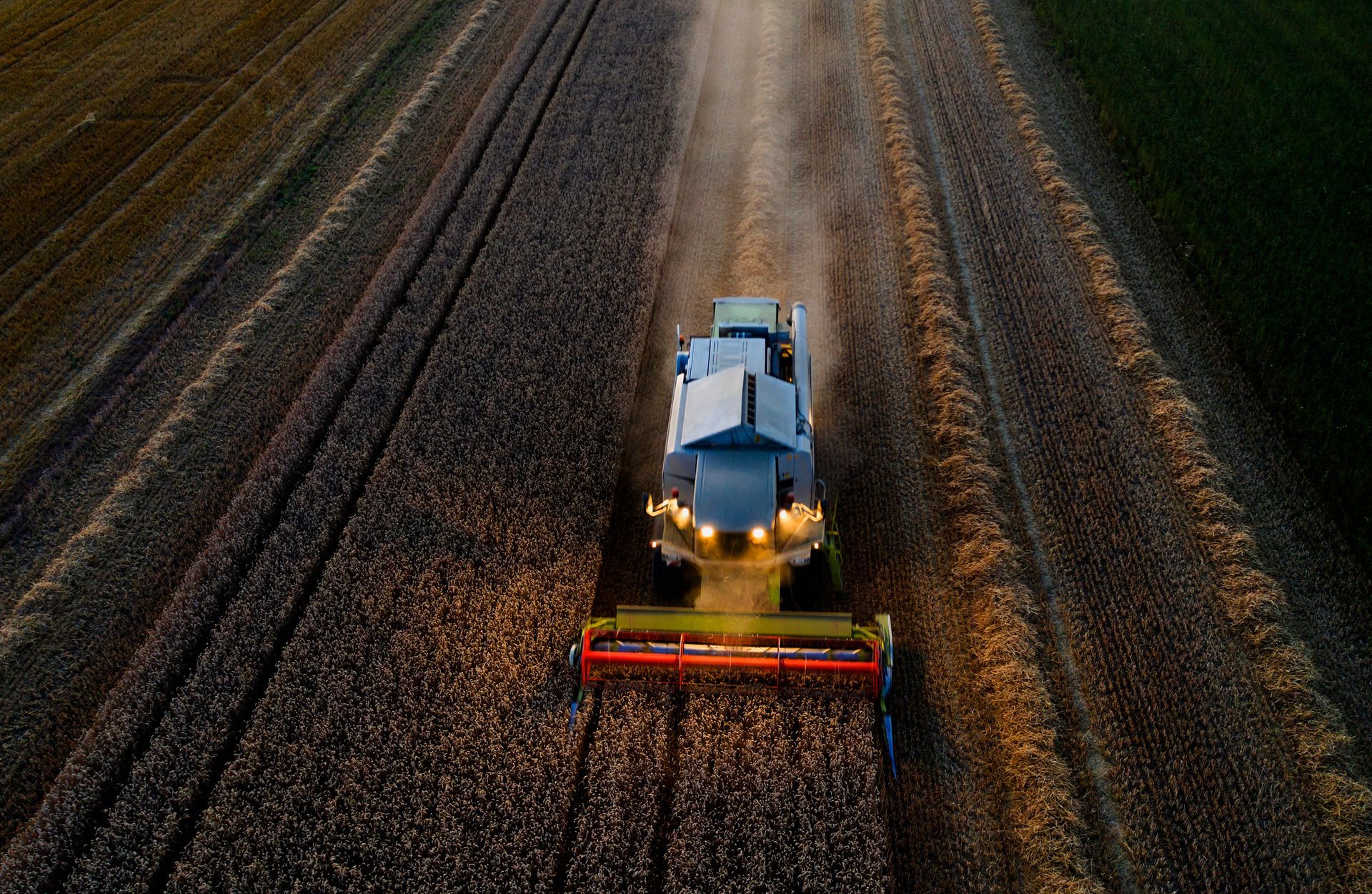
High-precision GNSS has typically been too costly and complex for all but the most critical agricultural operations, but recent RTK GNSS innovations have made centimetre accuracy scalable to all applications in Ag-Tech.
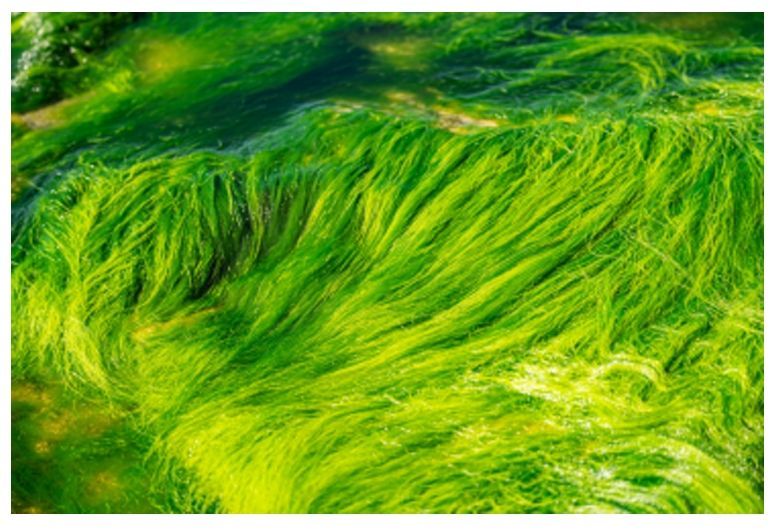
Every Aussie farmer knows that the difference between a “good” crop and a “record-breaking” one often come down to the smallest details. At BioFlora, we’ve spent years perfecting the balance of plant nutrition, and the result is IsoGreen – our powerhouse liquid formula designed to push your yields and crop taste to their absolute peak.
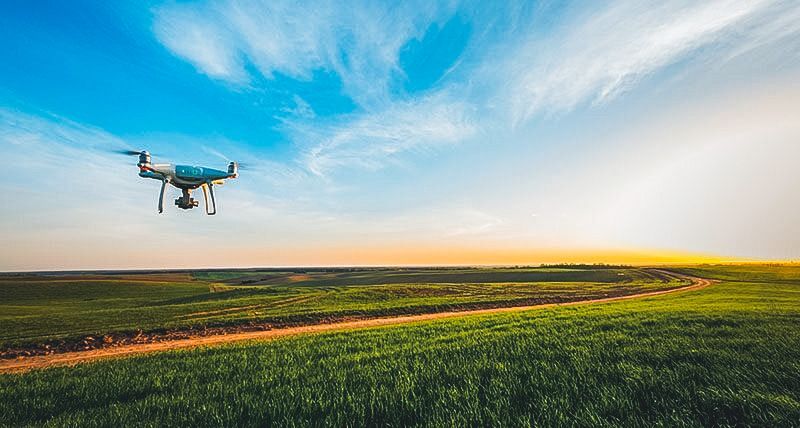
Plant, spray and harvest with confidence using reliable centimetre level positioning. Hexagon SmartNet provides fast, accurate RTK corrections across Australia to reduce overlaps, lower input costs and maximise productivity. With no base station required, simply connect, get a fix and get to work.

Built for the demand of Aussie farmers. Designed for every day performance.
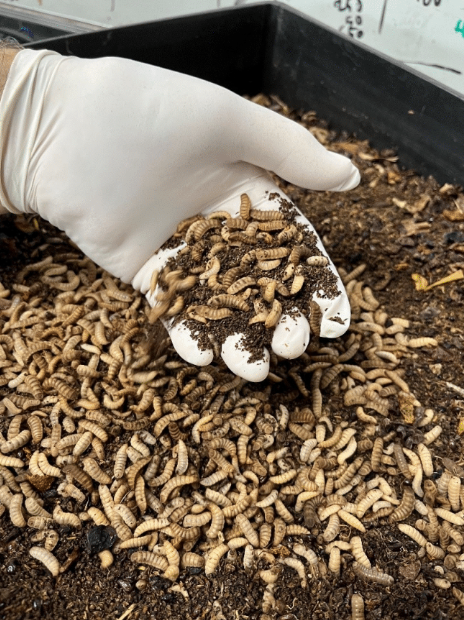
They’re wriggly black grubs more commonly tossed to backyard hens than served at the dinner table, but black soldier fly larvae could soon play a key role in building a more sustainable food system, according to new research from Adelaide University.
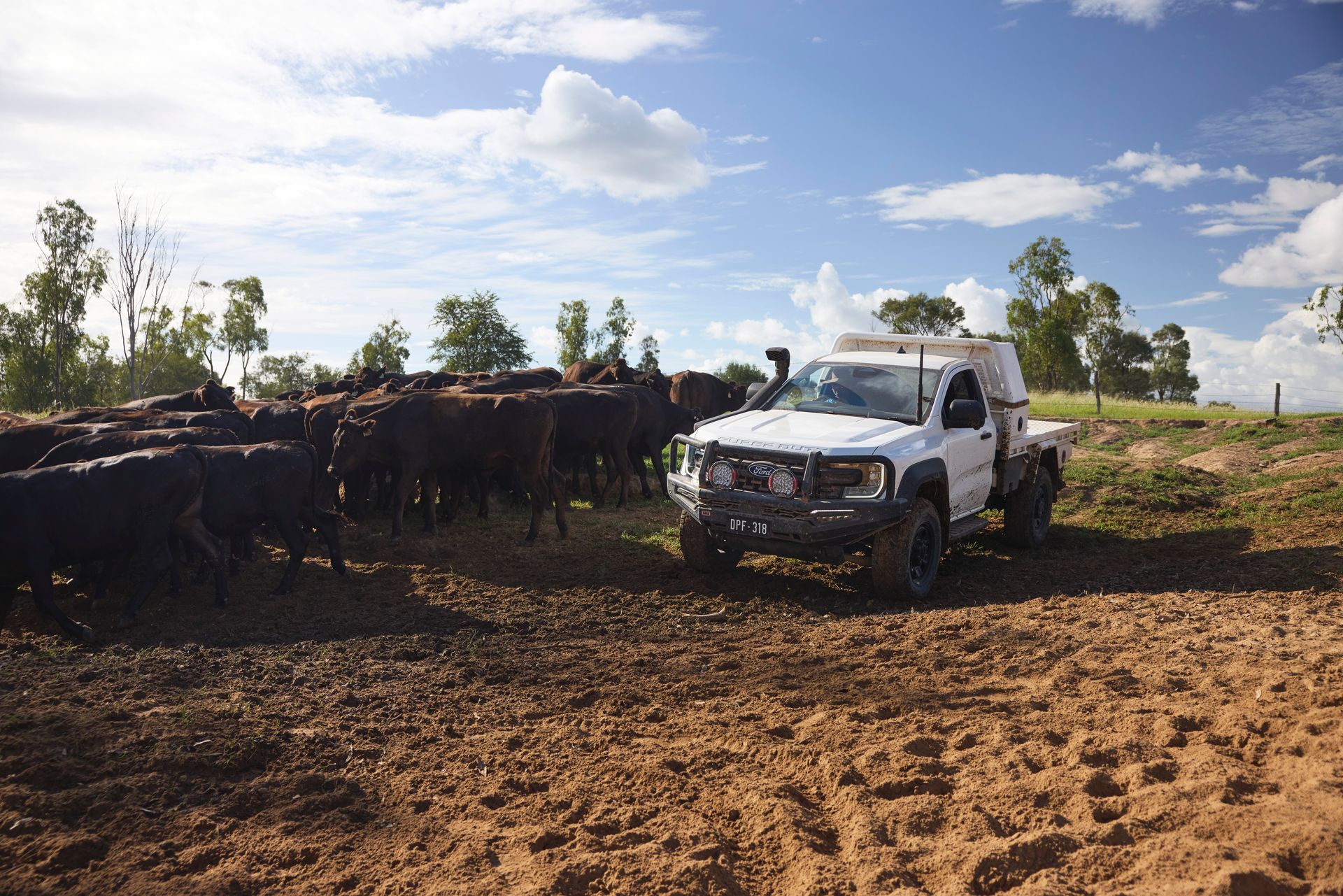
After four years of customer research and 500,000 test kilometres, Ford says the Ranger Super Duty brings farmer-driven customisation into the factory, with more towing, payload, and durability built in.