

























































1MG FlippingBooks
What should Australia do about drought?
Mick Keogh - From Boundless Plains to Share
Droughts are a natural part of the Australian landscape. Farmers and policy makers needs to accept this fact.
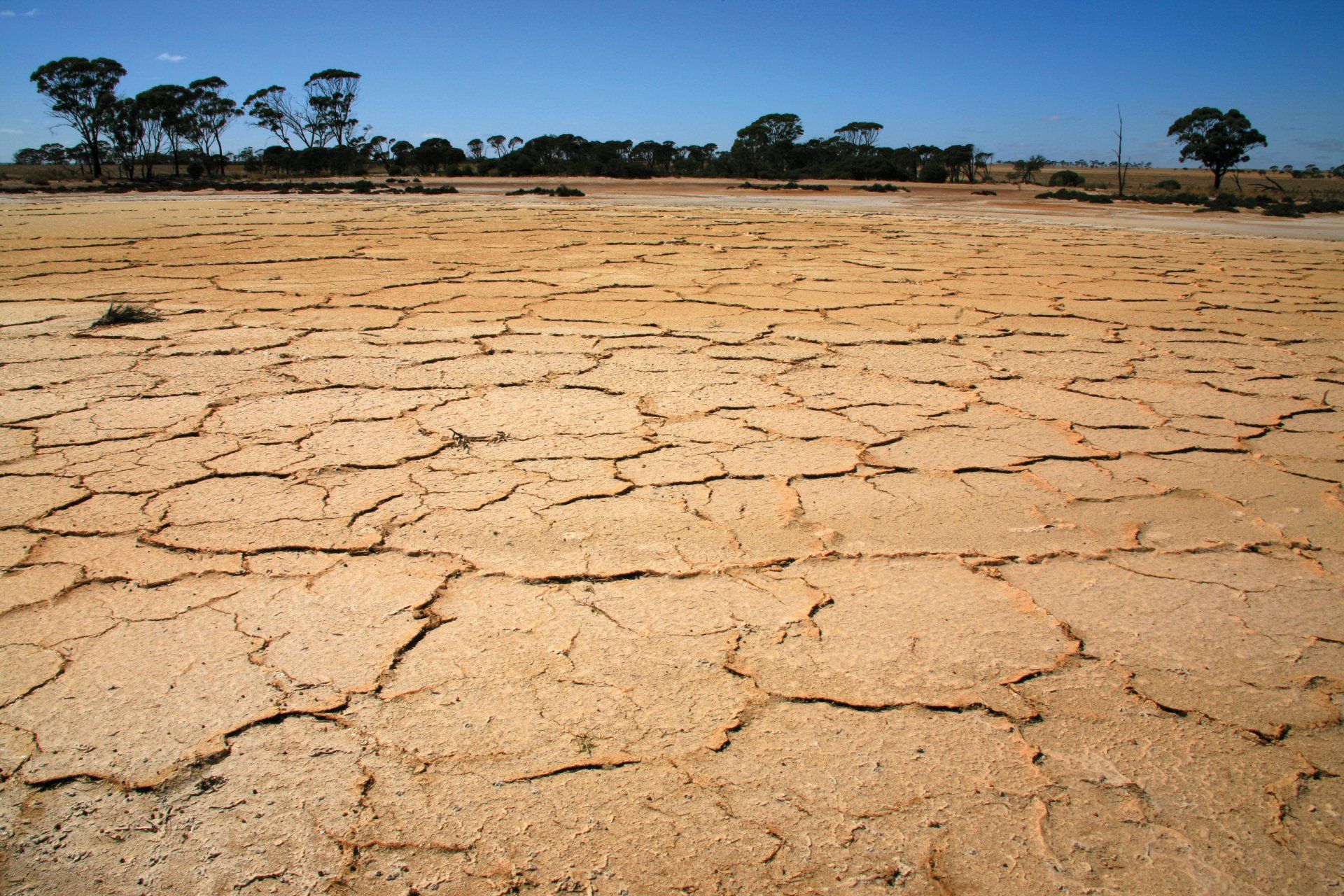
Of all the issues that have vexed Australian agriculture over the past hundred years, the most controversial and most persistent is what to do about drought. There have been some backward steps, but policy reforms are now resulting in better outcomes.
Despite their frequency, droughts have long been regarded as abnormal events in Australia. The earliest government responses were to attempt to droughtproof the nation through dams and irrigation systems, and to provide financial support to drought-affected farmers.
Droughts were treated as natural disasters, like floods and fires, with the cost borne by taxpayers. It didn’t take long for state politicians and farmers to realise that declaring a region to be in drought triggered funding from the Australian government. That needed to change.
A review in 1989 found that government drought subsidies removed the incentive for farmers to better prepare for drought. This led to the introduction of new policies designed to:
- encourage primary producers to adopt self-reliant approaches to managing their businesses for climate variability
- protect Australia’s agricultural and environmental resources during periods of climatic stress
- facilitate the early recovery of agricultural and rural industries, consistent with sustainable long-term levels.
Measures to achieve these objectives included farm household support payments and interest rate subsidies, both of which were triggered by the declaration of a drought to be an ‘exceptional circumstance’.
These changes led to questions about the merits of policies such as interest rate subsidies, questions exacerbated by the experiences of the millennium drought from 2003 to 2010. Some regions of Australia experienced an ‘exceptional circumstances’ drought for ten years or more, with many farmers accessing drought support repeatedly with no evidence they were becoming more self-reliant.
An intergovernmental agreement on drought policy reform in April 2013 recommended the cessation of drought declarations, a broadening of the availability of farm household welfare support, the removal of farm business support measures, and a focus on training and support to improve farmers’ business management skills and drought preparedness.
Despite the agreement, in the run up to the 2013 election the Australian government implemented a new drought support measure (contrary to the intergovernmental agreement) in the form of a concessional farm finance scheme, with the finance available even in states where drought was not occurring.
There are a number of lessons arising from the recent developments in drought policy in Australia. The first is that enduring drought policy is necessarily a compromise between what is economically ideal and what is politically acceptable. Economists can develop sound policies based on the need to send the right messages about appropriate risk management and drought preparation, but there is an innate tendency for politicians to respond to drought by ‘doing something’ – even when it is largely ineffectual.
Some farmers and politicians engage in mutually beneficial behaviour in response to drought. They both know that if farmers make enough noise then politicians will act. Drought policy that ignores this reality is unlikely to succeed.
A second key lesson arising from changes in farm demographics is that industry-wide policy responses are often ineffective, due to the increasing diversity of farm businesses. There is no such thing as an ‘average farmer’, meaning it is very difficult to develop drought support measures that treat all farmers equally.
A third key lesson is that farms are different to other businesses. Their level of revenue volatility and risk is much higher than that experienced by most businesses in other sectors of the economy. That means that major drought events in Australia will result in severe industry and regional disruptions, with the potential to impose significant costs on the community.
Given these lessons and the many and varied twists and turns that have occurred along the drought policy reform road, how adequate are current drought policies?
The 2013 decision to cease drought declarations and to stop interest rate subsidies has attracted criticism, but even during the extended millennium drought 70 per cent of broadacre and dairy farms in drought areas received no assistance.
Many believe that interest rate subsidies have rewarded inefficient farmers or those carrying too much debt, and penalised those who prepared adequately for drought. It has also generally not been available to farmers in the intensive livestock and horticulture sub-sectors, despite the fact that these constitute almost 20 per cent of all farm businesses.
Many of these drought support measures sent perverse messages about the need for drought preparedness. They also often had a hidden cost in that they discouraged the development of commercial risk management options such as multi-peril insurance products, which are an efficient alternative approach to in-drought support.
These multi-peril insurance products take a number of forms, with some based on defined meteorological events, and others based on realised farm income. They are commonly available internationally, usually with premiums heavily subsidised by governments. They allow farmers to select and pay for the level of risk they are prepared to be exposed to.
Many question whether such products will ever gain wide acceptance in Australia. They certainly offer much more flexible and personalised drought risk management options for farmers than will ever be achieved by a blanket government payment program, with all the accompanying eligibility criteria and policy changes.
There is potential for government to provide greater incentives for farmers to take up these policies, through measures such as enhanced tax deductibility. This would help to reduce the cost, while ensuring commercial providers remain competitive and tailor products to meet the different needs of the various sub-sectors of agriculture. It should also be close to revenue neutral for government, as any insurance payouts would be taxable income, in times when recipients would otherwise be unlikely to pay tax.
Reform will not work unless it is widely communicated to farmers and their advisors and financiers. After the intergovernmental agreement of 2013, the government made little attempt to explain the changes or the rationale for them. Several state governments then pretended they knew nothing about the agreement as soon as drought conditions emerged. Unless the farm sector is fully engaged in future drought policy reforms, this will happen again in the future.
The lesson: Australia needs to treat drought as a regular occurrence rather than a natural disaster, and modify farming behaviours and policies accordingly.
About the author: Mick Keogh is Executive Director of the Australian Farm Institute, an independent policy research institute that conducts research into strategic policy issues of importance to Australian agriculture. In 2011 he was appointed to chair the Australian government’s panel to review drought support measures, the outcome of which was a fundamental change in Australian drought policy. Since 2012 he has also been chairman of the National Rural Advisory Council (NRAC), a statutory body which provides advice to the Minister for Agriculture, Fisheries and Forestry. He is also a member of the CSIRO Sustainable Agriculture Flagship Advisory Committee.
NEWS
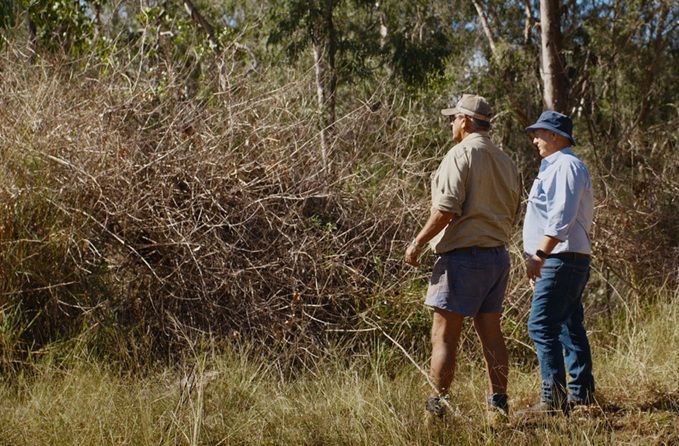
Invasive woody weeds steal your pasture. Method helps you take it back.
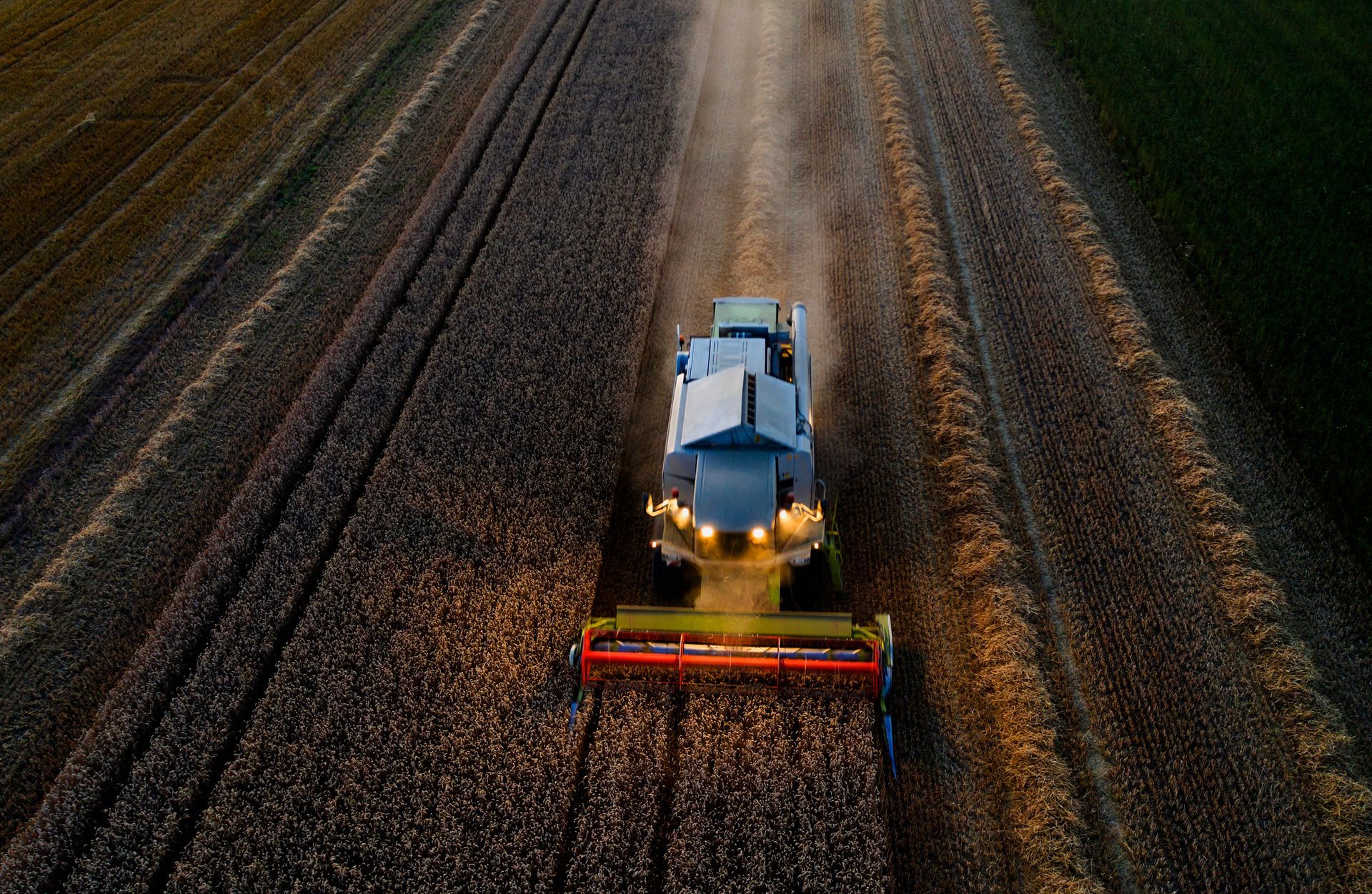
High-precision GNSS has typically been too costly and complex for all but the most critical agricultural operations, but recent RTK GNSS innovations have made centimetre accuracy scalable to all applications in Ag-Tech.

Every Aussie farmer knows that the difference between a “good” crop and a “record-breaking” one often come down to the smallest details. At BioFlora, we’ve spent years perfecting the balance of plant nutrition, and the result is IsoGreen – our powerhouse liquid formula designed to push your yields and crop taste to their absolute peak.

Plant, spray and harvest with confidence using reliable centimetre level positioning. Hexagon SmartNet provides fast, accurate RTK corrections across Australia to reduce overlaps, lower input costs and maximise productivity. With no base station required, simply connect, get a fix and get to work.

Built for the demand of Aussie farmers. Designed for every day performance.
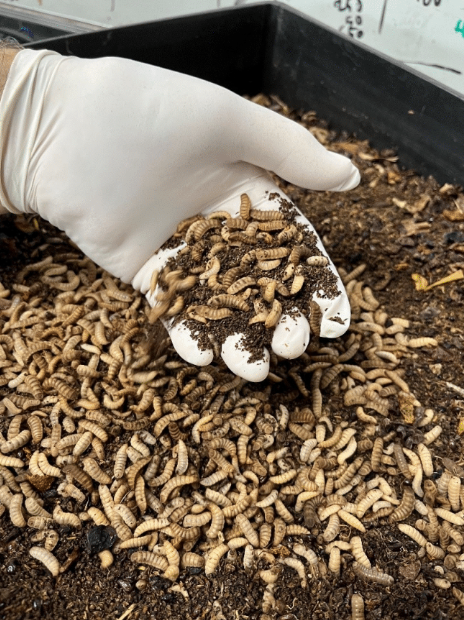
They’re wriggly black grubs more commonly tossed to backyard hens than served at the dinner table, but black soldier fly larvae could soon play a key role in building a more sustainable food system, according to new research from Adelaide University.