




























































1MG FlippingBooks
Ag tertiary study fees for students slashed by 62%
Elizabeth Gracie

Fees for tertiary agriculture courses have been slashed by up to 62% in an unprecedented move to better develop stimulate economic growth and prosperity within Australia’s agriculture industry.
Minister for Education Dan Tehan slashed the course fees in an attempt to steer tertiary students into careers with good employment prospects and into essential high growth industries.
A tertiary degree in agriculture will now cost only $3700 annually, or $11100 for a three-year degree.
Universities delivering the courses have raised concerns at the cut in student contributions, as the Government has not allocated additional funding to make up for the shortfall, meaning that the Universities will bear the costs that previously fell on students.
Professor Iain Young, Dean of Science at the University of Sydney and past president of the Deans of Agriculture warned the ABC that, "Agriculture will be worse off by $3,500, environmental studies roughly $10,000 a year and science overall will be worse off by $4,759 per year per student."
"There's a danger of lower quality degrees and less resourcing for STEM subjects in university."
National Farmers’ Federation CEO Tony Mahar welcomed the move to cut down the cost of tertiary agricultural education and hopes that it encourages potential agriculture students to move into the industry.
“We know that the size of the job market far exceeds the supply of agriculture graduates,” said Mahar.
According to Mahar, the announcement is also aligned with the NFF’s Roadmap to grow a $100bn agriculture industry in the next ten years, and the skilled workforce to drive it.
NFF President Fiona Simson said that “this lessening of course fees of about 62 per cent is really going to go a long way to making sure we can keep bringing the best and brightest into agriculture”
“People are a really important pillar of that vision,” she said.
“The NFF’s Roadmap to a $100bn agriculture sector by 2030 recognises how critical skilled workers are to the sector’s success and includes a goal to double the number of tertiary and vocational agriculture graduates by the same year,” said Mahar.
When speaking with the ABC, NFF President Fiona Simson said that the announcement “is really going to drive the regional development and the growth of Australia going forward, and we badly need good people to drive that growth”.
And whilst in recent years enrolment levels in agriculture-related courses have plummeted, Simson believes that reduced study fees for the courses will boost these numbers to levels that have previously been unseen.
“I’m confident that we will see a flood of students back to some of those disciplines,” said Simson.
Mr Mahar said the Education Minister Tehan’s Job Ready Graduates Package would further incentivise students to pursue a career in agriculture or upskill for further employability opportunities to meet the evolving needs of the sector.
Lorraine Gordon, Director of Strategic Projects at Southern Cross University said that the fee reductions were one of the best policy decisions that she had ever seen, sharing the NFF’s sentiment that the Government was finally recognising the important role agriculture plays in Australia.
“The future of humanity relies on food and agriculture,” said Gordon.
“And us being able to equip students in those regenerative practices that also look after the environment while we produce food”.
NEWS
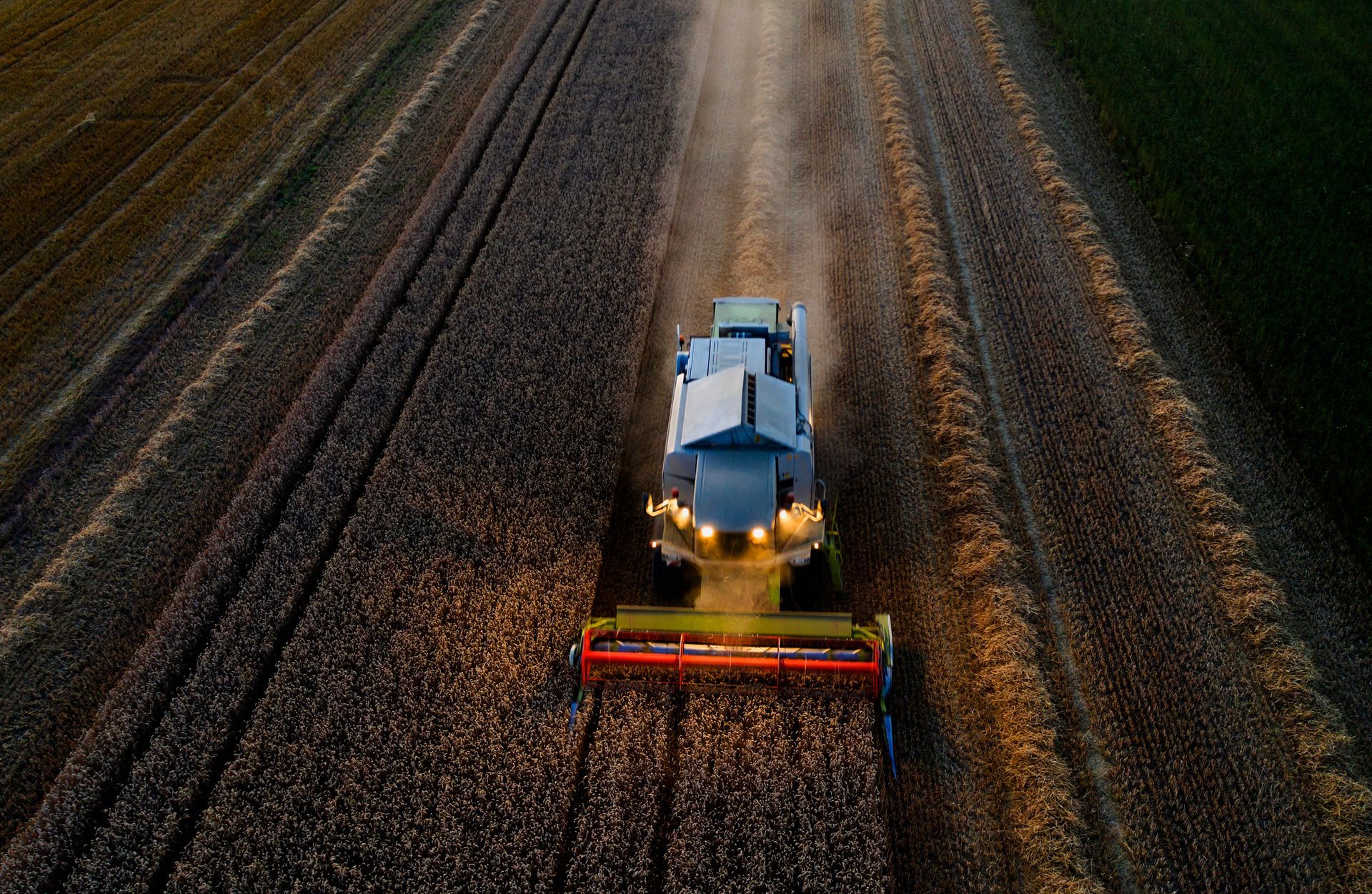
High-precision GNSS has typically been too costly and complex for all but the most critical agricultural operations, but recent RTK GNSS innovations have made centimetre accuracy scalable to all applications in Ag-Tech.

Every Aussie farmer knows that the difference between a “good” crop and a “record-breaking” one often come down to the smallest details. At BioFlora, we’ve spent years perfecting the balance of plant nutrition, and the result is IsoGreen – our powerhouse liquid formula designed to push your yields and crop taste to their absolute peak.
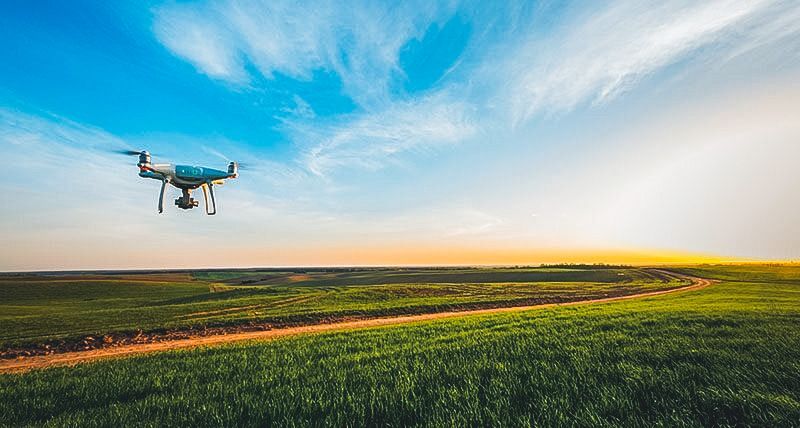
Plant, spray and harvest with confidence using reliable centimetre level positioning. Hexagon SmartNet provides fast, accurate RTK corrections across Australia to reduce overlaps, lower input costs and maximise productivity. With no base station required, simply connect, get a fix and get to work.

Built for the demand of Aussie farmers. Designed for every day performance.
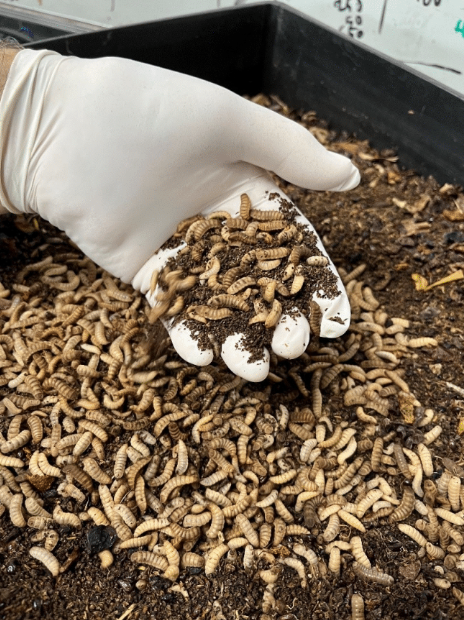
They’re wriggly black grubs more commonly tossed to backyard hens than served at the dinner table, but black soldier fly larvae could soon play a key role in building a more sustainable food system, according to new research from Adelaide University.
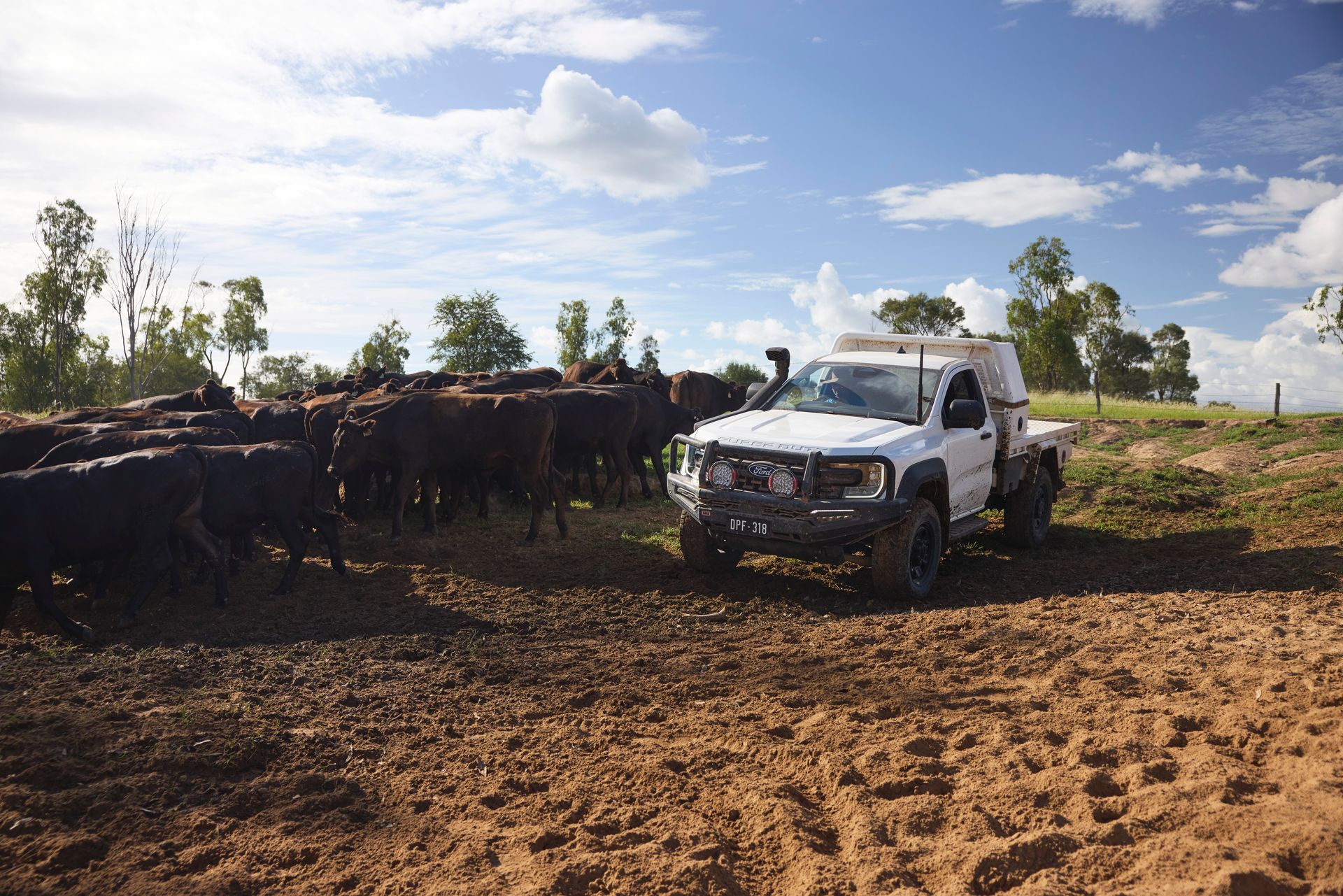
After four years of customer research and 500,000 test kilometres, Ford says the Ranger Super Duty brings farmer-driven customisation into the factory, with more towing, payload, and durability built in.