

























































1MG FlippingBooks
Farm fatality report reveals initial 2020 figures
Elizabeth Gracie
Farmsafe Australia has released the Safer Farms 2020 Agricultural Injury and Fatality Trend Report, noting 58 agriculture-related fatalities in the past 18 months.
The report data was compiled by AgHealth Australia and outlines how farmers can mitigate the risks associated with agriculture work.
Chair of Farmsafe Australia, Charles Armstrong noted that Australia’s agriculture industry is highly dangerous to work in, but hopes that the continuous work of Farmsafe Australia will lower risks.
From the 58 fatalities, 8 per cent were caused by large farming animals, 13 per cent by tractors, 22 per cent by quad bikes, 3 per cent by water dams, 8 per cent from side by side UTV’s and 3 per cent by motorbike accidents. The report does not make clear the causes of the remaining 43 per cent of fatalities.
There were 133 non-fatal injuries in the last 18 months, of which 18 per cent animal-related injuries, 35 per cent quad bike-related injuries, and 11 per cent tractor-related injuries.
The report also outlined that 89.3 per cent of farm fatalities are male, with 50 per cent over the age of 50 years old.
CEO of the National Farmers Federation (NFF), Tony Mahar said that the report was a sobering read.
“These numbers must be cause for alarm for farmers and regional communities and highlight the need to do more to protect a farms most important asset, it’s people,” said Mahar.
FarmSafe Australia says that the ideology that many farmers take up that being a farmer is more a way of life than an occupation is dangerous and makes it very difficult to improve safety on farms.
According to Mahar, “being a farmer is more than just a job, it’s a way of life”.
However, they have identified four key insights into the barriers that stand in the way.
These include budgeting decisions where funds are deemed more needed elsewhere, unreceptive attitudes to changed practices and the “it will never happen to me” attitude as well the lack of a line between the home and work environment for farmers, especially those who have inherited farms and all the hazards and risk they encompass.
Crucially, the report outlines the importance of making safer farms the topic of conversation for all farmers constantly to encourage them to take responsibility and liability for their place of work and all those who work there.
The NFF hopes that by 2030 Australia reaches the goal of zero farm fatalities.
The report follows National Farm Safety Week for 2020 which aims to raise awareness of farm safety issues in rural communities in Australia.
NEWS
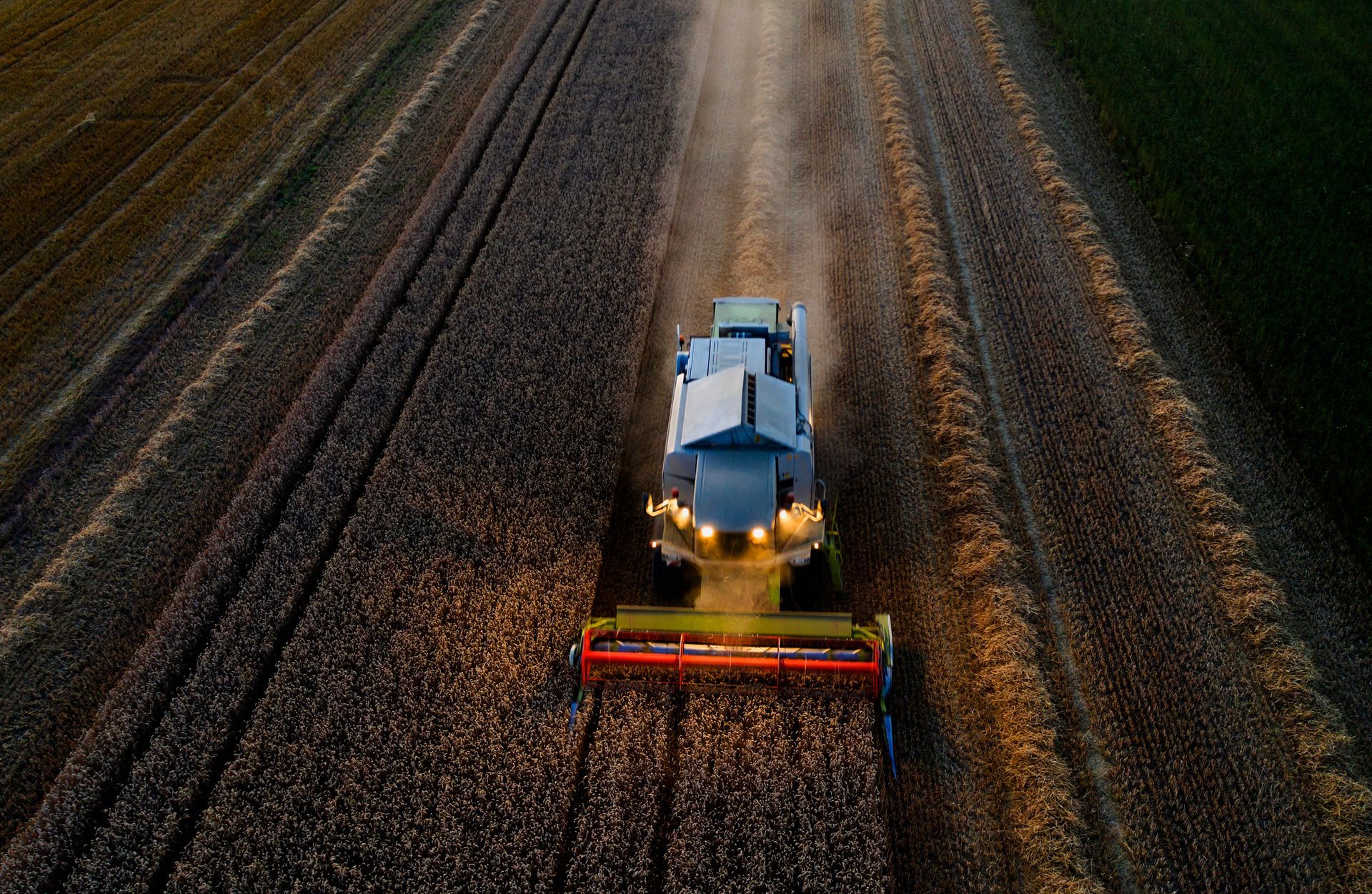
High-precision GNSS has typically been too costly and complex for all but the most critical agricultural operations, but recent RTK GNSS innovations have made centimetre accuracy scalable to all applications in Ag-Tech.

Every Aussie farmer knows that the difference between a “good” crop and a “record-breaking” one often come down to the smallest details. At BioFlora, we’ve spent years perfecting the balance of plant nutrition, and the result is IsoGreen – our powerhouse liquid formula designed to push your yields and crop taste to their absolute peak.
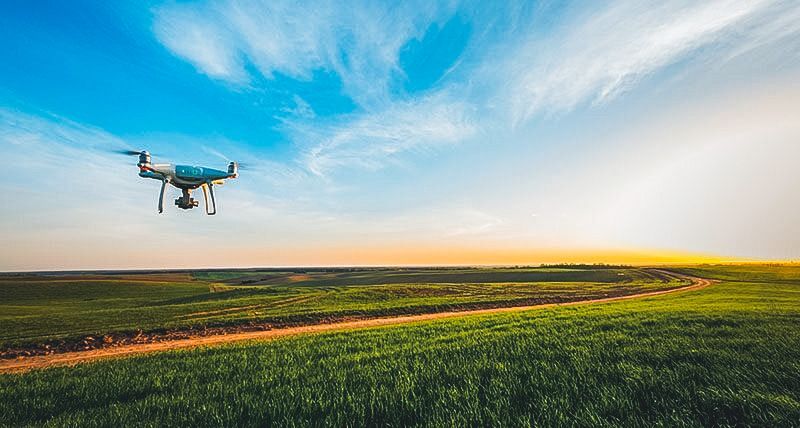
Plant, spray and harvest with confidence using reliable centimetre level positioning. Hexagon SmartNet provides fast, accurate RTK corrections across Australia to reduce overlaps, lower input costs and maximise productivity. With no base station required, simply connect, get a fix and get to work.

Built for the demand of Aussie farmers. Designed for every day performance.
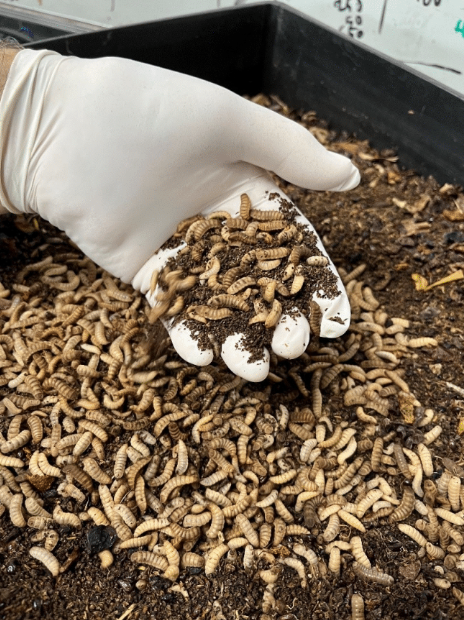
They’re wriggly black grubs more commonly tossed to backyard hens than served at the dinner table, but black soldier fly larvae could soon play a key role in building a more sustainable food system, according to new research from Adelaide University.
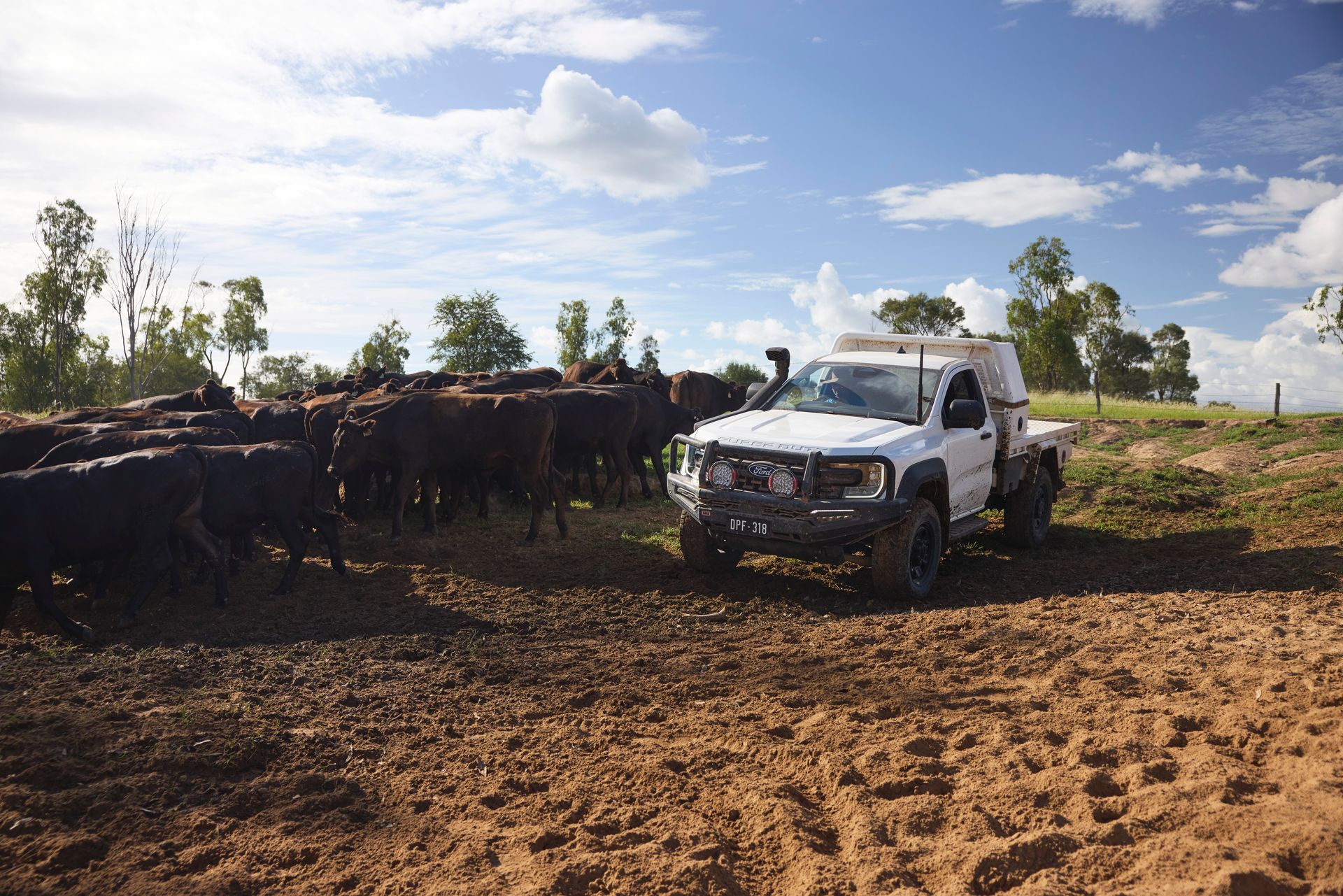
After four years of customer research and 500,000 test kilometres, Ford says the Ranger Super Duty brings farmer-driven customisation into the factory, with more towing, payload, and durability built in.