














































1MG FlippingBooks
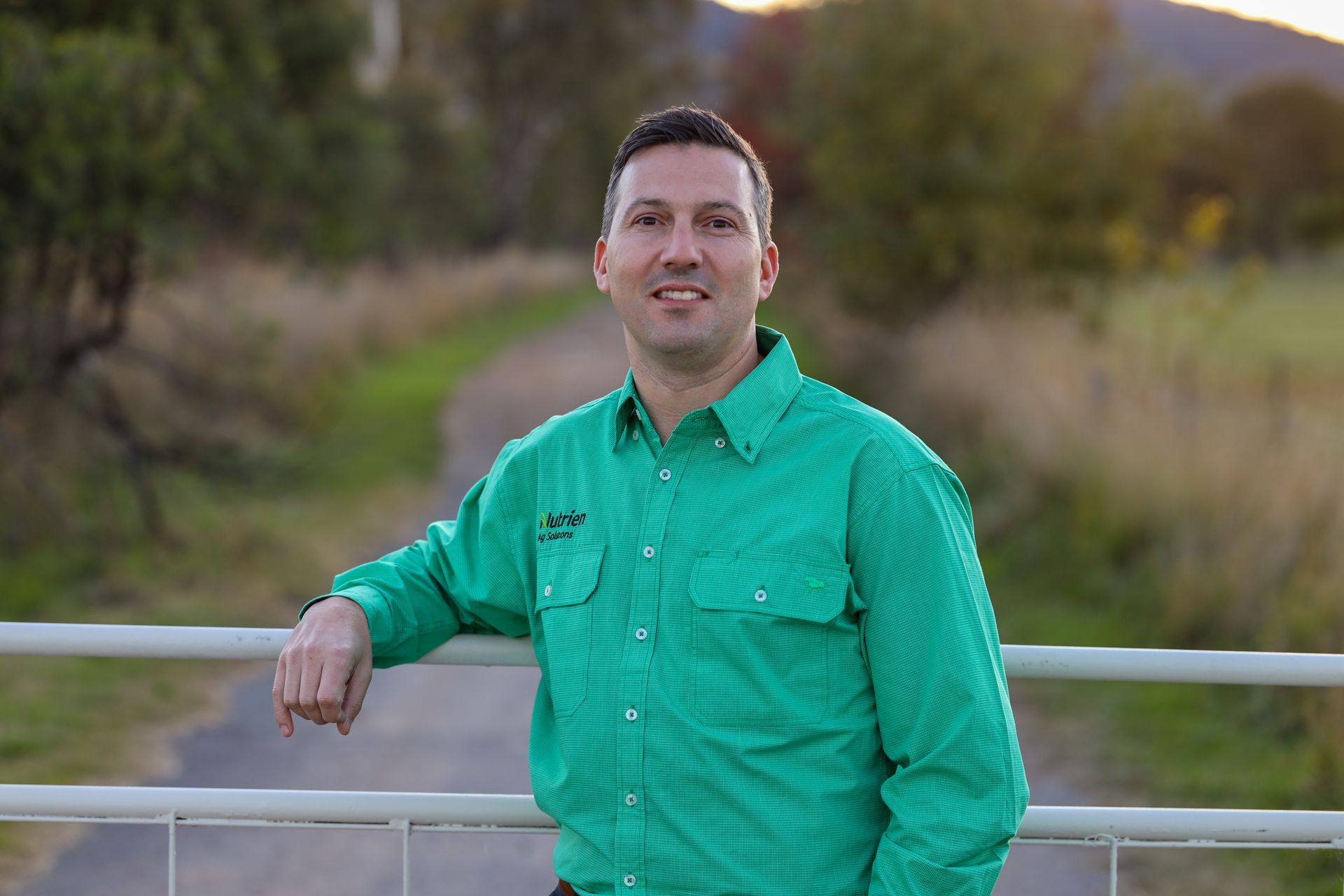
Five Mins Q&A with Kelly Freeman, Managing Director of Nutrien Ag Solutions
Kelly Freeman, Managing Director of Nutrien Ag Solutions – Australia, since October 2022, shares some insights around his passion for ag, the importance of managing risk, and priorities for the future of Australian ag.
TAF: What do you love about your ag career?
KF: I have a huge passion for ag. I grew up with rural roots in middle Canadian prairie, a 4th generation ag family. I cannot imagine working elsewhere. Like my home country, Canada, ag is very grounded in the social fabric of rural Australia – it is more than just a profession; it’s a way of life.
The mental stimulation, as ag simply never gets boring, is another factor for me. With so many variables and constant change in ag, the complexity of the ag industry across the whole supply chain just fascinates me. Some farmers, for example, are slower to adopt change while others are doing it faster. Many are keen to scale up while others are preparing for a succession plan. And there are so many new clever tools and farming practices that growers have available to them now, which can improve their returns. More than in any other time historically, there’s so much coming at the farmer this decade and the next. Understanding and dealing with this complexity is what makes the job so interesting and fun for me personally.
TAF: What should Australian farmers be prioritising this decade?
KF: The economic equation farmers have historically been faced with has broken down to two simple things: increasing productivity and marketing well. This, with good reliability, has for centuries determined what happens with farmer prosperity. Growers today, however, have a third dynamic to contend with: addressing the range of threats to their farming operations. This means exposure to risk whether it’s drought, climate variability, biosecurity, global competition, or consumer preferences related.
A competency in managing risk is therefore a key factor in grower success in the 2020s and beyond. Finding quality agronomists to support the grower’s knowledge needs, a key input for managing risk, is important. There are, fortunately, more and more digital tools available to growers to help manage risk. A formal risk qualification, while not essential, is an option for some who want to stay ahead of the game.
I have visited many agricultural economies around the world and, when it comes to managing risk, I rate Australian farmers as some of the most adept globally. This was one of the first things I observed when arriving in this country in late 2022. And they should be emboldened by this quality, especially given the sheer diversity of the natural environment they operate in – which is virtually unparalleled.
TAF: What fills you with confidence with the future of Australian ag?
KF: Lots of things. Mostly, it’s Australian farmers’ fierce dedication to efficiency. They know how to make the best of situations and, when confronted with a problem, they will either find a way to solve it or seek another opinion; collaboration and sharing ideas are very strong in this country. And, like Canadian farmers, there is a sense of pride Australian farmers have in their operations; a good thing. The strong relationship between Australian agriculture and Canadian agriculture economies, including talent sharing, is also a positive. Further, with the convergence of forces at both the ag buyer and ag supplier, the economic opportunity presented to Australian farmers by the explosion of sustainability practices cannot be overstated.
TAF: What are you anxious about with the future of Australian ag?
KF: Workforce security, mostly. The right quality and quantity of people for the scores of different types of ag jobs is a nationally important priority. Australia absolutely does have a lot of great people, both depth and breadth. But we need to be always thinking about how to fill these jobs of the future, especially as ag is only going to get more and more sophisticated given the acceleration of advanced tools like agritech and robotics. By the end of this decade, there will be approximately one-quarter of a million ag jobs that need to be filled.
Another concern I have relates to the typically long investment cycles found in ag. The Australian ag industry is enjoying record economic growth and we should be doubling down to maximise its full potential. Farmers and their suppliers, whether they are in crop protection, machinery, fertiliser, or ICT, need to have stability over an extended period to have the confidence to invest in ag. Too much regulation is known to stifle investment.
NEWS
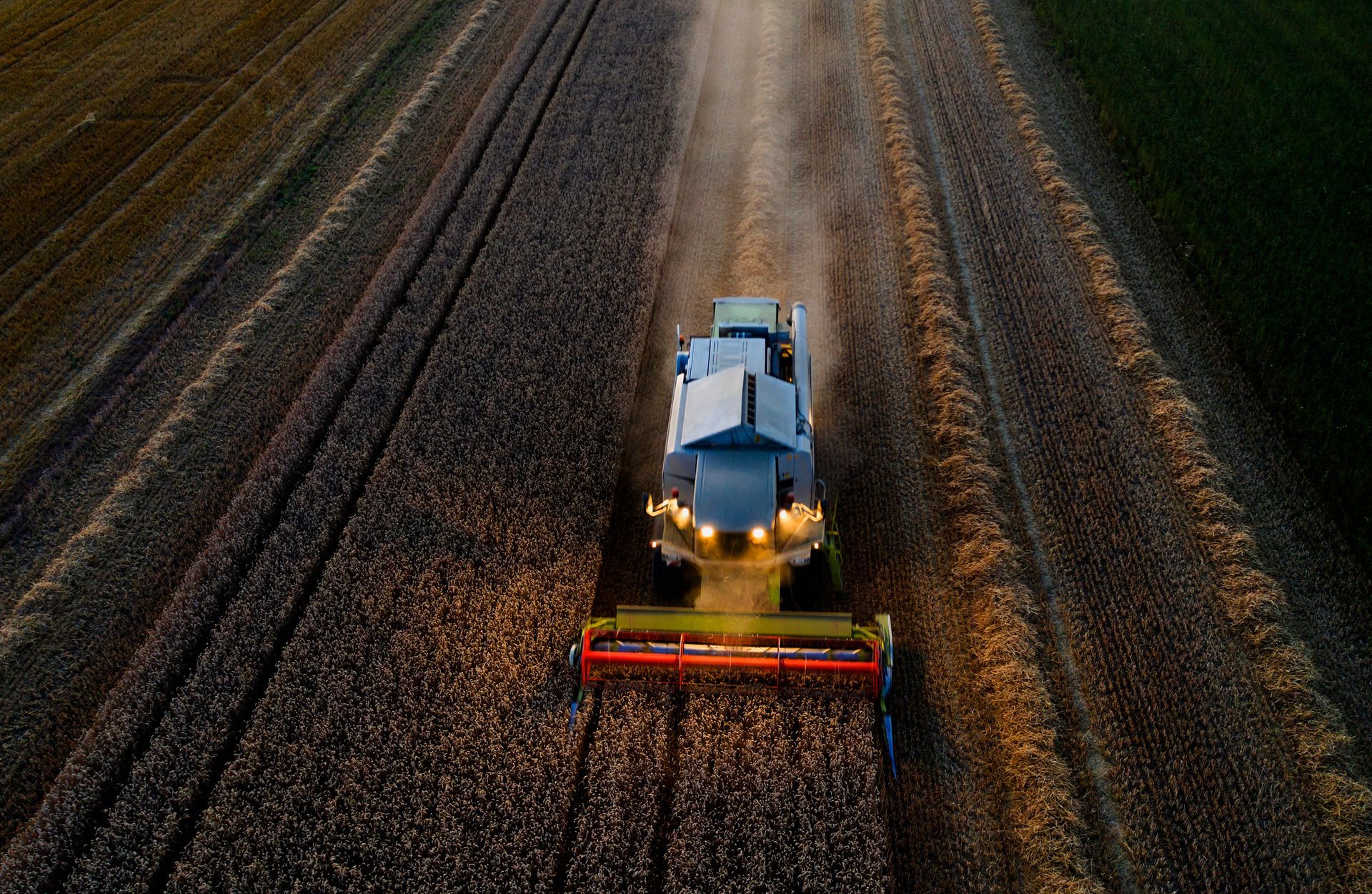
High-precision GNSS has typically been too costly and complex for all but the most critical agricultural operations, but recent RTK GNSS innovations have made centimetre accuracy scalable to all applications in Ag-Tech.
Every Aussie farmer knows that the difference between a “good” crop and a “record-breaking” one often come down to the smallest details. At BioFlora, we’ve spent years perfecting the balance of plant nutrition, and the result is IsoGreen – our powerhouse liquid formula designed to push your yields and crop taste to their absolute peak.
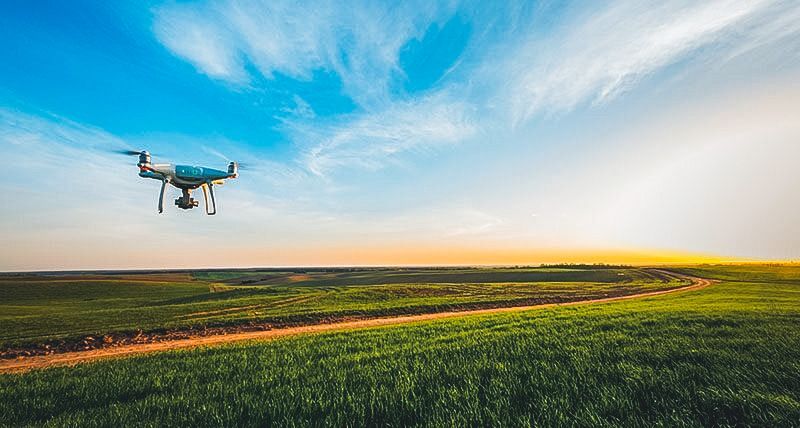
Plant, spray and harvest with confidence using reliable centimetre level positioning. Hexagon SmartNet provides fast, accurate RTK corrections across Australia to reduce overlaps, lower input costs and maximise productivity. With no base station required, simply connect, get a fix and get to work.
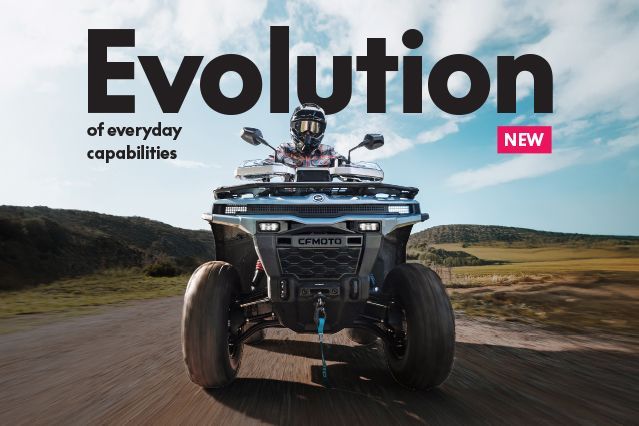
Built for the demand of Aussie farmers. Designed for every day performance.
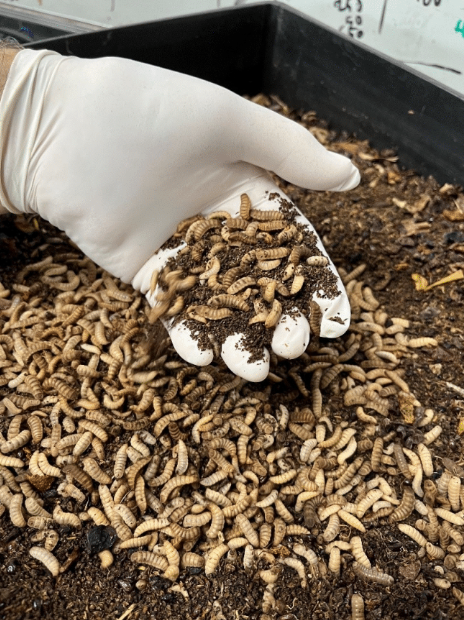
They’re wriggly black grubs more commonly tossed to backyard hens than served at the dinner table, but black soldier fly larvae could soon play a key role in building a more sustainable food system, according to new research from Adelaide University.
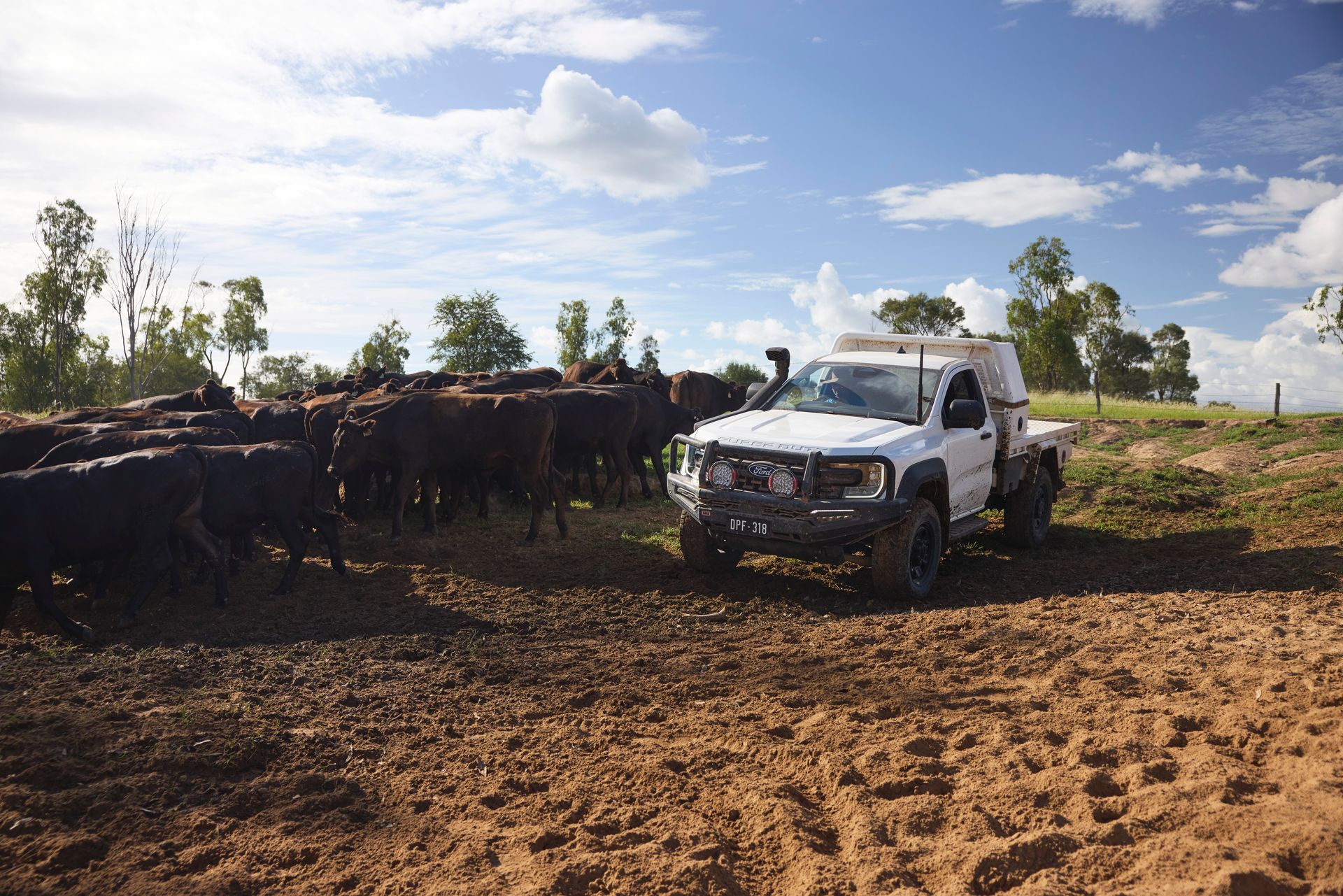
After four years of customer research and 500,000 test kilometres, Ford says the Ranger Super Duty brings farmer-driven customisation into the factory, with more towing, payload, and durability built in.