





























1MG FlippingBooks
From classroom to paddock: opening farm gates to future leaders
Luciano Mesiti and Dianne Murray
Immersive, hands-on agricultural education connects young Australians to the land, bridging classroom learning and industry innovation to cultivate the next generation of
skilled, tech-savvy producers
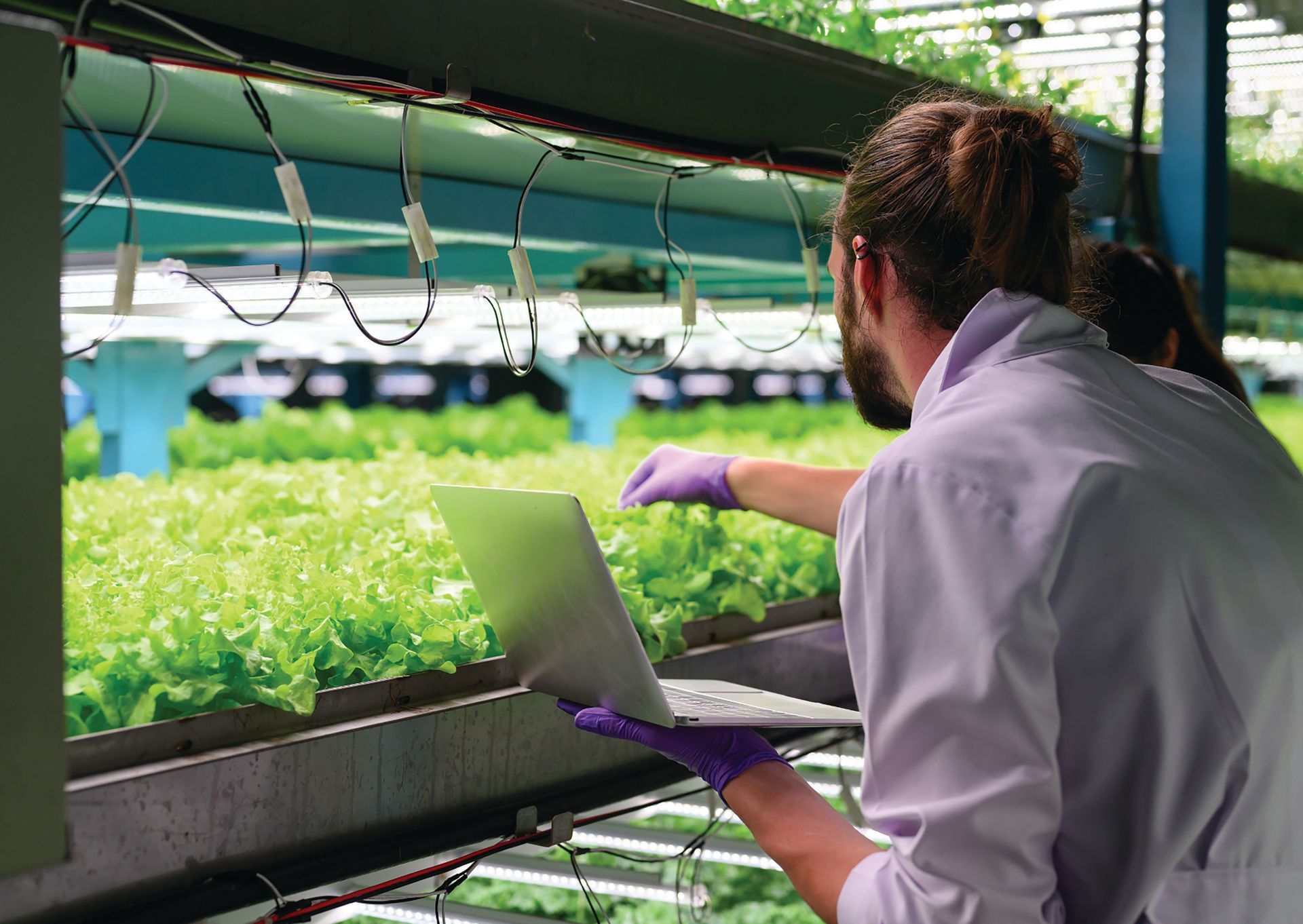
Australia’s agricultural success has always relied on people who understand both the land beneath their boots and the science behind their decisions. Yet as the sector advances through rapid technological change - autonomous machinery, data-driven cropping, and precision livestock management - the need for a workforce that is as comfortable coding as it is fencing has never been greater. The question is not whether the next generation will be ready for this transformation, but how we as an industry will help them get there.
Reimagining Agricultural Learning
For decades, agricultural education in schools was often framed through simple images of farming - cows, crops, and country life. Yet today’s agriculture is a complex, technology-driven industry that blends data science, genetics, logistics, environmental management, and engineering. Despite this transformation, many young Australians - both urban and rural - still view agriculture through an outdated lens. Addressing this knowledge gap offers a powerful opportunity to enrich classroom learning through authentic, applied experiences that connect education directly to the paddock.
Why Hands-On Experiences Matter
When students stand in a shearing shed, visit a research farm, or analyse soil moisture data from sensors they’ve helped install, they don’t just learn, they understand. These experiences turn abstract science into tangible knowledge. They demonstrate how innovation fuels productivity and how sustainable practices underpin profitability and resilience.
Programs that bring students onto farms, research facilities, and agribusiness sites don’t just build awareness, they create ambition. A Year 9 student testing drones over a cropping trial sees technology not as an accessory but as an essential part of future farming. A teacher using real-world case studies from local producers brings STEM learning to life. This blend of curiosity and capability is where the next generation of leaders begins.
Producers as Educators and Innovators
Farmers and producers who open their gates, factories or facilities to schools are doing more than offering a glimpse into rural or regional life, they are shaping the future workforce. From producers and agronomists to processors, exporters, and logistics specialists, these industry professionals become ambassadors of innovation when they demonstrate water-efficient irrigation systems, regenerative grazing methods, or digital mapping tools to students. Such encounters not only inspire young minds but also build community understanding of the challenges and opportunities facing modern agriculture. When farmers and industry professionals share their story, they contribute to an ecosystem of learning that extends well beyond their property boundaries.
The reciprocal benefit is powerful. Engagement with education gives producers a direct voice in how agriculture is represented in classrooms and public discourse. It ensures that the next wave of ag-literate citizens - and potential employees - understands the realities of modern production, environmental stewardship, and the role of innovation in feeding a growing population.
A Future Built on Partnerships
Australia’s food and fibre industries thrive when education, research, and enterprise collaborate. Schools, industry bodies, and producers each have a role to play in building pathways from curiosity to career. The most effective programs are those co-designed by educators and industry partners, aligning learning outcomes with real-world challenges such as water management, biosecurity, and the drive to produce more - sustainably and efficiently.
Across Australia, education and industry partnerships are reshaping how young people learn about agriculture. Organisations like PIEFA (Primary Industries Education Foundation Australia) that act as conduits between industry and education play a vital role in translating real-world practice into meaningful classroom learning. Through these collaborations, food and fibre concepts are being embedded into the national curriculum, digital resources are reflecting authentic industry examples, and teachers are gaining access to professional learning that connects theory to application.
To truly build future capacity, however, the entire agricultural supply chain must play a part. That means creating opportunities for students through work experience, internships, and in-school engagement, and equipping teachers and careers advisors with professional learning and mentorship, supported by industry. It also means industry groups sharing pathways and showcasing the breadth of modern agricultural careers, so young people can see a future for themselves within it.
Inspiring a Generation of Problem Solvers
The next generation of agricultural professionals won’t all be farmers, but they will all play a part in the agricultural value chain. From robotics engineers to environmental analysts, logistics experts to policy advisors, their skills will shape the sustainability and competitiveness of the sector.
By investing in immersive education, the industry isn’t simply promoting careers, it’s fostering innovation. Students who learn through experience develop problem-solving skills, adaptability, and a deep respect for the land and those who work it. These are the same qualities that drive productivity, resilience, and long-term sustainability across Australian agriculture.
If agriculture is to remain a cornerstone of Australia’s economic and environmental future, it must be visible, tangible, and aspirational to young people. That begins with collective action; farmers, educators, and industry leaders working together to connect learning with real-world agriculture.
When we connect classrooms to paddocks, we do more than teach; we inspire. We ensure that the next generation not only inherits an industry worth working in but helps to shape it into one that continues to feed, clothe, and sustain Australia for decades to come.
Luciano Mesiti is Chief Executive Officer of Primary Industries Education Foundation Australia and Dianne Murray is Communications and Business Manager of Primary Industries Education Foundation Australia.
NEWS
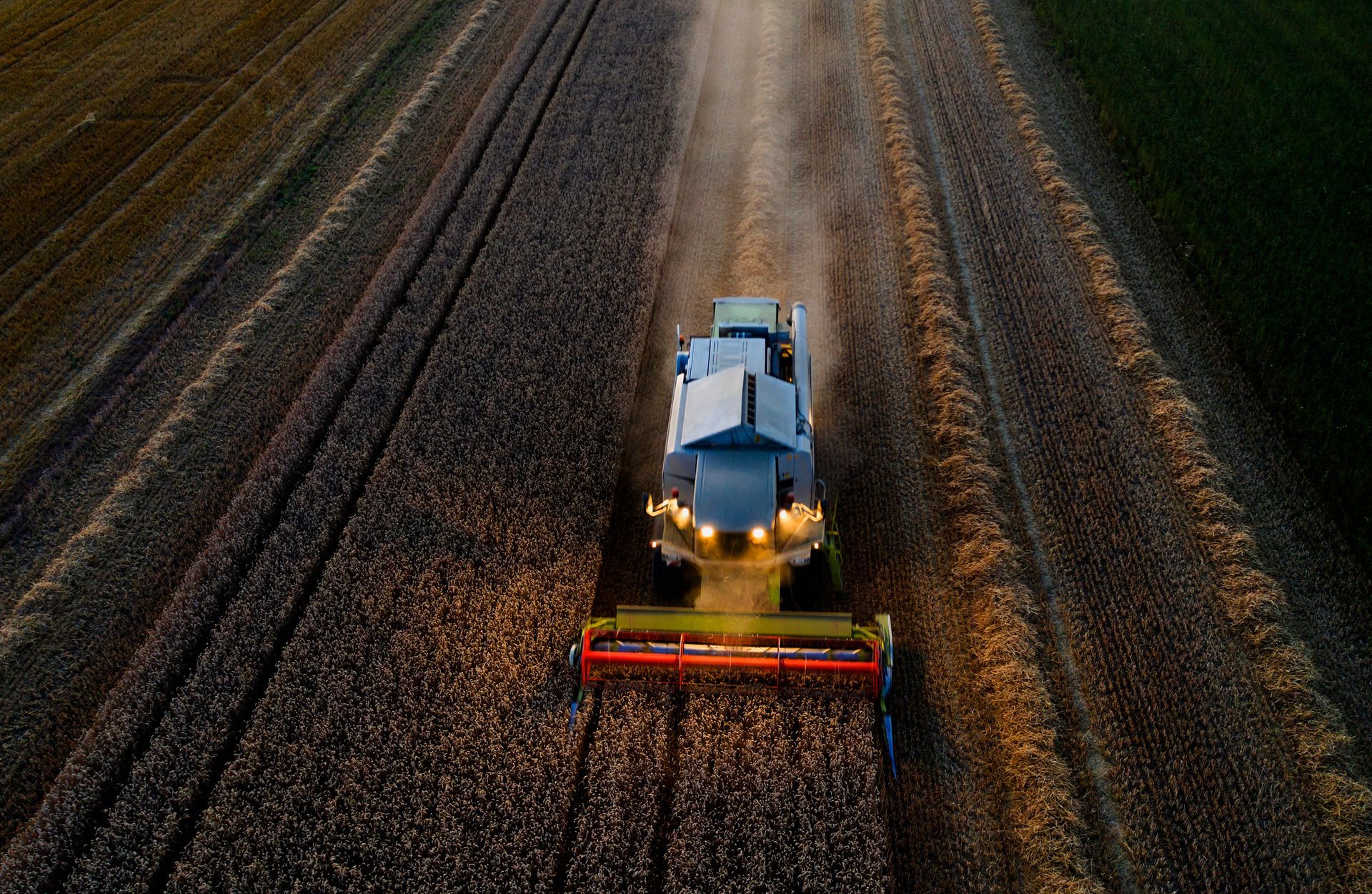
High-precision GNSS has typically been too costly and complex for all but the most critical agricultural operations, but recent RTK GNSS innovations have made centimetre accuracy scalable to all applications in Ag-Tech.
Every Aussie farmer knows that the difference between a “good” crop and a “record-breaking” one often come down to the smallest details. At BioFlora, we’ve spent years perfecting the balance of plant nutrition, and the result is IsoGreen – our powerhouse liquid formula designed to push your yields and crop taste to their absolute peak.
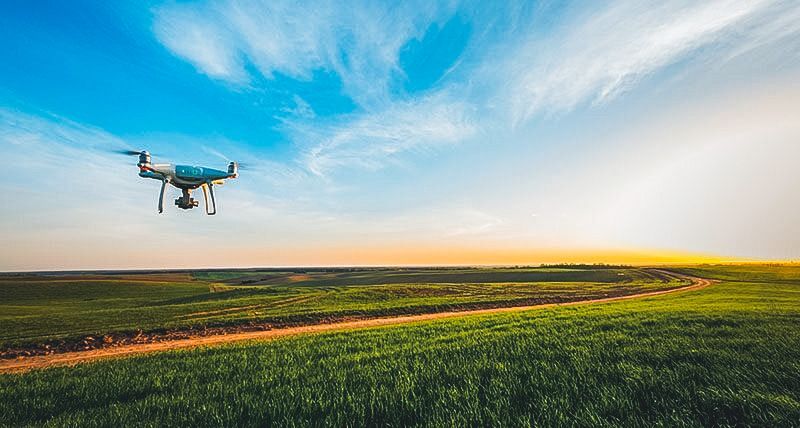
Plant, spray and harvest with confidence using reliable centimetre level positioning. Hexagon SmartNet provides fast, accurate RTK corrections across Australia to reduce overlaps, lower input costs and maximise productivity. With no base station required, simply connect, get a fix and get to work.
Built for the demand of Aussie farmers. Designed for every day performance.
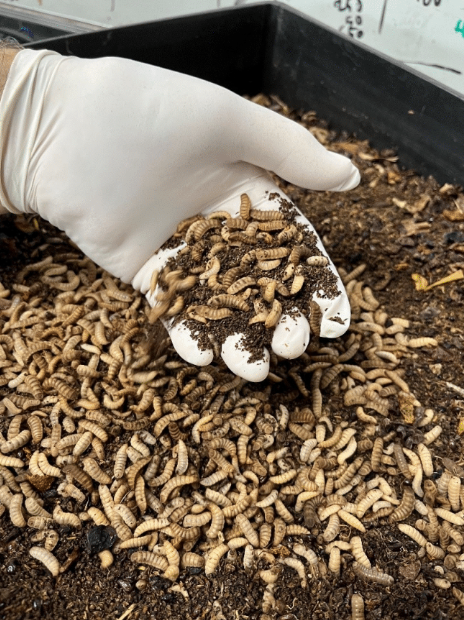
They’re wriggly black grubs more commonly tossed to backyard hens than served at the dinner table, but black soldier fly larvae could soon play a key role in building a more sustainable food system, according to new research from Adelaide University.
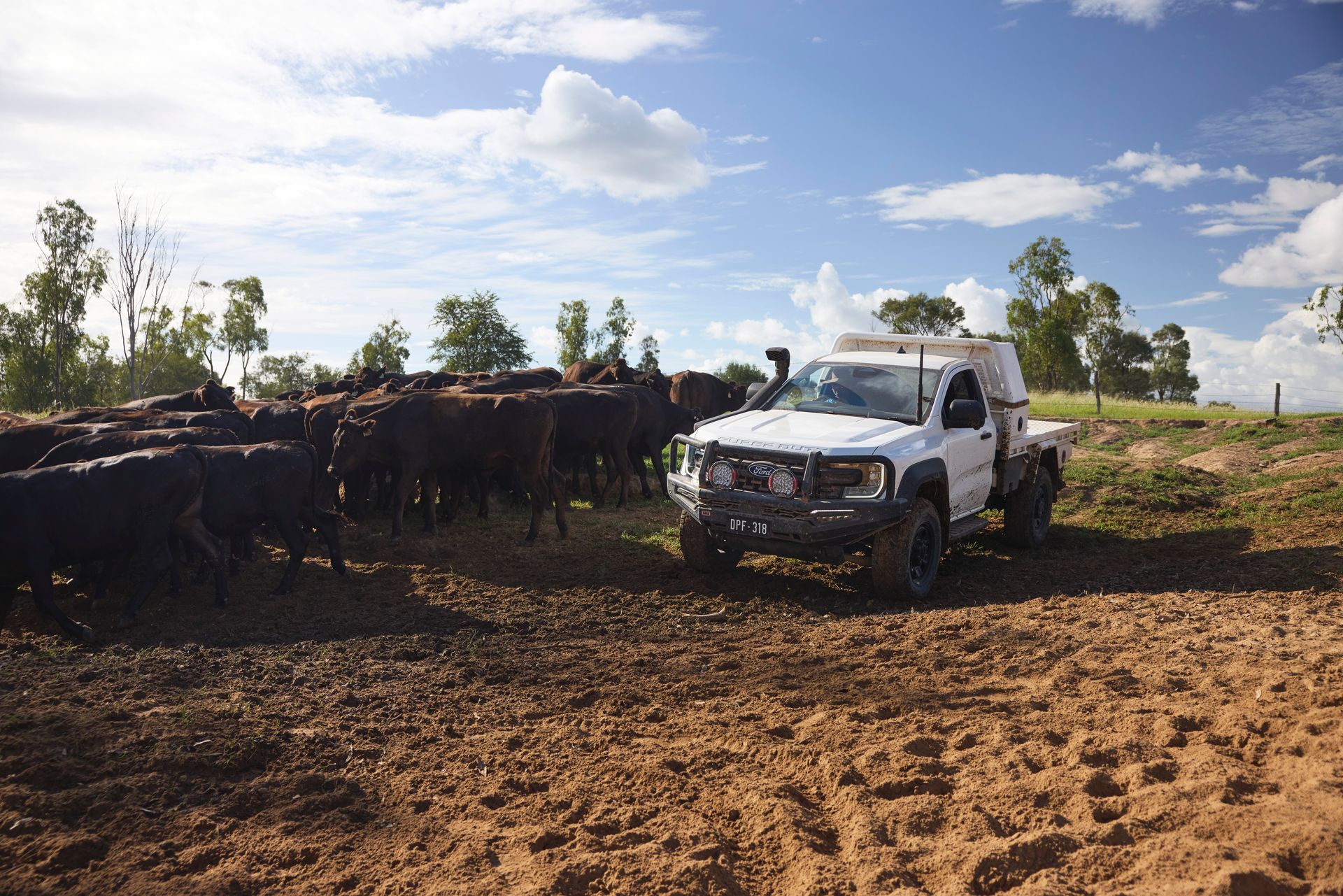
After four years of customer research and 500,000 test kilometres, Ford says the Ranger Super Duty brings farmer-driven customisation into the factory, with more towing, payload, and durability built in.