



























































1MG FlippingBooks
From Orchard to Fridge: Helping Mangoes Stay Sweet For Longer
Published with permission from Edith Cowan University
In good news for mango lovers, new research from Edith Cowan University (ECU) has identified a way to extend the storage life of the popular tropical fruit.
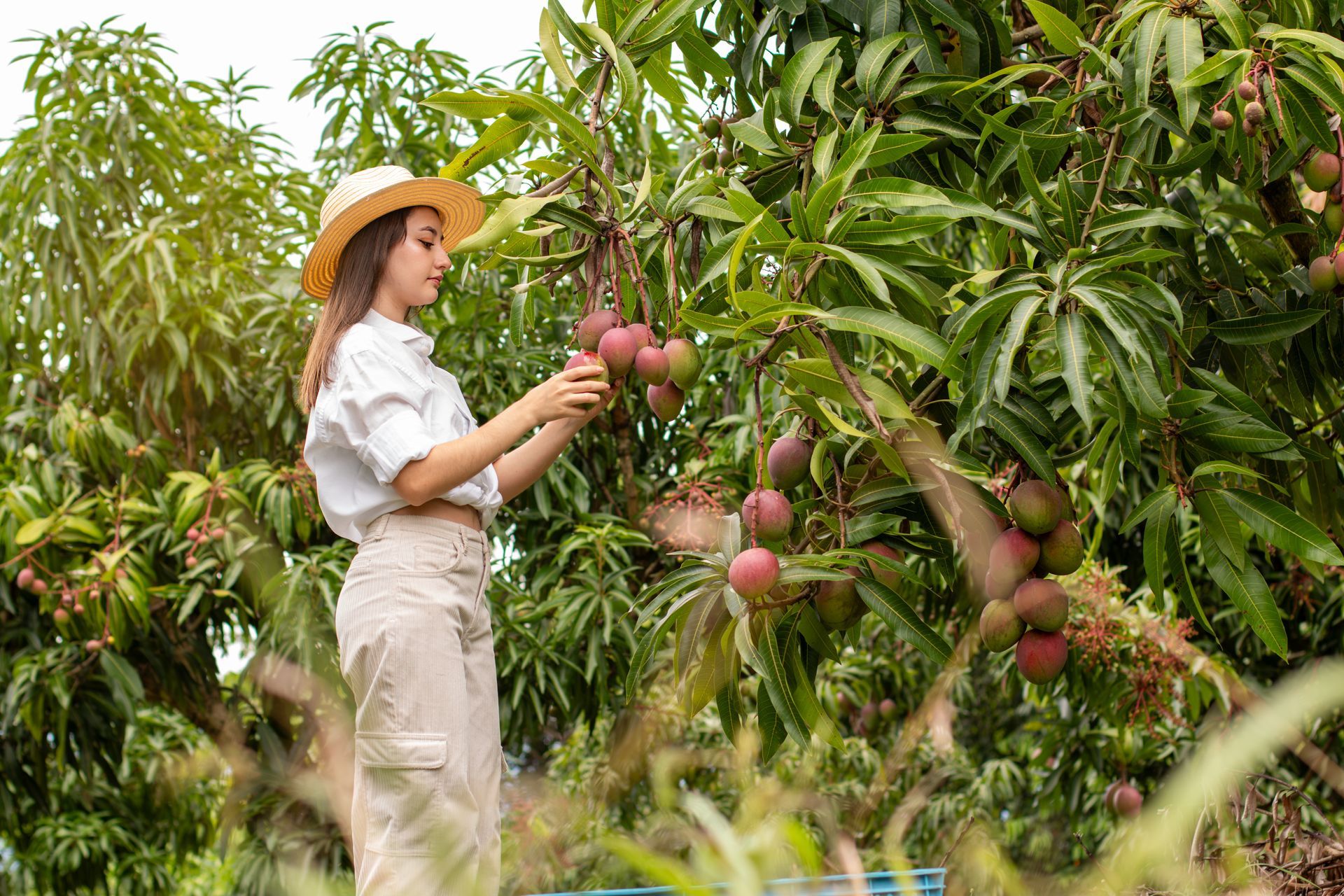
The study, led by ECU School of Science Lecturer Dr Mekhala Vithana, found that dipping mangoes in ozonated water (aqueous ozonation) for 10 minutes before cold storage extended the cold storage life by up to two weeks, with significantly lowered occurrence of chilling injury.
“Increasing storage life of mangoes is incredibly important for both growers and traders, as it reduces food loss during storage and offers a longer market window,” Dr Vithana said.
Rise in popularity and consequential waste
With a global rise in the consumption of fruit and vegetables in recent years, there has been a subsequent increase in the production of mangoes.
However, a significant proportion is lost along the supply chain due to rapid ripening and excessive perishability.
“It is estimated that about 20 per cent of the total Australian mango production is lost or wasted, and horticultural produce is responsible for about 50 per cent of the total food waste in Australia,” Dr Vithana said.
“Therefore, it is important to explore eco-friendly and cost-effective technologies to minimise post-harvest losses of mangoes.”
Growers to traders
Typically, mangoes are picked at the mature green stage and stored at 13 degrees Celsius for up to 14 days, however this is not cold enough for extended storage.
“Being a tropical fruit, unripe mangoes should not be stored below 12.5 degrees due to their high sensitivity to cold temperatures,” Dr Vithana said. “Prolonged storage of mango below this temperature causes a physiological disorder known as chilling injury, which damages the fruit skin and leads to decreased marketability and significant food waste.
“Therefore, susceptibility to chilling injury is the key limitation for exploiting cold storage technology to its maximum capacity for lengthening the storage life of mangoes.”
Ripe for research
The study - carried out on Australia’s most widely produced variety of mango Kensington Pride - tested aqueous ozonation technology to improve chilling tolerance during cold storage.
By dipping the mango in the ozonated water for 10 minutes prior to cold storage at 5 degrees Celsius, researchers found that they could keep the mangoes for longer with much less chilling injury.
“Generally, Kensington Pride mango can only be stored for about two weeks without ripening at 13 degrees. However, aqueous ozonation extends the storage and shelf life of these mangoes up to 28 days, with 40 per cent less chilling injury than untreated mangoes,” Dr Vithana said.
“The aqueous ozonation seems to be highly feasible technology for improving chilling tolerance and quality of Kensington Pride mango fruit.”
Dr Vithana said ozonation can be controlled on-site, is cost-effective and considered safe for workers at a threshold level due to its faster break down into oxygen.
“Aqueous ozonation is bubbling ozone into water through an ozone generator,” she said. “Ozone is a compound widely used to sanitise fruits and vegetables on a commercial scale.
“The ozonation can be combined with the hydrocooling step after quarantine heat treatment in export mangoes or separately as a sanitisation step just after harvesting, depending upon the convenience of the grower, but this needs further optimisation under commercial settings.”
Dr Vithana said ECU researchers are hoping to do further research on other varieties of mangoes to test their responsiveness and to achieve further reduction in chilling injury for extended cold storage.

NEWS

High-precision GNSS has typically been too costly and complex for all but the most critical agricultural operations, but recent RTK GNSS innovations have made centimetre accuracy scalable to all applications in Ag-Tech.
Every Aussie farmer knows that the difference between a “good” crop and a “record-breaking” one often come down to the smallest details. At BioFlora, we’ve spent years perfecting the balance of plant nutrition, and the result is IsoGreen – our powerhouse liquid formula designed to push your yields and crop taste to their absolute peak.

Plant, spray and harvest with confidence using reliable centimetre level positioning. Hexagon SmartNet provides fast, accurate RTK corrections across Australia to reduce overlaps, lower input costs and maximise productivity. With no base station required, simply connect, get a fix and get to work.

Built for the demand of Aussie farmers. Designed for every day performance.
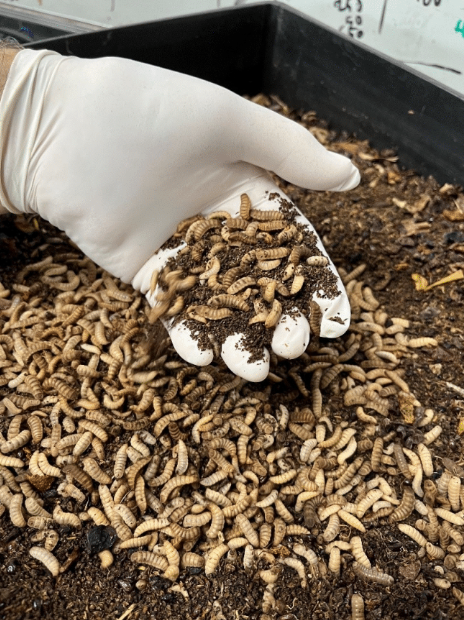
They’re wriggly black grubs more commonly tossed to backyard hens than served at the dinner table, but black soldier fly larvae could soon play a key role in building a more sustainable food system, according to new research from Adelaide University.
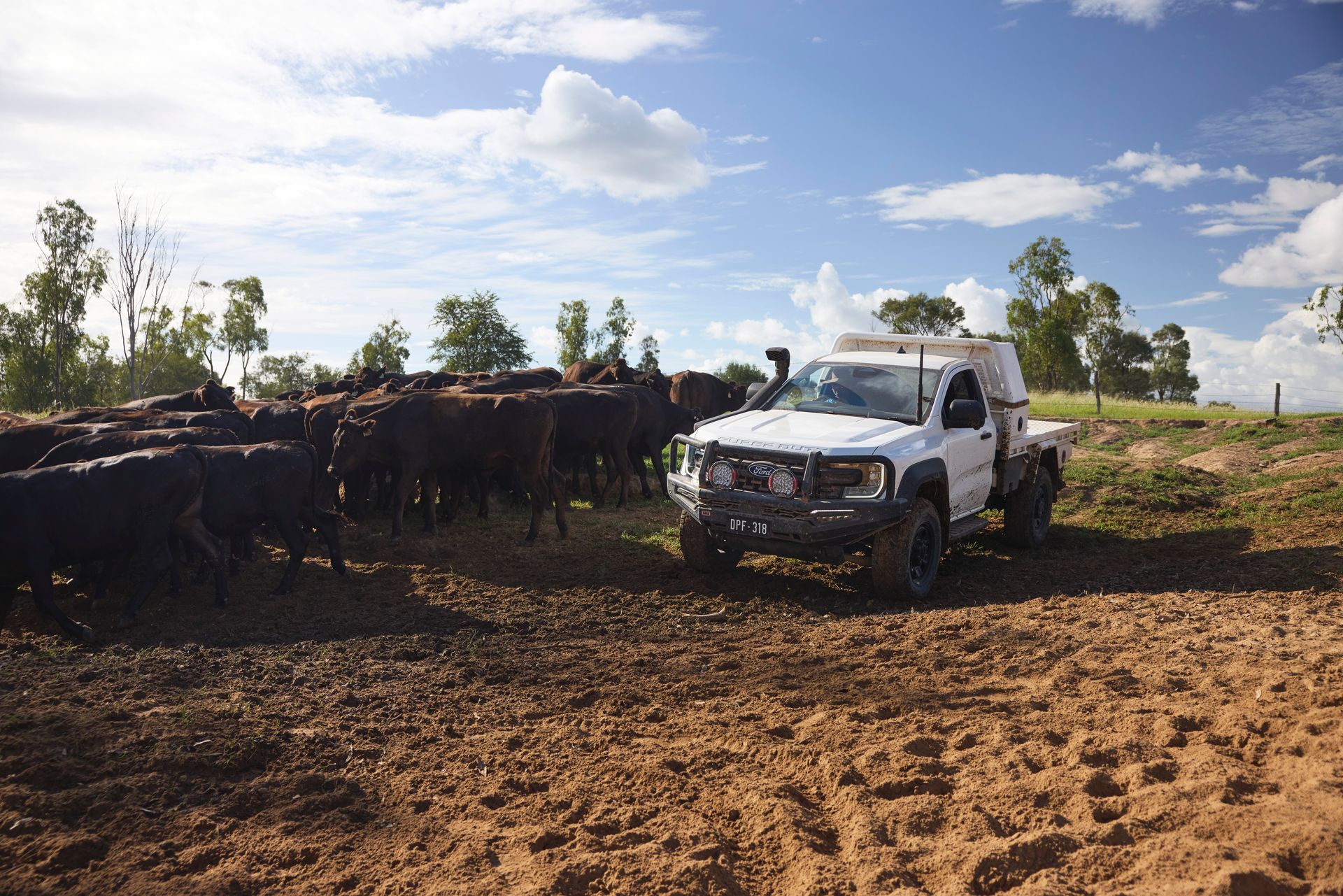
After four years of customer research and 500,000 test kilometres, Ford says the Ranger Super Duty brings farmer-driven customisation into the factory, with more towing, payload, and durability built in.