The idea of IYRP came from Jim O’Rourke, a rancher from Nebraska, who recognised that many governments around the world failed to value or understand their rangelands. His vision was to dedicate a year to highlight pastoralists, ranchers, herders, graziers and producers’ stories to city folk, governments.
The IYRP comes at a pivotal time. Around the world pastoralists are dealing with growing pressures, from shifting markets to climate extremes and more. For Australia’s producers, it’s a chance to show how innovation, research and stewardship are integral to sustainable production. IYRP is connecting Australian producers with global peers. IYRP 2026 is an opportunity to highlight rangeland management, as well as the science, innovation and culture that make outback communities vital to Australia’s future.
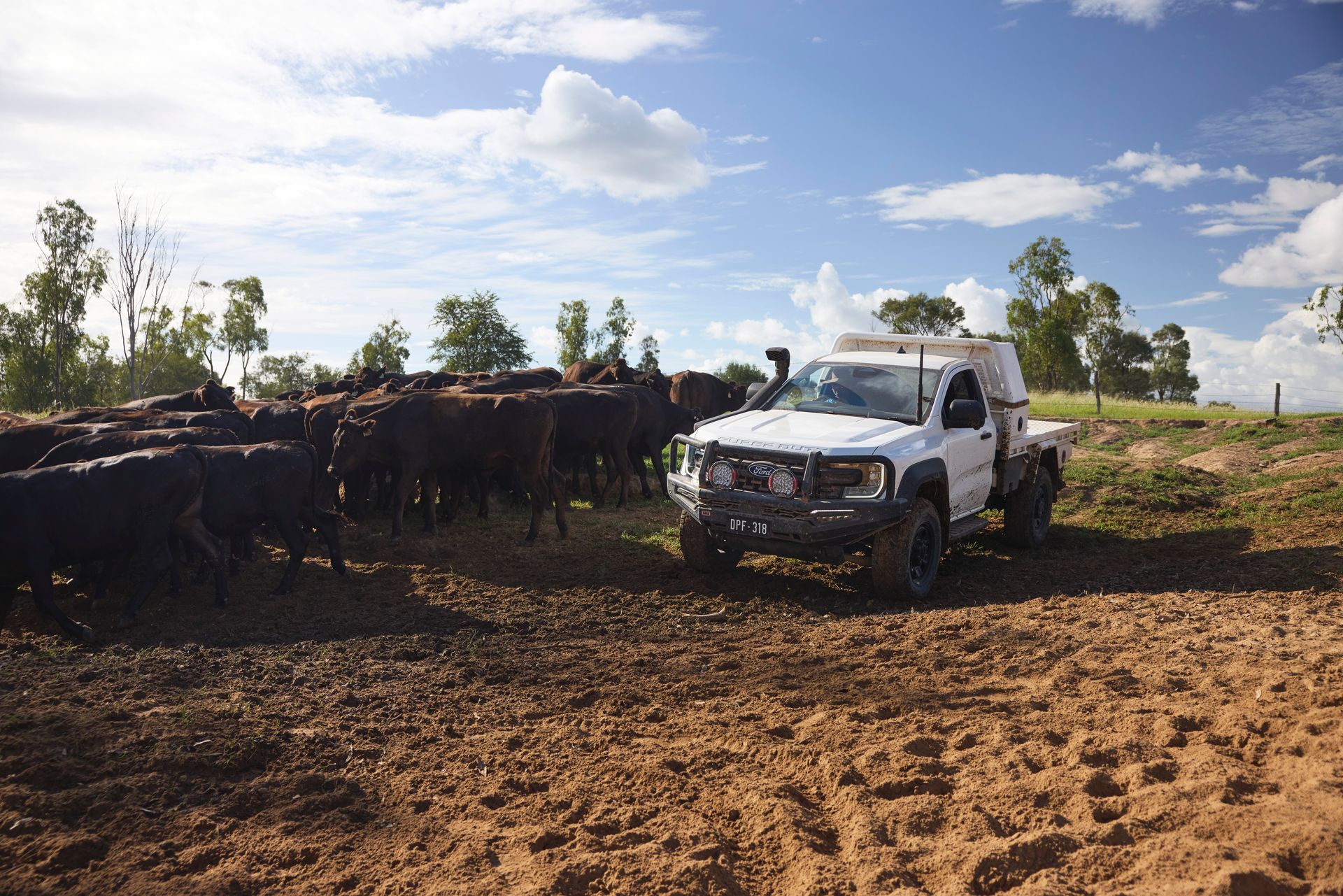
Rangelands provide many benefits. In Australia, rangelands are an economic powerhouse, with red meat contributing $22 billion in export income (Meat & Livestock Australia 2024). Livestock industries support the social fabric of rural communities, employing almost 500,000 people – including ringers, contractors, processors and other businesses servicing the red meat industry. Best practice management also protects the natural environment and biodiversity. Cultural traditions, of both pastoralists and Indigenous peoples, are found in the rangelands, and help define Australia’s character and values.
Science on the ground
IYRP will raise awareness that rangelands are not wastelands, but productive systems. Across Australia, pastoralists or livestock producers and scientists are working together to improve rangelands management, such as better
- knowledge about when to move cattle, based on availability of pasture
- information about the links between management, soil carbon and biodiversity
- education about how herd genetics influences cattle’s ability to manage heat stress.
Today’s rangeland management blends science with other knowledge and experience, giving producers new insights into how animals and landscapes interact. This science is practical. It helps producers refine decisions while highlighting the broad benefits of rangelands.
Science and lived knowledge from people who live on the land, provide the evidence that the IYRP will spotlight.
Technology in Rangelands Management
One of the strongest messages for the International Year is that livestock management is quite sophisticated, using high-tech innovations. Australian producers are among the most adaptive innovators in the world.
Cell grazing and holistic management are recognised as practical technologies for managing stock. Virtual fencing, GPS ear tags, digital collars and grazing Apps help producer spread grazing pressure evenly, allow pastures to recover, and match stock movements with rainfall and forage availability.
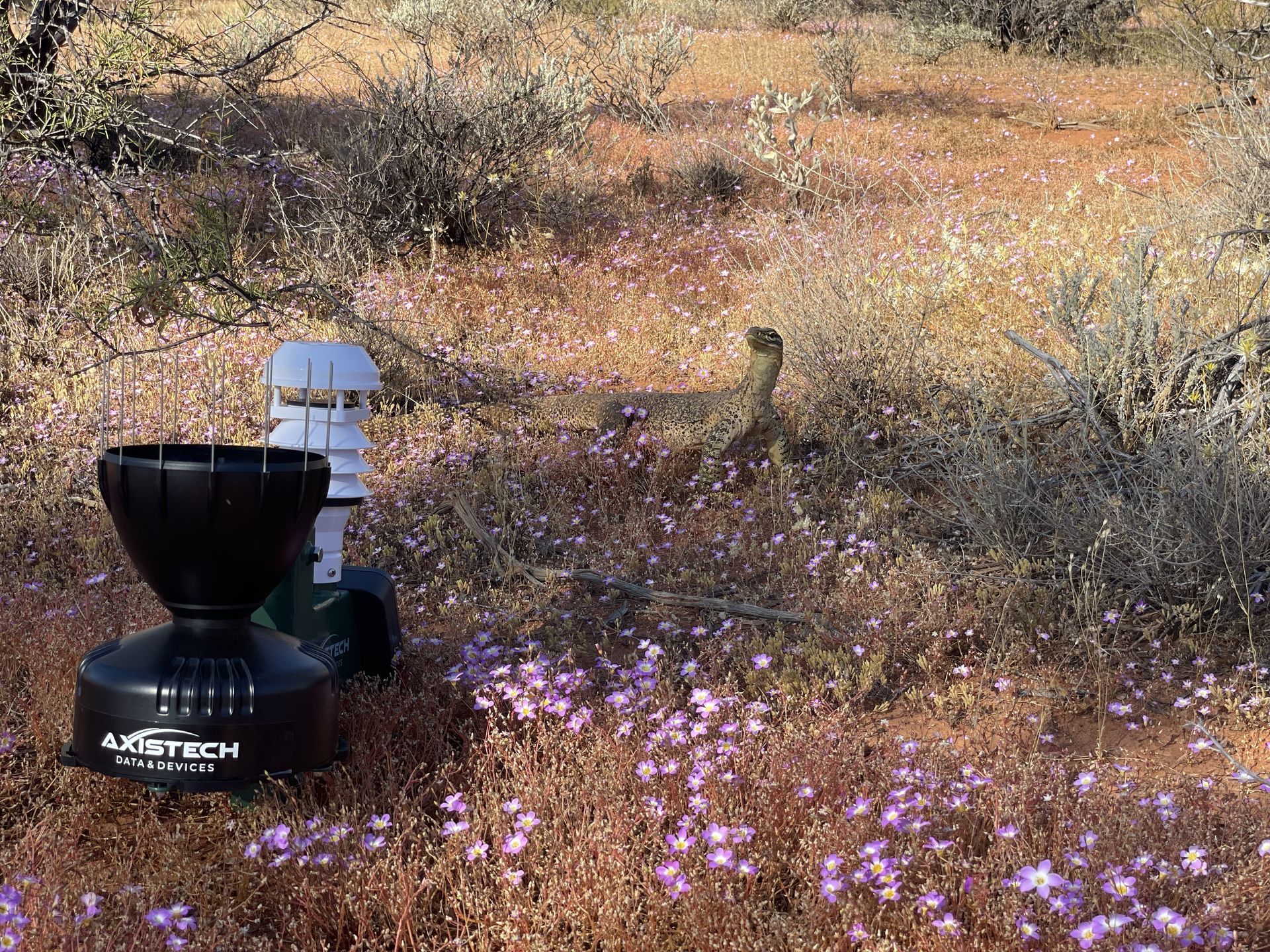
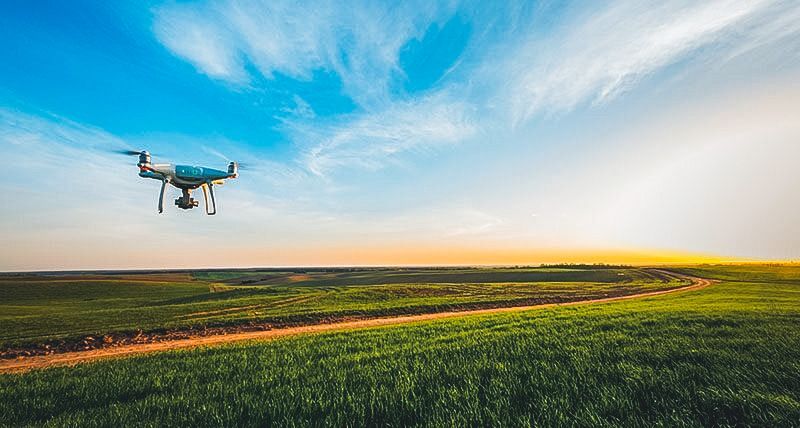
Other technology is becoming part of daily operations, such as drones, satellites and soil spectroscopy provide large-scale data on biomass and land condition. Remote and smart monitoring systems make water use more efficient. These innovations show where science and technology are used is firmly in the hands of people on the ground.
Innovation through People and Partnerships
Behind every new technology or management system are the people who test, adapt, and improve it. Across the rangelands, innovation is often collaborative — producers working with researchers and tech developers, to share what works.
Peer networks, producer groups, and local field days are vital platforms for learning, trialling ideas, and building confidence in practical innovation. IYRP will highlight successful partnerships to illustrate how knowledge flows from paddock to policy, keeping pastoral communities vibrant.
Sharing Australia’s Stories
In Australia, the International Year of Rangelands and Pastoralists is a grass roots movement, run predominantly by producers/pastoralists. Sharing stories will highlight the diversity and importance of the rangelands – to raise awareness. Stories will be told through social media, in classrooms, and at community events to celebrate the good things happening in the bush.
Australian pastoralists /producers/graziers are invited to tell their stories. IYRP is an opportunity to connect with people beyond the bush, including city folk and decision-makers.
If you know a story that could help city folk and decision-makers better understand the rangelands, please contact your local IYRP representative:
· WA – Debbie Dowden
debandash@bigpond.com
· NSW – Gus Whyte
wyndham3@bigpond.com or
· NSW – Danielle Connolly
danielle@westernlandcarensw.com.au
· QLD – Maree Tulley
maree.tulley@gmail.com
· NT – Stacey Holzapfel
Stacey.Holzapfel@nt.gov.au
· Other states – Dana Kelly
iyrp.australianchair@gmail.com
A New Narrative for the Rangelands
Australia’s rangelands cover more than 75 per cent of the continent. As home to vast cattle, sheep and goat enterprises, rangelands provide some of the greatest opportunities for maintaining healthy landscapes.
The IYRP 2026 is about telling this story. It is about showing that pastoralism is not just about running stock, but about people applying science and innovation to work with animals, soils and plants as a whole system. Australian producers are leading the way.
Pastoralists are not only food producers. They are innovators and custodians - masters at working with uncertainty and managing the land while feeding the world.
Please follow IYRP Australia, and share our posts on your social media.