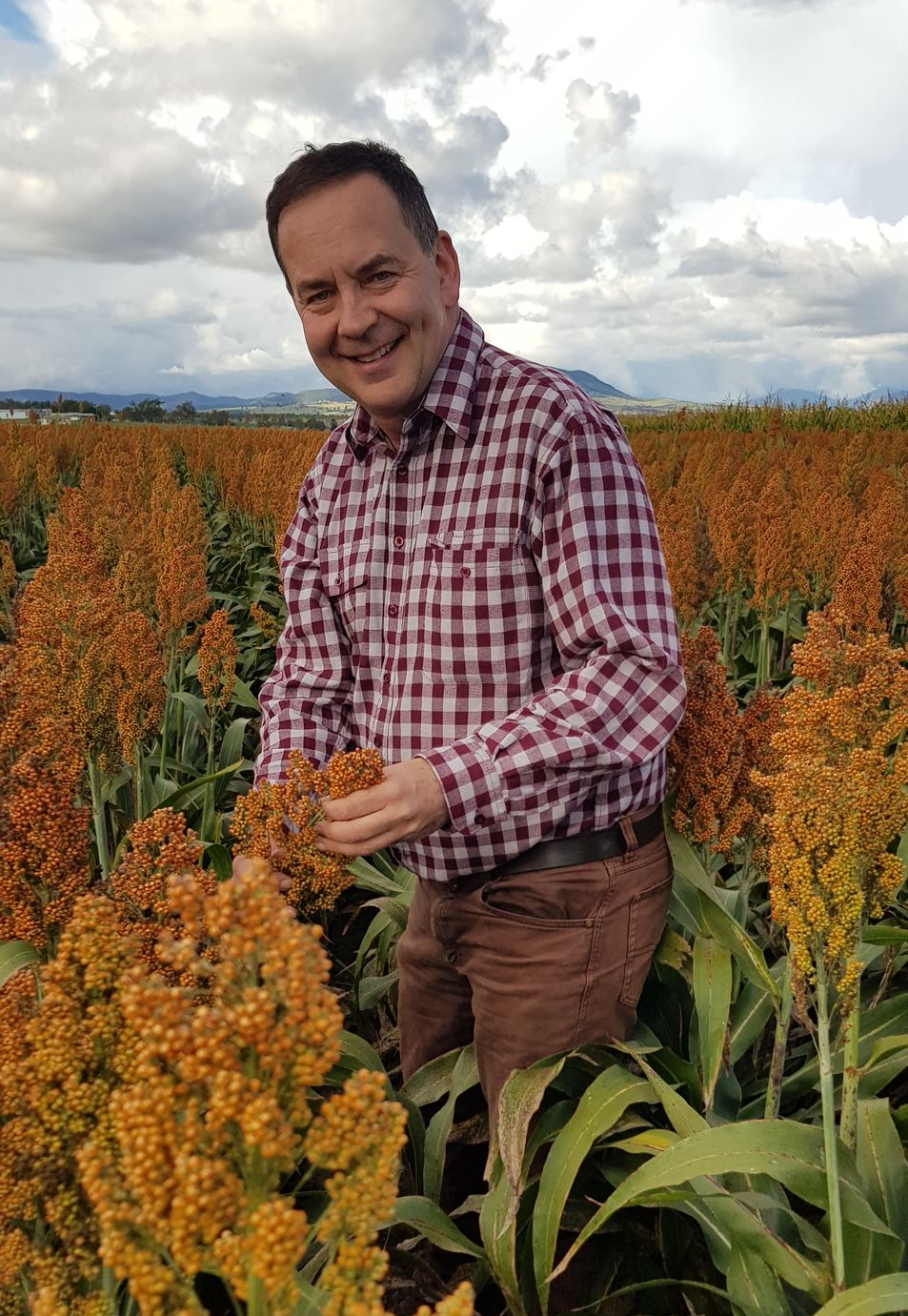
Professor David Jordan works for the University of Queensland and has more than 35 years of experience working as a sorghum breeder for both the public and private sectors. Almost all of the commercial sorghum hybrids grown in Australia contain traits from the pre-breeding program he leads.
How do new traits get into crop varieties?
Professor David Jordan
Trait development is long term and expensive, the latter making it hard to fund from commercial sources, but it is critical for delivering the step changes required for future profitability
Plant breeding and crop management have been one of the most important drivers of productivity gains in cropping systems around the world in recent years. While the pathways behind changes in management, such as adjustments to agronomy, advances in machinery, are generally clear to farmers, the processes that deliver new genetic traits in new varieties are more complex and far less visible. Traits such as resistance to emerging diseases and pests or adaptation to stresses like drought, salinity, and waterlogging often appear in new varieties without a clear understanding of the long and complex pipeline that underpins their development.
Pre-breeding vs Breeding
Plant breeding is the science of improving the genetic potential of plants to create new, better-performing crop varieties for farmers. In Australia, the term breeding is defined to describe the process of crossing of parents together to produce new lines or hybrids that have the potential to produce new commercial varieties or hybrids.
In contrast, pre-breeding is used to describe the discovery, testing, and evaluation of new traits which may result in the development of improved varieties or hybrids.
In Australia, there’s been a clear shift in “who does what” when it comes to breeding and pre-breeding. Commercial seed companies now do most of the breeding, turning ideas into new varieties, while the early-stage work, is largely done by universities, the CSIRO, and state government agriculture departments.
The reasons for this split are straightforward. Seed companies respond more quickly to market forces and are usually better able to deliver products cost effectively than public sector organisations, but they typically do not have the broad-based science capacity and skilled specialists required for pre-breeding and trait discovery that are available in the public sector. In addition, the economics of pre-breeding are unattractive for commercial companies. Pre-breeding innovations take a long time to return a profit, have a high risk of failure, and may be hard for any one company to capture value through increased profitability. Public sector organisations often have a longer horizon and are interested in public good rather than monetisation of innovation.
Sorghum midge resistance an example strategic pre-breeding
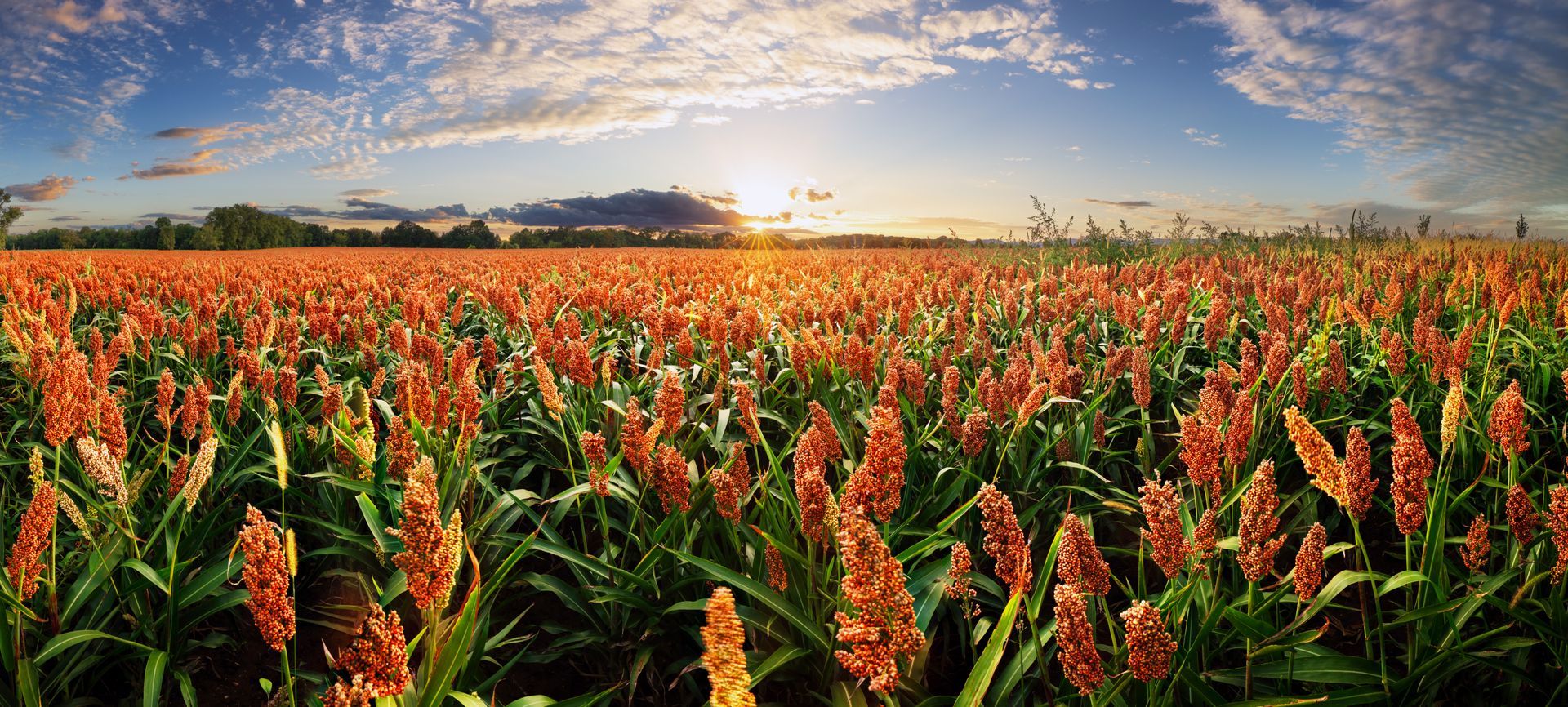
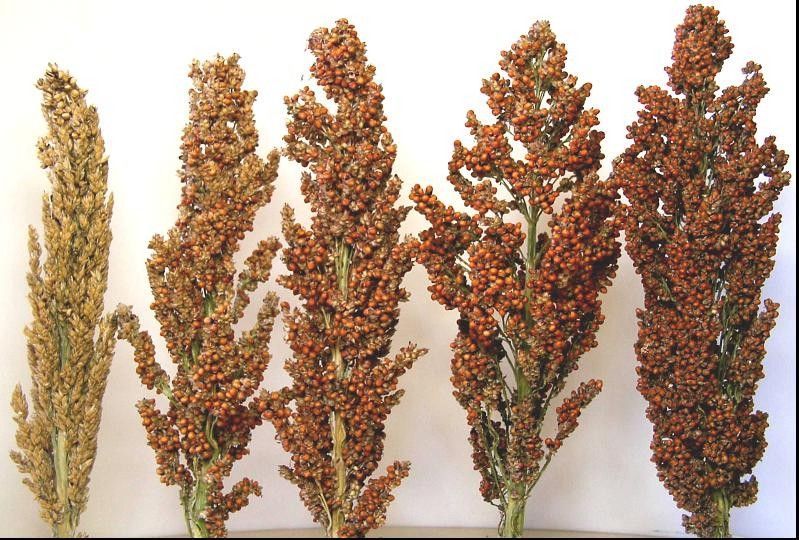
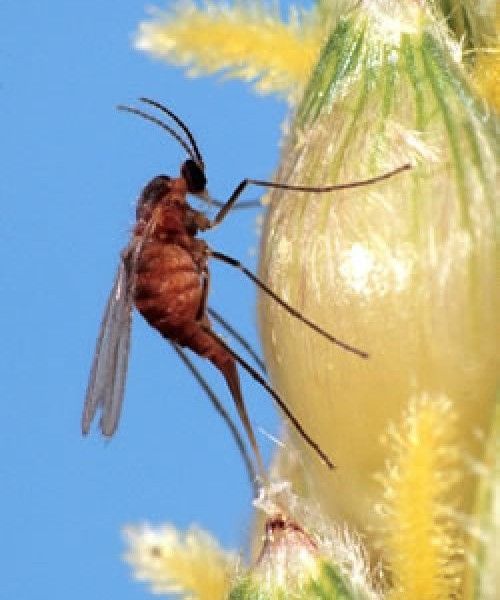
For decades, the sorghum midge was one of the most damaging pests facing Australian sorghum growers. The midge lays its eggs in flowering sorghum heads, and the larvae replace the developing grain, leading to serious yield loss and, in susceptible hybrids, complete crop failure. Because midge populations build rapidly on flowering crops, growers were forced to plant early and in tight planting windows alongside neighbours to escape peak infestations, often spraying insecticides to protect flowering heads. This approach was costly, risky, and heavily dependent on timing and weather.
A turning point came after host plant resistance to sorghum midge was first identified in the United States in 1973. After this discovery, the Queensland’s Department of Primary Industries (DPI) began pre‑breeding work in 1975, but the early resistance sources were poorly adapted to Australian conditions, and the first resistant hybrids could not compete agronomically and were not commercially successful. Because breeding for midge resistance was technically difficult and commercially risky, private seed companies did not invest, leaving the public sector to carry the work for more than a decade. It was not until the early 1990s, when DPI‑bred, midge‑resistant lines became adapted enough for commercial use, that private companies could release competitive resistant hybrids. Once these hybrids reached the market, susceptible varieties quickly became unsellable, forcing widespread private investment in resistance breeding by the seed companies. By the early 2000s, highly resistant, well‑adapted hybrids dominated Australian sorghum production.
The impact on farming systems was profound. Eliminating the need to spray for midge preserved natural enemies of heliothis, allowing growers to control that major pest using viruses and biological control instead of broad‑spectrum insecticides. This reduced costs, slowed resistance development in heliothis, and delivered flow‑on benefits to sorghum and cotton industries alike. Perhaps more, midge resistance gave growers back planting flexibility, allowing sorghum to be planted when seasonal conditions were right, rather than around pest risk, unlocking major yield gains and fundamentally changing the profitability and reliability of sorghum production in Australia. Despite the pest being significant in other areas of the world, Australia is the only major sorghum growing region where midge resistance cultivars are widespread. The substantial benefits of the trait took approximately 40 years to deliver, and the benefits dramatically exceeded what was envisaged when the research began.
Midge resistance is one example of a pre-breeding success story, but similar public research pipelines underpin all of our broad acre crops and have been pivotal in the development of traits like black leg resistance in canola, and long coleoptile varieties that improve establishment in wheat.
Risks to the current system of trait development
Australia’s agricultural innovation system faces growing risks from long‑term underinvestment and structural change. Investment in agricultural research as a share of agricultural GDP peaked at around 5 per cent in the late 1970s and has since declined to approximately 3 per cent placing Australia behind many comparable agricultural nations in research intensity. While private sector investment has increased in several crops, it is largely focused on short‑term commercial returns. Public funding, meanwhile, has not kept pace with the growth of the agricultural economy or the increasing cost and complexity of research driven by climate change, biosecurity threats, sustainability requirements, and digital technologies.
Equally concerning has been the steady contraction of research capacity within state departments and the CSIRO. These organisations historically provided stable, long‑term career pathways that allowed researchers to tackle complex problems over decades. Today, those workforces are ageing, successor pipelines are thin, and institutional memory is being lost. Universities have partially filled this gap, but their efforts are divided between teaching and research, and short‑term funding cycles have made it difficult to build, retain, and renew core disciplinary capabilities.
The decline in government support is most evident in strategic, long‑horizon research, work that can take 15 to 20 years or more to deliver measurable gains in farmers’ paddocks. Funding has increasingly shifted toward short‑term (often three‑year), applied projects with immediate deliverables, reducing the system’s capacity to invest in blue‑sky, high‑risk, high‑reward research. This has led to fewer opportunities to address foundational challenges before they become acute.
As a result, long‑term pre‑breeding, systems research, and major trait development work that underpins future productivity gains, has become harder to sustain. For early‑career scientists, increasingly fragmented and insecure career paths make it difficult to build deep expertise, reducing the attractiveness of agricultural research as a profession. Without renewed commitment to long‑term public investment and capacity building, Australia risks eroding the very foundations that have historically delivered step‑change gains in farm productivity, resilience and profitability.
NEWS
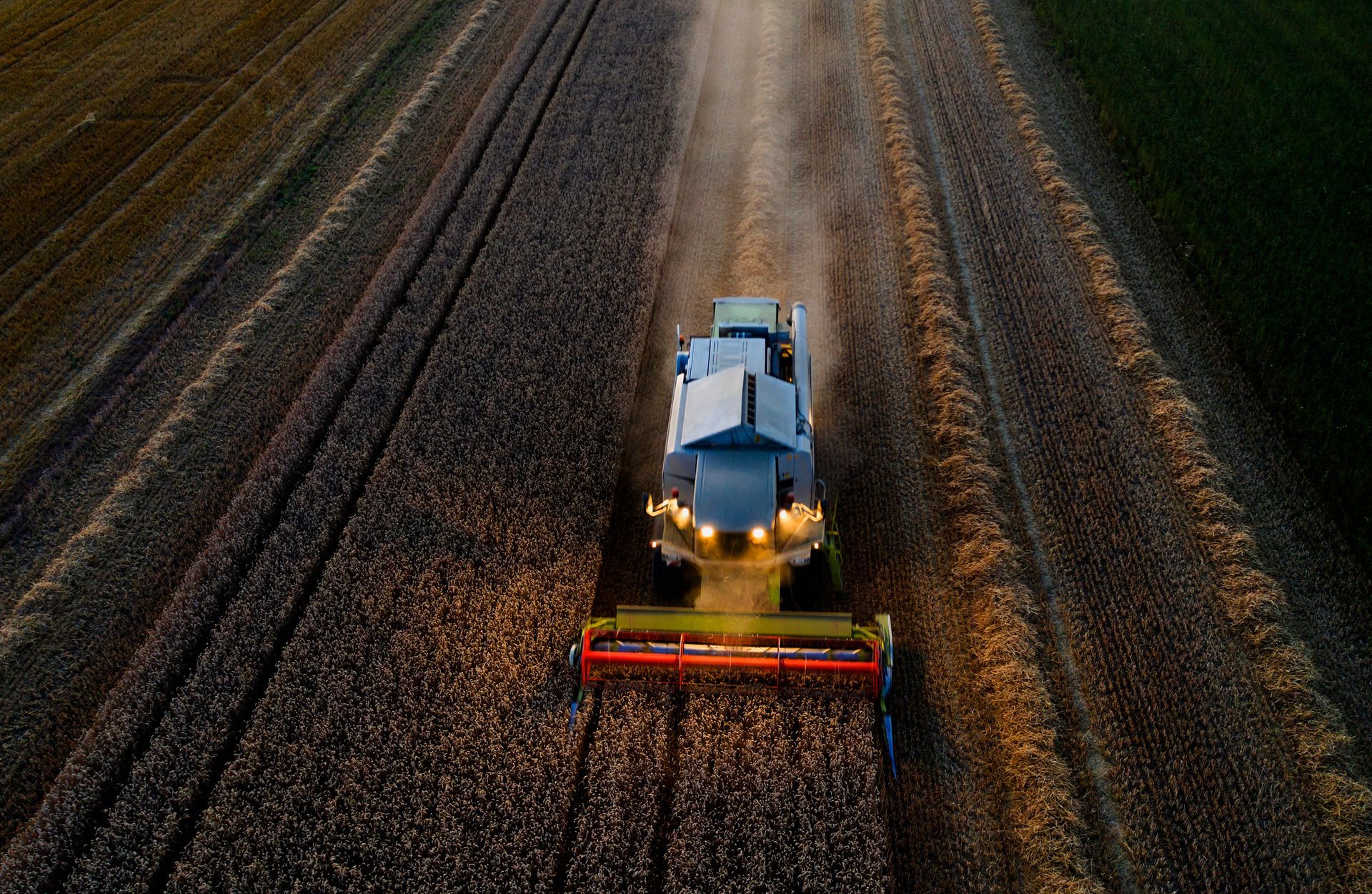
High-precision GNSS has typically been too costly and complex for all but the most critical agricultural operations, but recent RTK GNSS innovations have made centimetre accuracy scalable to all applications in Ag-Tech.

Every Aussie farmer knows that the difference between a “good” crop and a “record-breaking” one often come down to the smallest details. At BioFlora, we’ve spent years perfecting the balance of plant nutrition, and the result is IsoGreen – our powerhouse liquid formula designed to push your yields and crop taste to their absolute peak.

Plant, spray and harvest with confidence using reliable centimetre level positioning. Hexagon SmartNet provides fast, accurate RTK corrections across Australia to reduce overlaps, lower input costs and maximise productivity. With no base station required, simply connect, get a fix and get to work.

Built for the demand of Aussie farmers. Designed for every day performance.
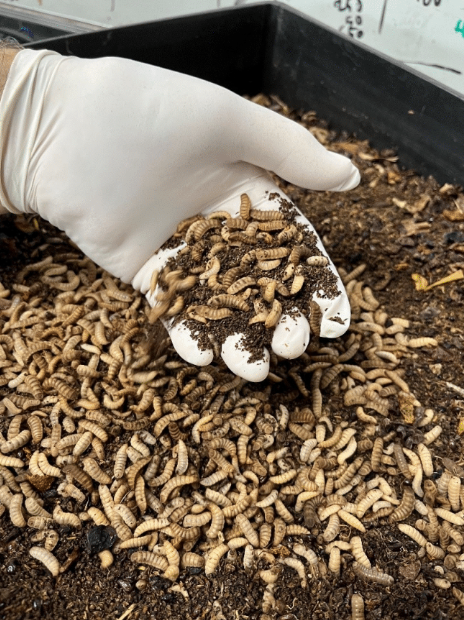
They’re wriggly black grubs more commonly tossed to backyard hens than served at the dinner table, but black soldier fly larvae could soon play a key role in building a more sustainable food system, according to new research from Adelaide University.
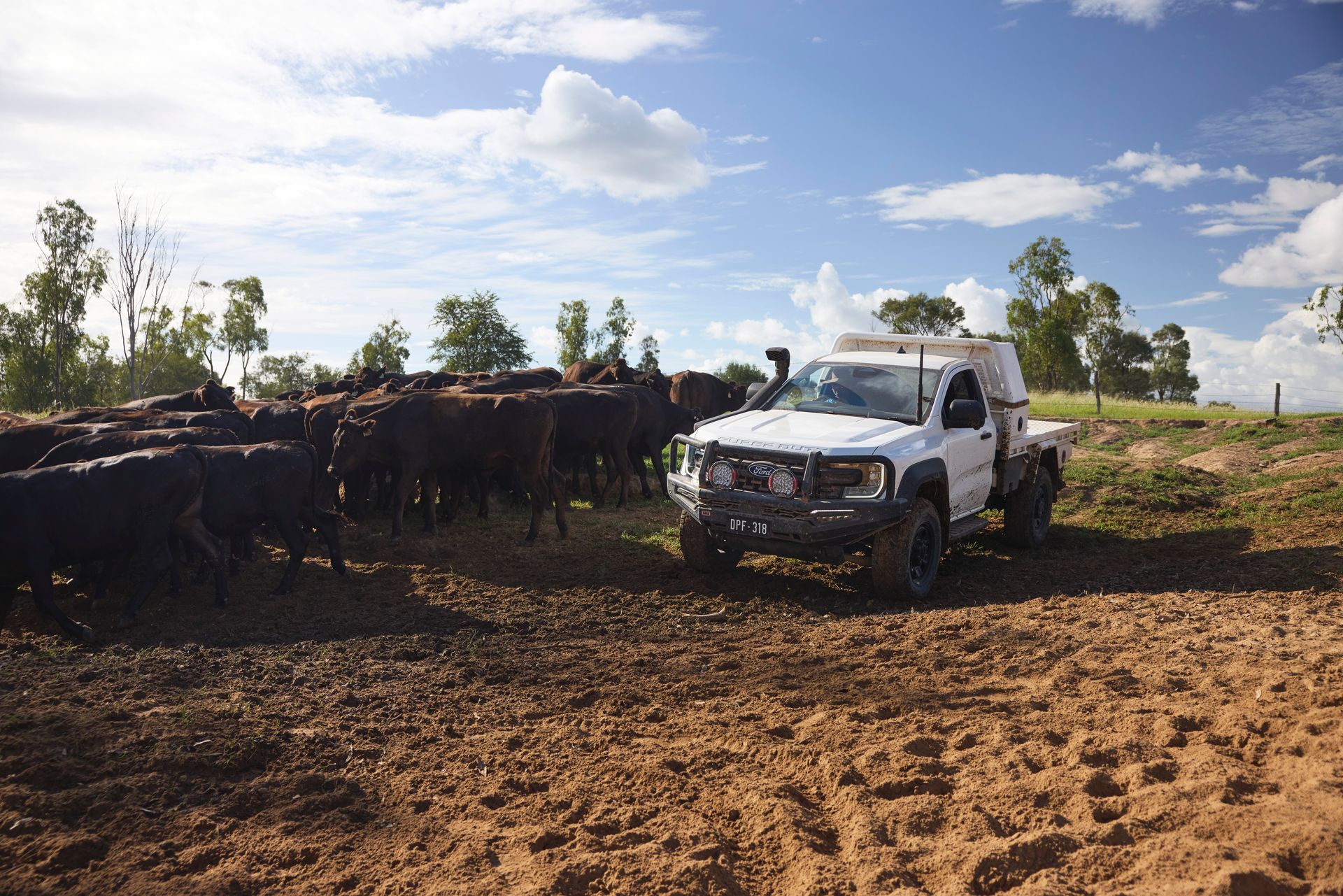
After four years of customer research and 500,000 test kilometres, Ford says the Ranger Super Duty brings farmer-driven customisation into the factory, with more towing, payload, and durability built in.